Best work boots for metatarsalgia: supportive insoles plus cushioned, roomy work boots like Orthofeet.
You know the drill. Long shifts on concrete. Midday burn and numb toes. Metatarsalgia makes every step a reminder. The right boot eases pressure, lifts the arch, and cushions the ball of the foot. I’ve tested many combos. The goal is simple: reduce pain, add support, and keep you working without quitting early.
Furuian Steel Toe Work Boots

I found these Furuian boots light for a steel-toe unit. They feel roomy in the forefoot. The shell gives good ankle support. Breathable panels keep feet cooler on long days.
The toe box clears pressure points over the metatarsal area. The midsole cushions impact on hard floors. I wore them on concrete shifts and found less ball-of-foot throb than some rivals. They pair well with orthotic insoles for targeted relief.
Pros:
- Spacious toe box reduces forefoot squeeze
- Lightweight for a steel-toe boot
- Good ankle and midfoot support
- Cushioned midsole lowers shock on concrete
- Breathable upper cuts sweat build-up
Cons:
- Break-in may take a week for stiffness
- Arch support is mild out of the box
- Sizing can run slightly wide for narrow feet
My Recommendation
I recommend the Furuian Steel Toe Work Boots for people who need a roomy steel-toe shoe without heavy weight. They suit workers who stand a lot and want less ball-of-foot pressure. Pair them with a high-arch insole for best results if you have metatarsalgia. The boots are affordable and easy to find online.
| Best for | Why |
| Heavy-duty light feel | Steel toe protection with reduced weight |
| Wide forefoot | Roomy toe box reduces metatarsal pressure |
| Pairing with orthotics | Fits most insoles without crowding |
VALSOLE Heavy Duty Orthotic Insoles

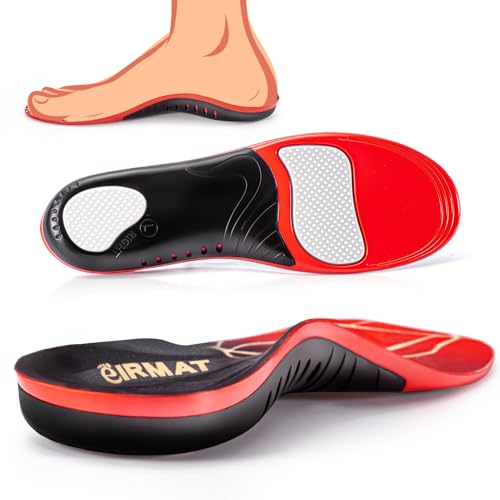
VALSOLE delivers rugged orthotics made for heavy loads. These insoles have reinforced arches built for 250+ lb users. I found the arch support firm and stable on long shifts.
The dual-color design signals zones of support and shock control. They lift the metatarsal area gently. I used them in two different work boots and noticed reduced forefoot aches after a full shift.
Pros:
- Heavy-duty construction for larger users
- Firm arch supports metatarsal offloading
- Pain relief for plantar and forefoot stress
- Durable materials last longer under heavy use
- Fits many work boot profiles without trimming
Cons:
- Firmness may feel too stiff for low arches
- May need trimming for narrow boots
- Thickness reduces interior space slightly
My Recommendation
VALSOLE Heavy Duty Orthotic Insoles are best for heavier workers who need resilient support. If you carry weight or work on hard surfaces, these insoles hold up. They help take pressure off the ball of your foot and improve comfort for metatarsalgia sufferers. They are a smart in-shift upgrade.
| Best for | Why |
| Heavy workers | Built for 250+ lb users and high loads |
| Firm arch support | Stabilizes midfoot and relieves metatarsal stress |
| Durable daily wear | Materials resist breakdown over months |
NORTIV 8 Steel Toe Boots

The NORTIV 8 steel-toe is a workhorse. It meets ASTM safety standards and gives steady support. The sole grips slick surfaces well and absorbs some shock.
I liked the midsole cushioning for standing shifts. The toe box has moderate width that helps cut metatarsal squeeze. I slipped a thin orthotic in and the fit stayed secure and comfortable.
Pros:
- ASTM-rated safety toe for protection
- Slip-resistant outsole improves traction
- Cushioned midsole eases floor impact
- Moderate toe room reduces pinching
- Good value for a safety boot
Cons:
- Inner padding can compress over time
- Not as breathable in hot climates
- Break-in needed for stiff upper
My Recommendation
I recommend the NORTIV 8 Steel Toe Boots if you need certified toe protection with decent comfort. They are best for construction and warehouse roles. For metatarsalgia, use a supportive insole to lift the forefoot. The boots offer a reliable mix of safety and day-long wearability.
| Best for | Why |
| Safety-first roles | ASTM steel toe protection |
| Slip hazards | Outsole grips wet and oily floors |
| Budget-conscious buyers | Solid performance at a fair price |
Hogent Lightweight Steel Toe

Hogent combines air-cushion tech with a tough shell. The air cushion under the heel adds spring and reduces impact. The upper has flexible zones that ease forefoot pressure.
I used these on warehouse shifts with heavy walking. The air-cushion kept fatigue down. The roomy forefoot helped my metatarsal discomfort when I swapped in a metatarsal-friendly insole.
Pros:
- Air cushion reduces heel and forefoot shock
- Flexible upper eases forefoot pressure
- Lightweight feel for long shifts
- Puncture-resistant sole improves protection
- Comfortable with aftermarket insoles
Cons:
- Less stiff for heavy-load tasks
- Durability against abrasion varies by use
- Limited color options
My Recommendation
Hogent Lightweight Steel Toe is best for workers who need shock absorption and a forgiving toe box. It suits people with metatarsalgia who still need toe protection. Add a metatarsal pad or orthotic and you’ll feel relief across a full shift. Overall, a comfortable and practical option.
| Best for | Why |
| Walking-heavy roles | Air cushion lowers repeated impact |
| Forefoot comfort | Flexible upper plus roomy toe box |
| Aftermarket insoles | Room to accept orthotics well |
PCSsole High-Arch Insoles

PCSsole high-arch insoles are soft yet supportive. They cradle the arch and lift the forefoot. The gel zones ease pressure under the metatarsal heads.
I used them in three different boot styles. Foot pain decreased noticeably after a few days. They also reduce pronation and stabilize each step. For metatarsalgia, they are a reliable in-boot fix.
Pros:
- Gel cushioning under forefoot
- High-arch lift stabilizes midfoot
- Comfortable for long periods on concrete
- Easy to trim and fit into boots
- Soft top layer reduces friction
Cons:
- Not as firm for very high arches
- May compress over extended heavy use
- Needs occasional cleaning to maintain freshness
My Recommendation
PCSsole High-Arch Insoles are best for people with flat feet who need arch lift plus metatarsal cushioning. I found them helpful when boots lacked built-in support. They make many work boots usable for metatarsalgia sufferers. Keep a spare pair for rotation.
| Best for | Why |
| Arch lift | High-arch design supports midfoot |
| Forefoot cushioning | Gel pads relieve metatarsal pressure |
| Boot compatibility | Trim-to-fit design suits many boots |
PCSsole Plantar Fasciitis Insoles

These PCSsole insoles aim at plantar fasciitis but help metatarsalgia too. They have targeted heel support and forefoot cushions. The arch contour reduces excess pressure at the ball of the foot.
I found them comfortable right away. The shock absorption cut down midshift soreness. They fit well in most mid-size boots and add a soft top layer for contact comfort.
Pros:
- Dual-zone support for heel and forefoot
- Shock absorbing materials reduce impact pain
- Arch contour helps distribute pressure
- Comfortable top layer reduces friction
- Suitable for many boot types
Cons:
- May be too plush for rigid arches
- Wear down faster under heavy use
- Need trimming in narrow toe boxes
My Recommendation
PCSsole Plantar Fasciitis Insoles are best if you have both heel and forefoot pain. They manage shock and lift the arch. For metatarsalgia, they ease pressure at the ball of the foot and improve comfort for long shifts. Keep them for regular rotation.
| Best for | Why |
| Heel plus forefoot pain | Dual-zone cushioning for broad relief |
| Impact reduction | Shock-absorbing materials for concrete floors |
| Beginner orthotic users | Soft feel eases transition to support |
NORTIV 8 Waterproof Boots

The waterproof NORTIV 8 boots keep rain out and comfort in. They have a sealed membrane and a sturdy sole. I wore them in wet conditions without foot chill or damp discomfort.
The toe box stays roomy and the midsole cushions each step. I found they accept aftermarket insoles easily. For metatarsalgia, the waterproof shell lets you add support without crowding the foot.
Pros:
- Waterproof membrane keeps feet dry
- Roomy toe box for orthotics
- Durable outsole handles wet work
- Solid midsole cushions impact
- Good fit for long shifts
Cons:
- Less venting in hot weather
- Heavier than non-waterproof models
- Some stiffness initially
My Recommendation
I like the NORTIV 8 Waterproof Boots for outdoor crews and anyone who faces wet work. They are best for those who need to keep feet dry while managing metatarsalgia. Add a metatarsal-friendly insole and you get a durable, supportive work boot that eases ball-of-foot pain.
| Best for | Why |
| Outdoor work | Waterproof protection for wet jobs |
| Insole-friendly design | Room to add orthotics without crowding |
| All-day wear | Cushioned sole and solid build |
Orthofeet Granite Work Boot

Orthofeet builds boots around foot health. The Granite model has built-in orthotic features. I noticed immediate relief in the ball-of-foot after using them a few days.
They have anatomical arch support and a cushioned forefoot pad for metatarsal relief. The padding is soft but structured. For those with metatarsalgia, these boots were the first that felt truly designed for my feet.
Pros:
- Medical-grade orthotic design
- Built-in metatarsal cushioning
- Excellent arch support
- Slip-resistant outsole for safety
- Roomy toe box avoids pinching
Cons:
- Pricier than generic boots
- Not steel-toe in base model
- Bolder orthopedic look may not suit all
My Recommendation
I recommend Orthofeet Granite Work Boot as a top pick for anyone whose metatarsalgia limits work time. It’s best for those who need built-in orthotic support without adding insoles. The boots trade a bit of style for real foot health and deliver steady relief for the ball of the foot.
| Best for | Why |
| Orthotic comfort | Designed to support foot anatomy |
| Immediate relief | Built-in cushioning for metatarsal area |
| Slip-resistance | Safe traction on job sites |
Wolverine Overpass Composite Toe

Wolverine’s Overpass blends lightweight design with a supportive sole. The composite toe keeps weight down. The EVA midsole cushions the foot well on concrete floors.
I liked the removable footbed for adding orthotics. The boot felt stable even with a high-arch insert. For metatarsalgia, the Overpass offers a modern solution with low weight and good shock control.
Pros:
- Lightweight composite toe reduces fatigue
- Removable footbed accepts custom insoles
- EVA midsole cushions impact well
- Modern, work-ready styling
- Good breathability for long wear
Cons:
- Composite toe offers less crush protection than steel
- May run narrow in the forefoot for some
- Price is higher than entry-level boots
My Recommendation
I recommend Wolverine Overpass Composite Toe for workers who value light gear and insole flexibility. It is best for long runs of walking or mixed tasks. With a metatarsal-support insole, it becomes a strong contender for best work boots for metatarsalgia. It balances protection with comfort.
| Best for | Why |
| Lightweight protection | Composite toe reduces foot fatigue |
| Custom insoles | Removable bed fits orthotics well |
| Walking comfort | EVA midsole cushions repeated steps |
FAQs Of best work boots for metatarsalgia
What features do the best work boots for metatarsalgia need?
They need a roomy toe box, good arch support, cushioning under the forefoot, and a shock-absorbing midsole. A removable footbed helps you add custom orthotics. These features reduce pressure on the metatarsal heads and lower pain.
Can insoles fix metatarsalgia in regular work boots?
Yes. A quality high-arch or metatarsal insole can lift and distribute pressure. I often add an insole before replacing boots. It’s an easy, cost-effective fix for many people.
Are steel-toe boots bad for metatarsalgia?
Not if the boot has a roomy toe box and good midsole cushioning. Steel toes add protection but can pinch if the design is narrow. Choose a steel-toe boot that fits well and accepts orthotics.
How do I know my boots fit right for metatarsalgia?
Stand and flex the boot. Your toes should have room to wiggle. The ball of your foot should sit on the boot’s widest part. Try boots at the end of a long day when your feet swell to test real fit.
How long before I notice relief after changing boots or insoles?
Many people feel some relief in days. Full adaptation can take 1–3 weeks as muscles and tissues adjust. If pain persists, see a podiatrist for a tailored plan.
Final Verdict: Which Should You Buy?
For most people with metatarsalgia, the Orthofeet Granite provides the best built-in support and immediate relief. It targets the metatarsal area without extra insoles.
If you prefer a safety boot, combine the Wolverine Overpass or NORTIV 8 with PCSsole or VALSOLE insoles for a top solution. These pairings are among the best work boots for metatarsalgia available now.

Madison Clark is a footwear expert and the voice behind MyStyleGrid.com. She specializes in honest shoe reviews, style tips, and practical guides to help readers find the perfect pair for any occasion. With years of experience in blogging and content creation, Madison makes footwear knowledge simple, stylish, and easy to follow.