The best dog boots for dew claws combine a secure fit, soft protection, grip, and room for natural paw movement.
A torn or rubbed dew claw can turn a simple walk into a painful chore. I have seen dogs chew at the area, limp on rough ground, or lose a boot because the fit was wrong. The right dog boot can shield the front dew claw from trails, snow, hot pavement, and licking. Still, not every paw protector works for every dog. This guide compares eight useful options, explains their strengths and limits, and shows which one fits common needs best.
Ruffwear Grip Trex Dog Boots

Ruffwear Grip Trex is one of the strongest choices for active dogs that need full paw coverage. Its rugged sole helps protect the paw pad and lower toe area from sharp stones, hot pavement, ice, and rough trail surfaces. The breathable upper can help reduce trapped heat during longer outings. For a dog with a front dew claw that rubs against brush or ground, this boot offers a broad layer of defense.
I like this model most for hiking, running, and regular outdoor work. The sole has useful traction, so it can also help a dog feel steadier on wet paths or loose soil. It is not a special dew claw wrap, and the boot must be sized with care so the upper does not press on the claw. Once fitted well, it feels more like real outdoor gear than a thin sock.
Pros:
- Rugged sole for trails and hard ground
- Helpful protection from hot pavement and snow
- Breathable upper supports longer wear
- Strong traction on many outdoor surfaces
- Good choice for active and athletic dogs
- Offers full paw coverage around the dew claw area
Cons:
- Costs more than basic dog socks
- Requires careful measuring and fitting
- May feel bulky to dogs new to boots
My Recommendation
Ruffwear Grip Trex is best for hiking dogs, working dogs, and pets that face rough terrain often. I would choose it when the main goal is durable protection rather than a soft indoor cover. It is a strong candidate for the Best Dog Boots for Dew Claws when the claw needs coverage during outdoor activity. Check the current size chart before ordering, since a secure fit matters more than brand name.
Tinkare Dew Claw Protectors
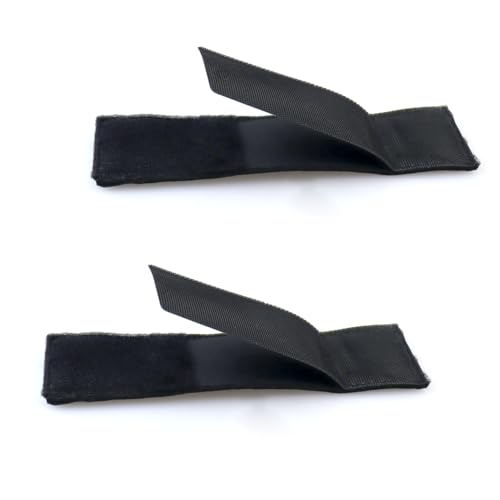
Tinkare’s dew claw protectors take a more direct approach than a full dog boot. They are made to cover the front-leg dew claw area, which can help with rubbing, light scrapes, and repeated licking. This design may suit dogs that dislike a full shoe around the paw. It can also work well for breeds with prominent front dew claws, such as Greyhounds, Whippets, and Border Collies.
The biggest benefit is targeted coverage. Instead of placing a thick sole under the whole paw, this wrap focuses on the spot that needs help. That may allow a dog to walk in a more natural way indoors or in a yard. I would not treat it as a replacement for a sturdy boot on sharp trails, hot sidewalks, or deep snow.
Pros:
- Designed for the front dew claw area
- Less bulky than a full paw boot
- Useful for dogs that reject full shoes
- Can help reduce licking and rubbing
- Suitable for several slender and active breeds
- Allows more natural paw movement
Cons:
- Does not protect the full paw pad
- May not suit every leg shape
- Needs regular checks for slipping or tightness
My Recommendation
I recommend Tinkare for a dog with a sore, exposed, or easily irritated front dew claw that needs focused support. It is especially useful when a full boot feels too large or causes stress. In my view, it is one of the most direct choices among the Best Dog Boots for Dew Claws, although it is better called a dew claw wrap than an outdoor boot. Keep the area clean, dry, and checked during use.
Dog Recovery Boot for Injured Paws

This recovery boot is aimed at dogs that need a barrier over a tender paw. Its breathable material can help cover a wound, hot spot, bandage, or healing toe during short walks. The non-slip sole adds a useful layer of control on smooth floors. It may also help limit direct licking when an owner cannot watch the dog every second.
A recovery boot should never replace veterinary care, wound cleaning, or a prescribed bandage. I would use this product as a practical cover for calm, supervised activity. The room inside the boot is important because pressure on a swollen paw or dew claw can slow comfort and healing. Remove it after the walk and check for moisture, redness, odor, or new rubbing.
Pros:
- Made for paw recovery and protection
- Breathable design may improve comfort
- Non-slip sole helps on smooth floors
- Can cover a sore paw during short walks
- May reduce access to a healing area
- Useful for temporary outdoor protection
Cons:
- Not a substitute for veterinary treatment
- May not fit a large bandage
- Should not stay on a damp or dirty paw
My Recommendation
This recovery boot is best for dogs with a mild paw injury, tender toe, or healing dew claw that needs a short-term cover. I would choose it for supervised walks and home use, not for wild running or long hikes. It earns a place among the Best Dog Boots for Dew Claws because it addresses recovery needs, but owners should follow their veterinarian’s instructions first. Its value is highest when used as part of a careful care plan.
Ruffwear Bark’n Boot Socks

Ruffwear Bark’n Boot Socks are soft liners made to work inside dog boots. They can reduce direct rubbing between a boot and the paw, toes, or lower dew claw area. The fabric also adds warmth in cold weather and gives a more comfortable feel for dogs with sensitive feet. Used under a firm boot, these socks can make the whole setup feel less harsh.
These are not outdoor boots on their own. A sock can become wet, dirty, or worn if a dog walks on snow, gravel, or hot pavement without a proper outer shoe. I see them as a comfort upgrade for dogs that already use boots but show signs of chafing. They may also help a dog accept footwear during the first few training sessions.
Pros:
- Soft layer between paw and boot
- May reduce rubbing around the dew claw
- Adds warmth in cold conditions
- Helps improve boot comfort
- Useful for dogs with sensitive feet
- Can support a smoother boot-training process
Cons:
- Not suitable as a stand-alone outdoor boot
- Can hold moisture if not removed and dried
- Adds another layer to the sizing process
My Recommendation
I recommend Bark’n Boot Socks for owners whose dogs suffer from rubbing inside regular boots. They are especially helpful with a prominent dew claw or a dog that needs a softer feel. As part of a two-layer system, they can improve the comfort of the Best Dog Boots for Dew Claws. Buy them when liner comfort matters more than direct weather protection.
EXPAWLORER Non-Slip Dog Socks

EXPAWLORER non-slip dog socks are a light option for indoor floors and short walks. Their grippers can help older dogs, small dogs, and dogs with weak footing move across hardwood or tile with more confidence. The fabric may also help cover the paw and reduce licking. For a dew claw that needs a soft barrier at home, this style can be less stressful than a stiff boot.
The main trade-off is durability. Dog socks are not equal to a rugged shoe when a dog walks on ice, rough concrete, or thorny ground. They work best when the paw is clean and dry, and when the dog is supervised. I would use these for indoor traction, light pavement use, or rest periods rather than long outdoor adventures.
Pros:
- Helpful grip for hardwood and tile floors
- Light and soft for indoor wear
- May reduce paw licking
- Available for small, medium, and large dogs
- Good option for senior dogs with weak footing
- Less bulky than many outdoor boots
Cons:
- Less protective on rough outdoor ground
- Fabric may wear faster than a rubber sole
- Can twist or slide if the size is wrong
My Recommendation
EXPAWLORER is best for indoor traction, light paw coverage, and dogs that need a gentle first step into footwear. I would pick it for a senior dog that slips on floors or a dog that licks a mildly irritated dew claw at home. It can serve as a budget-friendly part of a Best Dog Boots for Dew Claws plan, but it is not the best choice for deep snow or rugged trails. Supervision remains important.
Dog Paw Wound Recovery Boot

This wound recovery boot is built for a paw that needs protection during daily movement. Its breathable bootie design can shield a healing area from dirt and contact with the ground. The anti-slip sole gives the dog a firmer step on many indoor surfaces. A self-adhesive strap may also make quick adjustments easier than a long lace system.
I find this type of boot useful after a minor paw scrape or when a dog keeps trying to lick a sore toe. Still, owners must check the strap often because a secure closure should never become tight. The boot should stay clean and dry, and it should come off during rest unless a veterinarian says otherwise. If the wound swells, bleeds, smells bad, or fails to improve, seek veterinary help.
Pros:
- Protects a healing paw during short walks
- Breathable material supports airflow
- Anti-slip sole improves floor contact
- Self-adhesive strap allows fast fitting
- May discourage licking and chewing
- Useful for indoor and outdoor recovery support
Cons:
- Needs frequent checks around a swollen paw
- Not intended for unsupervised long-term wear
- May not fit every bandage or paw shape
My Recommendation
This boot is best for a dog that needs a temporary cover for a paw wound or irritated dew claw. It suits owners who want a simple closure and a sole with basic traction. I would place it among the Best Dog Boots for Dew Claws for recovery use, not as a high-performance trail boot. Its value depends on proper cleaning, correct sizing, and close observation.
HeavenEye Anti-Slip Dog Socks

HeavenEye anti-slip dog socks focus on grip, comfort, and basic paw coverage. The sole pattern can help a dog walk on slippery floors without the heavy feel of a hard boot. These socks may also cover a dew claw from light contact and reduce the urge to lick. The size range makes them worth considering for small, medium, large, and senior dogs.
This product makes sense for home use and gentle daily walks. It is a softer choice for dogs that panic when they feel a firm boot around the paw. Like other socks, it has limits in wet or rough conditions, so I would not rely on it for a long hike. Measure each paw and watch the first few steps to make sure the sock stays flat.
Pros:
- Strong focus on indoor traction
- Soft feel for sensitive or nervous dogs
- May help limit dew claw licking
- Suitable for many dog sizes
- Useful for senior dogs and weak footing
- Lightweight for short periods of wear
Cons:
- Does not match a true waterproof boot
- May slide during fast outdoor play
- Needs supervision to prevent chewing
My Recommendation
HeavenEye is best for a dog that needs grip and a soft cover at home. It may suit senior pets, dogs recovering from a mild paw issue, and pets that dislike hard footwear. For many homes, it is a practical and affordable piece of the Best Dog Boots for Dew Claws search. Choose a full boot instead if your dog spends a lot of time on snow, gravel, or hot pavement.
Ruffwear Bark’n Boot Socks Earth Brown

This Earth Brown version of Ruffwear Bark’n Boot Socks gives dogs a soft liner for use with compatible boots. A liner can reduce friction at the heel, toes, and dew claw, especially when a dog walks for many miles. It can also add a little warmth during cold-weather outings. The sock is useful when a boot fits well but still causes a hot spot.
I would not buy this product as the only layer for outdoor protection. Its real purpose is to improve the fit and feel of a boot system. A good liner should lie smooth, without folds that create new pressure points. Check the paw after each early use, since a comfortable sock cannot fix a boot that is too narrow or too loose.
Pros:
- Reduces friction inside many dog boots
- Soft material supports sensitive paws
- May help protect a prominent dew claw from rubbing
- Adds warmth in cold weather
- Useful for long walks with proper outer boots
- Can improve acceptance of dog footwear
Cons:
- Needs an outer boot for weather protection
- Can bunch if the boot size is not right
- Requires washing and complete drying between uses
My Recommendation
This liner is best for active dogs that already wear boots but need more comfort. I would select it when the dew claw shows rubbing from an outer shoe, not when the paw needs waterproof protection by itself. It can make a well-fitted pair feel much kinder and more secure. As a support item, it strengthens the overall value of the Best Dog Boots for Dew Claws rather than replacing them.
How to Choose the Best Dog Boots for Dew Claws
A dew claw sits higher on the front leg than the main paw pads. That location creates a special fit problem. A boot can protect the paw yet still rub the claw if its opening is too low, too narrow, or poorly secured. Before shopping, decide whether your dog needs a full outdoor boot, a soft sock, a dew claw wrap, or a recovery cover.
Start With the Reason for Use
The best dog boots for dew claws depend on the job. For hot sidewalks, look for a sole that blocks heat and gives traction. For snow, seek a secure upper and a closure that keeps cold moisture out. For a healing claw, choose a soft recovery boot or direct wrap and follow veterinary advice.
A dog that licks a claw at home may only need a light cover. A trail dog needs much more. Matching the product to the task prevents discomfort and saves money.
Measure the Paw Correctly
Place your dog’s front paw on paper while the dog stands. Mark the widest part, including the toes, and measure both width and length if the brand asks for both. Repeat the process for the other front paw because paws may not match exactly. Use the manufacturer’s chart rather than assuming your dog wears the same size in every brand.
The dew claw adds another measurement concern. Look at where the boot cuff rests on the leg. It should not press hard against the claw, cut into the skin, or leave a deep mark. A boot that is too loose may spin and pull hair, while one that is too tight may restrict comfort and blood flow.
Check the Closure
A good closure keeps the boot in place without squeezing the leg. Hook-and-loop straps are common because they allow small changes in fit. Some dogs need a higher strap position to keep the boot from sliding below the dew claw. Others need a softer cuff to avoid hair tangles.
Fasten the boot snugly, then check that you can place a finger under the strap. This is only a basic guide, not a medical rule. Always inspect the skin after a short test walk.
Look at the Sole
The sole controls both protection and balance. A firm rubber sole can block sharp rocks and hot surfaces. A flexible sole may feel more natural for indoor use. Deep tread helps on mud, loose soil, and wet ground, but it may feel heavy to a dog that has never worn boots.
For dew claw protection, the sole is not the whole story. The upper must also prevent the paw from sliding forward inside the boot. If the toes push hard against the front, the dog may shift weight and place more stress on the front leg.
Choose Breathable Materials
Warm, damp areas can irritate skin. Breathable mesh may help air move around the paw during warm walks. Waterproof materials can help in snow and rain, but they may trap heat if the boot has no airflow. I suggest removing boots when the dog comes inside unless the product is being used for a specific recovery reason.
A dry boot is a safer boot. Let wet footwear dry fully before the next walk. Wash socks and liners as the care label directs, and do not put a damp liner back on a sore paw.
Train Your Dog in Small Steps
Most dogs do not love boots on the first try. Put one boot on for a few seconds. Offer praise or a small treat. Remove it before your dog becomes upset.
Next, try two boots for a short indoor walk. Then use all four for a few minutes. Watch for a high step, hopping, chewing, or a stiff gait. These signs often mean the dog needs more time, a better size, or a different design.
Inspect the Dew Claw Before and After Use
Look for redness, heat, swelling, cracks, bleeding, or a broken nail. Run a clean finger near the area without pressing a sore spot. After the walk, remove the boot and inspect the skin around the cuff.
A dog may hide pain well. Limping, licking, sudden chewing, or refusing a walk can signal trouble. A split or infected dew claw needs professional care, especially if the nail is loose or the toe is swollen.
Full Boots Versus Dew Claw Wraps
A full boot protects the paw pad, toes, and lower leg area. It makes more sense for snow, pavement, trails, and other outdoor hazards. A dew claw wrap targets the claw and often feels less bulky.
Neither style wins in every case. A wrap may leave the paw pad exposed. A full boot may rub the claw if it fits badly. The best dog boots for dew claws are the ones that protect the needed area without creating a new pressure point.
Socks Versus Outdoor Boots
Dog socks are light, soft, and useful for floors. They can help with grip and mild licking. They usually do not provide the same protection from heat, water, sharp debris, or ice as a boot with a rugged sole.
I like socks as liners or indoor protectors. I prefer a real boot for a trail, a long sidewalk walk, or harsh winter weather. Some dogs benefit from both: a thin sock inside a well-fitted outer boot.
When to Ask a Veterinarian
Contact a veterinarian if the dew claw is split, bleeding, badly swollen, hot, or producing discharge. Do the same if your dog will not bear weight or seems very painful. A boot can protect an area, but it cannot repair an infection or deep nail injury.
Ask your vet about boot use after surgery or with a bandage. The right product may change as swelling goes down. Medical guidance should come before product reviews when the paw has a serious injury.
Best For Comparison
| Best for | Why |
|---|---|
| Outdoor hiking and rough ground | Ruffwear Grip Trex offers a rugged sole, traction, and broad weather protection. |
| Direct dew claw coverage | Tinkare focuses on the front dew claw without adding a full boot under the paw. |
| Indoor grip and soft comfort | EXPAWLORER or HeavenEye socks give light coverage and traction on smooth floors. |
FAQs Of Best Dog Boots for Dew Claws
Can dog boots protect a dew claw?
Yes. A well-fitted boot can reduce contact with snow, pavement, brush, and rough ground. The upper must sit comfortably around the front leg. Check the claw after each early use to make sure the boot does not rub.
Are dog socks good for dew claw injuries?
Dog socks may help cover a mild irritation or reduce licking, but they do not replace wound care. They offer less protection from water and sharp ground than a true boot. Ask a veterinarian about any bleeding, swelling, infection, or broken nail.
How tight should a dog boot be?
The boot should feel secure without squeezing the paw or leg. It should not spin, fall off, or leave deep marks. Test it indoors first, then inspect the skin and dew claw after a short walk.
Should my dog wear boots all day?
Usually, no. Remove boots during rest and check the paw for heat, moisture, and rubbing. Recovery use may require a different schedule, so follow your veterinarian’s instructions if the dog has an injury or bandage.
What is the best dog boot for a dog that hates shoes?
Start with a light sock or direct dew claw protector. Train for a few minutes at a time with praise. If the dog still struggles, check the fit and try a softer design rather than forcing the boot.
Final Verdict: Which Should You Buy?
Ruffwear Grip Trex is the best overall pick for active dogs and outdoor protection. Tinkare is best for direct front dew claw coverage, while recovery boots suit sore paws. Socks work well indoors or as boot liners.
The Best Dog Boots for Dew Claws should fit the dog, match the task, and protect without rubbing. Measure first, train slowly, and inspect the claw after every early use.

Madison Clark is a footwear expert and the voice behind MyStyleGrid.com. She specializes in honest shoe reviews, style tips, and practical guides to help readers find the perfect pair for any occasion. With years of experience in blogging and content creation, Madison makes footwear knowledge simple, stylish, and easy to follow.