The best work boots for supination combine a stable heel, firm support, cushioning, and a sole that guides each step.
If your feet roll outward, a long shift can feel like walking on the edge of a hard board. Your heels, ankles, knees, and lower back may take the stress, especially on concrete or uneven ground. I looked for work boots and supportive inserts that can help improve comfort without adding needless bulk. The options below cover heavy-duty insoles, orthopedic boots, waterproof work shoes, and heel wedges. Since every foot is different, use this guide as a smart starting point, not as a substitute for advice from a podiatrist.
WalkHero Heavy-Duty Work Boot Insoles
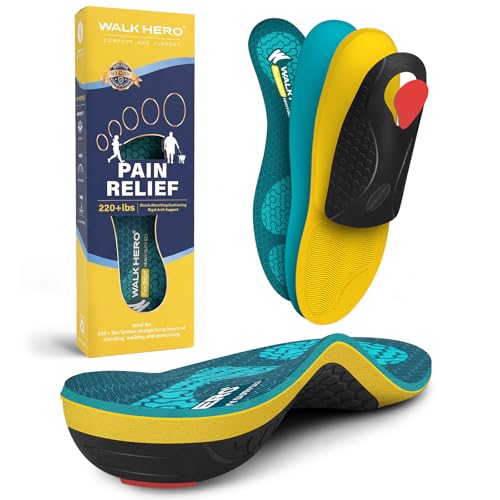
The WalkHero Heavy Duty Insoles are made for workers who need more support than a thin factory footbed can provide. The 220-plus-pound rating suggests a firm build for daily use and higher body weight. A supportive insole can reduce the feeling of standing on a flat, hard surface. It may also help keep the heel more centered inside a roomy work boot.
I like this type of insert for boots with removable insoles and enough interior space. The extra structure may help reduce foot fatigue during long shifts, while the cushioned layer can soften repeated impact. It will not change the shape of a boot, so a good heel counter and stable outsole still matter. Trim the insert carefully if needed, and wear it for short periods before using it for a full shift.
Pros:
- Heavy-duty design for demanding work days
- Useful for workers who need firm arch and heel support
- Can replace a worn or flat factory insole
- May improve comfort on concrete floors
- Works in many compatible work boots and shoes
- Can help create a more secure footbed
Cons:
- May feel too firm for people who prefer soft cushioning
- Needs a boot with enough room for an added insole
- Does not replace a medical evaluation for serious gait problems
My Recommendation
I recommend the WalkHero insert for a worker who already owns sturdy boots but needs better support inside them. It is especially practical for larger users, warehouse staff, contractors, and anyone who stands for many hours. As an insole rather than a complete boot, it lets you upgrade comfort at a lower cost. For many people searching for the best work boots for supination, this is a useful first step when the current boot fits well but lacks support.
Orthofeet Granite Orthopedic Work Boots

The Orthofeet Granite is the most direct boot option in this guide for men who want an orthopedic design. Its work-boot shape gives the ankle more coverage than a low shoe. That added height can make the foot feel more secure when you walk, climb, or carry tools. The brown finish also looks more like a traditional work boot than a medical shoe.
Orthopedic boots often appeal to people with sensitive feet, wide feet, or pressure points. I would pay close attention to the size chart and allow space for normal swelling during a long shift. A supportive upper can work with a stable sole to reduce unwanted side-to-side movement. Still, comfort is personal, so I would break these in at home before trusting them on a demanding job site.
Pros:
- Full work-boot design offers more ankle coverage
- Orthopedic shape suits workers who want extra foot support
- Good choice for long hours on hard floors
- Traditional brown color fits many work uniforms
- May help reduce pressure from a basic, flat boot
- More protective than a casual walking shoe
Cons:
- May cost more than basic soft-toe work boots
- Higher boot shafts can feel warm during hot weather
- Fit must be checked carefully before ordering
My Recommendation
The Orthofeet Granite is best for men who want a complete orthopedic work boot instead of an insert. I would consider it for workers with daily foot fatigue, mild stability concerns, or a need for more room around the foot. It is also a strong choice when appearance matters and you do not want a sporty-looking shoe. Among the best work boots for supination, this model stands out as the most support-focused boot in the group, subject to proper fit and job-site safety needs.
AZXPROT Waterproof Soft-Toe Work Boots

The AZXPROT work boots use a six-inch profile, a soft toe, and a wedge-style sole. That combination can suit construction, maintenance, delivery, and general outdoor work where a comfortable soft-toe boot is allowed. The waterproof design is helpful when wet grass, light rain, or damp surfaces are part of the day. A wedge sole also offers a broad contact area that may feel steady underfoot.
These boots are a practical pick for buyers who want work features without a very rigid safety-toe setup. The beige color gives them a casual look, while the taller shaft can help keep debris out. I would not assume that “soft toe” meets an employer’s impact or compression standard. Check the worksite rules before buying, and pair the boots with supportive socks or a suitable insole if the factory footbed feels too flat.
Pros:
- Waterproof design suits damp work conditions
- Six-inch shaft gives useful ankle and debris coverage
- Wedge sole provides a broad, stable platform
- Soft toe may feel less restrictive than a safety toe
- Good fit for general construction and outdoor tasks
- Casual beige color works beyond the job site
Cons:
- Soft toe may not satisfy safety-toe requirements
- Waterproof boots can feel warmer than breathable shoes
- Wedge soles may collect mud in some conditions
My Recommendation
I recommend the AZXPROT boots for workers who need water resistance and a broad wedge platform but do not need a steel or composite toe. They can be a sensible value choice for light construction, yard work, delivery routes, and daily outdoor chores. I would select them only after confirming the safety rules at your job. For supination, their broad base may feel more balanced, but the boot cannot correct a gait pattern by itself.
CRUVHEAL Heavy-Duty High-Arch Insoles

The CRUVHEAL insoles target men who want high-arch support and a heavy-duty build. The 220-plus-pound rating makes them worth considering for users who often find soft inserts collapsing too soon. A firmer arch can help distribute pressure across more of the foot. That may make a long work shift feel less tiring when the boot itself has a roomy, removable footbed.
I see these inserts as a better match for a noticeable arch than for someone who needs a very flat, gentle support. High arch support can feel helpful, but too much arch pressure can cause discomfort. Start with one or two hours of wear and check how your heel, arch, and outer foot respond. The best result comes from pairing the insert with a firm heel counter and a sole that does not twist easily.
Pros:
- High-arch profile offers strong underfoot support
- Heavy-duty construction suits demanding daily use
- May help spread pressure through the foot
- Useful for workers who dislike thin factory insoles
- Can improve the feel of a roomy work boot
- Black design blends into most footwear
Cons:
- High arch may feel uncomfortable for low-arch users
- Can take time to break in
- Requires enough boot volume for proper fit
My Recommendation
The CRUVHEAL insert is best for a heavier worker or an active user who wants firm, high-arch support. I would choose it for a work boot with a removable insole and a clear need for more structure. It may be useful for people who stand on concrete, but it is not a universal fix for outward rolling. If the arch feels sharp or causes new pain, stop using it and seek professional guidance.
Plantar Fasciitis Relief Arch Support Insert

This arch support insert is aimed at people who want relief from foot strain linked with long standing and walking. It is marketed for plantar fasciitis and flat-foot needs, so it may suit a buyer who wants a less aggressive support shape. A work boot with a removable insole gives this insert the best chance of fitting well. The added cushioning can make hard floors feel less punishing.
Supination is different from overpronation, so I would avoid assuming that any arch insert will correct it. However, a comfortable and stable footbed can still improve the way a boot feels. Look for even contact under the heel and arch rather than a sharp pressure point. This option may work well for a gradual support upgrade, especially when your main issue is tired feet after a long shift.
Pros:
- Designed with arch comfort in mind
- May help cushion feet during long periods of standing
- Useful for workers with flat-foot discomfort
- Can refresh an older pair of work boots
- Less costly than replacing a good boot
- Suitable for users who prefer moderate support
Cons:
- May not provide enough structure for severe supination
- Fit depends on the boot’s interior space
- Support shape may not suit every arch
My Recommendation
I recommend this insert for workers whose main complaint is general arch or heel fatigue rather than a diagnosed alignment problem. It is a reasonable starting point for a flat-feeling work boot and may offer a softer transition to supportive footwear. I would choose it for moderate daily use, then move to a firmer insert if the boot still feels unstable. Its value is strongest when the existing boot is safe, durable, and otherwise comfortable.
Men’s Orthopedic Waterproof Anti-Sprain Boots

These men’s orthopedic boots combine several features that outdoor workers often want: waterproof coverage, anti-puncture protection, and an anti-sprain hiking style. The taller shape may help the ankle feel more enclosed on trails, yards, and uneven ground. Their orthopedic focus makes them more appealing than a basic hiking shoe for people who need extra support. The sand color also gives them a lighter look for outdoor use.
I would consider this style for landscaping, farm work, hiking tasks, and jobs that move between rough ground and wet areas. The anti-puncture label is useful, but buyers should confirm the exact protection standard before using the boots around sharp hazards. A high shaft does not guarantee ankle stability if the fit is loose. Lace the boots firmly, use the right socks, and test them on a short walk before a full day.
Pros:
- Waterproof build suits wet outdoor work
- Higher shaft may improve ankle coverage
- Anti-puncture feature adds useful job-site protection
- Hiking shape works on uneven ground
- Orthopedic design targets comfort and support
- Versatile look for work and outdoor recreation
Cons:
- May be too warm for indoor summer work
- Protection ratings must be confirmed for each job
- Outdoor boots may feel heavier than low work shoes
My Recommendation
These boots are best for users who work outside and need weather coverage with more ankle protection than a standard shoe. I would shortlist them for trail crews, landscapers, farm workers, and people who walk on rough ground. They are less suited to indoor kitchens or hot warehouses where breathability matters most. For the best work boots for supination, the main benefit here is a supportive outdoor platform, not a promise of medical correction.
YUNGPRIME Waterproof Slip-Resistant Work Boots

The YUNGPRIME boots are built for wet, slippery work areas such as restaurants, kitchens, and service floors. Their removable insole gives you room to test a more supportive insert if the stock footbed does not suit your gait. The slip-resistant design is a key advantage where water, oil, or food spills can turn the floor into a skating rink. The black color looks neat and hides daily marks.
This is a practical choice for people who spend most of the shift indoors. The boot should feel secure without forcing the foot into a narrow toe box. I would check the fit with the socks used at work because thick socks can change heel hold. If you have supination, the removable footbed lets you fine-tune the support, but a podiatrist may still be needed for a custom solution.
Pros:
- Slip-resistant design suits restaurant and service floors
- Waterproof coverage helps block spills and moisture
- Removable insole allows support customization
- Black color looks professional and is easy to maintain
- Useful for men and women who need work footwear
- Good match for indoor standing jobs
Cons:
- May not offer enough protection for heavy construction
- Indoor waterproof boots can feel warm
- Factory insole may need replacement for stronger support
My Recommendation
I recommend YUNGPRIME for cooks, servers, cleaners, and other workers who face wet floors each day. The removable insole is the feature I value most because it lets you add a support insert without giving up the boot. It is not my first choice for a high-risk construction site, but it makes sense for indoor work. Buyers seeking the best work boots for supination should view this as a flexible slip-resistant base.
Ucanfeel Plantar Fasciitis Support Insoles

Ucanfeel insoles offer a simple way to add support to work shoes, boots, and everyday footwear. They target plantar fasciitis comfort, which often means a mix of arch support and heel cushioning. That combination can help users who feel sore after standing for many hours. The design is also useful for someone who wants to try an insert before investing in orthopedic boots.
I would use these in a boot with a removable footbed or a little extra space. A snug boot can become too tight once you add any full-length insole. For outward-rolling feet, I would focus on whether the insert keeps the heel level and comfortable rather than chasing a dramatic correction. Start slowly, since even a helpful support can cause soreness when introduced too quickly.
Pros:
- Simple upgrade for work boots and daily shoes
- Combines arch support with heel cushioning
- May ease fatigue from long periods of standing
- Useful for buyers testing supportive inserts
- Can fit more than one pair of shoes
- Usually less expensive than new orthopedic footwear
Cons:
- May not fit boots with a low or narrow interior
- Moderate support may not suit severe alignment issues
- Break-in time may be needed
My Recommendation
Ucanfeel is best for a first-time insole buyer who wants a balanced mix of cushioning and arch support. I would suggest it for retail staff, drivers, warehouse workers, and anyone with tired heels after work. It is easy to try in an existing boot, which keeps the cost down. If your foot rolls outward strongly or pain continues, use it as a comfort aid while seeking a professional assessment.
wmreie Heavy-Duty Arch Support Insoles

The wmreie insoles focus on stability, premium cushioning, and heavy-duty support for users over 220 pounds. They are trim-to-fit, which helps when your work boot has a shape that does not match a standard insert. A well-fitted insole can reduce unwanted movement inside the boot and make each step feel more controlled. The listed size range here is for men’s 7–8 and women’s 9–10, so sizing deserves close attention.
I like trim-to-fit inserts when the original footbed is removable and can serve as a cutting guide. Cut slowly, since removing too much material can create gaps near the heel or toe. The stability layer may feel firm at first, but that firmness can be valuable during long shifts. I would compare the arch position to your own foot before keeping them, because a support bump in the wrong place can create new pressure.
Pros:
- Heavy-duty support for higher body weight
- Trim-to-fit shape works with many boot interiors
- Combines stability with cushioning
- May reduce sliding inside a roomy boot
- Useful for work boots and casual shoes
- Can extend the life of a comfortable boot
Cons:
- Listed size range is limited for some buyers
- Requires careful trimming before use
- Firm construction may not suit soft-insole fans
My Recommendation
The wmreie insert is best for a user who needs a strong, adjustable footbed and fits within the listed size range. I would choose it for heavy daily work, concrete floors, and boots that feel loose under the arch. It offers a good balance between support and cushion, though correct trimming is essential. For people comparing the best work boots for supination, this is a strong insert option when the boot itself already has a stable sole.
Boxum Ski Varus Heel Wedges
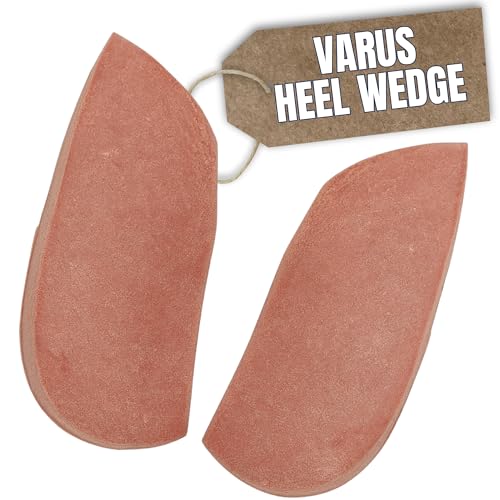
The Boxum Ski Varus Heel Wedges are the most specialized item in this list. They are designed for users interested in pronation and supination support, with a wedge placed under the heel area. A small change under the heel can alter how the foot feels inside the boot. That makes this type of product very different from a general cushion insole.
I would approach heel wedges with care because alignment changes affect the ankle, knee, hip, and lower back. The wedge must sit correctly and should not slide inside the boot. Begin with brief wear on level ground, then watch for pain, pressure, or a change in balance. If a clinician has advised a specific correction, follow that advice rather than selecting a wedge based only on a product description.
Pros:
- Targets users seeking supination or pronation support
- Small design can fit inside compatible work boots
- May help fine-tune heel positioning
- Useful for testing a focused support approach
- Can be used with a stable existing boot
- Lightweight compared with a new pair of boots
Cons:
- Not a universal fit for every foot or boot
- Incorrect placement may increase discomfort
- Should be introduced slowly and with care
- May not provide enough cushioning on its own
My Recommendation
The Boxum wedge is best for an informed buyer who understands heel wedges or has received guidance from a foot-care professional. I would not make it the first purchase for a person with unexplained foot pain. It may be useful for fine adjustment inside a supportive boot, but it needs careful fit and gradual use. Among the best work boots for supination accessories, this is the most targeted and the one that deserves the most caution.
How Supination Changes Work-Boot Comfort
Supination, also called underpronation, happens when the foot places more weight on its outer edge during a step. Some people naturally have this pattern. Others notice it more after an old injury, a rigid shoe, weak foot muscles, or a boot that does not fit well. The pattern is not always harmful, but it can increase stress on the outside of the foot and lower leg.
I look at the whole boot, not just the insole. A stable heel counter helps hold the rear of the foot. A broad outsole can feel more planted than a narrow one. Moderate cushioning can soften impact, while a flexible upper lets the foot move without harsh pressure.
The best work boots for supination should not force the foot into a strange position. Instead, they should provide a steady platform and enough room for natural movement. A boot that is too soft may let the foot wobble. A boot that is too stiff may make the outer edge feel worse. The right middle ground often wins.
What I Look For in Work Boots for Supination
Stable Heel and Firm Counter
I press the heel counter with my fingers. It should resist easy collapse and hold the heel without rubbing the Achilles tendon. A secure heel reduces sliding, which can make outward rolling feel more obvious. A padded collar can add comfort, but padding alone does not create real stability.
Wide, Balanced Outsole
A broad outsole gives the foot a larger base. This can feel reassuring on concrete, ladders, and uneven ground. I prefer a sole that sits flat and does not rock from side to side. A deep tread also matters when the job includes mud, oil, water, or loose gravel.
Comfortable Cushioning
Cushioning should soften impact without feeling like a soft mattress. Excessively soft foam may compress and lose support during the day. I prefer a layered footbed with a stable base and some surface comfort. Workers who stand for eight or more hours should test the boot with their normal work socks.
Enough Toe Room
Toes need room to spread and help balance the body. A narrow toe box can push the foot toward the outside and create pressure on the little toe. I want about a thumb’s width between the longest toe and the front of the boot. The foot should not slide forward when walking downhill.
Outsole Traction and Job Safety
Comfort cannot replace job protection. Check whether your employer requires a steel toe, composite toe, electrical hazard rating, puncture plate, or special slip rating. “Soft toe” boots may be comfortable, but they do not provide the same impact protection as approved safety-toe boots. Always match the boot to the actual hazard.
Removable Insoles
A removable footbed gives you more control. You can replace a flat factory insert with an arch-support model or an approved custom orthotic. This feature also helps drying and cleaning. Before adding an insert, make sure it does not lift your heel out of the boot or reduce toe room.
How to Fit the Best Work Boots for Supination
Shop later in the day when feet are naturally a little larger. Wear the socks you use for work. Try both boots and walk on a hard floor for several minutes. Your heel should stay in place, but your toes should move freely.
Check the outer edge of the boot after walking. If the foot immediately leans outward, the boot may not offer enough support or may have the wrong shape. If the arch presses hard into one spot, the footbed may not match your foot. A small amount of break-in is normal, but sharp pain is not.
When adding an insole, remove the factory insert first if possible. Put the replacement in and check the heel height. Make sure the laces still close without squeezing the top of your foot. I would wear the new setup for one hour, then two, before using it on a full shift.
Important Care and Safety Tips
Dry wet boots at room temperature. Direct heat can damage adhesives, leather, and synthetic materials. Remove the insoles after a wet shift so air can reach the inside. Clean the outsole often because packed mud can change traction and make the boot feel unstable.
Replace worn inserts when they flatten, crack, or shift. Inspect the outsole when the tread becomes smooth, especially at the outer heel. Uneven wear can tell you how your foot meets the ground, but it cannot diagnose a medical condition. Persistent pain, numbness, swelling, or repeated ankle sprains deserves professional care.
Do not use a general work boot when your employer requires certified protection. Confirm the product’s current safety claims, sizing, and return terms before ordering. Product details can change, and fit can vary between colors and sizes. I also suggest checking recent customer feedback for notes about width, break-in, and real-world traction.
Best For Comparison
| Best for | Why |
|---|---|
| Best complete orthopedic boot | Orthofeet Granite offers a dedicated orthopedic work-boot design with added ankle coverage. |
| Best heavy-duty insole | WalkHero and wmreie provide firm support for users who want to upgrade an existing boot. |
| Best focused heel support | Boxum Ski Varus Heel Wedges target heel positioning, but careful fitting is essential. |
FAQs Of Best Work Boots for Supination
What are the best work boots for supination?
The best pair has a stable heel, broad outsole, firm support, good cushioning, and enough toe room. Orthofeet Granite is the strongest complete boot choice in this guide. A supportive insole can also improve a suitable boot that already fits well.
Do arch-support insoles fix supination?
Usually, an insole does not “fix” supination on its own. It may improve comfort and help the foot feel more supported. A podiatrist or physical therapist can assess your gait and recommend a proper correction when needed.
Are soft-toe boots safe for construction work?
Only when the job allows them. Soft-toe boots do not offer the same impact and compression protection as certified safety-toe boots. Check your employer’s rules and the hazards at your worksite before buying.
Should I use a heel wedge for outward-rolling feet?
Use a heel wedge carefully. A wedge changes heel position and may affect the ankle, knee, and hip. Start slowly, and ask a foot-care professional for guidance if you have pain or a known alignment issue.
How long does it take to break in supportive work boots?
Many boots need several short wear sessions. Start at home for one hour, then increase use if the fit stays comfortable. Stop if you notice sharp pain, numbness, blisters, or worsening symptoms.
Final Verdict: Which Should You Buy?
Orthofeet Granite is my top complete boot pick for men who want orthopedic support. For an existing boot, WalkHero is the best simple upgrade, while Boxum is best only for careful, targeted heel support.
The best work boots for supination should feel stable, roomy, and safe for your job. Choose support that fits your foot, then confirm current product details and safety ratings before ordering.
Madison Clark is a footwear expert and the voice behind MyStyleGrid.com. She specializes in honest shoe reviews, style tips, and practical guides to help readers find the perfect pair for any occasion. With years of experience in blogging and content creation, Madison makes footwear knowledge simple, stylish, and easy to follow.