Yes, a skilled shoemaker can often make a shoe smaller, but results depend on its construction.
If your shoes slip, crease badly, or feel loose, a professional shoe repairer may be able to improve the fit. However, “smaller” can mean different things: shorter, narrower, lower in volume, or tighter around the heel. Understanding the shoe’s material and design will help you choose the safest fix and avoid wasting money.
Can a shoemaker make a shoe smaller?
Yes, a shoemaker can make a shoe smaller in some cases. The most successful changes usually reduce the shoe’s volume or width rather than its full length. A repair professional may alter the heel, add padding, adjust the tongue, or reshape certain parts of the upper.
Making a shoe truly shorter is much harder. A shoe’s sole, toe box, insole, and upper are built around a fixed last, which is the foot-shaped mold used during construction. Changing that structure can affect comfort, balance, appearance, and durability.
When someone asks, “Can a shoemaker make a shoe smaller?” the best answer depends on the exact problem:
• If your heel slips, the shoe may need heel grips or a heel counter adjustment.
• If the shoe feels too wide, a professional may add a full-length insole or use internal padding.
• If the shoe feels too long, the repair options are more limited.
• If the shoe is made of leather, careful reshaping may help more than it would with stiff synthetic materials.

What parts of a shoe can be altered?
A shoemaker can change several parts of a shoe. Each part affects fit in a different way, so a professional will usually inspect the shoe while you are wearing it.
Insoles and footbeds
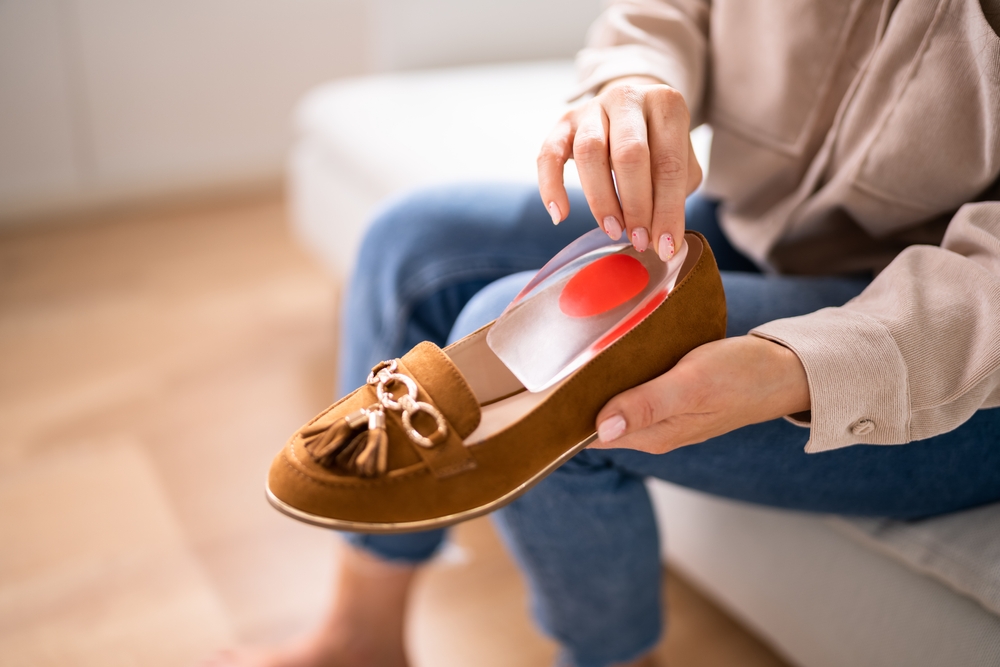
A thicker insole can take up extra space inside the shoe. This often makes a loose shoe feel smaller without changing its outer shape.
A full-length insole can help if the shoe feels loose under the arch or forefoot. A half-insole may work better in dress shoes because it leaves more room near the toes. Removable insoles are also useful because you can test the change before making a permanent alteration.
Heel area
Heel slipping is one of the most common reasons people think their shoes are too large. A shoemaker can install heel grips, add padding, or adjust the heel counter in some footwear.
These changes hold the heel in place while leaving the toe area comfortable. That is often better than using an extremely thick insole, which can crowd the toes.
Tongue and instep
A tongue pad can fill extra space above the foot. It works well in loafers, sneakers, boots, and lace-up shoes that feel loose across the instep.
The pad also helps stop the foot from sliding forward. This can make the shoe feel shorter, even though the outsole remains the same length.
Width and side panels
Some leather shoes can be narrowed through careful stitching or adjustment of side panels. This is more common with structured dress shoes than with soft mesh sneakers.
The repair may leave small changes in the stitching or shape. Ask the shoemaker to explain where the alteration will show before approving the work.
Can a shoemaker make a shoe smaller in length?
Making a shoe shorter in length is possible in limited situations, but it is not a routine repair. A shoemaker may be able to modify certain leather shoes, slippers, or simple fabric shoes. The result depends on the sole, toe shape, stitching, and internal construction.
Most professionals will not simply cut off the toe. That approach can ruin the shoe’s balance and leave the toes without enough space. It may also change the position of the ball of the foot, which should line up with the widest part of the shoe.
A skilled repairer may instead:
• Rebuild or reshape the toe area.
• Move a seam in a soft upper.
• Add internal material to stop forward movement.
• Replace or adjust the insole.
• Alter the heel fit so the shoe feels more secure.
These methods do not always make the shoe physically shorter. They make the shoe fit like a smaller shoe. That distinction matters because foot comfort depends on structure, not just the number printed inside the shoe.
If your toes already touch the front, do not ask a repairer to shorten the shoe. A tight toe box can contribute to blisters, nail pressure, corns, and other foot problems. Foot health experts generally recommend enough toe room for the toes to move naturally.

Which types of shoes are easiest to make smaller?
The material and construction have a major effect on the repair. When considering whether a shoemaker can make a shoe smaller, start by identifying the shoe type.
Leather shoes
Leather is often the easiest material to adjust. It can be stitched, reshaped, padded, or gently manipulated. High-quality leather dress shoes may respond well to small fitting changes.
Still, leather cannot be stretched back perfectly after every alteration. A large change may leave wrinkles or affect the shoe’s original shape.
Suede shoes
Suede can accept some fitting changes, but it may show marks from stitching or pressure. A repairer must work carefully because the surface can develop shiny spots or uneven texture.
Sneakers
Sneakers are often difficult to make smaller because they contain foam, mesh, rubber, glued layers, and molded parts. Insoles, tongue pads, heel grips, and thicker socks are usually safer solutions.
Boots
Boots can often be improved around the heel, ankle, and instep. A boot repair specialist may add a padded lining or adjust the shaft.
However, changing the length or toe shape of a boot can be complex. Waterproof membranes and molded soles may also limit the repair.
High heels
High heels require special care because the foot naturally slides forward. A thicker insole or a ball-of-foot pad can reduce movement, but too much padding can squeeze the toes.
A professional should check whether the heel height, arch support, and shoe shape match your foot. Making the shoe tighter is not always the same as making it safer.

How does a shoemaker make a shoe smaller?
A professional fitting usually starts with an inspection. Bring the socks or stockings you normally wear with the shoes. Walk on a hard floor and explain where the shoe feels loose.
The shoemaker may check:
• Heel movement while walking.
• Extra space above the foot.
• Width at the ball of the foot.
• Toe room and pressure points.
• Insole shape and thickness.
• Sole flexibility and shoe balance.
A good repairer should not promise a major size change without examining the shoe. If someone claims every shoe can be reduced by a full size, treat that as a warning sign.
The repair may involve one or more of these steps:
-
Add a test insole or temporary padding.
-
Check your walking comfort and toe movement.
-
Choose a permanent insert, pad, stitch, or structural adjustment.
-
Recheck the shoe after the repair.
-
Make small corrections if needed.
This gradual approach is useful because feet are not identical. One foot may be slightly longer or wider than the other, and a shoe that feels fine while standing may slip while walking.

How much can a shoemaker reduce a shoe size?
In many cases, a shoemaker can make a shoe feel about half a size smaller through padding, insoles, or heel adjustments. The exact amount is not guaranteed.
A full-size reduction is much less predictable. It may work for certain soft shoes, but it can create pressure, wrinkles, or poor balance. The shoe’s original size, shape, and materials matter more than a simple size chart.
You should also know that shoe sizes are not perfectly consistent. A men’s size 10 in one brand may fit differently from a men’s size 10 in another. Width, toe shape, arch position, and heel design can change the fit as much as length.
Instead of asking only, “Can a shoemaker make a shoe smaller?” ask, “Which part of the shoe is too large?” That question leads to a more accurate repair plan.

When should you avoid altering a shoe?
A repair may not be worthwhile if the shoe is dramatically too large or has the wrong shape for your foot. Shoes that are more than one full size too big often require too much padding to feel secure.
Avoid a major alteration when:
• Your toes already press against the front.
• The ball of your foot sits behind the shoe’s widest point.
• The sole is molded and cannot be rebuilt easily.
• The upper is cracked, brittle, or badly worn.
• The shoe has a waterproof or technical construction.
• The price of the repair is close to the cost of a better-fitting pair.
A poor fit can affect how you walk. You may grip with your toes, slide forward, or change your stride to keep the shoe on. Over time, that can cause soreness and uneven wear.
One practical lesson is simple: do not rely on thick socks to fix a shoe that is fundamentally the wrong shape. Socks can help with a small amount of extra room, but they cannot correct a misplaced toe box or a badly shaped heel.
Best temporary ways to make loose shoes fit smaller
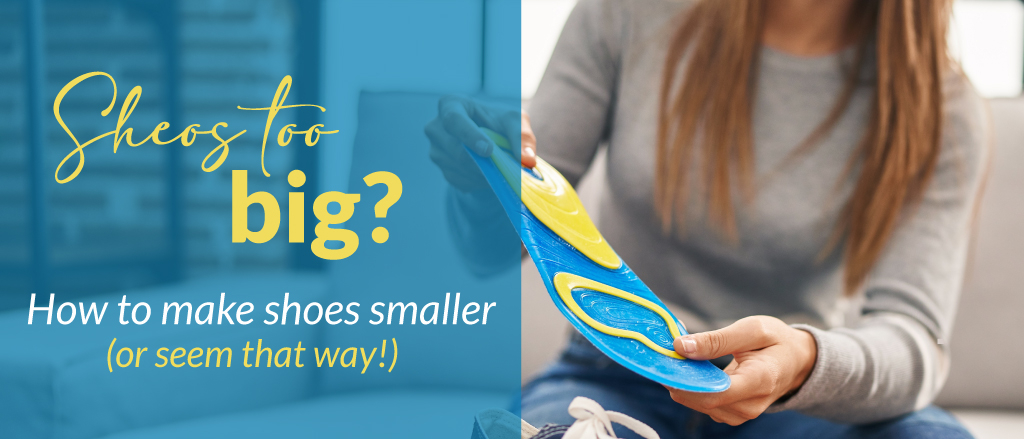
Before paying for permanent work, try a temporary solution. This lets you learn which part of the shoe needs adjustment.
Useful options include:
• Heel grips for slipping at the back.
• Tongue pads for extra space above the foot.
• Full insoles for general looseness.
• Ball-of-foot pads when the foot slides forward.
• Thicker socks for casual shoes and boots.
• Lacing changes for sneakers and lace-up shoes.
Test one change at a time. If you add a thick insole and a large tongue pad together, you may create pressure over the top of the foot.
Walk indoors for several minutes. Check for numbness, toe crowding, heel rubbing, or pressure over the instep. If any of these appear, remove the insert and try a smaller adjustment.
What does a shoemaker charge to make a shoe smaller?
The cost varies by location, shoe type, materials, and repair method. Simple heel grips, pads, or replacement insoles are usually less expensive than structural changes.
Ask for an estimate before the work begins. A reliable shoemaker should explain:
• What will be changed.
• How visible the alteration may be.
• How long the repair will take.
• Whether the change can be reversed.
• What happens if the fit is still not right.
High-end leather shoes may justify a more advanced repair. Low-cost shoes may not. Compare the repair price with the value, comfort, and expected life of the shoe.
It is also wise to ask whether the repair affects a manufacturer warranty. Some brands do not cover shoes that have been modified.

How to prepare for a shoemaker visit
A little preparation can improve the result. Wear the shoes around your home first and note exactly when they feel loose.
Bring:
• The shoes in clean condition.
• Your usual socks or inserts.
• Any removable insoles.
• A clear description of the problem.
• Photos of rubbing or pressure marks, if useful.
Tell the shoemaker whether the shoe slips only while walking, feels loose on both feet, or causes pressure in one area. These details help separate a length problem from a width or volume problem.
Do not ask for “the smallest possible fit.” Ask for a secure fit that still allows your toes to move. Comfort and foot health should guide the repair.
Common mistakes when making shoes smaller
Many fitting problems come from trying to solve the wrong issue. For example, a person may add a large insole when the real problem is heel slippage. This can push the toes into the front of the shoe.
Other common mistakes include:
• Cutting an insole without testing it first.
• Using several thick pads at once.
• Ignoring pain because the shoe looks attractive.
• Washing leather or suede in an attempt to shrink it.
• Applying heat to synthetic shoes.
• Assuming shoes will shrink evenly.
Water and heat can damage adhesives, leather fibers, dyes, and foam. They may also shrink one part of the shoe more than another. Professional alteration is safer because the repairer can control the change.
A useful rule from traditional shoe fitting is that the shoe should support the foot without forcing it into a new shape. The goal is a stable fit, not a compressed foot.
Frequently Asked Questions About Can a Shoemaker Make a Shoe Smaller
Can a shoemaker make a shoe half a size smaller?
Yes, a shoemaker can often make a shoe feel about half a size smaller with an insole, heel grip, tongue pad, or small structural adjustment. The best option depends on where the extra space is located.
Can a shoemaker make a shoe one full size smaller?
Sometimes, but the result is not guaranteed. A full-size reduction may affect comfort, balance, and appearance, so buying the correct size is often better when possible.
Can leather shoes be made smaller?
Leather shoes are usually among the easiest shoes to adjust. A professional may add padding, alter stitching, reshape the upper, or fit a thicker insole.
Can a shoemaker make sneakers smaller?
A shoemaker can often improve the fit of sneakers with insoles, heel grips, or tongue pads. Fully reducing the sneaker’s length is difficult because sneakers use molded foam, mesh, rubber, and glued parts.
Is it better to use inserts or visit a shoemaker?
Inserts work well for a small amount of extra room and are easy to remove. Visit a shoemaker when the shoe slips badly, needs stitching, or requires a change that an insert cannot provide.
Can shrinking shoes damage them?
Yes, water, heat, and home shrinking methods can damage leather, adhesives, foam, and synthetic materials. Professional alterations are more controlled and usually safer.
Conclusion
A shoemaker can make many shoes feel smaller, especially by reducing extra volume around the heel, instep, or footbed. Insoles, tongue pads, heel grips, and careful stitching can solve mild looseness, while major length changes are limited and less predictable.
The best repair starts with identifying the real problem. Bring the shoes to a trusted professional, wear your normal socks, and ask for a fitting assessment before approving the work. If the shoe is badly oversized or has the wrong shape, replacing it may be healthier and more affordable.
Have a pair that feels too loose? Test a simple removable insert first, then speak with a local shoemaker for a safe, customized solution.

Rubel Miah is the Senior Editor at MyStyleGrid.com, where he brings a sharp editorial eye and an unshakable love for fashion to everything he does. A true style addict, Rubel lives and breathes trends, from streetwear to high fashion, and has a knack for turning inspiration into impactful stories. With years of experience in fashion journalism and digital media, he curates content that empowers readers to express themselves through style. When he’s not editing features or forecasting the next big thing, you’ll find him hunting down vintage pieces or capturing street style moments around the city.