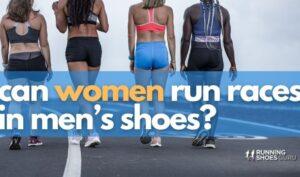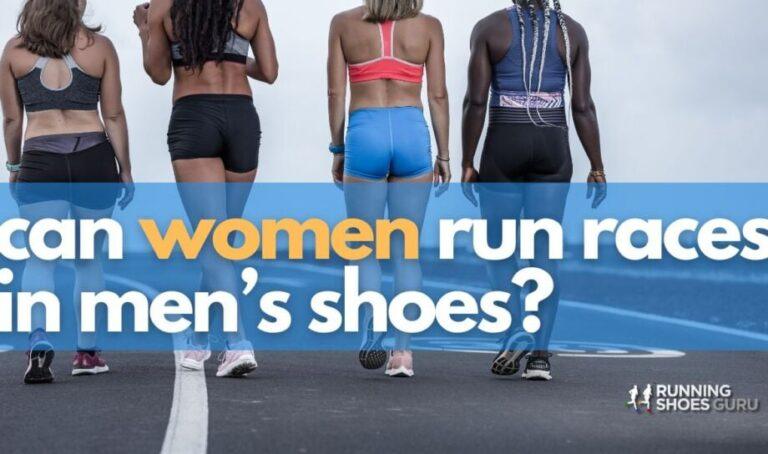
Yes, a woman can wear men’s running shoes if they fit well and support her feet comfortably.
The question “can a woman wear men’s running shoes” has a simple answer, but finding the right pair takes more care. Men’s and women’s shoes often differ in width, shape, and cushioning, yet those labels are only starting points. Your foot shape, running style, and comfort matter far more than the gender label on the box.
Can a Woman Wear Men’s Running Shoes?
Yes, a woman can wear men’s running shoes for walking, training, or running. Running shoes are not restricted by gender, and many women find a better fit in men’s models.
The main issue is not the shoe’s label. It is how the shoe fits your foot. A good running shoe should hold your heel, give your toes room, and feel stable when your foot lands.
Men’s running shoes are often built on a slightly wider and longer shape. They may also use different foam densities or support designs. However, these differences vary by brand and model.
A woman with a wider foot may feel more comfortable in men’s running shoes. A woman with a narrow heel may find that some men’s shoes slip, even when the length feels right.

How Men’s and Women’s Running Shoes Differ
Men’s and women’s running shoes are not always completely different. Many models share the same basic technology, such as foam cushioning, rubber outsoles, and breathable mesh uppers.
Still, brands often adjust the shape and construction for average foot differences.
Common differences in shoe design
Men’s running shoes may have:
• A wider overall fit
• A longer internal shape
• A broader heel or midfoot
• Slightly different cushioning levels
• A heavier build in some models
Women’s running shoes may have:
• A narrower heel
• A relatively wider forefoot
• A lighter upper
• Different cushioning or foam tuning
• A women-specific shape, called a last
These are general patterns, not strict rules. Feet vary widely among women and men. Some women have broad feet, while some men have narrow feet.
The best shoe is the one that matches your measurements. A gender label cannot tell you everything about comfort, support, or performance.

Why a Woman Might Choose Men’s Running Shoes
There are several practical reasons a woman may prefer men’s running shoes. The most common reason is that women’s shoes may feel too narrow or tight.
If your toes spread naturally while you run, a wider men’s shoe may reduce pressure. This can be useful for people with bunions, swelling, high-volume feet, or a broad forefoot.
A woman may also choose a men’s shoe because:
• The model is available in her preferred color or style
• The men’s version has a wider fit
• The shoe offers more room for thick socks
• The men’s model is easier to find in her size
• The price or sale selection is better
• The shoe provides the cushioning she prefers
• The shoe works well with custom orthotics
Some women also like the firmer feel of a men’s running shoe. A firmer midsole can feel more stable, although firm does not always mean better. Comfort and control should guide the choice.
A common fitting lesson is this: never reject a shoe because of its category before trying it on. I have seen runners focus on the label, then miss the pair that actually fits their feet best.

How to Convert Women’s and Men’s Shoe Sizes
US shoe sizing is usually different between men’s and women’s shoes. In many brands, a women’s size is about 1.5 sizes larger than the equivalent men’s size.
For example:
• Women’s US 8 may equal men’s US 6.5
• Women’s US 9 may equal men’s US 7.5
• Women’s US 10 may equal men’s US 8.5
This conversion is only a starting point. Brands use different lasts, sizing systems, and width standards. A men’s 7.5 in one brand may not feel the same as a men’s 7.5 in another.
Always check the brand’s size chart. Measure both feet at the end of the day, when feet are often slightly larger. Use the larger foot to guide your size choice.
Do not convert only by number. Compare the shoe’s actual length and width. If possible, try both shoes with the socks and inserts you plan to use for running.
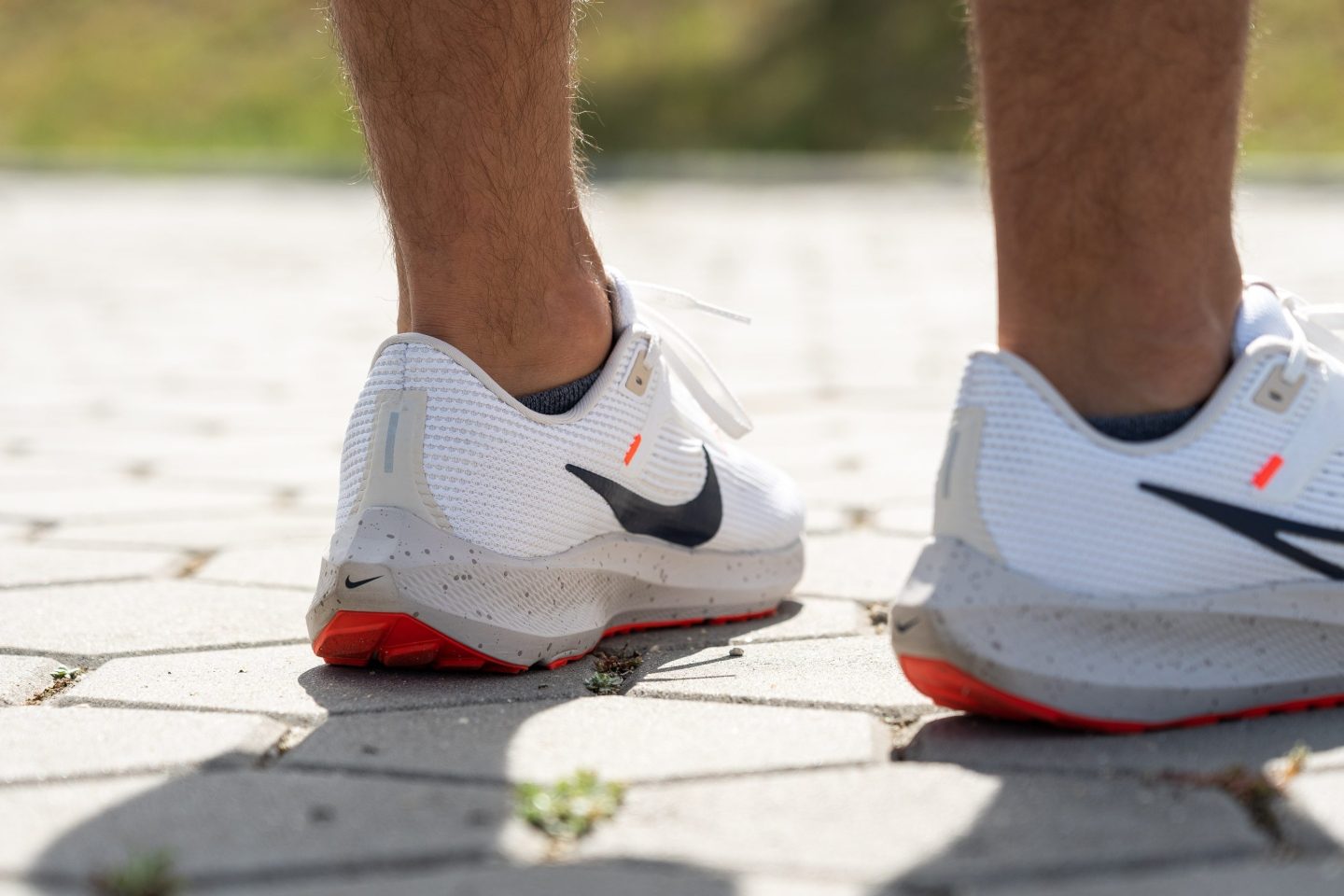
How to Tell If Men’s Running Shoes Fit Correctly
Fit matters more than the shoe category. When a woman wears men’s running shoes, she should check the same key areas as any runner.
Check the toe box
You should have about a thumb’s width between your longest toe and the front of the shoe. Your toes should be able to move without touching the upper.
Too little space can cause:
• Black toenails
• Blisters
• Numbness
• Toe pain
• Pressure on bunions
Too much space can make your foot slide forward. That can reduce control and create friction.
Check the heel
Your heel should stay in place when you walk and jog. A small amount of movement is normal, but repeated slipping is a warning sign.
Try the runner’s knot if the heel feels loose. This lacing method uses the top eyelets to create a more secure hold. If your heel still slips, the shoe may have the wrong shape for your foot.
Check the midfoot
The laces should hold your foot without creating pressure across the top. If you must tighten them fully to stop your foot from moving, the shoe may be too wide or too high-volume.
Test the shoe in motion
Walk, jog, bend, and turn in the shoes. Pay attention to rubbing, pressure, and foot movement.
A shoe can feel fine while standing but uncomfortable after 20 minutes. If you are buying online, use a retailer with a clear return policy and test the shoes indoors first.
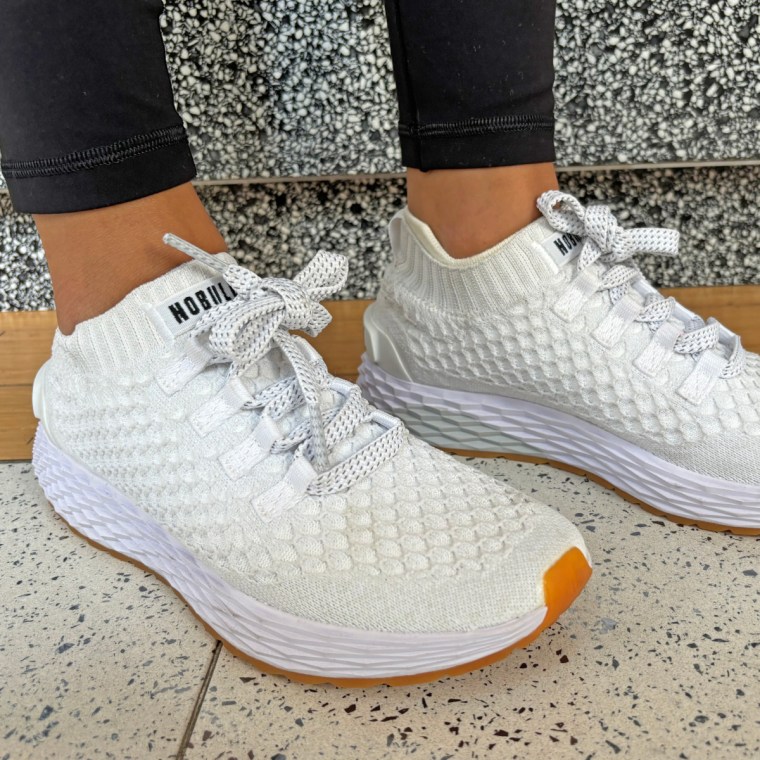
Benefits of Wearing Men’s Running Shoes
Choosing men’s running shoes can offer real benefits when the shape matches your feet.
More forefoot room
Many men’s models provide extra width through the forefoot. This may help women who feel squeezed in standard women’s shoes.
Better comfort for wide feet
Some women have wide feet but cannot find enough width in women’s models. A men’s shoe may provide a more natural fit without needing an unusually large size.
More choices
Popular running shoe lines often have many men’s and women’s versions. The men’s range may offer different colors, widths, or stock availability.
Useful for orthotics
Some men’s running shoes have a roomier interior. That extra volume can help accommodate custom orthotics or thicker insoles.
A different ride
The men’s version may feel firmer, softer, or more structured than the women’s version. This difference can suit your stride, body weight, or personal preference.
The benefit comes from the fit and design, not from the shoe being labeled “men’s.” A well-fitting shoe can improve comfort, while a poorly fitting shoe can cause problems in any category.
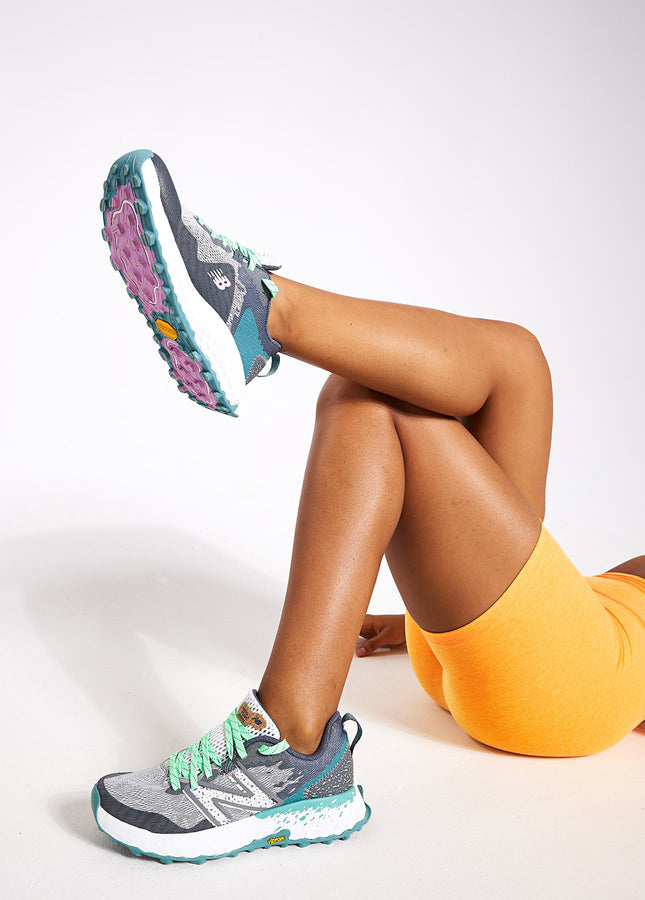
Possible Problems With Men’s Running Shoes
Although a woman can wear men’s running shoes, every pair will not work well. The most common issue is a loose heel combined with a wide midfoot.
A poor fit may lead to:
• Heel blisters
• Foot sliding
• Ankle rubbing
• Reduced stability
• Numb toes
• Arch discomfort
• Knee or hip irritation caused by altered movement
A men’s shoe may also feel too heavy for some runners. Weight differences are often small, but they can matter during speed work, racing, or long runs.
Another issue is assuming that more room is always better. Your toes need space, but your entire foot should not move inside the shoe. Think of the shoe as a secure boat: your foot needs room to spread, but it should not slide from side to side.
If pain continues after changing shoes, stop running and seek advice from a podiatrist, physical therapist, or qualified running specialist. Shoes cannot correct every foot or movement problem.

How to Choose the Best Men’s Running Shoes as a Woman
Use a simple fitting process before buying.
- Measure both feet while standing.
- Shop later in the day.
- Wear your usual running socks.
- Compare the shoe’s length and width with your measurements.
- Leave about a thumb’s width in front of your longest toe.
- Check that your heel stays secure.
- Walk and jog before deciding.
- Test the shoes gradually on your first few runs.
Look for the shoe type that suits your activity:
• Daily trainers for regular road running
• Lightweight shoes for speed sessions
• Trail shoes for uneven outdoor surfaces
• Stability shoes for runners who need specific guidance
• Cushioned shoes for a softer underfoot feel
• Neutral shoes for runners who do not need added support
Do not choose a stability shoe only because you are wearing a men’s model. Motion control should come from a professional assessment or a proven need, not from the shoe’s gender category.
Replace running shoes when the cushioning feels flat, the outsole is badly worn, or discomfort appears without another clear cause. Mileage varies, but many running shoes last roughly 300 to 500 miles. Your body and the shoe’s condition matter more than a fixed number.
Men’s Running Shoe Widths and Fit Options
Width is one of the most important reasons women consider men’s running shoes. A standard men’s shoe may be wider than a standard women’s shoe, but width labels are not identical across brands.
Common width terms include:
• Narrow
• Standard
• Wide
• Extra wide
In the US, the same letter can mean different things in men’s and women’s sizing. For example, a standard men’s width is often labeled D, while a standard women’s width is often labeled B.
This does not mean every men’s shoe will fit a wide-footed woman. The shape of the toe box, heel, and arch also matters.
If a shoe feels tight only at the toes, try a wider version rather than sizing up. Sizing up increases length and may cause heel movement. A wider shoe keeps the length closer to what your foot needs.
Can Men’s Running Shoes Affect Running Form?
A shoe can influence how your foot moves, but the effect depends on its structure and your individual body. The gender label itself does not change your running form.
A shoe that is too wide may let your foot move inside the upper. A shoe that is too narrow may restrict natural toe movement. Both problems can make your stride feel less smooth.
Running shoe research shows that comfort is a useful factor when selecting footwear. If a shoe feels comfortable and secure, you are more likely to move naturally in it.
However, comfort does not replace medical care. If you have recurring pain, swelling, numbness, or an injury, consult a qualified health professional. A shoe fitting can help, but it cannot diagnose a condition.
A Practical Example
Imagine a woman who normally wears a women’s US 9.5. Her toes feel cramped in several standard women’s running shoes, but her heel feels secure.
She tries a men’s US 8. The length is similar, but the forefoot gives her more room. After walking and running in the shoes, she notices no heel slip, rubbing, or pressure.
In this case, the men’s shoe may be the better choice. The decision is based on fit, not on whether the box says men’s or women’s.
Now imagine another runner with narrow heels. She tries the same men’s shoe, but her heel lifts with every step. Even if the toe area feels comfortable, that shoe is not a good match. She may need a women’s model, a narrow width, or a different brand shape.
Mistakes to Avoid When Buying Men’s Running Shoes
Many shoe problems begin with a rushed purchase. Avoid these common mistakes:
• Choosing a size by conversion alone
• Buying shoes that feel tight because they may “break in”
• Ignoring heel movement
• Testing only one foot
• Running outdoors before checking the return policy
• Picking a shoe only because it looks stylish
• Assuming more cushioning is always better
• Changing to a new shoe right before a race
• Ignoring pain that gets worse during a run
Running shoes may soften slightly, but they should feel comfortable from the start. They should not require painful break-in time.
One lesson worth remembering is to shop for function first. A great color cannot fix a cramped toe box, loose heel, or painful arch.
Frequently Asked Questions About Can a Woman Wear Men’s Running Shoes
Can a woman wear men’s running shoes for long-distance running?
Yes, a woman can wear men’s running shoes for long-distance running if they fit securely and feel comfortable. Test them on shorter runs first to check for rubbing, pressure, or foot movement.
Are men’s running shoes wider than women’s shoes?
Men’s running shoes are often wider in the heel and midfoot, but this varies by brand and model. Check the listed width and try the shoes on instead of relying only on the gender label.
Can a woman wear men’s running shoes for walking?
Yes, men’s running shoes can work well for walking. Choose a pair with comfortable cushioning, a secure heel, and enough toe space for your usual walking distance.
Is a men’s shoe the same as a women’s shoe in a different size?
Not always. Men’s and women’s versions may use different lasts, widths, cushioning, and upper designs, even when they belong to the same shoe family.
How do women’s and men’s running shoe sizes convert?
A common US conversion is to subtract about 1.5 from a women’s size. For example, a women’s 9 may be close to a men’s 7.5, but brand charts should always guide the final choice.
Can men’s running shoes help women with wide feet?
They can, especially when the men’s model offers the right forefoot width and heel security. A women’s wide or extra-wide shoe may also be a better option, so compare several fits.
Should a woman choose men’s running shoes if she has a narrow heel?
Not necessarily. Some men’s shoes may feel loose around a narrow heel, which can cause slipping and blisters. Look for a secure heel counter, a narrow option, or a women’s model with more suitable shaping.
Conclusion
A woman can wear men’s running shoes when the length, width, heel fit, cushioning, and support suit her feet. Men’s models may be helpful for women who need more forefoot room, extra volume, or a different underfoot feel.
Do not choose by gender label alone. Measure your feet, test the shoes in motion, and pay attention to comfort from the first step. Try a few well-fitting options, use the retailer’s return policy, and choose the pair that helps you move with confidence.

Madison Clark is a footwear expert and the voice behind MyStyleGrid.com. She specializes in honest shoe reviews, style tips, and practical guides to help readers find the perfect pair for any occasion. With years of experience in blogging and content creation, Madison makes footwear knowledge simple, stylish, and easy to follow.