
Are your Rothy’s clogs looking a little worse for wear? You might be wondering if you can wash them without ruining their shape or color.
I’ve cleaned my own pair many times, and the right method makes all the difference. If you love your clogs for everyday wear, a simple care routine keeps them fresh, comfy, and good-looking. Below, I’ll share how I wash my Rothy’s clogs, what to avoid, and the exact products that work—so you can clean with confidence and protect your investment.
Ready to learn the best cleaning tips that will make your shoes look brand new? Keep reading!
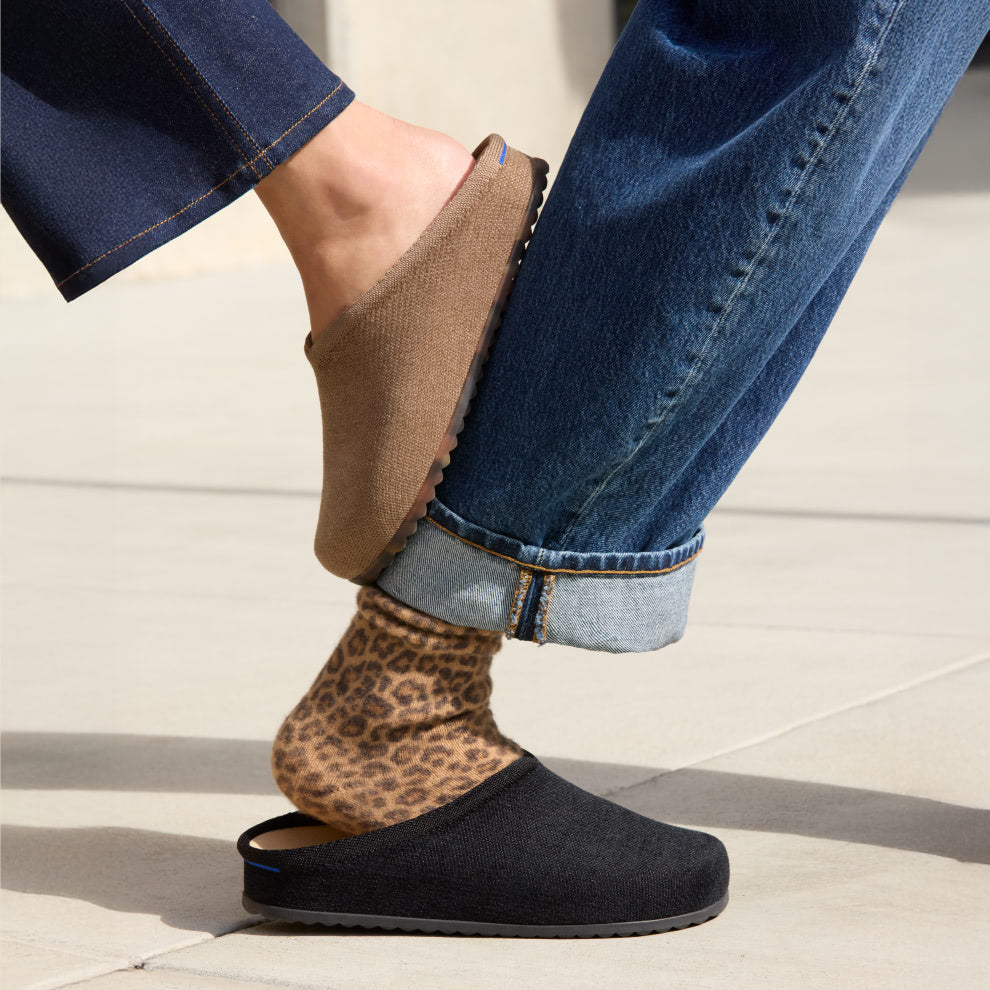
<p class="wp-block-paragraph">Credit: rothys.com </p>
Rothys Clogs Material
Rothys clogs stand out because of their special materials. They use a unique blend that feels light and comfortable. The materials also help the shoes last longer. Knowing what makes these clogs special helps you care for them better. Proper care keeps the shoes looking fresh and new.
What Makes Rothys Unique
Rothys clogs are made from recycled plastic bottles. This eco-friendly material shapes the shoe’s fabric. It is soft but strong at the same time. The knit fabric allows your feet to breathe. The sole is flexible and gives good support. All parts work together to give comfort and style.
From my experience, the 3D-knit upper is the star. It hugs your foot yet bounces back after wear. The outsoles are sturdy, and the insoles feel cushioned. Together, they create a durable, everyday shoe that still looks sleek.
Material Care Tips
Cleaning Rothys clogs is simple but needs care. Use cold water and mild soap for washing. Avoid hot water as it can damage the fabric. Let the shoes air dry naturally. Do not put them in the dryer or near heat. Regular gentle cleaning keeps the material looking good. Store clogs in a cool, dry place to maintain shape.
Extra tip I use: spot test first. Dab a tiny bit of your soap solution on a hidden area. Wait a few minutes. If there’s no color shift, proceed. This simple step helps protect bright or darker shades.

<p class="wp-block-paragraph">Credit: rothys.com </p>
Washing Rothys Clogs
Washing Rothys clogs keeps them looking fresh and extends their life. These shoes combine style with comfort, so cleaning them right matters. Using proper methods helps avoid damage and keeps the material in good shape.
Rothys clogs have unique fabric and soles. They need gentle care to stay soft and strong. Knowing how to wash them safely is key.
Can You Machine Wash Them?
Machine washing Rothys clogs is not recommended. The machine’s harsh cycles can hurt the fabric and shape. Water and heat may also weaken glue and stitching. Hand washing is safer and protects your shoes better.
Many Rothy’s styles are known for being machine washable, but clogs are an exception in my routine. I stick with hand washing because it keeps the knit tight and the silhouette crisp. If you ever see guidance on a specific product page that says otherwise, default to cold water, a delicate cycle, and a mesh bag—but for clogs, I still suggest hand wash only.
Hand Washing Method
Use a soft brush or cloth to remove dirt gently. Mix mild soap with warm water for cleaning. Dip the cloth in the solution and wipe the surface carefully. Avoid soaking the clogs to keep the shape intact. Rinse the cloth and wipe off any soap. Repeat if needed but keep it light and gentle.
- Prep: Remove any loose debris with a soft brush. Take out removable insoles if your pair has them.
- Mix: Add a few drops of gentle detergent to a bowl of cold water.
- Clean: Wipe the upper in small circles. Focus on stains. Keep the shoe damp, not drenched.
- Outsoles: Use a damp cloth or soft brush. For scuffs, a light touch with a melamine sponge on the outsole only works well.
- Rinse: Wipe with a clean, damp cloth to remove soap.
Drying Techniques
Air dry Rothys clogs in a cool, shaded place. Avoid direct sunlight as it can fade colors and damage materials. Do not use a dryer or heater. Stuff the inside with paper towels to keep shape and absorb moisture. Let the clogs dry completely before wearing again.
My go-to trick: stuff them with a clean microfiber cloth and swap it once after an hour. It speeds up drying and helps the toe box keep its form. Expect 12–24 hours of dry time, depending on humidity.
Cleaning Products To Use
Choosing the right cleaning products is key to keeping your Rothy’s clogs fresh and lasting longer. Using the proper detergents protects the material and color. Some products can damage the shoes or make stains worse.
Here are the best cleaning products to use on Rothy’s clogs to keep them safe and clean.
Safe Detergents
Use mild, gentle detergents for washing Rothy’s clogs. Look for products labeled “free of dyes and perfumes.” These detergents clean without harming the fabric. A small amount of liquid dish soap or gentle laundry detergent works well. Avoid powders that may not dissolve fully and leave residue.
- Unscented gentle laundry detergent (“free & clear”)
- Mild dish soap for oily spots
- A small amount of white vinegar diluted in water for salt stains (1:3 ratio)
Tools that help: a soft microfiber cloth, a soft-bristle brush (like a sneaker brush), cotton swabs for tight spots, and a mesh bag for storing insoles while they air dry.
Avoiding Harsh Chemicals
Steer clear of bleach, ammonia, and strong stain removers. These chemicals can weaken the shoe material. They may cause fading or rough texture. Harsh chemicals also affect the shoe’s shape and fit. Stick to mild soaps and water for cleaning.
Also avoid high heat, steamers, and dryer cycles. Heat can warp the knit, loosen adhesives, and alter fit.
Maintaining Clog Shape
Maintaining the shape of your Rothy’s clogs keeps them looking fresh and comfortable. Proper care helps avoid bending or creasing. Shape matters for both style and fit. Protecting the clog’s structure extends their life and keeps your feet happy.
Preventing Deformation
Avoid squeezing or bending your clogs too much. Tight spaces can change their shape. Wear them on flat surfaces to keep balance. After washing, stuff the clogs with paper towels. This helps keep their form while drying. Do not use heat to dry, as it can warp the material.
On trips, I pack them with soft socks inside and place them along the suitcase wall. This stops pressure on the toe box and helps them arrive in shape.
Storage Tips
Store your clogs in a cool, dry place. Avoid stacking heavy items on top of them. Use shoe trees or stuff them with soft cloth. This prevents collapsing or misshaping. Keep them away from direct sunlight to avoid fading. Proper storage helps maintain their original shape over time.
If they feel a bit loose after many wears, a light re-stuff and overnight rest can bring back structure.
Dealing With Stains And Odors
Rothys clogs are stylish and comfortable. Over time, they can collect dirt and odors from daily wear. Keeping them clean helps maintain their look and smell. Stains and smells can make your clogs less pleasant to wear. Simple care steps can remove tough stains and keep clogs fresh for longer.
Removing Tough Stains
Start by brushing off loose dirt gently. Use a soft cloth dampened with mild soap and water. Rub the stained area softly in a circular motion. Avoid soaking the clogs as it can damage the material. For stubborn stains, mix baking soda and water into a paste. Apply the paste on the stain and let it sit for 10 minutes. Wipe off with a clean, damp cloth. Repeat if necessary but be gentle to avoid wear.
- Oil/grease: A drop of dish soap cuts through residue fast.
- Mud: Let it dry, then brush it off before wiping.
- Salt or winter stains: Use a 1:3 white vinegar-to-water mix. Wipe, then follow with a damp cloth.
- Food dye or wine: Blot, don’t rub. Clean with mild soap and cold water right away.
Keeping Clogs Fresh
Air out your clogs after each use to reduce odor. Place them in a dry, well-ventilated area. Use baking soda inside the clogs overnight to absorb smells. Shake out the powder before wearing. Avoid storing clogs in damp or closed spaces. Clean the insoles regularly with mild soap. Let the insoles dry completely before putting them back. These steps help your clogs stay fresh and comfortable daily.
My weekly refresh: tap out any dust, wipe the footbed with a damp cloth, and let them air for the evening. It takes minutes and keeps odors away.
When To Replace Your Rothys
Knowing when to replace your Rothy’s clogs helps keep your feet comfortable. These shoes last long, but signs show when they need a swap. Paying attention to their condition saves you from discomfort and injury.
Signs Of Wear
Look for worn soles that lose grip or become smooth. Check for holes or tears in the fabric. Notice if the shoes feel loose or no longer support your feet well. Fading color and stretched shape also mean it’s time for new clogs.
Also watch for midsole flattening, heel slippage that was not there before, or persistent odor that returns right after cleaning. These are good cues that it’s time for a fresh pair.
Recycling Options
Rothy’s offers a recycling program for old shoes. You can send back clogs that no longer work for you. The brand turns them into new products, reducing waste. Recycling helps the environment and supports sustainable fashion.
As a bonus, recycling keeps microplastics out of landfills and gives your well-loved clogs a second life. It’s a simple, eco-friendly finish to their journey.

<p class="wp-block-paragraph">Credit: rothys.com </p>
Frequently Asked Questions
Can You Machine Wash Rothy’s Clogs?
No, Rothy’s clogs should not be machine washed. Hand washing with mild soap and cold water preserves their shape and color. Avoid harsh detergents to maintain durability and appearance.
If you’re tempted to try a machine, remember: agitation and heat can stretch the knit and change fit. I stick with a quick hand wash—it’s faster than a full laundry cycle and safer for the shoe.
How Do You Clean Rothy’s Clogs Effectively?
Use a soft cloth or brush with mild soap and cold water. Gently scrub the surface to remove dirt. Let them air dry away from direct sunlight to avoid damage.
For the outsoles, a damp cloth or gentle brush works well. For the insoles, wipe with a mild soap solution, then air dry fully before wearing again.
Can Rothy’s Clogs Shrink After Washing?
Proper cleaning won’t cause shrinking. Avoid hot water or heat sources, as they can deform the material. Always air dry naturally to maintain fit and comfort.
If a pair feels snug after drying, wear them indoors for an hour to let the knit relax again.
How Often Should You Wash Rothy’s Clogs?
Wash them when visibly dirty or after heavy use. Frequent cleaning may wear down the fabric. Regular light cleaning helps maintain freshness and prolongs their lifespan.
My rule: spot clean weekly, deep clean monthly (or sooner if they see rain, mud, or a busy travel week).
Can I use stain-remover pens or sprays?
I avoid strong stain removers on the knit. Most pens contain solvents that can fade color. Stick to mild soap, baking soda paste, or a diluted vinegar mix for salt stains.
How long do Rothy’s clogs take to dry?
Usually 12–24 hours at room temperature. Speed things up by stuffing them with paper towels or a microfiber cloth, then replacing once as they get damp.
What if my clogs develop fuzz or pilling?
Light pilling can happen with knit fabrics. Use a fabric shaver very gently on the surface (avoid seams) to smooth it out. Then brush with a soft brush to blend the knit.
Conclusion
Rothys clogs can be cleaned safely with care. Use gentle soap and cold water. Avoid harsh scrubbing or machine washing. Let them air dry naturally, away from heat. This keeps the clogs looking fresh and lasts longer. Regular cleaning helps maintain their comfort and style.
Simple steps protect your investment and keep your shoes ready. Clean clogs, happy feet—easy to do and worth it.

Madison Clark is a footwear expert and the voice behind MyStyleGrid.com. She specializes in honest shoe reviews, style tips, and practical guides to help readers find the perfect pair for any occasion. With years of experience in blogging and content creation, Madison makes footwear knowledge simple, stylish, and easy to follow.