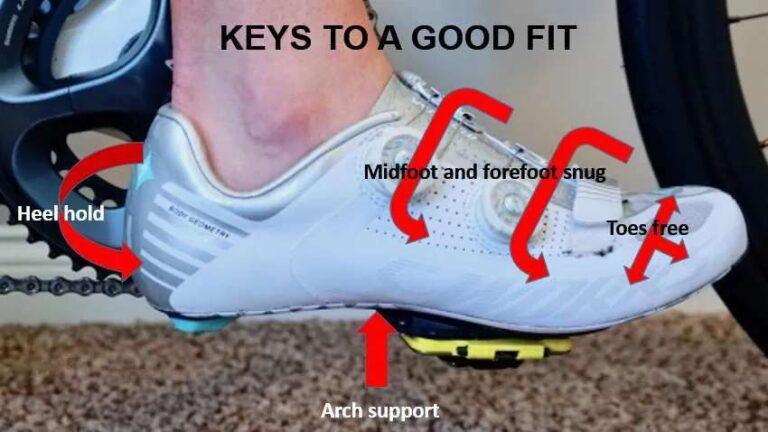
Bike shoes should fit snugly across the midfoot with a little toe wiggle and no hot spots.
I’ve spent years fitting riders and testing shoes, so I know exactly how should bike shoes fit for performance and comfort. This guide walks you through fit basics, step-by-step checks, common problems, cleat setup, and real-world tips to help you feel efficient and pain-free on every ride. Read on to learn practical, expert-backed advice you can use today.
Why fit matters for comfort and power
A good fit keeps your foot stable. It helps you transfer power to the pedal. Poor fit causes pain, numbness, blisters, and wasted energy.
How should bike shoes fit affects pedaling efficiency and foot health. A shoe that is too tight kills comfort. A shoe that is too loose wastes power and can cause heel lift. Proper fit reduces injury risk and makes long rides enjoyable.
How should bike shoes fit: a clear fit checklist
Use this checklist when you try shoes on or adjust them.
- Length: Your longest toe should sit about a thumb’s width from the toe box. This prevents toes from hitting the front during descents.
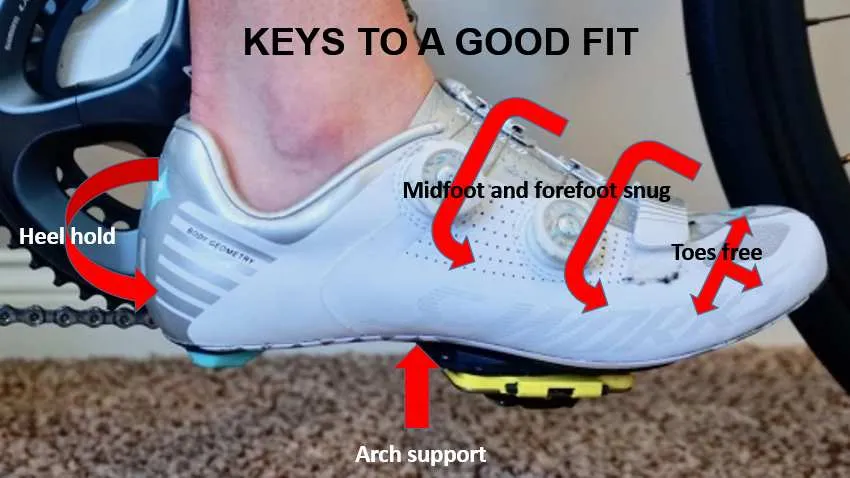
- Width: The shoe should feel snug across the ball of the foot but not crushed. You should feel support, not squeeze.
- Heel cup: The heel should lock in with minimal lift. If the heel slips, tighten the strap or try a different size.
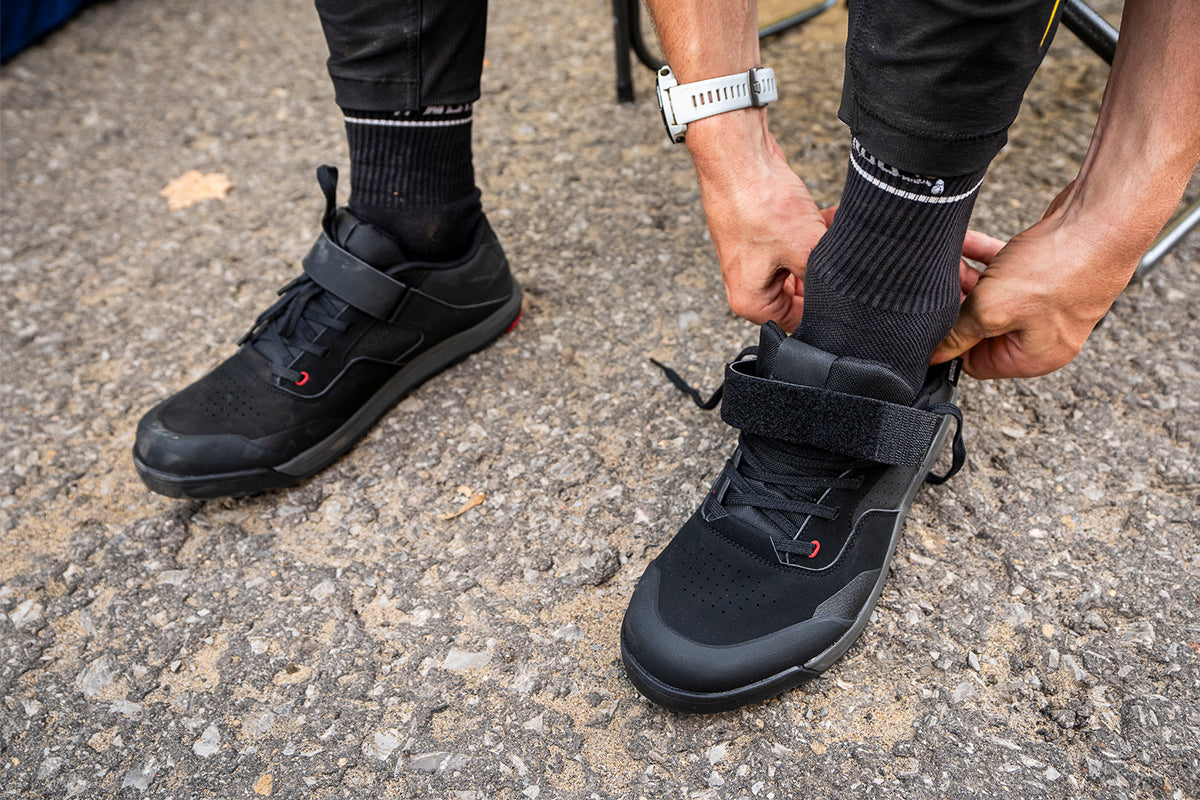
- Midfoot closure: Straps, BOA dials, or laces should hold the midfoot firmly. No gaps or pressure points.
- Arch support: The shoe should support your arch; add an insole if needed for comfort and alignment.
- Toe wiggle: You should have slight toe wiggle. No cramping and no dead space that lets the foot slide.
- Cleat space: Shoes should allow correct cleat placement without the toes hitting the shoe edge.
When you test shoes, stand, walk a few steps, and pedal on a trainer if possible. Ask yourself again: how should bike shoes fit? They should feel stable, balanced, and natural.

How should bike shoes fit: step-by-step fitting process
Follow these steps at home or in the shop.
- Measure your feet late in the day when they are slightly swollen. Use a Brannock-type method or measure length and width on paper.
- Try shoes on with the same socks you’ll ride in. Thin cycling socks change fit compared to thick socks.
- Fasten closures as you would on a ride. Tighten BOA or straps to a secure but comfortable level.
- Stand, walk, and mimic pedal pressure by pushing your foot down. Feel for hot spots, heel slip, or toe pressure.
- If possible, pedal on a trainer for 10 minutes to test comfort under load. Adjust closures and cleat position.
From my experience fitting many riders, small changes in closure tension and sock thickness make a big difference. If a shoe feels wrong in the store, it will often feel worse on a long ride.

Real-world fit tip from my experience
I once recommended a half-size up for a rider who had numb toes on climbs. After switching and adjusting cleats, their comfort and power improved. Small tweaks like that matter.
Common fit problems and practical fixes
Knowing common issues helps you troubleshoot quickly.
- Numb toes: Often from tight toe box or excess pressure on the forefoot. Try a wider model, a different insole, or loosen closures near the toes.
- Hot spots or blisters: Caused by pressure points or poor sock choice. Reposition the closure, try thinner socks, or change shoe width.
- Heel lift: Caused by too much length or weak heel cup. Tighten the top closures, try heel pads, or choose a better-fitting shoe.
- Pain on the ball of the foot: Could be excess pressure from cleat position or poor arch support. Move cleats slightly rearward and consider supportive insoles.
- Too much space at the toe: Leads to foot sliding. Try a narrower last or a half-size smaller.
When you ask how should bike shoes fit during a ride check, stop and assess closure tension and cleat alignment first. Small adjustments often solve big issues.

Cleat position and how it ties to shoe fit
Cleat placement affects comfort and efficiency. Shoes that fit well make correct cleat setup easier.
- Midfoot vs. forefoot mount: Some shoes let you mount cleats further forward. Choose a mount that matches your riding style and fit.
- Lateral cleat position: Align cleats so your knee tracks naturally over the pedal. A misaligned cleat causes knee pain.
- Fore-aft adjustments: If your shoe is tight under the ball of your foot, moving the cleat back a few millimeters spreads pressure.
- Shoe stiffness: Stiffer soles improve power transfer but can concentrate pressure. Balance stiffness with comfort.
When you adjust cleats, pedal for a short ride and feel for hotspots. Remember that how should bike shoes fit includes how the cleats sit within the shoe. Proper cleat alignment can fix many fit complaints.
Choosing the right size across brands
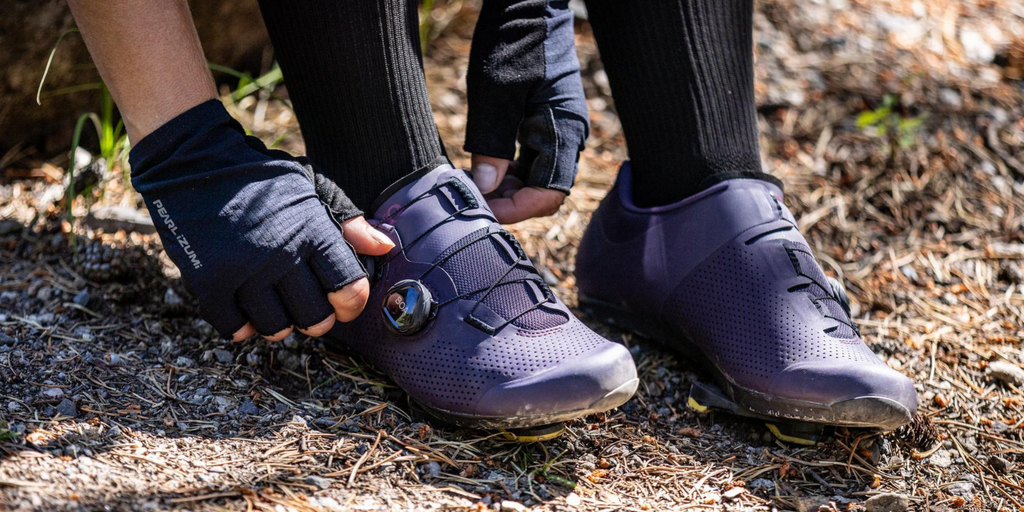
Sizes vary by brand and model. Here’s how to pick a good fit.
- Know your true foot length in millimeters. Use that as your baseline across brands.
- Check each brand’s sizing chart; compare internal length, not US/EU size alone.
- Try shoes on with your riding socks and with the insole you use. Insoles change fit.
- If you order online, confirm the return policy. Test rides are key.
I keep a small sizing note for each brand I have used. That habit saves time and improves fit for new shoes.

Care, break-in, and when to replace
Shoes need care and time. Proper steps extend their life.
- Break-in: Wear new shoes for short rides. Increase time gradually to let the material conform.
- Cleaning: Wipe them after wet rides and let them air dry. Avoid direct heat.
- Insoles: Replace insoles if they compress or smell. A good insole improves comfort and fit.
- When to replace: Replace shoes when the sole is worn, closure hardware fails, or comfort declines despite adjustments. A rule of thumb is every 2 to 4 years for regular riders.
Think about how should bike shoes fit not just at purchase but across their life. Proper care keeps the fit stable.
Frequently Asked Questions of how should bike shoes fit
What is the correct length for bike shoes?
Your longest toe should sit about a thumb’s width from the shoe’s toe. This allows for foot swelling and prevents jamming during hard efforts.
Should bike shoes be tight?
Bike shoes should be snug, not painfully tight. They need to hold the foot firmly to transfer power while avoiding pressure points.
How much toe wiggle is normal?
A small amount of toe wiggle is normal and healthy. Completely locked toes can lead to numbness, while too much space lets the foot slide.
Do cycling shoes stretch?
Some cycling shoes, especially leather or synthetic models, may stretch a little over time. Many modern shoes keep their shape, so choose a close fit initially.
How should cleats affect shoe fit?
Cleats should be positioned to align your knee and optimize comfort. Shoes must allow correct cleat placement without forcing the foot into an awkward position.
Conclusion
A proper fit keeps you comfortable, efficient, and injury-free. Focus on snug midfoot support, a stable heel, slight toe wiggle, and the right cleat alignment. Measure your feet, test shoes with your riding socks, and ride a bit to confirm fit. Take action: measure your feet, try shoes on a trainer, and adjust cleats after short test rides. If this guide helped, leave a comment, subscribe for more tips, or share your fit wins and questions.

Madison Clark is a footwear expert and the voice behind MyStyleGrid.com. She specializes in honest shoe reviews, style tips, and practical guides to help readers find the perfect pair for any occasion. With years of experience in blogging and content creation, Madison makes footwear knowledge simple, stylish, and easy to follow.