Store by type and frequency, use shelving, clear boxes, and rotate seasonally for easy access.
I’ve organized closets for friends and clients for years, so I know what works and what wastes space. This guide on how to organise shoes in closet walks you through clear steps, smart storage options, and habits that keep your shoes visible, protected, and ready to wear. Read on for practical tips you can apply tonight to cut clutter and save time every morning.
Why organising your shoes matters
A well-organised shoe collection saves time each morning. It also protects your investment and extends shoe life.
When you learn how to organise shoes in closet, you reduce stress and make outfit choices simple. Neat storage prevents scuffs, crushed heels, and odd shoe pairs. Small changes in layout and habits deliver big benefits for daily routine and closet longevity.
Assess your closet space and shoes
Start with a clear view of what you have and what fits.
Measure your closet height, depth, and width. Note fixed shelves, hanging rods, and floor space. Count shoes and group them: casual, work, dress, athletic, seasonal, and specialty.
Consider how often you wear each pair. Frequency drives placement. Keep everyday shoes at eye level and seasonal or special-occasion pairs higher or lower.
PAA-style question — How many shoe pairs should I store in a small closet?
Most small closets handle 10–20 pairs if you use vertical shelving, slim racks, or clear stackable boxes. Prioritize daily and seasonal shoes for easy access and store the rest elsewhere.
PAA-style question — Can I mix boots and flats on the same shelf?
You can, but boots need taller space. Use lower shelves for flats and stackable boxes for boots if you keep them upright or folded gently.
Declutter and sort
Clearing out is the fastest way to free space and build a usable system.
Try on each pair. Keep shoes that fit, are comfortable, and get worn in the last 12 months. Repair wearable favorites. Recycle damaged shoes or donate pairs in good condition. Be honest: if a pair hasn’t seen the light of day in two seasons, consider letting it go.
Use simple categories to sort: keep, repair, donate, toss. Place like with like to streamline storage later.
:max_bytes(150000):strip_icc()/Screenshot2022-04-25at3.40.43PM-f0142aa7bcea4eee855080eb90b87420.png)
Storage options and solutions
Match solutions to your closet layout and shoe mix. Below are practical, proven options.
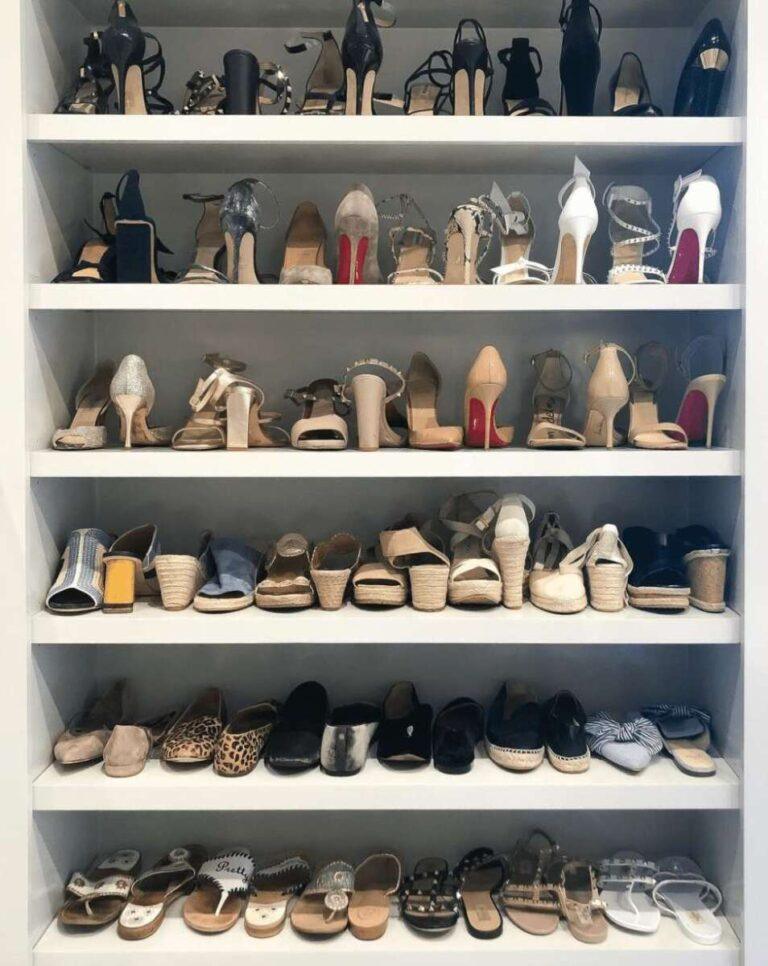
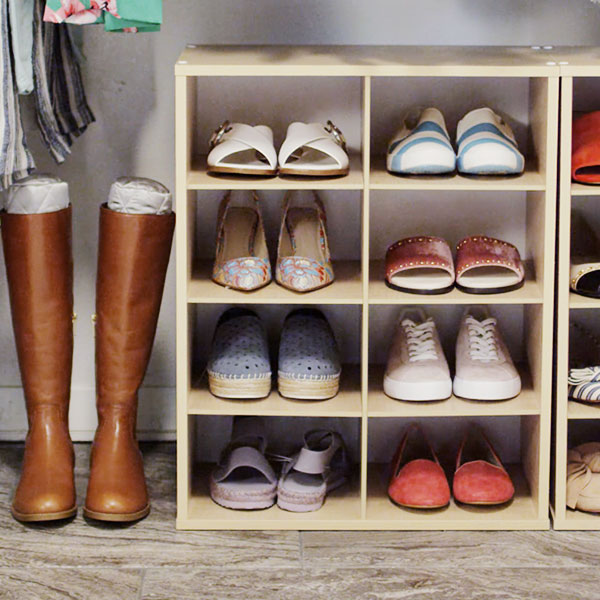
- Open shelving — Easy visibility and access. Works well for flats, sneakers, and heels.
- Adjustable shelves — Let you change heights for boots or stackable boxes.
- Clear shoe boxes — Protect shoes and let you see pairs without opening every box.
- Slanted shoe shelves — Angle makes shoes easier to see and grab.
- Stackable cube organizers — Great for tight spaces and modular layouts.
- Over-the-door organizers — Good for sandals and flip-flops; frees floor space.
- Pull-out racks — Convenient and tidy for deep closets if you have the budget.
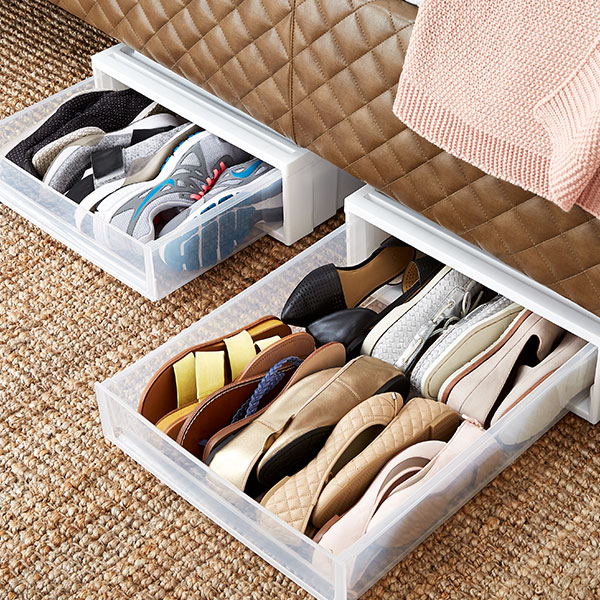
- Under-bed storage — Use for off-season or special-occasion shoes in clear bins.
- Hanging shoe pockets — Save floor space but can hide shoes; best for lightweight pairs.
- DIY risers and crates — Affordable and customizable for odd shapes or limited budgets.
- Tall boot boxes help keep shape and stop scuffs.
- Use boot shapers or rolled towels to maintain shafts.
For heels
- Store heels upright. Use small dividers or individual boxes to avoid rubbing.
For sneakers
- Rotate frequently worn pairs to prime shelf space. Keep one clean pair protected for smart-casual use.

Step-by-step plan to organise shoes in closet
Follow these steps for a quick, actionable result.
- Empty the closet and clean surfaces. Wipe shelves and vacuum the floor.
- Declutter using the keep/repair/donate/toss method.
- Measure remaining space and plan shelf heights for different shoe types.
- Install storage: shelves, racks, or boxes based on your plan.
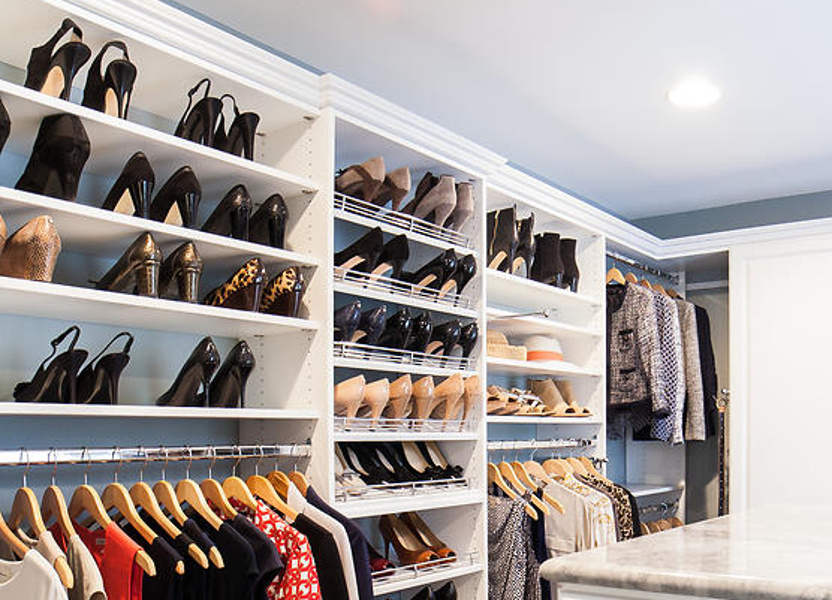
- Sort shoes by category and frequency of use. Place daily shoes at eye level.
- Label boxes or take a quick inventory photo for easy reference.
- Keep a small repair kit and donate bag accessible to maintain order.
:max_bytes(150000):strip_icc()/ScreenShot2022-04-26at3.53.08PM-756de8856e294f188764e86246fb7a02.png)
Maintenance and care
Regular upkeep keeps your system working well.
- Weekly quick-check — Return shoes to their spot each time you undress.
- Monthly rotate — Swap seasonal shoes and inspect for damage.
- Clean and protect — Brush leather, wash fabric, and use protectors for weather.
- Use shoe trees — Preserve shape in leather shoes and higher-end footwear.
- Photograph your collection annually — Helps when you forget what you own and prevents duplicate purchases.
These small routines prevent clutter from creeping back in and keep shoes wearable for longer.
Common mistakes to avoid
Knowing what to skip saves time and money.
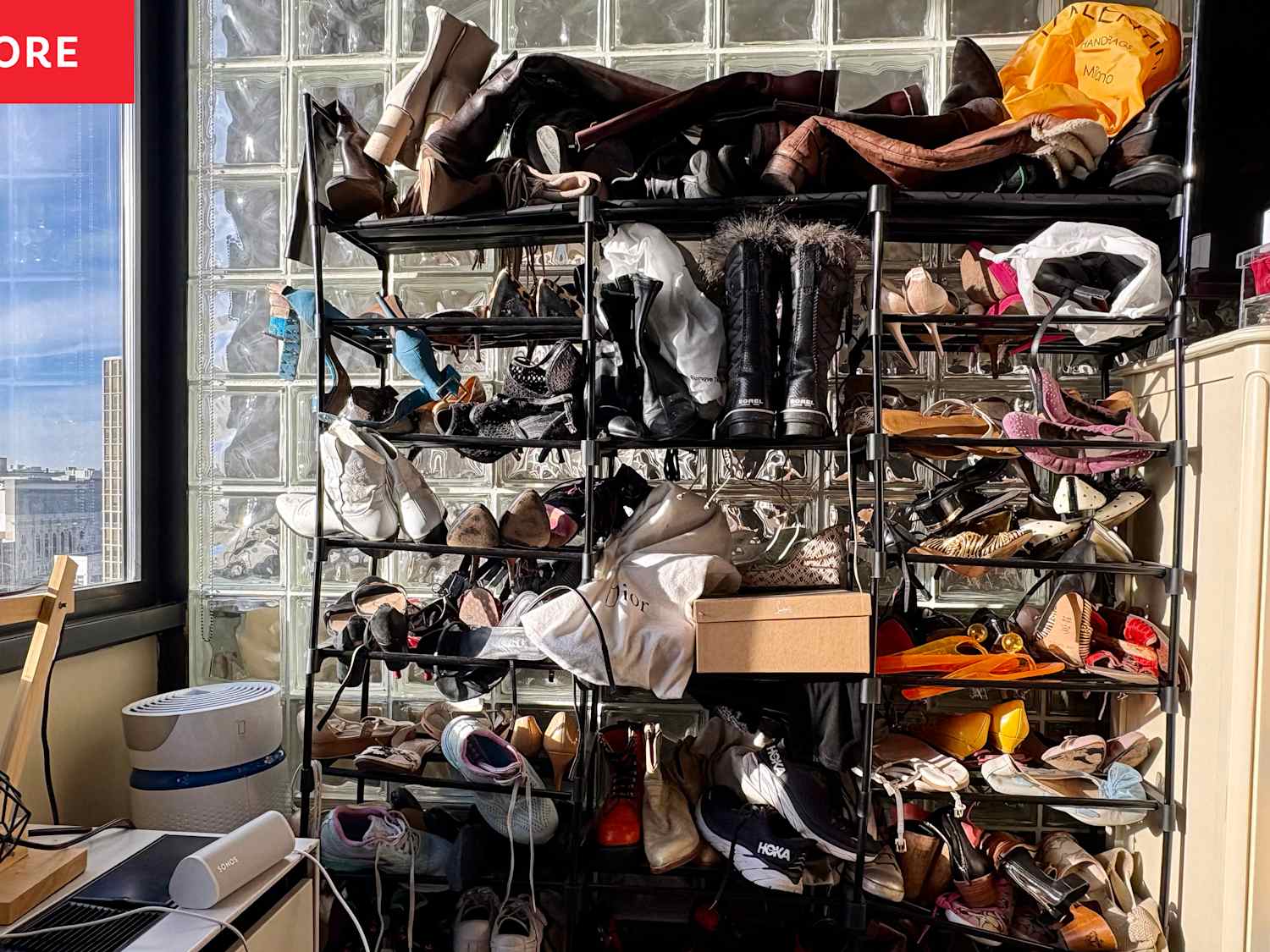
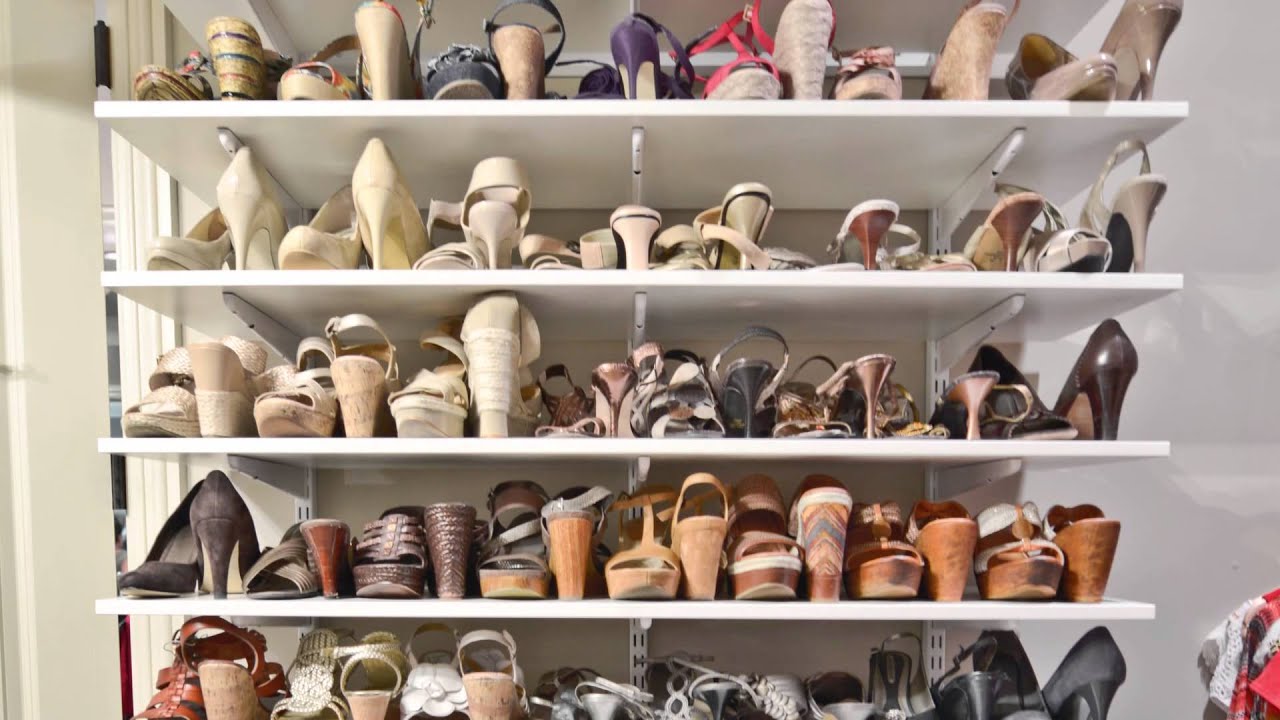
- Overcrowding shelves — Cramped shoes get damaged and are hard to find.
- Storing dirty shoes — Always clean before storing to prevent stains and odor.
- Keeping everything “just in case” — Excess rarely gets used. Be selective.
- Hiding all shoes in opaque bins — If you can’t see them, you won’t wear them.
- Ignoring seasonal rotation — Seasonal swaps free daily space and protect items.
Frequently Asked Questions of how to organise shoes in closet
How should I store boots in a small closet?
Stand boots upright when possible and use boot shapers or rolled towels to keep shape. If space is tight, store boots in tall clear boxes or on a high shelf.
Are clear shoe boxes better than open shelving?
Clear shoe boxes protect and let you see pairs, making them ideal for long-term storage. Open shelving is faster for daily access and works well for frequently used shoes.
How often should I declutter my shoe collection?
Declutter at least twice a year, ideally when seasons change. This keeps only useful pairs and prevents buildup.
What’s the best way to store seasonal shoes?
Rotate seasonal shoes to under-bed bins or higher shelves and bring current-season pairs to eye level. Label boxes by season for quick swaps.
Can I store shoes in vacuum bags to save space?
Avoid vacuum bags for leather and delicate shoes; they can deform shape and damage materials. Use clear boxes or breathable fabric bags instead.
Conclusion
Organising shoes in closet is more than tidiness. It protects your footwear, saves time, and simplifies daily choices. Start with decluttering, choose storage that fits your space, and build simple maintenance habits. Try one change this weekend—measure, purge, or add clear boxes—and notice how much easier mornings become. Leave a comment with your biggest closet challenge or subscribe for more practical home organizing tips.
Madison Clark is a footwear expert and the voice behind MyStyleGrid.com. She specializes in honest shoe reviews, style tips, and practical guides to help readers find the perfect pair for any occasion. With years of experience in blogging and content creation, Madison makes footwear knowledge simple, stylish, and easy to follow.