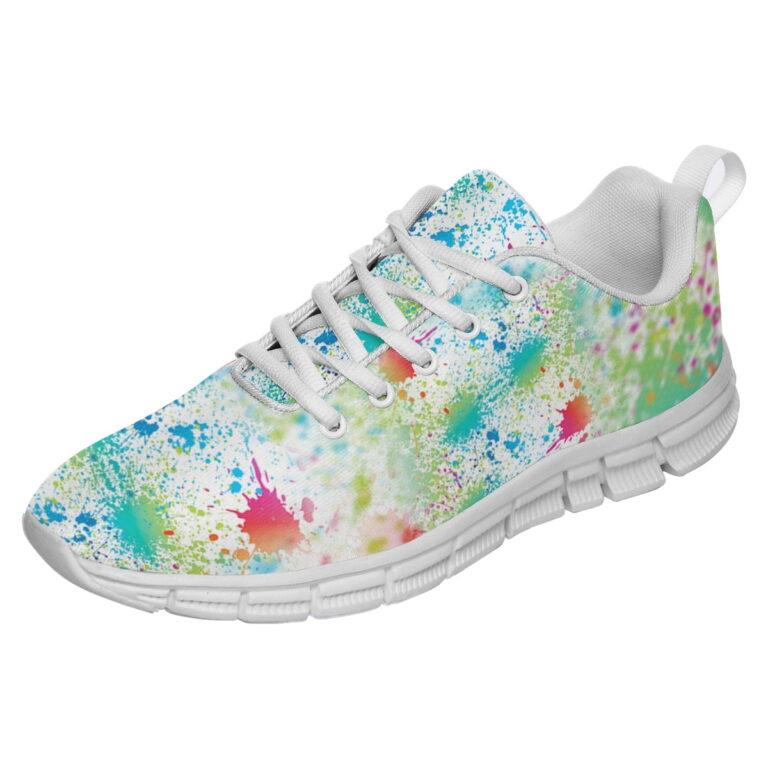
Start by cleaning shoes, mask areas, use fabric or acrylic leather paint, then seal for durability.
I’ve painted dozens of pairs of tennis shoes over the last decade for friends, clients, and my own wardrobe. I’ll walk you through how to paint tennis shoes step by step. You’ll learn simple prep, the best paints and tools, design tips, and how to make your work last. Expect clear steps, pro tips from real experience, and solutions to common problems so your sneakers look great and stay wearable.

Why paint tennis shoes?
Painting tennis shoes lets you refresh old sneakers, show off your style, or match an outfit. It’s cheaper than buying new shoes and it cuts waste. Knowing how to paint tennis shoes gives you control over color, pattern, and finish. You can fix scuffs, hide stains, or create art on a canvas you wear.
Materials and tools you’ll need
Choose the right supplies before you start. Use quality items for the best results.
- Paint options
- Acrylic leather paint for leather or faux leather shoes.
- Fabric paint for canvas shoes.
- Acrylic mixed with textile medium if needed for flexibility.
- Brushes and applicators
- Small round brushes for detail.
- Flat brushes for larger areas.
- Foam brushes or makeup sponges for smooth coverage.
- Prep and masking
- Isopropyl alcohol or mild detergent for cleaning.
- Fine sandpaper (400–600 grit) for roughing leather lightly.
- Painter’s tape to mask soles and logos.
- Extras
- Palette or disposable plate.
- Paper towels and cotton swabs.
- Clear sealer: matte or gloss acrylic finisher or sneaker-specific sealer.

Step-by-step: how to paint tennis shoes
Follow these steps in order. Take your time and work in thin layers.
- Clean the shoes
- Remove laces and insoles.
- Wipe shoes with isopropyl alcohol or soapy water to remove oils and dirt.
- Let them dry fully.
- Prep and mask
- Use painter’s tape to cover midsoles, eyelets, and logos you want to keep.
- Lightly sand smooth leather to help paint stick. Wipe away dust.
- Prime if needed
- Use a leather preparer or degreaser for leather.
- A thin coat of primer helps on very smooth surfaces.
- Mix paint and test
- Stir paints well. Mix acrylic with textile medium for canvas if you want softness.
- Test color on a hidden spot or scrap fabric.
- Base coats
- Apply thin, even coats. Let each coat dry before the next.
- Build color slowly. Thin coats dry faster and crack less.
- Detail work
- Use small brushes for lines, logos, and patterns.
- Use stencils or masking for crisp shapes.
- Seal and protect
- Use thin coats of a clear sealer. Let each coat dry between layers.
- Apply 2–3 light coats for good protection.
- Cure time
- Let shoes rest for 24–72 hours before wearing, depending on paint and sealer.
How to paint tennis shoes well is mostly about prep and patience. Thin coats and good sealing make the difference between a DIY look and a pro result.

Design ideas and techniques
Try simple concepts that match your skill level. Small designs can look professional.
- Color blocking
- Paint toe, heel, or tongue in contrasting colors.
- Use tape for clean edges.
- Gradients and fades
- Use sponge or soft brush to blend two colors.
- Work wet on wet for smoother fades.
- Stencils and logos
- Cut stencils from plastic or card. Tape them down before painting.
- Use stippling with a sponge for even coverage.
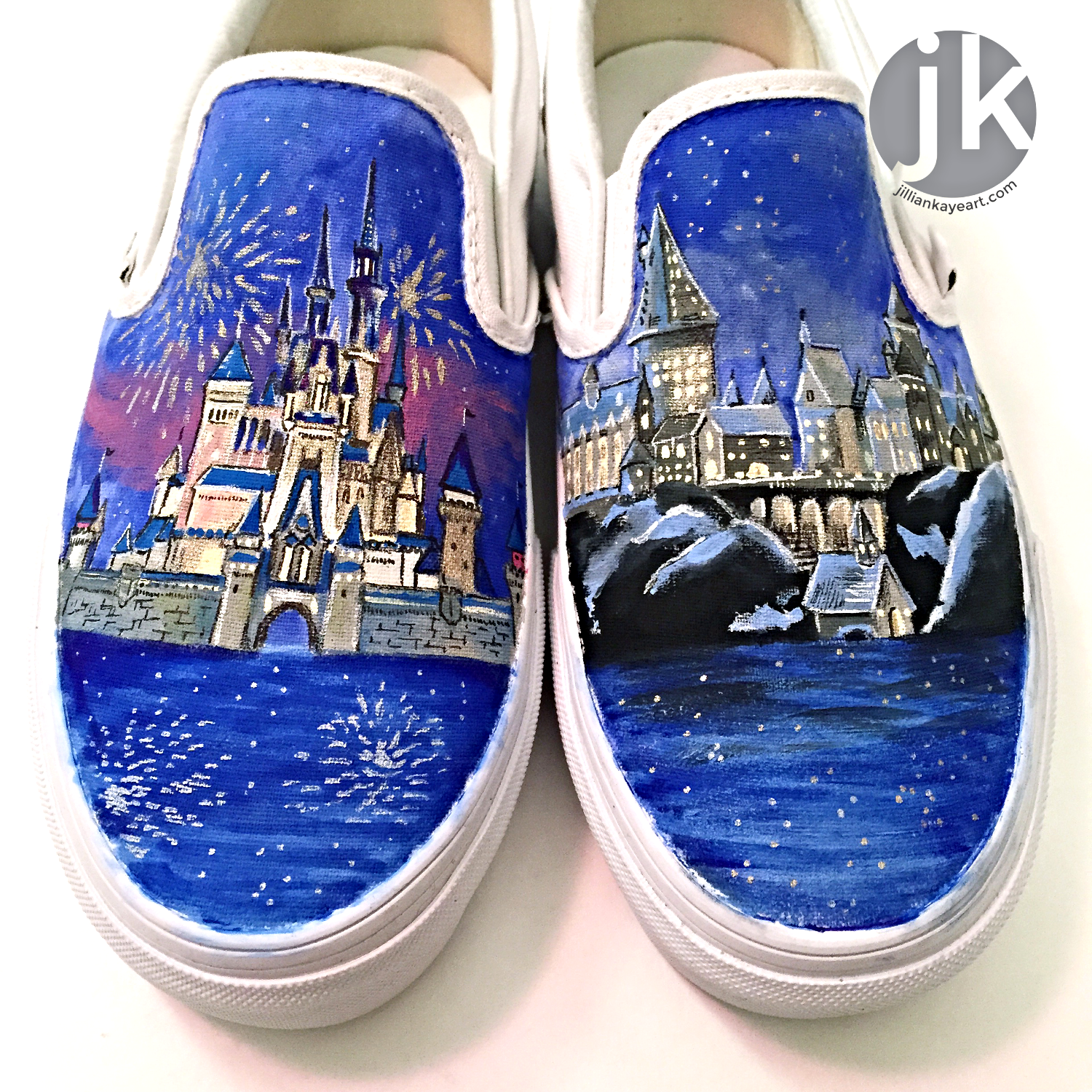
- Freehand art
- Sketch lightly with pencil or erasable marker.
- Start with base colors then add shadows and highlights.
- Patterns
- Polka dots: use a rounded brush handle as a stamp.
- Stripes: measure and tape for even lines.
These techniques show how to paint tennis shoes for varied styles. Start simple and layer complexity as you gain confidence.

Troubleshooting common problems
If something goes wrong, fix it calmly. Most errors are reversible.
- Paint cracking
- Cause: thick coats or rigid paint on flexible material.
- Fix: sand smooth, apply paint mixed with textile medium, then reseal.
- Color bleeding under tape
- Cause: paint seeped under tape.
- Fix: remove tape while paint is tacky. Retape and touch up with a small brush.
- Uneven coverage
- Cause: painting too quickly or thick coats.
- Fix: sand lightly, then apply more thin coats.
- Sealer turns cloudy
- Cause: using the wrong sealer or applying too thick.
- Fix: strip with gentle solvent if possible. Reapply a thin, compatible sealer.
PAA-style: How long does paint take to dry on shoes?
- Most thin acrylic coats dry to the touch in 15–30 minutes and cure in 24–72 hours.
PAA-style: Can I paint canvas and leather the same way?
- No. Canvas uses fabric or acrylic with textile medium. Leather needs leather or acrylic leather paint for flexibility.
PAA-style: Will painting shoes void warranties?
- Often yes. Painting alters the original finish and may void factory warranties. Check the shoe maker’s policy.

Aftercare: sealing, washing, and longevity
Proper care extends your work and keeps shoes wearable.
- Sealing
- Use a compatible clear finish. Apply thin coats and let dry fully.
- Choose matte or gloss based on the look you want.
- Cleaning painted shoes
- Spot clean with a soft cloth and mild soap.
- Avoid machine washing painted shoes unless the paint and sealer say it’s safe.
- Storage and wear
- Avoid extreme heat and constant flexing during initial cure.
- Rotate shoes to reduce stress on painted areas.
How to paint tennis shoes for longevity is mainly about sealing and gentle care. Treat painted shoes like a delicate garment the first week.

Personal experience and lessons learned
I painted my first pair without proper prep. The paint peeled in two weeks. I learned three things fast.
- Prep matters more than paint brand.
- Thorough cleaning and light sanding improved adhesion on later projects.
- Thin coats beat thick coats every time.
- Thick coats crack. Thin, layered coats last longer and look smoother.
- Seal smart, not heavy.
- Too much sealer changes texture and can flake. Thin coats work best.
A tip I still use: keep a small repair kit. Pack the base color, a tiny detail brush, and clear sealer. I’ve fixed scuffs and chips on the go with that kit. These are small habits that come from real use and save shoes from early retirement.

Frequently Asked Questions of how to paint tennis shoes
What paint works best for canvas tennis shoes?
Fabric paint or acrylic mixed with textile medium works best. These stay soft and flexible with normal wear.
Can I paint mesh or knit shoes?
Yes, but use very thin coats and fabric paint. Test a small area first; mesh can be harder to cover evenly.
How do I stop painted shoes from cracking?
Use thin coats, flexible paints, and a suitable sealer. Avoid bending the toes while paint cures.
Is it safe to paint inside the shoe or tongue?
Only paint inside areas that receive minimal friction. Use breathable paint and avoid sealing where it interferes with comfort.
How long before I can wear painted shoes?
Wait at least 24 hours for light wear and up to 72 hours for full cure. Longer cure time improves durability.
Conclusion
Painting tennis shoes is a practical, creative skill. With proper prep, the right paint, and careful sealing, you can transform old sneakers into custom pieces you love. Start with simple designs. Practice thin layers and protect your work. Try one pair, learn from small mistakes, and keep a repair kit handy. If you found this guide useful, try a test pair, experiment with colors, and share your results or questions below.

Madison Clark is a footwear expert and the voice behind MyStyleGrid.com. She specializes in honest shoe reviews, style tips, and practical guides to help readers find the perfect pair for any occasion. With years of experience in blogging and content creation, Madison makes footwear knowledge simple, stylish, and easy to follow.