Store sneakers in cool, dry boxes with acid-free tissue and silica gel packs.
I’ve cared for hundreds of collectible sneakers over the last decade. I’ll show you how to store sneakers for long term collection with clear steps, tested tips, and avoidable mistakes. This guide blends hands-on experience with industry best practices so your pairs stay fresh, clean, and valuable for years.

Why proper storage matters for long-term sneaker collections
Proper storage protects value, prevents damage, and preserves fit and color. If you want to keep sneakers for resale, nostalgia, or display, how you store them matters more than you think. Long-term storage prevents yellowing midsoles, mildew, creases, glue failure, and pest damage. Learn to store sneakers for long term collection and you lock in years of enjoyment and potential return on investment.

Preparing sneakers before storage
Clean the shoes first. Remove dirt, salt, and oils. Use a soft brush and a gentle cleaner. Let them air dry completely before storing.
Remove or pad insoles if needed. Insoles trap moisture and odors. Store fragile insoles separately in acid-free tissue. Stuff toe boxes with tissue to keep shape.
Unlace or tie loosely. Tight laces can warp the vamp over time. For leather, use cedar shoe trees sparingly to keep shape without stretching.
Use archival care products. Acid-free tissue and unbleached cotton keep fabrics safe. Avoid newspaper; inks can transfer and stain.
How to store sneakers for long term collection starts with meticulous prep. Clean, dry, and protect each component before packing.
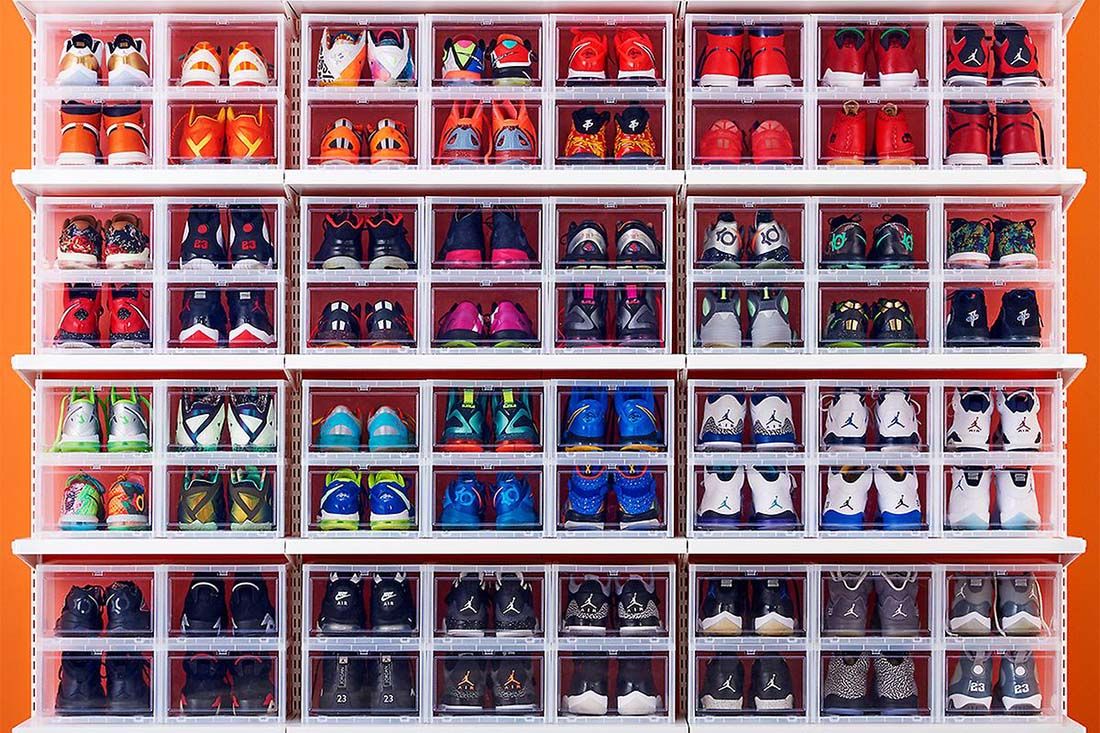
Best storage methods and materials
Choose the right containers. Not all boxes are equal. Use these options based on budget and goals.
-
Original shoe boxes
- Best for authenticity and resale. Keep tissue and tags inside. Replace weak boxes with reinforced ones.
-
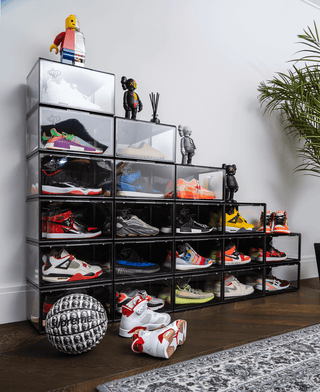
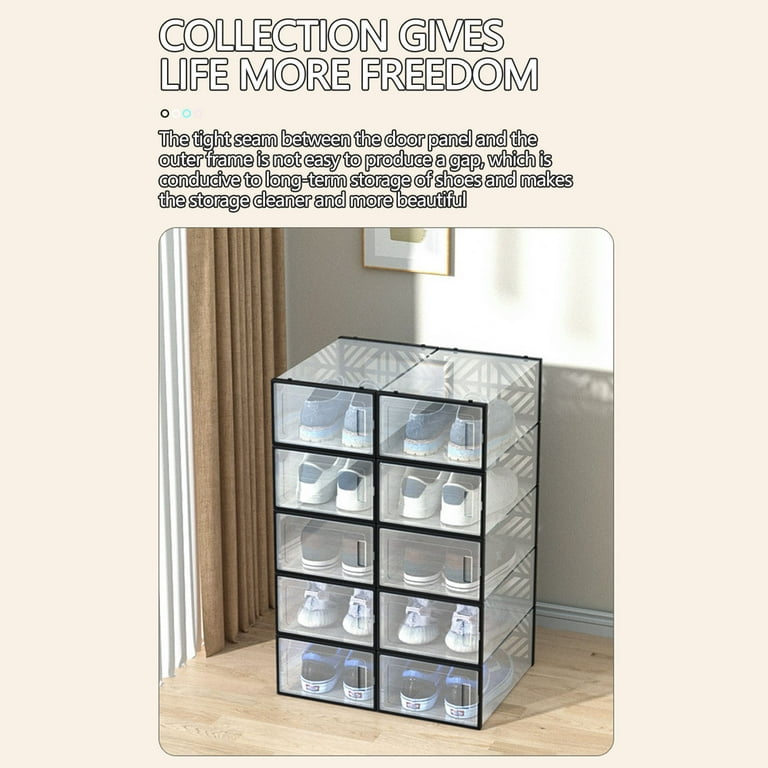
Clear plastic bins (with vents)
- Good for visibility and pest barrier. Use bins with small ventilation holes to reduce trapped moisture.
-
Acid-free archival boxes
- Top choice for long-term preservation. They prevent chemical reactions and slow yellowing.
-
Breathable fabric bags
- Use for natural materials like suede or leather when humidity is controlled.
Add protective materials.
- Acid-free tissue to wrap shoes.
- Silica gel packets to control moisture.
- Avoid airtight vacuum sealing for long-term use, especially for shoes with foam midsoles. Compression can creases and accelerate chemical breakdown.
How to store sneakers for long term collection is about pairing the right container with moisture control and gentle internal support.

Environmental controls: temperature, humidity, light, and pests
Control the room, not just the box. Environmental factors break down materials.
-
Temperature
- Keep storage between 50°F and 70°F. Avoid hot attics and freezing basements.
-
Humidity
- Aim for 40%–50% relative humidity. High humidity causes mold. Low humidity can dry out adhesives and leather.
-
Light
- Store in dark spaces. UV light fades dyes and weakens materials over time.
-
Pests
- Use tight lids and regular inspections. Cedar helps deter moths, but keep direct wood contact minimal to avoid oils transferring.
When you learn how to store sneakers for long term collection, controlling the environment is as important as the container.
Organization and cataloging
Label everything. A clear system saves time and prevents needless handling.
- Number boxes and keep a master list.
- Photograph each pair before storage.
- Track purchase date, size, condition, and cleaning notes.
- Use simple inventory apps or a spreadsheet for quick search.
Good organization reduces the need to open boxes often. This limits exposure and keeps sneakers safer longer.

Maintenance and periodic checks
Long-term does not mean “forget it.” Schedule brief checks every 6–12 months.
- Open boxes to air shoes for a day.
- Replace silica gel packets as needed.
- Inspect for mold, glue separation, and yellowing.
- Reapply protective sprays to suede or nubuck only when required.
These light checks preserve condition. They are essential to how to store sneakers for long term collection successfully.

Storing by material: leather, suede, canvas, knit, and foam
Different materials age differently. Tailor your approach.
-
Leather
- Condition lightly once per year. Avoid over-oiling. Use shoe trees shaped for leather shoes.
-
Suede and nubuck
- Keep dry and use breathable bags. Avoid sprays that darken color without testing.
-
Canvas
- Clean fully and store in acid-free tissue. Canvas is tolerant but can yellow if damp.
-
Knit and mesh
- Stuff lightly to prevent collapse. Keep away from rough storage surfaces that can snag.
-
Foam midsoles (EVA, PU)
- Do not compress long-term. Avoid vacuum sealing. Store upright or flat but not crushed.
Matching the method to the material is a core part of knowing how to store sneakers for long term collection.
Common mistakes to avoid
Avoid these pitfalls that ruin collections.
-
Storing wet or damp shoes
- This leads to mold and odors quickly.
-
Using bleach or harsh cleaners
- These degrade glue and dyes.
-
Vacuum sealing sensitive shoes
- Compression can crack midsoles and warp shape.
-
Leaving boxes in direct sunlight
- UV light fades and dries materials.
Avoiding these mistakes makes long-term storage simple and effective.
PAA-style quick questions
How often should I check my stored sneakers?
Check stored sneakers every 6–12 months for mold, dryness, or midsole yellowing. Quick inspections prevent small problems from becoming serious.
Can I store sneakers in a closet long-term?
Yes, if the closet is cool, dry, and out of direct light. Avoid closets that sit above kitchens or heating vents.
Personal experience and lessons learned
I once stored limited-run pairs in an unvented attic. The midsoles yellowed and glue failed. I learned to avoid extremes in temperature. I now keep a small desiccant stock and label replacement dates.
Another time, I used cedar-inside boxes for leather boots. They stayed fresh and moth-free, but cedar oil stained an untreated suede pair. I now separate cedar contact from delicate materials.
These lessons shaped my approach to how to store sneakers for long term collection. Test small methods before committing entire collections.
Frequently Asked Questions of how to store sneakers for long term collection
How long can I store sneakers without wearing them?
You can store sneakers for many years if properly prepared. With correct cleaning, moisture control, and periodic checks, they can remain in near-new condition for a decade or more.
Is vacuum sealing safe for sneaker storage?
Vacuum sealing is risky for long-term sneaker storage. It can compress midsoles, cause creases, and speed chemical breakdown in foam.
Do I need to remove insoles before storing?
Removing insoles is recommended for long-term storage. It prevents trapped moisture and allows insoles to air separately to avoid odors.
How do I prevent midsole yellowing?
Keep shoes in cool, dark conditions and avoid plastic that traps off-gassing. Use acid-free tissue and silica gel to reduce yellowing factors.
Can I use cedar blocks in sneaker boxes?
Cedar blocks help repel pests and add a fresh scent. Keep cedar separated from direct shoe contact to avoid oil stains on delicate materials.
Conclusion
Protecting a sneaker collection is about care, control, and consistency. Clean every pair, use archival materials, control humidity and light, and check your shoes on a regular schedule. Start small, test methods, and refine your system. If you follow these steps, you will keep your collection sharp, valuable, and ready to enjoy.
Take action today: inventory your collection, pick a storage method, and set a reminder to check your shoes in six months. Share your questions or storage wins below — I’d love to hear what worked for you.

Rubel Miah is the Senior Editor at MyStyleGrid.com, where he brings a sharp editorial eye and an unshakable love for fashion to everything he does. A true style addict, Rubel lives and breathes trends, from streetwear to high fashion, and has a knack for turning inspiration into impactful stories. With years of experience in fashion journalism and digital media, he curates content that empowers readers to express themselves through style. When he’s not editing features or forecasting the next big thing, you’ll find him hunting down vintage pieces or capturing street style moments around the city.