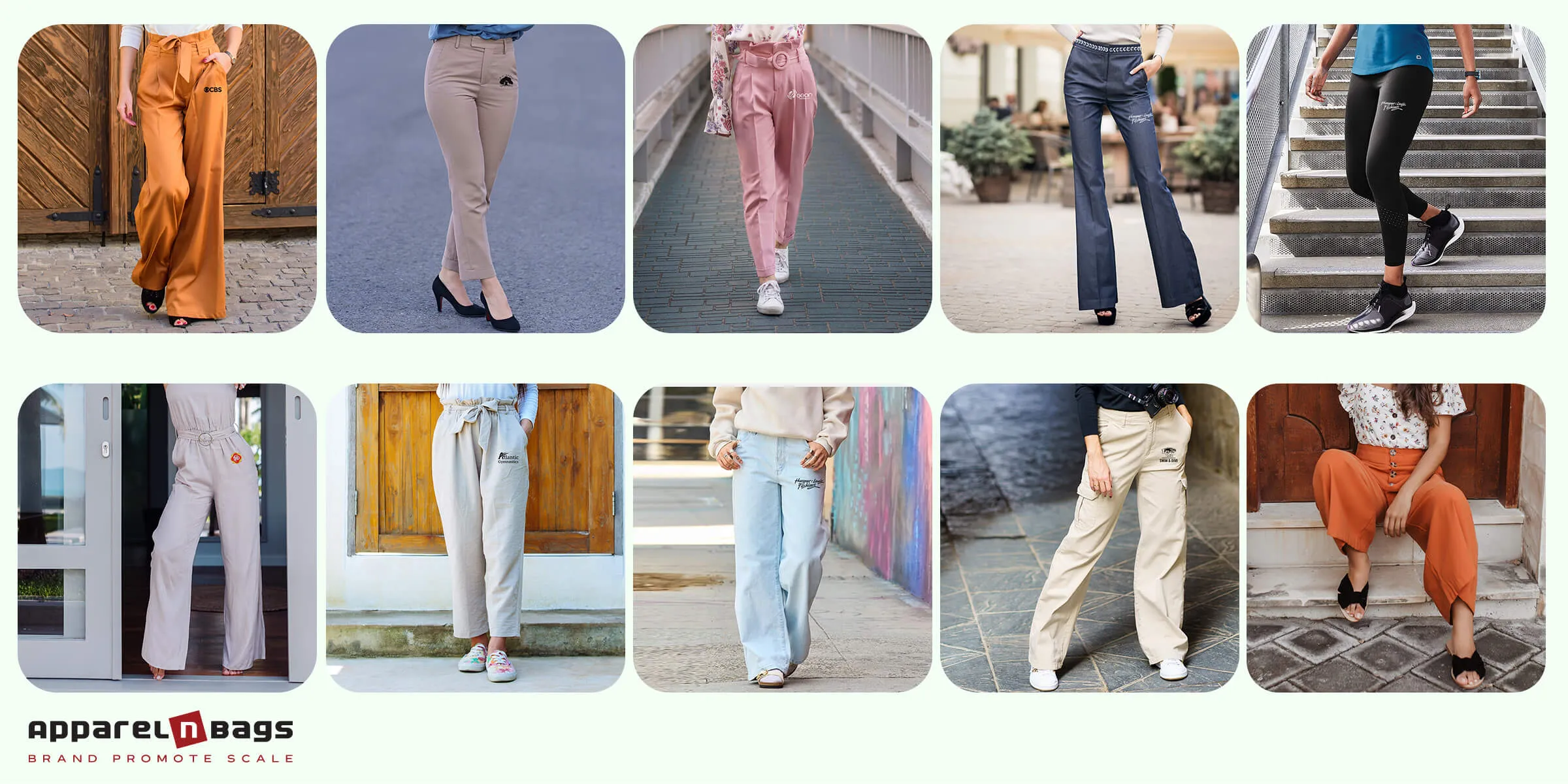
The must have pants for ladies include jeans, tailored trousers, leggings, wide-leg pants, and comfortable everyday chinos.
The best wardrobe works like a small toolkit: each pair of pants solves a different need. After years of studying fit, fabric, and real-life dressing habits, I know that the must have pants for ladies are not about owning dozens of styles. They are about choosing versatile pairs that fit well, feel comfortable, and suit your lifestyle.
From office mornings to relaxed weekends, this guide explains which pants deserve space in your closet, how to style them, and what to check before you buy.
Why Every Woman Needs a Reliable Pants Collection
A strong pants collection makes getting dressed easier. The right pair can balance your shape, support your daily routine, and help one top create several outfits.
Many shoppers buy pants based only on color or trend. That often leads to a closet full of items that look good on a hanger but pinch, sag, wrinkle, or feel hard to style.
The must have pants for ladies should meet three simple tests:
• They fit your body comfortably when you sit, walk, and bend.
• They work with several tops, shoes, and layers.
• They match your real lifestyle, not an imagined one.
A teacher may need soft, polished pants that allow movement. A remote worker may prefer stretch trousers and relaxed jeans. Someone who travels often may value wrinkle-resistant fabric above all else.
The goal is not to follow every trend. It is to build a practical wardrobe with pants that earn regular wear.

1. Classic Straight-Leg Jeans
Straight-leg jeans are one of the most useful pieces in a modern wardrobe. They run in a clean line from the hip to the ankle, which gives them a balanced look without feeling too tight or too loose.
Choose a medium or dark wash for the most flexibility. These shades work with T-shirts, sweaters, blazers, button-down shirts, and casual jackets.
Look for:
• A comfortable waistband that does not dig into your stomach.
• Enough room through the seat and thigh.
• A hem that works with sneakers, loafers, or ankle boots.
• A small amount of stretch for comfort, while still keeping the shape of denim.
Straight-leg jeans can look casual or polished. Add a tucked-in shirt and loafers for a neat daytime outfit. Wear them with a soft sweater and clean sneakers for a relaxed weekend look.
One common mistake is buying jeans that feel tight in the fitting room and hoping they will stretch enough later. Denim may relax slightly, but severe pressure at the waist or hips usually remains uncomfortable.
:max_bytes(150000):strip_icc()/tal-travel-pants-tout-0084109501d54c3e899be8a2e4710b99.jpg)
2. Black Tailored Trousers
Black trousers are among the most dependable must have pants for ladies. They can support work outfits, dinner looks, interviews, travel days, and formal events.
A straight or softly tapered leg offers the most styling options. A mid-rise waistband often feels comfortable and works well with tucked or untucked tops.
Pay attention to the fabric. A blend with a little elastane may provide ease, while wool blends and smooth woven fabrics often create a sharper finish. Always check whether the material becomes shiny when stretched.
Black tailored trousers pair well with:
• A white button-down shirt.
• A colorful blouse.
• A fitted knit top.
• A structured blazer.
• A simple T-shirt and low-profile sneakers.
The length matters. Trousers that stop above the ankle can look modern with flats. Full-length trousers may look better with heels or pointed shoes. Try them with the shoes you plan to wear before removing the tags.

3. Wide-Leg Pants
Wide-leg pants bring comfort and movement without losing style. Their loose shape allows air to move around the legs, which makes them useful in warm weather and busy days.
For a balanced outfit, wear wide-leg pants with a fitted or neatly tucked top. A cropped jacket can also define the waist. If both your top and pants are very loose, the outfit may look less structured.
Fabric changes the effect:
• Linen creates a light, relaxed look.
• Wool-blend fabric looks refined and works well for the office.
• Denim feels casual and modern.
• Satin or fluid rayon creates movement for evening wear.
The hem should not drag on the ground. Long pants can become a safety issue on stairs and may wear out quickly. A tailor can often adjust the length for a better finish.
Wide-leg pants are especially useful if you want more room through the thighs and calves. Still, do not assume a wider leg automatically means a better fit. Check the waistband, rise, and seat as carefully as the leg shape.

4. Comfortable Leggings
Leggings are practical for exercise, errands, travel, and relaxed home wear. They are not a replacement for every type of pants, but they have a clear role in a useful wardrobe.
Good leggings should stay in place during movement. They should also feel opaque in normal light. Try bending and stretching near a window or mirror to check for transparency.
Choose leggings with:
• A wide, supportive waistband.
• Strong seams that lie flat.
• Moisture-wicking fabric for workouts.
• A soft, breathable blend for casual wear.
• A length that works with your shoes.
For a polished everyday outfit, wear leggings with a longer shirt, tunic, cardigan, or structured jacket. If you plan to wear leggings as pants, choose a thick fabric with enough coverage and support.
A frequent mistake is using thin workout leggings for everyday outfits. They may lose their shape, show seams, or look too casual. Keep separate pairs for exercise and daily wear when possible.

5. Ankle Pants
Ankle pants end near the ankle bone and create a clean, easy-to-style line. They work well for workwear because they look neat without the extra fabric of full-length trousers.
These pants pair with:
• Ballet flats.
• Loafers.
• Low heels.
• Ankle boots.
• Clean sneakers.
A slim or straight ankle style looks sharp with a tucked blouse and blazer. A relaxed ankle pant can feel more casual with a knit top.
Be careful with the exact hem. If it ends at the widest part of your calf, it may visually shorten the leg. A hem that stops closer to the ankle often creates a cleaner effect, but personal proportions and shoe choice matter.
Ankle pants are also helpful during warmer months. They provide more coverage than shorts while allowing more airflow than full-length trousers.
:max_bytes(150000):strip_icc()/GettyImages-2206566142-f0fa7abf93b749c78af35483618ffbf8.jpg)
6. Relaxed Chinos
Chinos add a comfortable alternative to jeans. They usually come in cotton or cotton-blend fabric and offer a casual but presentable look.
Neutral colors make chinos easy to wear. Consider:
• Khaki.
• Navy.
• Olive.
• Black.
• Cream.
Pair chinos with a polo shirt, striped tee, sweater, denim jacket, or casual blazer. Cuffing the hem can create a relaxed look, but keep the cuff neat and not too wide.
Chinos may wrinkle more than synthetic trousers. That is part of their casual character, but heavy creasing can make them look untidy. Follow the care label and remove them from the dryer while slightly damp if the fabric allows it.
For many women, chinos are among the must have pants for ladies because they fill the gap between denim and formal trousers.
7. Soft Pull-On Pants
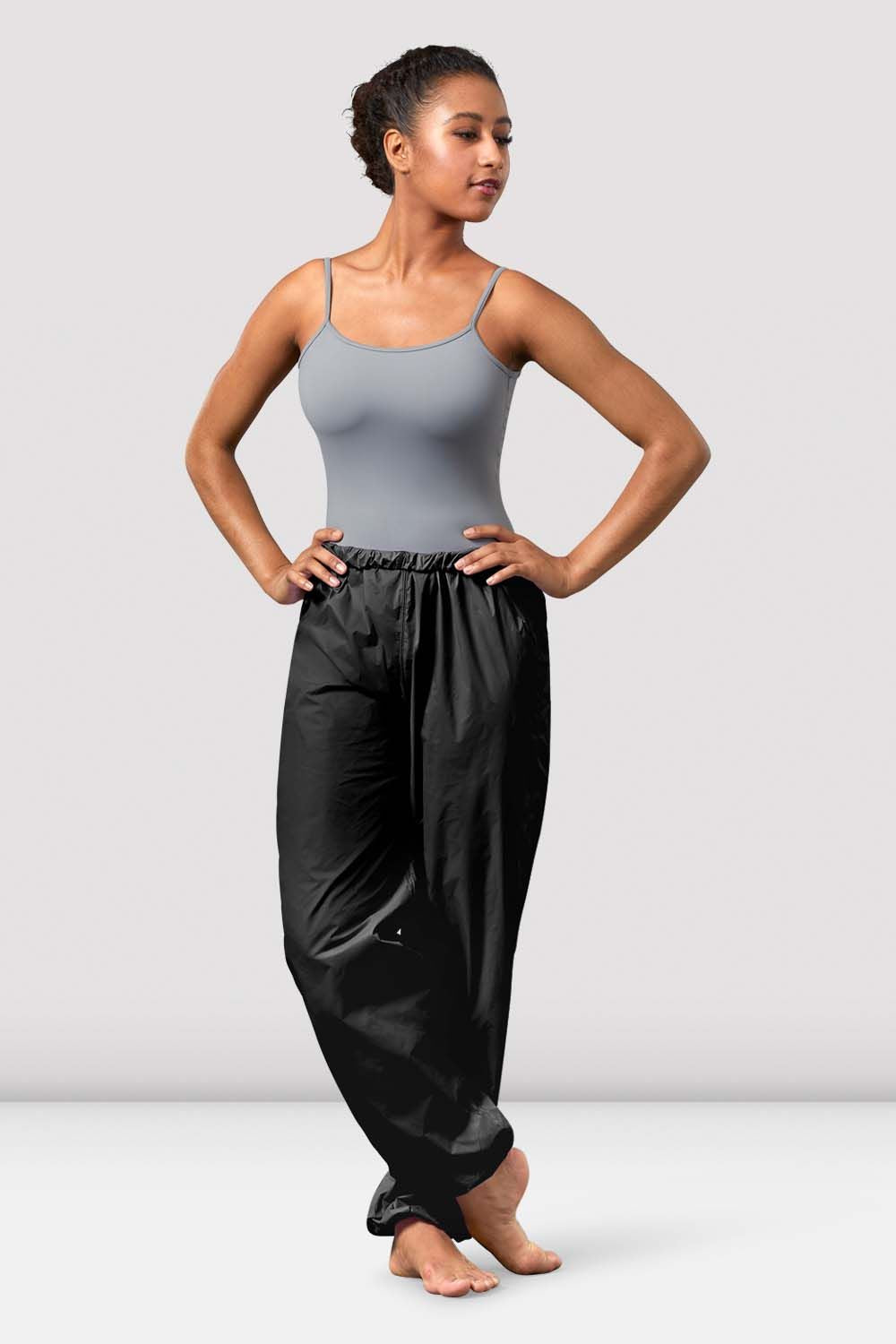
Pull-on pants have an elastic or smooth waistband and are designed for ease. They can be useful for travel, long workdays, recovery after illness, and anyone who dislikes rigid waistbands.
A pull-on style can still look polished. Choose a flat front, structured fabric, and a clean side seam. Avoid overly thin material if you want a refined appearance.
Pull-on pants work well with:
• A tucked knit top.
• A longer cardigan.
• A simple blouse.
• A matching jacket.
• Slip-on shoes or loafers.
The key is support. A waistband that rolls, twists, or feels loose will reduce comfort. Check the garment from every angle and sit down before buying.
These pants are not only for comfort at home. With the right fabric and cut, they can become useful workwear and travel clothing.
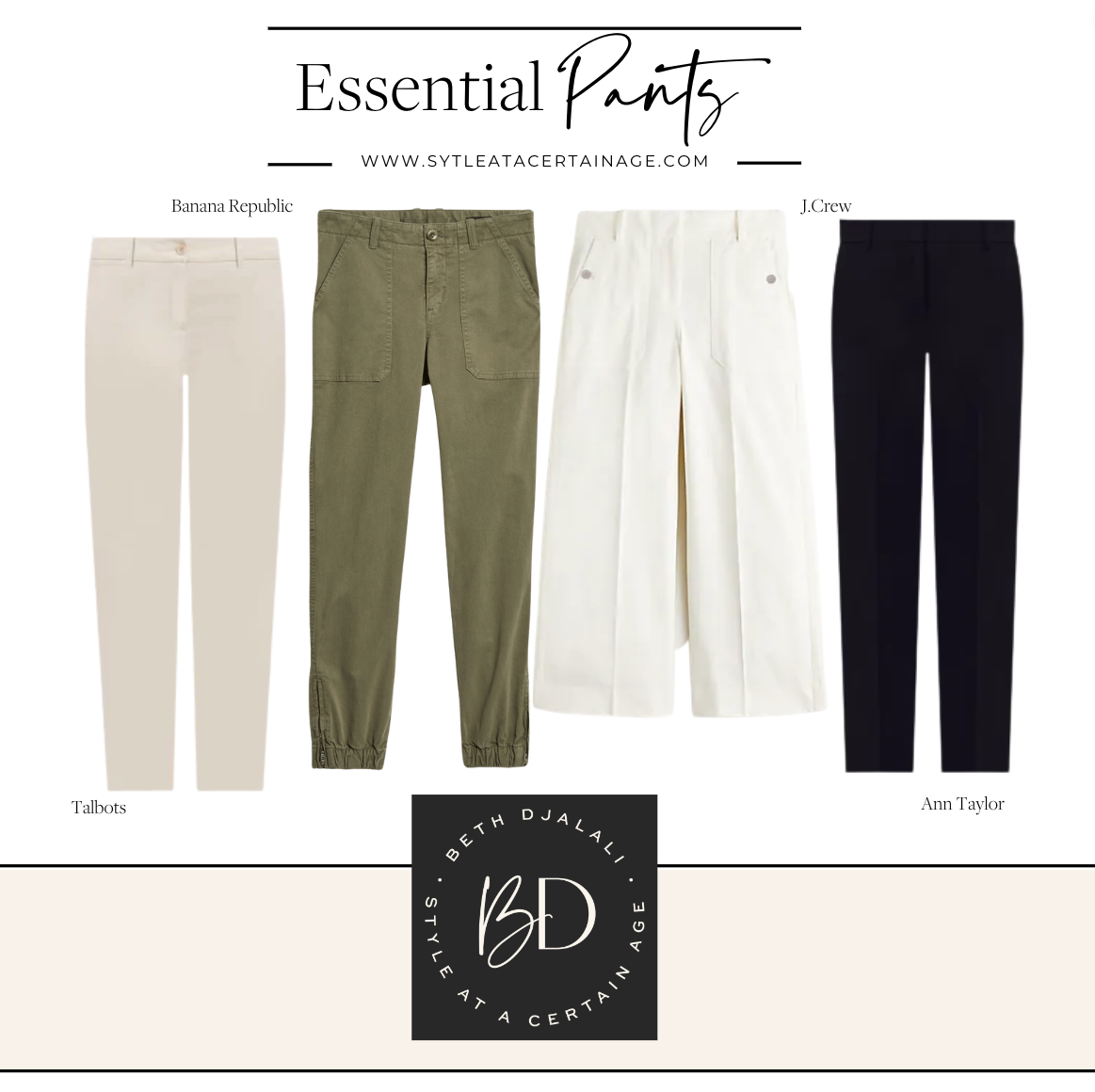
8. White or Cream Pants
Light-colored pants brighten a wardrobe and create a fresh spring or summer look. They can also work in fall and winter with darker sweaters, boots, and coats.
Cream is often easier to wear than bright white because it feels softer and may show fewer marks. Still, both colors need thoughtful fabric choices.
Check for:
• Adequate opacity.
• A smooth front without pulling.
• Pockets that lie flat.
• A fabric that does not become see-through in sunlight.
White or cream pants look good with navy, black, tan, denim, green, and soft pastels. A simple cream trouser with a navy shirt can look just as polished as a more complex outfit.
If you worry about stains, choose a washable fabric and check the care instructions before buying. Light pants demand more maintenance, but they can make basic tops feel new again.
9. Stretch Bootcut or Flare Pants
Bootcut and flare pants widen slightly from the knee down. This shape can balance a fitted top and works well with boots, wedges, or platform shoes.
A dark denim bootcut pair can create a polished casual outfit. A stretch knit flare pant may work for travel, errands, or relaxed office settings.
The most important detail is the length. The hem should nearly cover the shoe without touching the floor. Pants that are too short can look accidental, while pants that drag can become damaged.
Wear these styles with:
• A tucked tank and cardigan.
• A fitted blouse.
• A cropped jacket.
• A tucked sweater.
• A simple belt.
Bootcut and flare pants may not be essential for every woman, but they are valuable if you like a longer leg line or wear boots often.
How to Choose the Best Pants for Your Body and Lifestyle
There is no single “best” pants shape for every woman. Comfort, proportion, activity, and personal taste matter more than a fixed body-shape rule.
Start with your daily needs. Ask yourself:
-
Do I sit for long periods?
-
Do I walk or commute often?
-
Do I need office-ready clothing?
-
Do I prefer natural or performance fabrics?
-
Do I need easy-care clothing?
-
Which shoes do I wear most?
Then assess the fit in motion. Walk across the room, sit in a chair, raise your arms, and bend slightly. Pants should not pinch at the waist, pull across the hips, or twist at the legs.
A useful fitting lesson is that the waistband and rise often matter more than the size printed on the tag. Sizes vary across brands, so treat the label as a starting point, not a final answer.
If the hips fit but the waist gaps, a tailor may be able to adjust the waistband. If the pants pull strongly across the seat or thighs, choose a different cut or size rather than relying on alterations.
Best Pants Fabrics to Consider
Fabric affects comfort, shape, care, and cost. Understanding a few common materials can make shopping much easier.
Cotton
Cotton feels breathable and comfortable. It works well for jeans, chinos, and casual pants. It may wrinkle or shrink if washed and dried at high heat.
Wool and Wool Blends
Wool provides warmth and often drapes well. It is a strong choice for tailored trousers, but it may require special cleaning.
Polyester Blends
Polyester can resist wrinkles and hold its shape. Blends may be useful for travel and workwear, though some people find them less breathable.
Rayon and Lyocell
These fabrics often feel soft and fluid. They create attractive drape but may need careful washing to prevent shrinking or distortion.
Nylon and Performance Blends
These materials are common in activewear. They can offer stretch, moisture control, and durability.
Look for fabric content on the care label. The best material depends on the task. A breathable linen pant may feel wonderful in summer but may not suit a formal meeting if it wrinkles easily.
How to Build a Small Pants Capsule Wardrobe
A capsule wardrobe uses a limited number of pieces that work together. It saves space and reduces decision fatigue.
A practical starting set may include:
• One pair of straight-leg jeans.
• One pair of black tailored trousers.
• One pair of wide-leg pants.
• One pair of leggings.
• One pair of chinos.
• One pair of seasonal light-colored pants.
• One comfortable pull-on style for travel or relaxed days.
You do not need to buy all seven at once. Start with the pair that solves your biggest clothing problem.
Use a simple color plan. Black, navy, denim, cream, tan, and olive tend to mix well. Add brighter colors only when they match several tops and shoes you already own.
Before purchasing, create at least three outfits in your mind. If you cannot think of three uses, the item may be attractive but not practical for your closet.
Common Pants Shopping Mistakes
Even experienced shoppers can make poor choices when a garment looks appealing in a store. Avoid these common problems.
• Buying only by size: Brand sizing changes, so focus on measurements and fit.
• Ignoring the rise: A rise that is too short can create pulling and discomfort.
• Choosing trend over use: A dramatic style may receive little wear.
• Forgetting shoes: Hem length depends on the shoes you plan to wear.
• Skipping the sitting test: Pants can feel fine while standing but pinch when seated.
• Ignoring care needs: Dry-clean-only pants may not suit a busy routine.
• Buying too much stretch: Excess stretch can cause sagging and poor recovery.
• Keeping uncomfortable pants: If you avoid wearing them, they are not serving your wardrobe.
One practical rule is to remove the tags only after wearing the pants at home with several tops. Sit, walk, and check the fabric in natural light. This small step can prevent many disappointing purchases.
How to Care for Your Pants
Good care helps pants keep their shape and color. Always read the care label because fiber blends react differently to heat and water.
For most pants:
• Wash dark colors inside out.
• Use cold or cool water when the label allows it.
• Avoid high heat, which can shrink or weaken fibers.
• Hang or fold pants according to the fabric.
• Empty pockets before washing.
• Treat stains quickly with a gentle method.
Do not wash jeans after every wear unless they are dirty or sweaty. Frequent washing can fade denim and reduce fabric life. Airing them out and spot cleaning may be enough between washes.
For tailored trousers, use a proper hanger or fold them along the crease. Avoid crowding them in a drawer because heavy wrinkles can become harder to remove.
Care is part of value. A well-made pair of pants can serve you for years when you wash, dry, and store it correctly.
Sustainable and Ethical Shopping Tips
Pants use materials, water, energy, and labor. Buying fewer, better-used pieces can reduce waste and save money over time.
Before buying, check:
• The fabric composition.
• The stitching and seam strength.
• Whether the brand shares clear care and production details.
• The return policy.
• Whether the pants can be repaired or altered.
Cost per wear is a useful way to judge value. A $100 pair worn 50 times costs $2 per wear. A $35 pair worn once costs much more in practical terms.
Secondhand stores and clothing resale platforms can also offer quality pants at lower prices. Check zippers, hems, inner thighs, and waistband seams before purchasing used clothing.
Sustainability has limits. No label alone proves that a garment is perfect for people or the planet. Look for clear information, buy what you will use, and care for it well.
How Many Pairs of Pants Should a Woman Own?
There is no correct number. A person who wears pants daily may need more options than someone who mainly wears dresses or skirts.
A useful range for many wardrobes is six to ten pairs. This might include daily jeans, work trousers, casual pants, leggings, and seasonal styles.
Your ideal number depends on:
• Your job and dress code.
• Laundry frequency.
• Climate.
• Exercise routine.
• Travel habits.
• Personal style.
Focus on wear, not quantity. If a pair has not been worn in a year, ask whether it needs tailoring, a new styling idea, donation, or resale.
Frequently Asked Questions About Must Have Pants for Ladies
What are the most essential pants for women?
The most useful options are straight-leg jeans, black tailored trousers, wide-leg pants, leggings, chinos, and a comfortable pull-on pair. These styles cover casual, professional, active, and travel needs.
What color pants are the most versatile?
Black, navy, dark denim, cream, khaki, and olive are highly versatile. Choose colors that match the tops and shoes already in your wardrobe.
Should women choose high-rise or mid-rise pants?
The best rise depends on comfort, torso length, and personal preference. High-rise pants offer more coverage, while mid-rise pants may feel less restrictive for some women.
How should pants fit at the waist?
The waistband should sit securely without digging, rolling, or leaving a large gap. You should be able to slide one or two fingers between the waistband and your body.
What pants are best for travel?
Stretch trousers, soft pull-on pants, dark jeans, and wrinkle-resistant wide-leg styles are useful for travel. Choose breathable fabric and avoid pants that require delicate care.
Are wide-leg pants flattering for every body type?
Yes, wide-leg pants can work on many body types when the rise, waistband, and length fit well. Pairing them with a more defined top can create a balanced outfit.
How can women stop pants from wearing out between the thighs?
Choose a sturdy fabric, avoid overly tight fits, and wash pants according to the care label. A tailor can reinforce the inner thigh area, and rotating several pairs can reduce daily wear.
Conclusion
The must have pants for ladies are practical, comfortable, and easy to style. Start with straight-leg jeans, black tailored trousers, wide-leg pants, leggings, chinos, and one relaxed pull-on pair. Then add styles that match your climate, work needs, favorite shoes, and personal taste.
Always check fit in motion, choose fabrics with care, and buy pieces you will wear often. Build your collection slowly, test each pair with your existing wardrobe, and invest in tailoring when a small adjustment can improve comfort. Explore more wardrobe guides, share your favorite pants styles, and create a closet that makes getting dressed feel simple.

Madison Clark is a footwear expert and the voice behind MyStyleGrid.com. She specializes in honest shoe reviews, style tips, and practical guides to help readers find the perfect pair for any occasion. With years of experience in blogging and content creation, Madison makes footwear knowledge simple, stylish, and easy to follow.