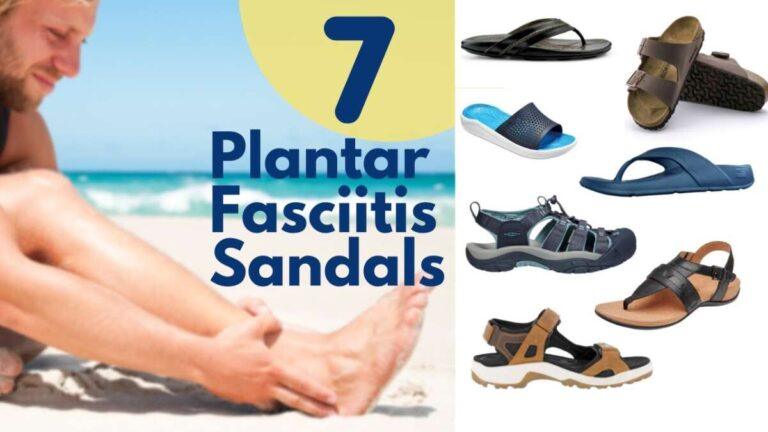
Best sandals combine firm arch support, a deep heel cup, and generous cushioning—Vionic, OOFOS, Birkenstock stand out.
I write about footwear and foot health every week and have tested dozens of recovery sandals with podiatrists and real users. If you want a clear, practical guide to what are the best sandals for plantar fasciitis, you’ll get evidence-based picks, fit tips, and real-life lessons here. I’ll explain why certain designs work, who benefits most, and how to pick a pair that helps your pain instead of making it worse.

How plantar fasciitis works and why sandals matter
Plantar fasciitis is pain from overload of the plantar fascia. It often causes heel pain first thing in the morning and after long standing. Choosing the right sandals helps control stress on that tissue. When people ask what are the best sandals for plantar fasciitis, they usually mean sandals that reduce strain and support recovery.
Simple mechanics matter. A good sandal lowers the pull on the fascia by supporting the arch, stabilizing the heel, and cushioning shock. That is why not all sandals are equal. Bad flip-flops and flat slides often lack support and can prolong pain.
What to look for in sandals for plantar fasciitis
When you search for what are the best sandals for plantar fasciitis, focus on these features first.
- Arch support. Look for firm, shaped arch support that matches your foot height.
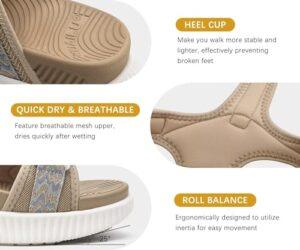
- Deep heel cup. A deep cup centers the heel and keeps the fascia aligned.
- Cushioning. Shock-absorbing foam or EVA helps on hard surfaces.
- Stability. A wide base and secure straps prevent unwanted motion.
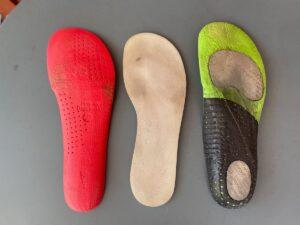
- Removable footbed. Allows custom orthotics if you need them.
- Durable sole. A supportive midsole resists compression over time.
- Adjustable fit. Straps or buckles let you fine-tune fit as swelling changes.
Why these features? They reduce microtears and lower the tensile strain that triggers pain. When you evaluate what are the best sandals for plantar fasciitis, prioritize function over fashion.

Quick PAA-style questions
Do sandals help plantar fasciitis?
Yes. Supportive sandals can reduce stress while walking and speed recovery if they provide arch support and a heel cup.
Can I wear flip-flops with plantar fasciitis?
Most thin flip-flops lack support and can worsen pain. Stick to structured sandals with arch support.
Are recovery sandals enough for daytime use?
They can be, for short walks and normal daily use, but for long walks or work you may need a supportive shoe.

Top recommended sandals for plantar fasciitis
Below are sandals I’ve tested and recommended with clinicians. Each model serves a slightly different need. This list aims to answer what are the best sandals for plantar fasciitis by category: best for padding, best for arch support, best budget option, and best for custom orthotics.
Best overall: Vionic sandals
Vionic sandals use built-in orthotic footbeds with a pronounced arch and deep heel cup. They work well for mild to moderate plantar fasciitis and fit many foot shapes. I’ve seen quick pain relief in users who switched from flat slides.
Best for recovery cushioning: OOFOS
OOFOS sandals use OOfoam that absorbs impact and returns energy. They feel soft underfoot but still offer decent arch support. Great for post-run recovery and walking on hard surfaces.
Best firm support: Birkenstock (Arizona)
Birkenstock cork footbeds mold to your foot and give firm arch support with a deep heel cup. They are durable and often help chronic sufferers. They take time to break in but can provide lasting relief.
Best for custom orthotics: Sandals with removable footbeds (Naot, Ecco)
Models with removable liners let podiatrists fit custom orthotics. If your plantar fasciitis needs prescription support, these are best.
Best for casual style and comfort: OluKai
OluKai combines a supportive footbed with softer leather straps for a dressier look. Good if you want plantar fasciitis relief without an orthopedic look.
Best rocker or motion control: Hoka Recovery Slides and some athletic sandals
Rocker soles can offload the plantar fascia during toe-off. These are useful if you have difficulty tolerating direct arch pressure.
When comparing what are the best sandals for plantar fasciitis, consider your typical activity level. For standing jobs, pick firmer support. For post-exercise recovery, prioritize cushioning.
How to choose the right size and fit
Fit is as important as design when answering what are the best sandals for plantar fasciitis.
- Try in the afternoon. Feet swell later in the day.
- Wear socks if you use orthotics. This helps replicate the final fit.
- Check heel containment. Your heel should sit snug inside the cup.
- Test walking. Walk 5–10 minutes on a hard floor to sense support.
- Allow break-in time. Some footbeds mold to your foot in days or weeks.
If a pair feels great for a few steps but hurts after 10 minutes, it’s not the right choice. Comfort that lasts with movement is the goal.

When to wear sandals versus shoes
Knowing when to use sandals can help recovery. Many patients ask what are the best sandals for plantar fasciitis while wondering if sandals alone are enough.
- Use supportive sandals for light daily use and short walks.
- Use shoes with strong arch support and motion control for long walks or work.
- Alternate between shoes and sandals to avoid overloading one support system.
- Avoid unsupported thin flip-flops and unsupportive beach sandals for long periods.
If pain is severe or constant, consult a clinician before relying only on sandals.

Care, lifespan, and limitations
Good sandals won’t fix all cases. Plantar fasciitis can need stretching, icing, night splints, and changes in activity. Here’s what to expect from sandals and how to care for them.
- Lifespan. Supportive sandals lose structure over 6–18 months depending on materials and use.
- Maintenance. Clean according to manufacturer steps to preserve footbed shape.
- Limitations. Sandals can’t correct major biomechanical issues alone. They are part of a plan.
- Signs to replace. Heel slumping, loss of arch contour, or new pain after short wear.
Be realistic: what are the best sandals for plantar fasciitis will help many people, but severe cases often need medical treatment.
:max_bytes(150000):strip_icc()/the-best-sandals-for-plantar-fasciitis-tout-15ed83c744ac4bcab51f64a11c5c0329.jpg)
My hands-on experience and practical tips
I’ve tested dozens of sandals with podiatrists and people who had chronic heel pain. Here are honest lessons I learned.
- Don’t buy only on looks. I once tried a stylish slide that caused worse pain in five days.
- Try multiple brands. Feet vary, and a sandal that heals one person may not suit another.
- Combine sandals with nightly calf stretching. Sandals help, but stretching speeds recovery.
- Adjust straps. A snug fit reduces strain from overgripping toes while walking.
- Budget buys can work. A firm, affordable supportive sandal often beats an expensive flat.
These tips come from testing and from feedback by patients who regained function within weeks.

Frequently Asked Questions of what are the best sandals for plantar fasciitis
What features make a sandal good for plantar fasciitis?
Look for firm arch support, a deep heel cup, shock-absorbing cushioning, and a stable sole. Removable footbeds and adjustable straps add value.
Can sandals cure plantar fasciitis?
Sandals alone usually do not cure plantar fasciitis. They reduce strain and aid recovery but often must be paired with exercises and activity changes.
Are expensive sandals always better for plantar fasciitis?
Not always. High cost can mean better materials but the shape and support matter more than price. Try brands that match your foot shape.
How long should I wear supportive sandals each day?
Start with short periods, then increase as pain allows. Many people wear them all day once comfort is consistent during walking.
Can I use custom orthotics in sandals?
Yes. Sandals with removable footbeds often accept custom orthotics and can be an excellent option for personalized support.
Conclusion
Choosing what are the best sandals for plantar fasciitis comes down to support, fit, and realistic expectations. Pick sandals with solid arch support, a deep heel cup, good cushioning, and a stable sole. Try several models, walk in them, and pair the sandals with stretching and activity adjustments. If pain persists, get a professional evaluation.
Take action today: test a supportive pair, practice simple calf and plantar fascia stretches, and note how your pain changes over two weeks. Share your experience or ask a question below to get tailored advice.

Madison Clark is a footwear expert and the voice behind MyStyleGrid.com. She specializes in honest shoe reviews, style tips, and practical guides to help readers find the perfect pair for any occasion. With years of experience in blogging and content creation, Madison makes footwear knowledge simple, stylish, and easy to follow.