Women’s dress pants are usually called slacks, trousers, tailored pants, or suit pants.
The name depends on the cut, fabric, and setting. In the United States, “dress pants” is the clearest everyday term, while “slacks” sounds more relaxed and “trousers” often feels more formal. This guide explains what women’s dress pants are called, how each term differs, and how to choose the right pair for work, events, and daily wear.
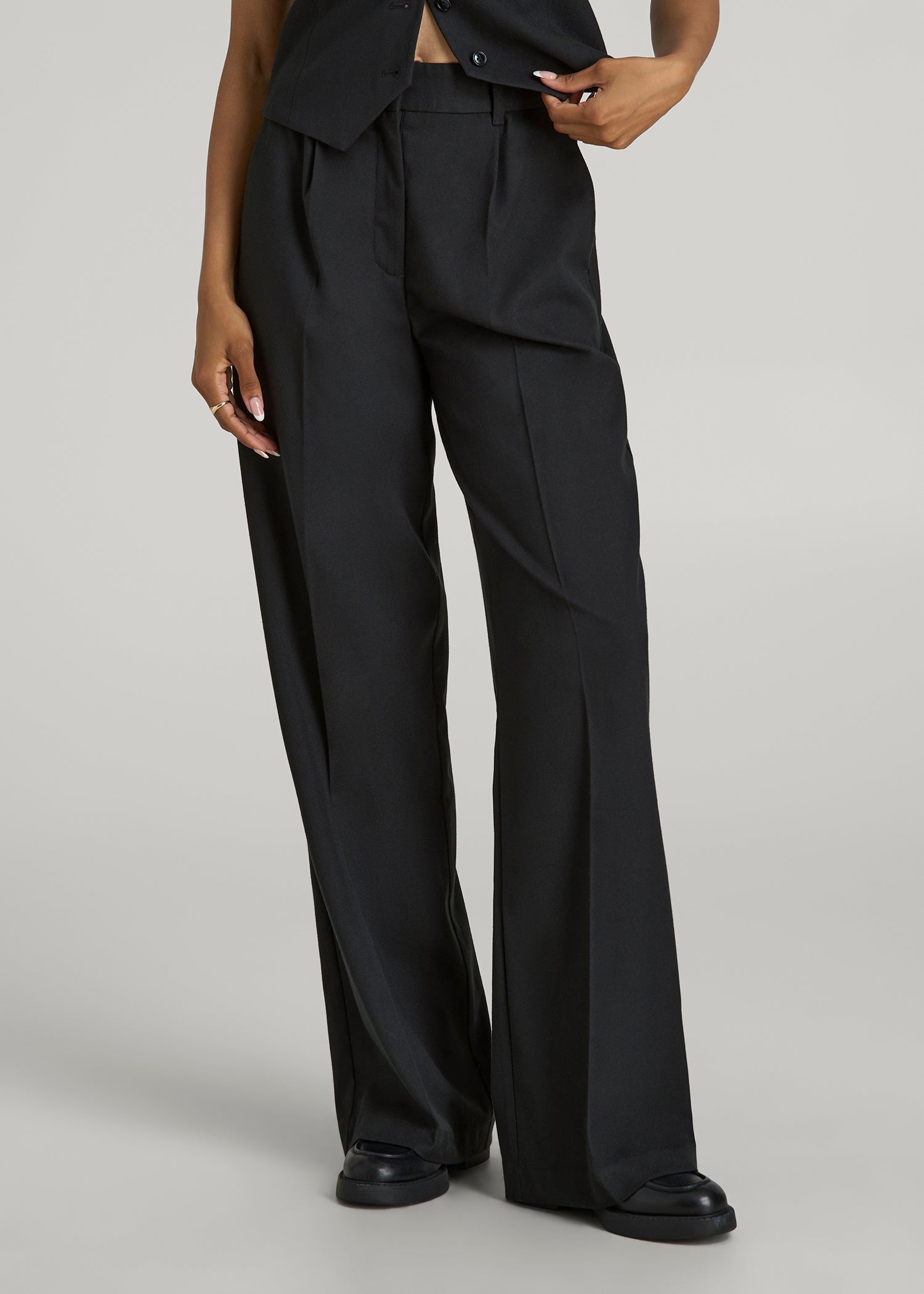
What Are Women’s Dress Pants Called?
Women’s dress pants have several common names. The best term depends on the style and how you plan to wear them.
The most common names include:
• Dress pants: A broad term for polished pants worn to work, meetings, dinners, or formal events.
• Slacks: A traditional American term for neat pants that are less formal than a full suit.
• Trousers: A more formal or fashion-focused word for structured pants. This term is common in British English but is also used in the United States.
• Suit pants: Pants designed to match a suit jacket. They are often made from the same fabric and color as the jacket.
• Tailored pants: Pants with a clean shape, sharp seams, and a structured fit.
• Work pants: A practical term for pants worn in an office or professional setting.
So, if you search for women’s dress pants online, try several of these terms. Retailers may place the same style under “women’s trousers,” “office pants,” or “tailored work pants.”
Slacks vs. Trousers vs. Dress Pants
These words overlap, but they do not always suggest the same style.
Dress pants is the widest term. It can describe slim ankle pants, wide-leg trousers, straight-leg pants, or pleated office pants. The fabric is usually smoother and more refined than denim or casual cotton.
Slacks often suggest comfort and ease. They may have a relaxed fit, an elastic waist, or a soft fabric. Still, slacks can look professional when paired with a blouse, sweater, or blazer.


Trousers usually sound more polished. They may have a crease down the front, a higher waist, pleats, belt loops, and a structured waistband. In fashion writing, “trousers” often refers to a broader range of elegant pants.
A simple way to remember the difference is this:
• Dress pants describe the purpose.
• Slacks describe a neat but often relaxed style.
• Trousers describe a polished or structured design.
• Suit pants describe a matching set.
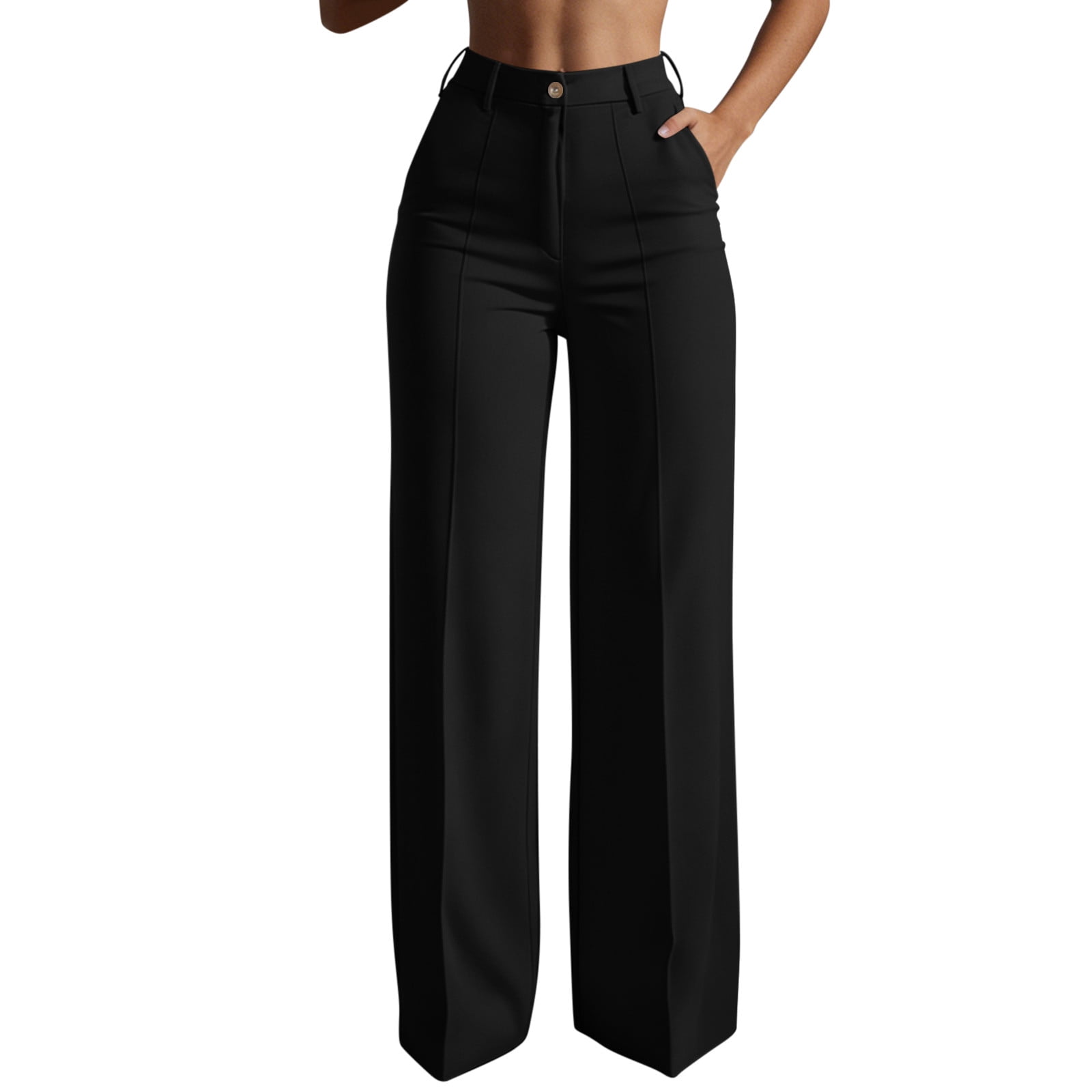
Common Types of Women’s Dress Pants
The phrase women’s dress pants includes many cuts. Knowing the style names makes shopping much easier.
Straight-Leg Dress Pants
Straight-leg pants stay close to the same width from the thigh to the ankle. They create a clean line and work well in most offices.
They are easy to style with loafers, pumps, flats, or ankle boots. Straight-leg pants are also a smart choice when you want one reliable pair for many outfits.
Wide-Leg Trousers
Wide-leg trousers have extra room from the hip or thigh down to the hem. They can look modern, elegant, and comfortable.
The best fit usually has a firm waistband and fabric that drapes well. A tucked-in shirt or shorter jacket helps balance the wider shape.
Bootcut Dress pants
bootcut pants are narrow through the thigh and open slightly from the knee to the hem. They were first linked with boots, but they also work with heels and pointed-toe shoes.
This cut can create a long, balanced shape. Be sure the hem nearly touches the top of your shoe without dragging on the floor.
Ankle Pants
Ankle pants end above the ankle bone. They are popular for office outfits because they look neat and show the shoe.


They pair well with loafers, ballet flats, low heels, and clean sneakers in relaxed workplaces. Check the length while standing, sitting, and walking.
Cigarette Pants
Cigarette pants are slim, straight pants that often end at or above the ankle. They have a sharp, narrow appearance without always being as tight as leggings.
They look especially polished with a button-down shirt, blazer, or simple knit top.
Pleated Trousers
Pleated trousers have folds at the front of the waistband. The pleats add room around the hips and thighs.
Pleats can look elegant, but the fit matters. If the pleats pull open, the pants may be too small. If they collapse heavily, the fabric or cut may not suit your body shape.
Ponte Dress Pants
Ponte pants are made from a thick, stretchy knit fabric. They often look like tailored pants but feel softer and more flexible.
They are useful for travel, long workdays, and sitting for many hours. Choose a pair with a smooth finish and enough structure to avoid looking like casual leggings.
Linen and Cotton Dress Pants
Linen and cotton trousers are lighter than wool or synthetic suiting fabrics. They work well in warm weather.
Linen wrinkles more easily, while cotton may feel more casual. A lined pair often hangs better and feels more polished.

How Women’s Dress Pants Differ From Casual Pants
The line between dress pants and casual pants is not always strict. Fabric, fit, finish, and styling all affect how polished a pair looks.
Women’s dress pants often include:
• A smooth or refined fabric
• A structured waistband
• A zipper, hook, or button closure


• Clean seams
• A pressed crease or sharp front line
• Few visible pockets or decorations
• A hem designed for dress shoes
Casual pants may use denim, fleece, jersey, cargo fabric, or rough cotton. They may also include drawstrings, large pockets, elastic cuffs, or sporty details.
Color matters too. Black, navy, gray, cream, camel, and dark brown usually look more formal. Bright colors and prints can still look dressy when the fabric and cut are refined.
Fit is another key point. Dress pants should skim the body without pulling. They should not feel tight at the waist, seat, or thighs when you sit down.
Are Women’s Dress Pants the Same as Suit Pants?
Women’s dress pants and suit pants are similar, but they are not always the same.
Suit pants are made to coordinate with a matching jacket. The color, fabric, texture, and level of formality should be close to the jacket. Many suit pants also include a more structured waistband and a pressed crease.
Dress pants can be worn alone. They may have a different color, pattern, or fabric from the top or jacket. For example, black tailored pants with a cream blouse are dress pants, but they are not necessarily part of a suit.
If you need a formal outfit for an interview or business event, matching suit pants and a jacket create the most polished effect. For normal office wear, separate dress pants can offer more outfit options.
A useful shopping tip is to check the product description. Look for terms such as “matching blazer,” “suiting fabric,” “two-piece suit,” or “coordinating jacket” if you want a true suit set.

How to Choose the Right Women’s Dress Pants
The right pair should look polished and feel comfortable. Comfort is not a luxury. If you cannot sit, walk, or bend with ease, the pants will not serve you well.
Choose the Right Rise
The rise is the distance from the waistband to the crotch seam.


• High-rise pants sit near or above the natural waist.
• Mid-rise pants sit around the lower waist or upper hip.
• Low-rise pants sit below the natural waist.
High-rise and mid-rise dress pants are common because they stay secure and work well with tucked-in shirts. The best rise depends on your body, comfort, and preferred styling.
Check the Waist
The waistband should sit flat without digging into your skin. You should be able to place one or two fingers between your body and the waistband.
Avoid choosing a larger size just because the waist feels tight if the hips and legs become too loose. A tailor can often adjust the waist, but major changes to the hips or rise may be harder.
Inspect the Seat and Thighs
The back of the pants should lie smoothly. Horizontal lines or pulling near the pockets may mean the pants are too small.
Excess fabric can signal that the cut is too loose. Try sitting down to see whether the seat remains comfortable and smooth.
Consider the Fabric
Wool blends, polyester blends, ponte, and refined twill are common choices for dress pants. Each fabric has advantages.
• Wool blends breathe well and hold a crease.
• Polyester blends resist wrinkles and are easy to care for.
• Ponte offers stretch and comfort.
• Linen feels cool but wrinkles more easily.
Look at the care label before buying. A pair that requires frequent dry cleaning may cost more to maintain than a washable pair.
Get the Length Right
The correct length depends on the shoe and the cut.
• Ankle pants should end near the ankle bone.
• Straight-leg pants may lightly touch the top of the shoe.
• Wide-leg pants often need a longer hem.
• Bootcut pants should nearly cover the shoe without dragging.
A common mistake is trying on pants with flats and later wearing them with heels. Always check the length with the shoes you plan to wear.

How to Style Women’s Dress Pants
Dress pants can form the base of many outfits. Think of them as a blank canvas rather than a one-use item.
For a classic office outfit, wear straight-leg pants with a tucked-in blouse, a thin belt, and loafers. Add a blazer when you need a more formal look.
For a modern outfit, try wide-leg trousers with a fitted knit top and pointed flats. Keeping the top close to the body helps balance the extra volume in the pants.
For a relaxed office, pair ankle pants with a fine-gauge sweater and clean leather sneakers. Check your workplace dress code before choosing sneakers.
For a formal event, wear black or dark navy trousers with a silk-style blouse, a tailored jacket, and simple jewelry. Matching colors and clean lines can make an outfit look expensive without requiring many pieces.
Useful outfit combinations include:
• Navy dress pants, a white blouse, and brown loafers
• Gray trousers, a black sweater, and ankle boots
• Black ankle pants, a satin blouse, and low heels
• Camel wide-leg pants, a fitted ivory top, and pointed flats
• Pinstriped suit pants, a matching blazer, and a plain shirt

Common Mistakes to Avoid
Even high-quality dress pants can look wrong when the fit or styling is off.
Buying for the Number on the Tag
Women’s clothing sizes vary widely between brands. A size 8 in one store may fit like a size 10 or 6 in another.
Focus on the waist, hips, rise, and comfort. The tag is only a starting point.
Ignoring Pocket Pull
If the front or side pockets open when you stand, the pants may be too tight. This issue is easy to miss under store lighting.
Try moving, sitting, and placing your hands in the pockets before buying.
Choosing Fabric That Shows Every Line
Thin fabric may reveal pockets, underwear, or shapewear lines. Hold the pants up to light and check them from several angles.
A lined pair or slightly heavier fabric often creates a smoother finish.
Wearing the Wrong Shoes
The same pants can look polished with loafers and awkward with bulky athletic shoes. Shoe shape and heel height affect the whole silhouette.
Try on the pants with your intended shoes before deciding on the hem.
Forgetting Alterations
Small alterations can make affordable pants look custom-made. A tailor may adjust the hem, waist, or seat.
Do not remove the tags until you confirm that the pants can be altered if needed.

What Do Clothing Labels Mean?
Clothing labels can help you understand what you are buying, but terms are not always used in exactly the same way.
“Tailored” usually suggests a structured shape. “Relaxed fit” means the pants provide more room. “Slim fit” means the leg follows the body more closely. “Stretch” means the fabric contains fibers that allow movement.
Fiber labels are also useful. In the United States, textile labels generally identify fiber content and country of origin. Read the care instructions as well, because “dry clean only” affects the real cost and convenience of the garment.
Some fashion terms are marketing language. For example, “office-ready” does not guarantee that pants will suit every workplace. Use the garment’s cut, fabric, and finish as your main guide.
When shopping online, study the size chart and garment measurements. Customer reviews can reveal whether the waistband runs small, the fabric wrinkles, or the pants are longer than expected.

A Practical Fitting Method
A simple fitting process can prevent most dress-pant mistakes.
-
Try on your usual size and one size above or below.
-
Stand naturally and check the waistband.
-
Sit in a chair and check the waist, hips, and thighs.
-
Walk several steps to test movement.
-
Turn sideways and look for pulling or extra fabric.
-
Check the hem with your usual shoes.
-
Look at the fabric under bright light.
-
Read the care label before removing the tags.
One lesson experienced shoppers often learn is that comfort should be tested in motion, not only in front of a mirror. Pants can look perfect while standing and feel restrictive after an hour at a desk.
Another useful lesson is to plan the whole outfit before buying. A pair may look attractive alone but fail if the rise does not work with your tops or the hem does not suit your shoes.

When to Choose Dress Pants, Slacks, or Trousers
Use the setting to guide your choice.
Choose dress pants when you want a clear, versatile term for polished women’s pants. This phrase works well when shopping for office clothes or building a work wardrobe.
Choose slacks when you want a comfortable, neat pair for business casual outfits. Slacks may be softer and less structured than suit pants.
Choose trousers when you want a more formal or fashion-forward style. This word is useful when searching for pleated, wide-leg, wool, or tailored designs.
Choose suit pants when you need a coordinated jacket and a formal appearance. Suit pants are especially helpful for interviews, conferences, presentations, and ceremonies.
There is no single correct word for every pair. Clothing stores use these terms differently, so check the product details instead of relying on the name alone.
Frequently Asked Questions About What Are Women’s Dress Pants Called
What are women’s dress pants usually called?
Women’s dress pants are usually called slacks, trousers, tailored pants, or suit pants. In the United States, “dress pants” is the most direct and widely understood term.
Are slacks and dress pants the same thing?
Slacks and dress pants can mean the same thing in everyday American English. However, slacks may suggest a softer or more relaxed style, while dress pants can include more formal and structured designs.
What are formal women’s pants called?
Formal women’s pants are often called trousers, tailored pants, or suit pants. The most formal option is usually a pair that matches a structured jacket in fabric and color.
What are women’s work pants called?
Women’s work pants may be called office pants, dress pants, work trousers, slacks, or tailored pants. The best choice depends on the workplace dress code and the pants’ fabric, fit, and finish.
What is the difference between trousers and pants?
In the United States, pants is the general word for garments worn on the lower body, while trousers often sounds more formal. In British English, trousers is the standard everyday term for pants.
Can jeans be considered dress pants?
Most jeans are not considered dress pants because denim has a casual look. Dark, clean jeans may be acceptable in a relaxed workplace, but they do not usually replace tailored trousers or slacks.
What type of dress pants are best for an interview?
Straight-leg or gently tapered suit pants in black, navy, or charcoal are reliable interview choices. Choose a matching blazer when possible, and make sure the pants are clean, pressed, comfortable, and correctly hemmed.
Conclusion
Women’s dress pants can be called slacks, trousers, tailored pants, office pants, or suit pants. “Dress pants” is the broadest and safest term, while the style, fabric, and level of formality determine the more specific name.
For the best fit, check the waist, rise, hips, fabric, pockets, and hem with your real shoes. Start with one versatile pair in black, navy, gray, or another neutral shade, then add styles such as wide-leg trousers or ankle pants as your wardrobe grows. Explore different cuts, read garment labels, and share your favorite dress-pant style in the comments.
Madison Clark is a footwear expert and the voice behind MyStyleGrid.com. She specializes in honest shoe reviews, style tips, and practical guides to help readers find the perfect pair for any occasion. With years of experience in blogging and content creation, Madison makes footwear knowledge simple, stylish, and easy to follow.