In women’s pants, W usually means waist measurement, shown in inches on the size label or chart.
Understanding what does W mean in women's pants can make online shopping and fitting rooms far less confusing. In most cases, the letter refers to your waist size, but brands may use different formats, cuts, and size systems. This guide explains how to read W measurements, measure yourself correctly, compare them with women’s sizes, and avoid common shopping mistakes.

What Does W Mean in Women’s Pants?
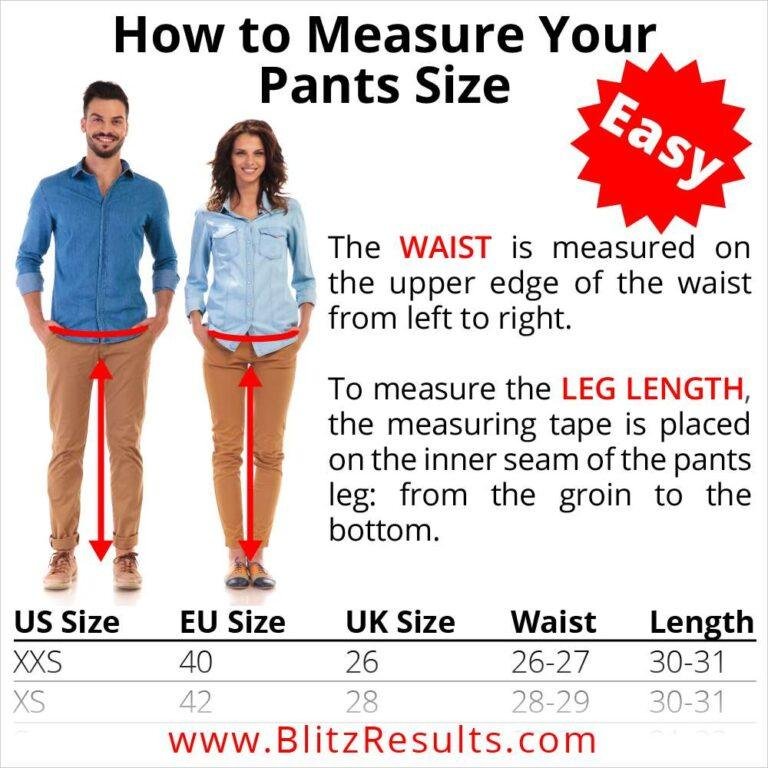
What does W mean in women's pants? Most often, W stands for waist. It tells you the waist measurement in inches, usually measured around the narrowest part of your torso or the area where the pants sit.
For example, a label marked W28 usually means the pants are designed for a 28-inch waist. A label such as W30 L32 means the pants have a 30-inch waist and a 32-inch inseam.
You may see W measurements written in several ways:
- W26 means a 26-inch waist.
- W28 means a 28-inch waist.
- 28W means the same thing as W28.
- W30 L30 means a 30-inch waist and a 30-inch inseam.
- 30/32 often means a 30-inch waist and a 32-inch inseam.
The key point is that W does not usually describe the pant leg width. It normally refers to the waist.
Still, clothing labels are not fully standardized. One brand’s W28 may fit like another brand’s W29 or W30. Fabric stretch, rise, cut, and waistband design can all change how the pants feel.
Why Women’s Pants Use W Measurements
Women’s pants often use numeric sizes such as 2, 4, 6, 8, or 14. However, many brands also use waist measurements because they offer a more direct fit reference.
A numeric size can vary widely between brands. A size 8 in one store may have a 29-inch waist, while another brand’s size 8 may fit closer to a 31-inch waist. W sizing gives shoppers a clearer starting point.
What does W mean in women's pants when the label includes only a number? If the label says W28, the answer is simple: the pants are built around a 28-inch waist. If the label says only size 8, you need the brand’s size chart to find the related waist measurement.
W sizing is especially common in:
- Jeans
- Work pants
- Cargo pants
- Trousers
- Uniform pants
- Outdoor clothing
- Unisex or men’s-style pants
Many denim brands use waist and length measurements because jeans often need a more exact fit. This system also helps shoppers choose a leg length without guessing from a general size label.
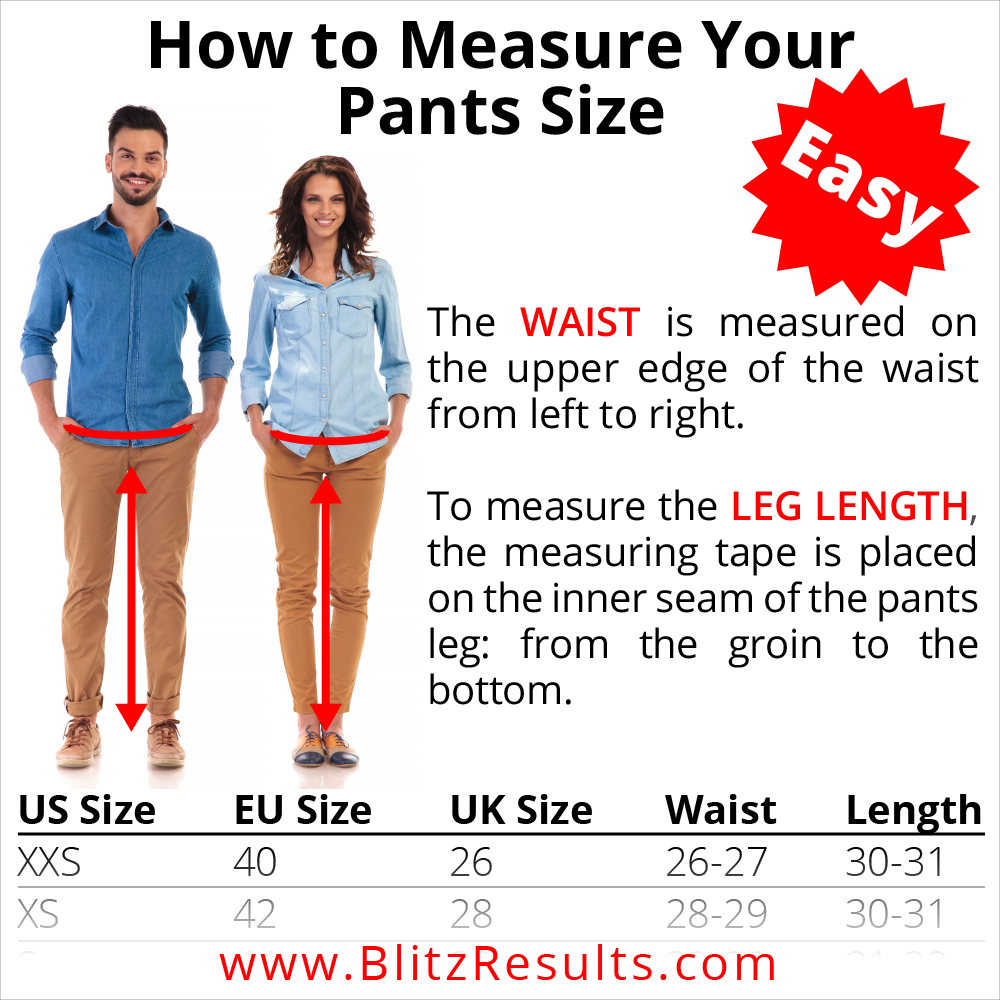
How to Measure Your Waist for Women’s Pants
A correct measurement helps you use W sizing with more confidence. You need a soft measuring tape and a mirror if possible.


Follow these steps:
- Stand straight in a relaxed position.
- Do not pull your stomach in.
- Wrap the tape around your natural waist.
- Keep the tape level with the floor.
- Make sure the tape feels snug but does not dig into your skin.
- Record the measurement in inches.
- Measure again to confirm the result.
Your natural waist is usually the narrowest part of your torso. However, some pants sit lower, near the hips. If you wear low-rise pants, measure where the waistband will actually sit.
For example, your natural waist may measure 28 inches, but your low-rise jeans may sit comfortably at 31 inches. In that case, a W31 may fit better for that style.
Do not measure over thick clothing. A sweater or jeans can add several inches and lead you to choose the wrong size.
Waist, hip, and inseam measurements
Waist size is important, but it is not the only measurement that matters. Women’s pants also need to fit through the hips, seat, thighs, and legs.
Measure your:
- Waist: The area where the waistband sits.
- Hips: The fullest part of your hips and seat.
- Inseam: The distance from the crotch to the bottom of the leg.
- Rise: The distance from the crotch seam to the top of the waistband.
A pair of pants can have the correct W size but still feel tight at the hips. This often happens with curvy body shapes or pants made from firm, nonstretch fabric.

How W Sizing Compares With Women’s Numeric Sizes
There is no universal conversion between W measurements and women’s numeric sizes. The relationship changes by brand, country, fabric, and style.
A general guide may look like this:
| Waist measurement | Approximate US women’s size |
|---|---|
| W24 to W25 | 0 to 2 |
| W26 to W27 | 2 to 4 |
| W28 to W29 | 6 to 8 |
| W30 to W31 | 10 to 12 |
| W32 to W34 | 14 to 16 |
| W35 to W37 | 18 to 20 |
These numbers are only estimates. Always check the specific brand’s chart before buying.
What does W mean in women's pants if the product page lists both W and a numeric size? The W value usually gives the waist measurement, while the numeric size gives the brand’s general size category. The W measurement is often more useful for comparing actual body or garment dimensions.
For example, a retailer may list:
- Size 8
- Waist: 29 inches
- Hips: 39 inches
- Inseam: 30 inches
Another retailer may call a similar garment size 10. The waist and hip measurements can help you compare the two products more accurately than the number alone.
Why size conversion charts can be misleading
Size charts are helpful, but they are not perfect. Some brands measure the garment flat, while others list the body measurement the garment is designed to fit.


A garment measurement tells you the size of the pants themselves. A body measurement tells you the size of the person they are intended to fit. These numbers will not always match.
Stretch denim adds another layer of confusion. A pair of pants may measure smaller than your body but still fit because the fabric expands. Rigid denim usually requires a closer match between your body measurement and the garment measurement.

What W and L Mean Together
When you see W and L together, W means waist and L means inseam length. This format is common in jeans and pants designed for a more precise fit.
For example:
- W27 L28 means a 27-inch waist and a 28-inch inseam.
- W30 L32 means a 30-inch waist and a 32-inch inseam.
- W34 L34 means a 34-inch waist and a 34-inch inseam.
The inseam is measured along the inside of the leg, from the crotch seam to the hem. It is not the same as your total leg length.
A person who is 5 feet 4 inches tall may need a 28-inch inseam in one style and a 30-inch inseam in another. Rise, shoe choice, ankle width, and the desired amount of stacking can all affect the best length.
If the waist fits but the pants are too long, hemming is usually simple. If the waist is too small, altering the pants may be more difficult, especially when the waistband has a contoured shape or built-in pockets.

Other Meanings of W on Women’s Pants Labels
Although W usually means waist, the letter can have other meanings depending on the label and retailer.
W may mean women’s
Some brands use W to identify a women’s version of a product. For example, a product code may include W before the style number to separate women’s clothing from men’s or unisex clothing.
In this situation, W does not represent a waist measurement. You need to look for a separate size chart or measurement table.
W may describe a wide fit
Some clothing companies use W to describe a wide leg or wide fit. This usage is less common on standard women’s pants labels, but it may appear in product names or style descriptions.
Read the full product details. “Wide leg” describes the shape of the pants, not the waist measurement.
W may be part of an internal product code
Retailers often use letters and numbers to identify colors, seasons, collections, or fit groups. A W in a product code may have nothing to do with the garment’s size.


Look for words such as waist, hip, inseam, or size chart near the measurement. Those details reveal how the letter is being used.

How Fit, Rise, and Fabric Change W Sizing
A W measurement is only one part of fit. Two pairs marked W28 can feel very different because of their design.
Rise
High-rise pants sit near the natural waist. Mid-rise pants sit lower, and low-rise pants sit closer to the hips. Your waist measurement may not match the measurement at the point where the pants sit.
This is why a high-rise W28 can fit well while a low-rise W28 feels tight or loose. Measure the area where you plan to wear the pants.
Stretch
Pants made with elastane, spandex, or similar fibers can stretch during wear. Stretch denim may feel snug at first and become more comfortable after a few minutes.
Rigid cotton denim does not offer the same flexibility. With rigid fabric, pay close attention to the waist and hip measurements.
Cut
Skinny, straight, bootcut, wide-leg, and relaxed pants all distribute fabric differently. A wide-leg pair may feel roomy through the thigh, while skinny pants may need extra space at the hips and legs.
Waistband design
A contoured waistband may sit closer to the body. An elastic waistband can fit a range of measurements. A paper-bag waist or pleated front may need more room than a flat-front style.
The practical lesson is simple: use W as a starting point, then check the full measurement chart and product description.
Common Mistakes When Reading W Sizes
Many shoppers understand what does W mean in women's pants but still choose the wrong size because they rely on one number.
Avoid these common errors:
- Assuming every W28 fits the same.
- Measuring the natural waist when the pants sit on the hips.
- Ignoring hip and thigh measurements.
- Confusing inseam with total pant length.
- Measuring over bulky clothes.
- Buying based only on a numeric size.
- Forgetting that washed or rigid denim may change slightly.
- Ignoring customer reviews about stretch and fit.
- Assuming a petite, tall, or plus-size cut follows the same proportions.
One fitting lesson that comes up again and again is that comfort matters as much as the tape measure. Pants should allow you to sit, walk, and bend without pressing into your waist or pulling across the hips.
If you are between sizes, choose based on the largest measurement that needs room. A tailor can often adjust a slightly loose waist, but adding space to tight hips or thighs is much harder.


A Practical Way to Choose the Right W Size Online
Online shopping becomes easier when you follow a repeatable process.
- Measure your waist and hips.
- Check where the pants are designed to sit.
- Read the brand’s size chart.
- Compare your measurements with the chart.
- Check the fabric content.
- Look for the rise and inseam.
- Read reviews for comments about stretch and sizing.
- Review the return policy before ordering.
Suppose your waist measures 29 inches and your hips measure 40 inches. A brand may suggest W29, but if the pants have no stretch and a narrow hip cut, W30 may be more comfortable.
Another brand may recommend W28 because its denim contains stretch. The best choice depends on the garment’s actual measurements and construction.
When you receive the pants, try them on indoors while wearing the type of undergarments you normally use. Sit down, walk around, and check the waistband. A good fit should feel secure without creating painful pressure.

What to Do If the W Size Does Not Fit
If the pants are too loose at the waist, several solutions may help:
- Try a belt for a small difference.
- Use an adjustable waistband.
- Ask a tailor to remove excess fabric.
- Choose a curvy or petite cut if the proportions are wrong.
- Try a smaller size if the hips and thighs still have enough room.
If the pants are too tight, do not rely on stretching alone. Some fabrics relax with wear, but a tight waistband can remain uncomfortable.
Consider a larger W size, a stretch fabric, a higher rise, or a roomier cut. If the pants fit everywhere except the waist, a tailor may sometimes let out the waistband, but the available adjustment depends on the seam allowance.
Return the item if the fit is poor and alterations would cost too much. The right pants should support your movement, not make you think about your waistband all day.
Frequently Asked Questions About What Does W Mean in Women's Pants
Does W mean waist in women’s pants?
Yes, W usually means waist in women’s pants. W28 generally refers to a waist designed for about 28 inches, although the final fit depends on the brand, fabric, and cut.
Is W28 the same as a women’s size 8?
Not always. W28 may convert to a women’s size 6 or 8, but sizing differs between brands, so the brand’s chart is more reliable than a general conversion.
What does W30 L32 mean in women’s pants?
W30 L32 usually means a 30-inch waist and a 32-inch inseam. The first number describes waist size, while the second describes the inside leg length.
Does W mean women’s on a clothing label?
Sometimes, yes. A W in a product code may identify a women’s style, but W before or after a measurement usually means waist.
Should I measure my waist or hips for W sizing?
Measure your waist if the pants sit at your natural waist. If the style sits lower on your hips, measure the area where the waistband will rest and compare both waist and hip measurements.
Can two pairs of W28 pants fit differently?
Yes. Rise, fabric stretch, waistband shape, and cut can make two W28 pairs feel very different. Always check the measurements and product details for the specific style.
Is W sizing used for jeans and trousers?
Yes. W sizing is common for jeans, trousers, work pants, and some unisex styles. Women’s dress pants may use numeric sizes more often, but some brands list waist measurements as well.
Conclusion
What does W mean in women's pants? In most cases, W means waist, and the number shows the waist measurement in inches. When paired with L, it gives both waist size and inseam length.
Use W sizing as a helpful guide, not an absolute rule. Measure yourself where the pants will sit, compare your waist and hip measurements with the brand’s chart, and consider rise, stretch, and cut before ordering.
Once you understand how W measurements work, shopping for women’s pants becomes much less of a guessing game. Save your measurements, check each brand’s chart, and share your own fit tips or questions in the comments.
Madison Clark is a footwear expert and the voice behind MyStyleGrid.com. She specializes in honest shoe reviews, style tips, and practical guides to help readers find the perfect pair for any occasion. With years of experience in blogging and content creation, Madison makes footwear knowledge simple, stylish, and easy to follow.