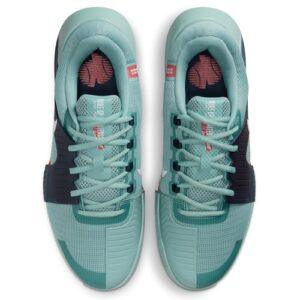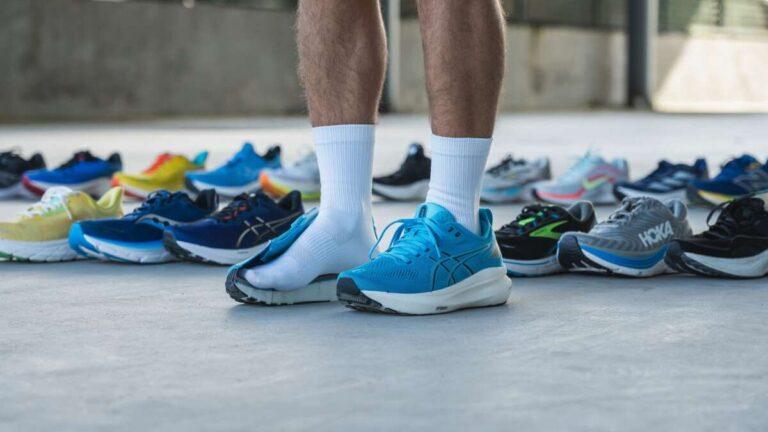
A neutral shoe is footwear with balanced cushioning and no added support to correct foot motion.
If you have searched for running shoes, walking shoes, or gym shoes, you have likely seen the term “neutral.” But what is a neutral shoe in practical terms? It is a shoe designed to let your foot move in its natural pattern while providing comfort, shock absorption, and protection. This guide explains how neutral shoes work, who should wear them, how they differ from stability shoes, and how to choose the right pair with confidence.
What Is a Neutral Shoe?
A neutral shoe is a type of athletic shoe with cushioning but little or no added structure to control pronation. Pronation is the natural inward roll of the foot after it lands. Every runner pronates to some degree, and that movement is not automatically a problem.
The main goal of a neutral shoe is to support comfortable movement without forcing the foot into a specific position. Its cushioning may sit under the heel, forefoot, or full length of the shoe. However, it usually does not include firm medial posts, guide rails, or strong wedges often found in stability shoes.
Think of a neutral shoe as a smooth road. It offers a stable surface, but it does not try to steer your foot. This design suits many runners, walkers, and active people with a fairly even gait.
Common features include:
• Even cushioning across the sole
• A flexible or moderately flexible design
• A standard heel-to-toe drop
• No firm support block under the arch
• A comfortable upper that holds the foot without squeezing it
A neutral shoe can be soft, firm, lightweight, maximalist, or minimalist. “Neutral” describes the shoe’s support system, not how much cushioning it has.
How Does a Neutral Shoe Work?
A neutral shoe absorbs part of the force created when your foot meets the ground. It then helps your foot move through the next part of the stride. The shoe does this through its foam, rubber outsole, upper, and overall shape.
The midsole is the layer that provides most cushioning. Common foam types include EVA, TPU, and newer blends made for a lighter feel or better energy return. The outsole adds grip and protects the midsole from wear.
A neutral shoe does not stop all foot movement. Instead, it allows the foot, ankle, knee, and hip to work together. This can feel natural for people whose feet do not need extra correction.
Still, a neutral shoe is not completely unstructured. Most models have a firm heel counter, a shaped midsole, and a secure upper. These features help the foot stay comfortable without acting like a corrective device.
What neutral support does not mean
Neutral support does not mean:
• The shoe has no cushioning
• The shoe is flat or thin
• The shoe is only for expert runners
• The shoe will work for every foot
• The shoe fixes pain or poor running form
The term simply means the shoe does not add strong motion-control features.
Neutral Shoes vs. Stability Shoes
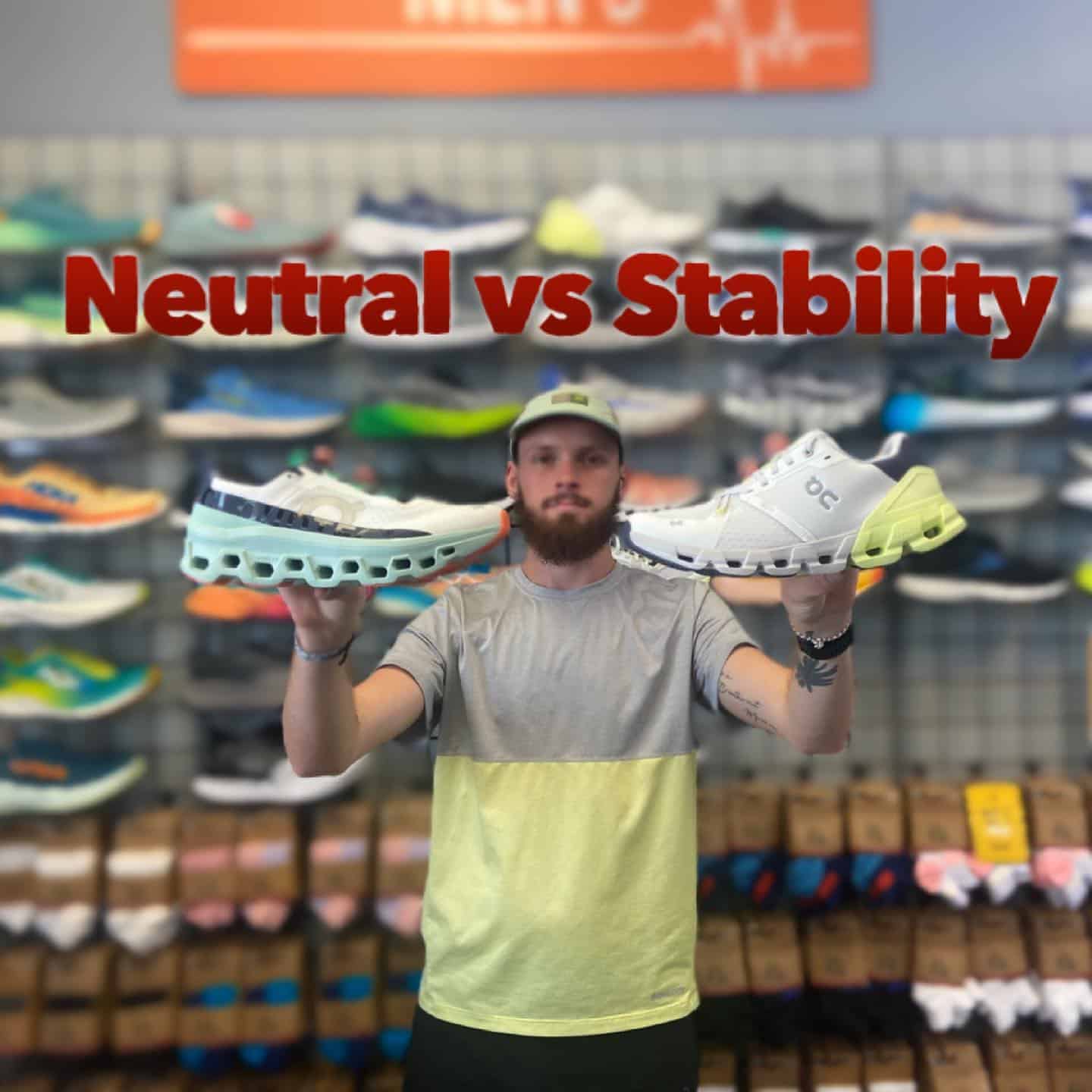
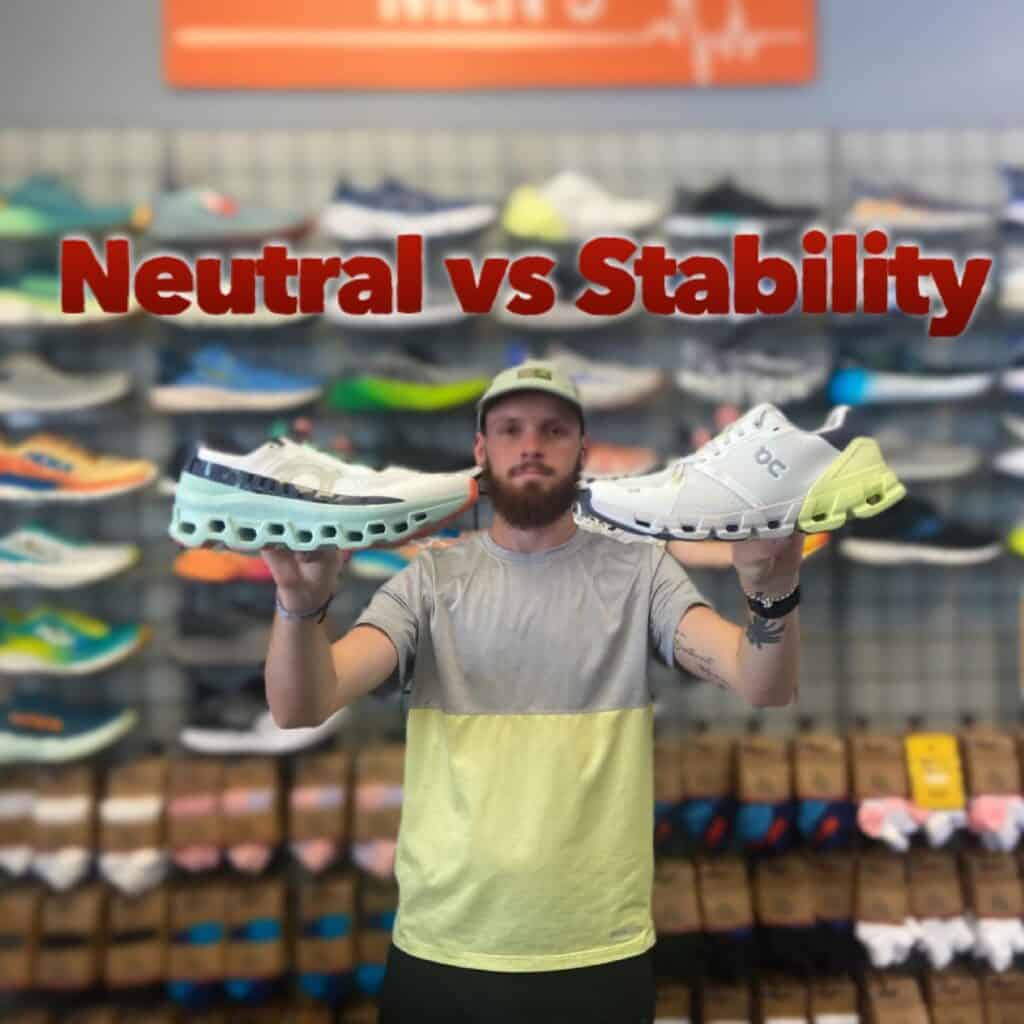
The key difference between neutral and stability shoes is how much the shoe tries to guide foot motion.
A neutral shoe allows natural movement. A stability shoe adds design features that may help reduce excessive inward rolling. These features can include firmer foam, a wider base, a guide rail, or a denser section on the inner side of the midsole.
Here is a simple comparison:
| Feature | Neutral shoe | Stability shoe |
|---|---|---|
| Main purpose | Cushion and allow natural motion | Cushion and guide motion |
| Support level | Low to moderate | Moderate to high |
| Foot movement | More unrestricted | More controlled |
| Best fit | Many neutral runners and walkers | Some people with excess motion or specific needs |
| Feel | Often smooth and flexible | May feel more structured |
Neither type is automatically better. The right shoe depends on your foot shape, movement, comfort, training needs, and any advice from a qualified professional.
A common mistake is choosing a stability shoe only because your arch looks low. Arch height alone does not show how your foot moves during walking or running. A person with flat feet may feel great in a neutral shoe, while someone with high arches may prefer more structure.
Who Should Wear a Neutral Shoe?
Many people can wear a neutral shoe comfortably. It is often a good choice for runners and walkers who have a balanced gait and do not need extra motion control.
A neutral shoe may suit you if:
• Your current shoes feel comfortable and wear evenly
• You do not have a history of repeated foot or ankle problems
• Your feet move naturally without painful rolling
• You prefer a flexible, less structured feel
• You want a shoe for daily walking, easy runs, or gym workouts
• A qualified shoe specialist or health professional recommends neutral support
Neutral shoes are also common among people who switch between road running, treadmill workouts, walking, and casual use. Their simple design can feel versatile.
However, comfort matters more than a label. If a neutral shoe causes pain, slipping, numbness, or unusual fatigue, it may not be the right match. A good shoe should feel supportive without making your foot feel trapped.

Benefits of Wearing a Neutral Shoe
A neutral shoe offers several possible benefits. These benefits vary by person, so they should not be treated as guarantees.
Natural movement
Neutral shoes allow the foot to move with fewer built-in limits. Some people like this because the shoe feels smooth and less restrictive.
Comfortable cushioning
Most neutral shoes use cushioning to soften repeated impact. This can help make long walks, easy runs, and daily errands feel more comfortable.
Lightweight design
Many neutral models avoid heavy support parts. As a result, they may feel lighter and less bulky than some motion-control shoes.
Easy transition between activities
One neutral shoe may work for walking, light jogging, travel, and everyday wear. This makes it a practical choice for people who want one versatile pair.
Wide range of options
Neutral shoes are available in many shapes and styles. You can find models with wide toe boxes, soft foam, firm foam, high stacks, low drops, and durable outsoles.
In my experience with shoe-fit advice, people often focus too much on the word “support.” The better question is whether the shoe supports your activity without creating pressure or pain. A shoe can be highly comfortable without having a rigid support system.
Possible Limits of a Neutral Shoe
A neutral shoe is not the best choice for everyone. Some people may need more structure because of their movement pattern, injury history, or comfort needs.
Possible limitations include:
• It may not feel stable enough for someone who needs strong guidance
• It may not solve pain linked to an injury or medical condition
• Very soft cushioning may feel less steady for some users
• A flexible sole may not suit people who need a firm platform
• The wrong width or size can cause problems even if the support type is correct
Pain is a warning sign, not a normal part of breaking in shoes. Mild stiffness from a new activity can happen, but sharp pain, swelling, numbness, or lasting discomfort deserves attention.
If you have ongoing pain, diabetes, a known foot condition, or a recent injury, consider advice from a podiatrist, physical therapist, or other qualified health professional. Shoe advice cannot replace a clinical assessment.

How to Tell If You Need a Neutral Shoe
There is no perfect home test that can identify the right shoe for every person. Still, a few clues can help guide your choice.
Look at your old shoes. Even wear across the outsole may suggest a fairly balanced gait, but shoe wear is not a diagnosis. Uneven wear can also result from how you stand, how the shoe fits, or the surfaces you use.
Pay attention to how your feet feel. A neutral shoe may be worth trying if your current shoes feel comfortable and you do not experience repeated instability or pain.
You can also visit a specialty running store. A good fitting process may include:
-
Measuring both feet
-
Checking foot length and width
-
Watching you walk or jog
-
Asking about your goals and injury history
-
Comparing several shoe types
-
Allowing you to test the shoes for comfort
Video gait analysis can offer useful information, but it has limits. Your movement may change with speed, fatigue, pain, or the surface beneath you. Use gait advice as one clue, not the final answer.
How to Choose the Best Neutral Shoe
Choosing a neutral shoe starts with your activity. A road-running shoe may not offer the grip needed for rocky trails. A walking shoe may not provide the flexibility or weight needed for regular running.
Use these steps:
1. Choose the right activity
Pick a shoe made for your main use. Road shoes work well on pavement and treadmills. Trail shoes offer deeper lugs and more protection. Walking shoes often focus on comfort and steady transitions.
2. Check the fit
Your toes should have room to spread. Leave about a thumb’s width between your longest toe and the front of the shoe. Your heel should stay in place without rubbing.
3. Match the width
Do not force your foot into a narrow shoe. Look for wide or extra-wide options if your toes feel crowded. A good neutral shoe should hold your foot securely while allowing natural toe movement.
4. Consider cushioning
Soft cushioning can feel comfortable, but more softness is not always better. Some people prefer a firmer, more responsive ride. Try several pairs and compare how stable and natural they feel.
5. Think about heel-to-toe drop
The drop is the height difference between the heel and the forefoot. A higher drop may feel comfortable to some heel strikers, while a lower drop may suit people who prefer a flatter feel. Change gradually if you move to a much lower drop.
6. Test the shoe late in the day
Feet often swell slightly after hours of standing and walking. Trying shoes later in the day can help you avoid buying a pair that feels too tight during normal use.
A useful lesson is to judge a shoe by comfort during movement, not by its appearance or marketing words. The best neutral shoe is the one that fits your foot, matches your activity, and feels good over time.
Common Mistakes to Avoid
Many shoe problems come from choosing by reputation instead of fit.
Avoid these mistakes:
• Buying a shoe because it is popular
• Assuming a high price means a better match
• Picking support based only on arch height
• Ignoring width and toe space
• Wearing worn-out shoes for too long
• Changing cushioning, drop, and training volume at the same time
• Using pain as proof that the shoe is “breaking in”
Most athletic shoes lose some cushioning and traction as they age. The exact lifespan depends on your weight, stride, surface, shoe design, and use. Replace shoes when they feel flat, unstable, damaged, or less comfortable, rather than relying only on a mileage number.
It also helps to change one thing at a time. If you buy a new neutral shoe and double your running distance in the same week, you may blame the shoe for stress caused by the sudden training increase.
Can You Run in a Neutral Shoe?
Yes, many runners can run comfortably in a neutral shoe. Neutral running shoes are designed for people who do not need added motion control and who prefer a natural, cushioned ride.
The best choice depends on your stride, foot shape, training surface, and comfort. Start with short, easy sessions when trying a new pair. This gives your feet and lower legs time to adjust.
Are Neutral Shoes Good for Flat Feet?
They can be. Flat feet do not automatically mean you need stability shoes. Some people with low arches have strong, comfortable movement in a neutral shoe, while others may prefer added structure.
Focus on how your feet function and feel, not just how your arches look while standing.
Do Neutral Shoes Cause Overpronation?
A neutral shoe does not usually cause overpronation by itself. It allows your foot to move without strong correction, but your movement also depends on strength, fatigue, speed, body position, and training habits.
If you notice pain or repeated instability, seek a professional assessment instead of changing shoes based on a single label.
Frequently Asked Questions About What Is a Neutral Shoe
What is a neutral shoe used for?
A neutral shoe is used for activities such as running, walking, gym workouts, and daily wear. It provides cushioning and comfort while allowing the foot to move without strong motion-control features.
Is a neutral shoe the same as a minimalist shoe?
No. A neutral shoe can have thick cushioning and a large sole, while a minimalist shoe usually has less cushioning and a more flexible, low-profile design. Neutral describes support, not the amount of material under the foot.
How do I know if I need a neutral or stability shoe?
You may prefer a neutral shoe if it feels comfortable and your movement does not cause repeated pain or instability. A specialty fitting or professional assessment can help if you are unsure, especially when discomfort continues.
Are neutral shoes good for walking?
Yes. Many neutral shoes work well for walking because they provide cushioning and a smooth, comfortable stride. Choose a pair with the right width, secure heel fit, and outsole for your walking surface.
Can a neutral shoe help foot pain?
It may improve comfort when the pain comes from poor fit, worn cushioning, or an unsuitable shoe. However, a neutral shoe cannot diagnose or treat every cause of foot pain, so ongoing symptoms need professional care.
How often should I replace a neutral shoe?
Replace a neutral shoe when the cushioning feels worn, the outsole loses grip, the upper tears, or the shoe no longer feels stable. Usage, body weight, surfaces, and shoe quality all affect its useful life.
Conclusion
A neutral shoe provides cushioning and comfort while allowing your foot to move in a natural way. It does not automatically suit every person, and it is not defined by softness, price, arch height, or appearance.
The best neutral shoe should fit your foot well, match your activity, and feel comfortable during real movement. Try several pairs, leave enough room for your toes, and pay attention to pain or instability. Use these tips to make a smarter choice, and explore more footwear guides or share your own shoe-fitting experience in the comments.

Madison Clark is a footwear expert and the voice behind MyStyleGrid.com. She specializes in honest shoe reviews, style tips, and practical guides to help readers find the perfect pair for any occasion. With years of experience in blogging and content creation, Madison makes footwear knowledge simple, stylish, and easy to follow.