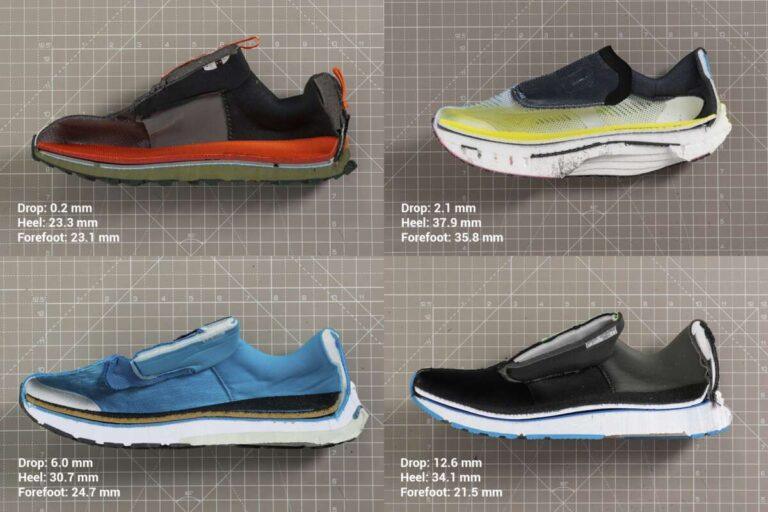
Stack height is the total thickness of a shoe’s sole from footbed to ground.
I’ve spent years testing running shoes, talking with podiatrists, and studying biomechanics to explain what is stack height in shoes clearly and practically. This article breaks down definitions, measurements, pros and cons, how it affects comfort and performance, and real-world tips so you can pick the right shoe with confidence.

What stack height means and why it matters
Stack height is the vertical distance between your foot and the ground inside a shoe. When people ask what is stack height in shoes, they want to know how thick the sole is. That thickness includes the midsole foam, any cushioning plates, and the insole. Stack height affects cushioning, ground feel, and stability. It also interacts with heel-to-toe drop to change foot mechanics. Knowing stack height helps you choose shoes for daily use, training, or racing.

How stack height is measured
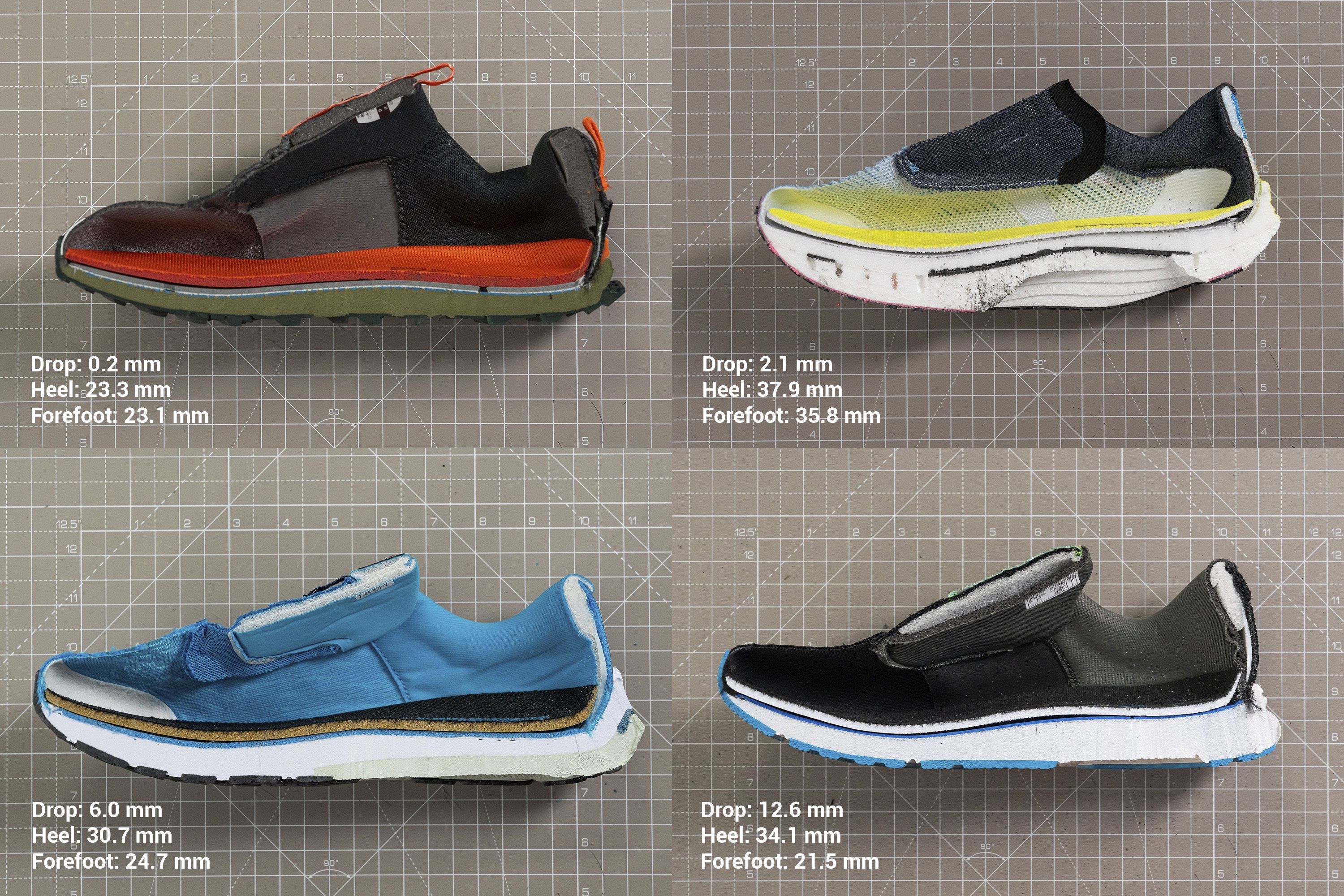
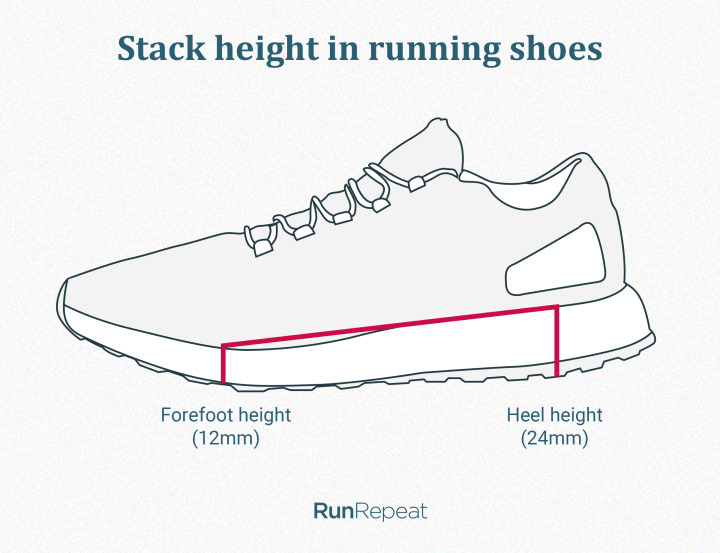
Measuring stack height sounds technical but it’s simple. Shoe brands often list stack height in millimeters. They may list two numbers: one for the heel and one for the forefoot. Subtract the forefoot number from the heel number to get the heel-to-toe drop. If a brand doesn’t list details, measure the sole thickness where your heel sits and where your forefoot sits. Use a ruler and remove the insole to be precise. Remember that measurement methods vary by brand, so numbers are best used as a guide rather than an absolute.
Stack height versus heel-to-toe drop
Many people confuse stack height with heel-to-toe drop. Here’s the difference:
- Stack height describes how thick the sole is overall.
- Heel-to-toe drop describes the height difference between the heel and forefoot.
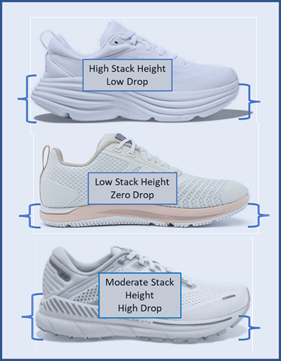
A shoe can have high stack height and low drop, or low stack height and high drop. Both numbers shape how your foot lands and pushes off. When explaining what is stack height in shoes, also consider drop for a complete picture of shoe geometry.

Benefits and limitations of higher and lower stack heights
Higher stack height
- Benefits: More cushioning and shock absorption. Better for long runs or heavy impact.
- Limitations: Less ground feel and potentially reduced stability for quick turns.
Lower stack height
- Benefits: Better ground feel and greater stability. Feels more natural for many runners and walkers.
- Limitations: Less cushioning, which can increase fatigue on hard surfaces.
Understanding what is stack height in shoes helps you weigh these trade-offs. Your activity, body type, and injury history guide the best choice.
How stack height affects performance and injury risk
Higher stack height often feels softer and can reduce immediate impact. However, a very tall sole can reduce proprioception. That means your foot senses the ground less, which can change your running form. Lower stack height promotes stronger foot muscles and better balance but can expose joints to more force. Biomechanics research shows that changes in stack height alter stride and loading patterns. Use gradual transitions when switching stack height to reduce injury risk.

Choosing stack height by activity and foot type
Here are practical rules when deciding what is stack height in shoes:
- Running long distances or racing on hard surfaces
- Choose moderate to high stack height for more cushioning.
- Trail running or fast road racing
- Look for moderate stack height with good stability features.
- Strength training or walking
- Lower stack height improves balance and foot control.
- Flat feet or prior injuries
- Seek a stable midsole and controlled stack height; consult a specialist.
Try shoes in person when possible. Test short runs and varied paces. The right stack height feels supportive and natural during your usual movement.
My experience: what worked and mistakes to avoid
I moved from minimal shoes to high-stack trainers over time. Early on, I increased stack height too quickly and had calf tightness. I learned to change one variable at a time. If you switch stack height, do it slowly. Run shorter distances at first. Pay attention to muscle soreness in calves, shins, and achilles. When testing shoes, wear the socks you normally use and try surfaces you run on.
Common misconceptions about stack height
People often think higher is always better. That’s not true. High stack height can cushion pain but may not fix poor form. Another myth is that low stack height always leads to injury; many people thrive in low-stack shoes when they transition correctly. Finally, brand claims about numbers can vary. Ask what is stack height in shoes for a specific model and how the brand measured it.
Buying tips and transitioning strategy
Guidelines to apply when buying shoes and changing stack height:
- Start with small changes
- Increase or decrease stack height slowly over several weeks.
- Track symptoms
- Note any new pains and back off if needed.
- Mix training shoes
- Use a cushioned high-stack shoe for long runs and a lower-stack shoe for speed work.
- Consider shoe inserts carefully
- Inserts change perceived stack height and can affect mechanics.
- Try before you commit
- If possible, test shoes on a treadmill or short outdoor runs.
Quick, PAA-style questions
Does stack height make a shoe faster?
Higher stack height can improve energy return in some modern foams, but speed depends on many factors like weight, fit, and running mechanics.
Is higher stack height better for long runs?
Generally yes, because it adds cushioning and reduces impact on joints during long efforts on hard surfaces.
Can stack height cause injuries?
Sudden changes in stack height can contribute to muscle strain or tendon discomfort. Transition gradually to avoid issues.
Frequently Asked Questions of what is stack height in shoes
What exactly does stack height measure?
Stack height measures the vertical thickness of the sole from the footbed to the ground, including foam layers and any plates.
How is stack height different from sole thickness?
They are similar, but stack height is the industry term that specifically accounts for midsole and insole layers, not just outer sole material.
How much stack height is good for running?
There is no one-size-fits-all. Many runners prefer 20–40 mm for daily training, but preferences vary by runner, distance, and surface.
Will higher stack height make me less stable?
Higher stack height can reduce ground feel and slightly lower stability, especially on uneven terrain. Stability features in the shoe can offset this.
Do all brands report stack height the same way?
No. Brands may use different measurement methods. Use their numbers as a guideline and test shoes to confirm fit and feel.
Conclusion
Stack height is a key shoe metric that shapes comfort, feel, and performance. Knowing what is stack height in shoes helps you pick footwear that matches your goals and reduces risk. Start small when changing stack height, test shoes in real use, and pay attention to how your body responds. If you want better comfort or performance, try different stack heights while keeping transitions slow and deliberate. Share your experience in the comments, subscribe for more shoe guides, or try a shoe test next time you shop.

Rubel Miah is the Senior Editor at MyStyleGrid.com, where he brings a sharp editorial eye and an unshakable love for fashion to everything he does. A true style addict, Rubel lives and breathes trends, from streetwear to high fashion, and has a knack for turning inspiration into impactful stories. With years of experience in fashion journalism and digital media, he curates content that empowers readers to express themselves through style. When he’s not editing features or forecasting the next big thing, you’ll find him hunting down vintage pieces or capturing street style moments around the city.