
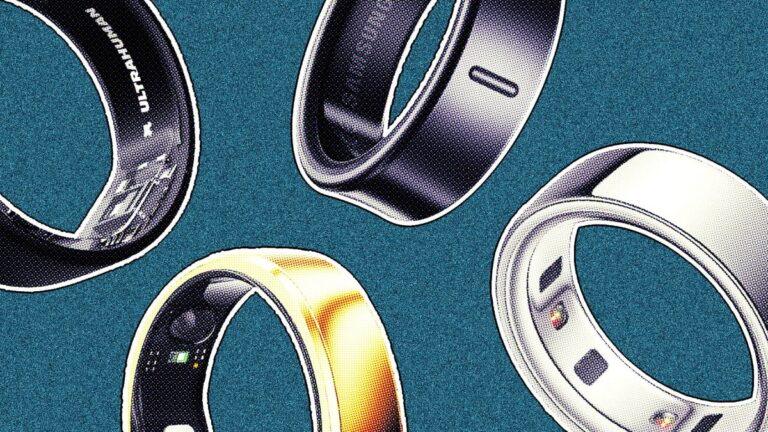
For most people, Oura Ring 4 is the best smart ring for sleep, health insights, and daily comfort.
Choosing which smart ring is the best depends on your phone, budget, health goals, and tolerance for subscriptions. After comparing sleep tracking, heart data, battery life, comfort, apps, and long-term value, Oura Ring 4 stands out as the strongest all-around choice. However, Samsung Galaxy Ring, RingConn, and Ultrahuman can be better picks for specific users.
Which smart ring is the best overall?
Oura Ring 4 is the best smart ring for most people because it offers a polished app, strong sleep tracking, useful recovery insights, and a comfortable design. Its sensors track signals such as heart rate, heart rate variability, breathing rate, skin temperature trends, blood oxygen, sleep stages, and activity.
The ring does not try to replace a doctor or a medical device. Instead, it helps you notice patterns. For example, it may show that your resting heart rate rises after a late meal or that your sleep score drops after several short nights.
The biggest drawback is the membership fee. You need an Oura membership to access many of the ring’s most useful insights. Still, the software is one of the best in the smart ring market, and that software is what turns raw sensor data into advice you can understand.

Best smart rings compared
There is no single winner for every person. The best smart ring for you may change based on whether you use an iPhone or Android phone, want workout tools, dislike subscriptions, or need the longest battery life.
| Smart ring | Best for | Main strength | Main limitation |
|---|---|---|---|
| Oura Ring 4 | Most people | Sleep and recovery insights | Subscription required for full features |
| Samsung Galaxy Ring | Samsung Galaxy users | Strong phone and Galaxy Watch integration | Best experience is within Samsung’s ecosystem |
| RingConn Gen 2 | Long battery life | Battery can last much longer than many rivals | App insights feel less mature than Oura’s |
| Ultrahuman Ring AIR | No subscription | No recurring membership fee | Sleep and recovery software can feel less refined |
| RingConn Gen 2 Air | Lower-cost buyers | Affordable entry into smart rings | Fewer premium features and accessories |
Oura Ring 4: Best overall
Oura Ring 4 is the safest recommendation for most buyers. It is discreet, light, and designed for all-day wear. Its strongest feature is not one sensor. It is the way the app combines sleep, readiness, activity, stress, and recovery data.
Oura also has years of experience in sleep tracking. The company has published research and worked with academic and health partners, although no consumer wearable should be treated as perfectly accurate. Sleep stages are still estimates, not direct measurements of brain activity.
Samsung Galaxy Ring: Best for Samsung users
Samsung Galaxy Ring is a smart choice if you already own a recent Samsung Galaxy phone or Galaxy Watch. It can share data with Samsung Health, and some features work especially well when the ring is paired with a Galaxy Watch.
The ring tracks sleep, heart rate, skin temperature, activity, and other wellness signals. Samsung also offers a charging case, which makes travel easier. Its main weakness is ecosystem dependence. You will get the most value if you already use Samsung devices.
RingConn Gen 2: Best for battery life
RingConn Gen 2 is one of the best choices for people who dislike frequent charging. Its battery life can extend well beyond a week under typical use, though actual results vary with size, settings, temperature, and sensor use.
It also avoids the required monthly fee found with Oura. The app provides sleep, stress, activity, and health trend data. The tradeoff is that its coaching and interpretation may not feel as polished or deep as Oura’s software.
Ultrahuman Ring AIR: Best without a subscription
Ultrahuman Ring AIR appeals to people who want to buy the ring once and avoid a recurring membership. It focuses on sleep, recovery, movement, and daily habits.
Its app uses ideas such as circadian rhythm, recovery, and movement timing to help users build better routines. It is a good fit for athletes and health-focused users who enjoy detailed data. It may feel less simple for someone who wants clear advice with very little setup.
RingConn Gen 2 Air: Best budget option
RingConn Gen 2 Air offers a lower-cost way to try a smart ring. It provides core wellness tracking without the high entry price of some premium models.
A budget ring can be a good first step, but keep expectations realistic. You may get fewer advanced features, a simpler design, or less detailed coaching than with the top models.
How to choose which smart ring is the best
Before buying, focus on the features that will affect your daily life. A ring can have excellent sensors, but it will not help much if it feels uncomfortable or stays in a drawer.
1. Check phone compatibility
Start with your phone. Some smart rings work with both iPhone and Android, while others are designed mainly for Android or Samsung users.
Check these points before ordering:
• iPhone support
• Android support
• Required app and operating system version
• Compatibility with Apple Health, Google Health Connect, or Samsung Health
• Whether key features require a second device
If you use an iPhone, Oura Ring 4 is usually the simpler premium choice. If you use a Samsung Galaxy phone and watch, Galaxy Ring may offer better system integration.
2. Consider the subscription cost
A smart ring is not only a hardware purchase. It may also be a software service.
Oura requires a membership for many advanced features. Ultrahuman and RingConn generally offer their core experience without a required monthly plan. A subscription may be worth it if you use the insights every day, but it can become expensive over several years.
A simple way to compare value is to calculate the total cost:
-
Add the ring price.
-
Add the membership cost for two or three years.
-
Include a sizing kit, replacement charger, or protection plan if needed.
-
Compare that total with a ring that has no subscription.
3. Look at battery life
Battery life matters because missed nights create gaps in your data. Most smart rings last several days, but the exact result depends on size and use.
A longer battery is useful if you travel often. A charging case is also helpful because it lets you top up the ring without carrying a separate dock. Even so, a ring with shorter battery life may still be better if its app gives more useful insights.
4. Think about comfort and size
A ring must fit well. It should feel secure, but it should not pinch your finger or make your skin sore.
Smart rings are often thicker than plain wedding bands. Their sensors sit on the inside, so fit can change how comfortable they feel. Your fingers may also swell during heat, exercise, or sleep.
Use the brand’s sizing kit before buying the final ring. Wear the sample ring for at least one full day and night. Test typing, sleeping, washing your hands, and making a fist.
5. Review health and fitness features
Smart rings are usually better at passive tracking than serious workout tracking. They can monitor trends during sleep and daily life, but most lack a screen and built-in GPS.
Look for the features that matter to you:
• Sleep duration and sleep regularity
• Resting heart rate
• Heart rate variability
• Skin temperature trends
• Blood oxygen trends
• Menstrual cycle insights
• Stress and recovery scores
• Workout detection
• Activity goals
• Integration with other health platforms
If you train for races, a smartwatch may still be better for live pace, GPS, music, and workout controls. The best smart ring often works alongside a watch rather than replacing it.
Smart ring health tracking: what the data means
Smart rings use small sensors to estimate changes in your body. They commonly use optical sensors for heart rate and blood oxygen, temperature sensors for skin trends, and motion sensors for movement and sleep detection.
These measurements can be useful, but they have limits. A ring cannot diagnose sleep apnea, heart disease, infection, or any other medical condition. If you have worrying symptoms, speak with a qualified health professional.
Heart rate and resting heart rate
Resting heart rate is often more useful as a trend than as a single number. A temporary rise may follow poor sleep, stress, alcohol, hard exercise, dehydration, or illness.
The best smart ring can help you spot a pattern over several days. It cannot explain the cause on its own. Think of the data as a dashboard warning light, not a complete mechanic’s report.
Heart rate variability
Heart rate variability, or HRV, describes changes in the time between heartbeats. Many people use it as one recovery signal.
HRV varies greatly from person to person. Your normal range matters more than a friend’s number or a social media chart. A lower reading may occur after stress, illness, poor sleep, or intense training, but it is not a diagnosis.
Sleep tracking
Sleep tracking is a major reason people buy smart rings. Rings can estimate when you fall asleep, wake up, move, and spend time in different sleep stages.
Sleep stage data should be treated as an estimate. Clinical sleep studies use brain and muscle signals that a ring does not measure. Still, a smart ring can be helpful for bedtime consistency, sleep duration, and changes in overnight heart rate.
Skin temperature
A smart ring usually measures skin temperature trends rather than core body temperature. The reading can change due to room temperature, bedding, exercise, alcohol, illness, or menstrual cycle changes.
This feature may help identify personal patterns. It should not be used as a replacement for a thermometer or medical advice.
Oura Ring 4 vs. Samsung Galaxy Ring
The Oura Ring 4 and Samsung Galaxy Ring are two of the most popular premium options. Both focus on sleep and wellness, but they serve different users.
Choose Oura Ring 4 if:
• You want the most mature sleep and recovery platform
• You use an iPhone
• You value clear readiness and wellness trends
• You want a large research and coaching ecosystem
Choose Samsung Galaxy Ring if:
• You use a Samsung Galaxy phone
• You already own a Galaxy Watch
• You want Samsung Health integration
• You prefer a ring with no separate Oura-style membership for core features
Oura generally has the stronger reputation for sleep interpretation and long-term wellness coaching. Samsung has an advantage in device integration. The best smart ring between these two depends less on sensor numbers and more on the phone and watch you already use.
Oura Ring 4 vs. RingConn
Oura Ring 4 is usually better for software and coaching. RingConn is usually better for battery life and avoiding a monthly fee.
Oura may suit you if you want:
• Detailed sleep guidance
• More mature recovery insights
• A refined and easy-to-read app
• Broader wellness features
RingConn may suit you if you want:
• Longer battery life
• No required subscription
• A lower long-term ownership cost
• Basic health and sleep trends
During a comparison, it is easy to focus on battery claims and forget the app. In daily use, the app is where you spend your time. A ring that lasts two weeks but gives confusing advice may be less useful than one that lasts five days and helps you make better decisions.
Oura Ring 4 vs. Ultrahuman Ring AIR
Ultrahuman Ring AIR is attractive for people who dislike subscriptions. It also has a strong focus on performance, movement, metabolism, and recovery habits.
Oura is often easier for beginners. Its scores and explanations are more familiar to many users. Ultrahuman can be more interesting for people who enjoy exploring data and adjusting routines.
The best smart ring here depends on your preferred style:
• Choose Oura for simple guidance and strong sleep coaching.
• Choose Ultrahuman for no required membership and a performance-focused approach.
Neither ring is automatically better for every body or lifestyle. Try to match the software style to how much information you want each day.
Smart ring accuracy and limitations
Wearable accuracy depends on fit, skin contact, movement, device design, and the type of measurement. A loose ring can reduce sensor contact. Heavy movement can affect heart rate readings. Cold hands may also affect optical sensors.
Research on consumer wearables shows that some measures, such as resting heart rate, can be reasonably useful under suitable conditions. Sleep stage estimates are less reliable than clinical testing. Results can also differ between brands because each company uses its own algorithms.
Keep these limits in mind:
• Treat trends as more useful than one reading.
• Do not use a ring to make a medical diagnosis.
• Compare readings with how you feel.
• Check unusual results with a doctor when needed.
• Keep the ring clean and properly fitted.
The best smart ring is a wellness tool. It is not a hospital monitor. This distinction helps you gain value without becoming anxious about every small change.
Smart rings for sleep, fitness, and daily wellness
Best smart ring for sleep
Oura Ring 4 is the strongest choice for sleep-focused users. It gives sleep duration, timing, regularity, overnight heart rate, and recovery information in a clear format.
For better results, wear it every night for several weeks. One night tells you very little. A month can reveal whether late screens, travel, alcohol, stress, or irregular bedtimes affect your rest.
Best smart ring for fitness
A smart ring is useful for recovery and daily movement, but it is not the best tool for live training. Runners and cyclists often still need a GPS watch.
The ring can answer questions such as:
• Did my hard workout affect my recovery?
• Is my resting heart rate changing?
• Am I sleeping enough before a race?
• Am I taking enough easy days?
Best smart ring for women’s health
Many smart rings offer cycle tracking based on temperature trends and user-entered information. These tools may help identify patterns, but they should not be treated as guaranteed contraception or medical diagnosis.
If pregnancy, fertility, or hormonal health is a major concern, use a clinically supported method and discuss your needs with a health professional.
Best smart ring for stress tracking
Stress features often combine heart rate, HRV, movement, sleep, and temperature data. They can help you see when your body may need rest.
Still, a stress score is not a direct measurement of your feelings. A busy day may feel calm to one person and overwhelming to another. Use the score as a prompt to pause, not as a label for your mental state.
Mistakes to avoid when buying a smart ring
Buying the most expensive ring is not always the right answer. Many people make the same mistakes when they shop.
Ignoring the subscription
A low ring price can look attractive until you add several years of membership fees. Work out the full cost before ordering.
Choosing the wrong size
Smart ring sizing is not the same as ordinary jewelry sizing. Use the official sizing kit and test the ring overnight.
Expecting medical accuracy
A smart ring can show trends, but it cannot replace a clinical test. Avoid products that imply they can diagnose serious conditions without proper medical approval.
Buying for a feature you will not use
Do not pay more for advanced metrics if you only want sleep duration and steps. Pick the ring that matches your real habits.
Forgetting data privacy
Review the company’s privacy policy. Check what information it collects, how it stores data, and whether it shares information with partners. Health data deserves careful handling.
Wearing it only sometimes
Inconsistent use creates incomplete data. If sleep and recovery matter to you, wear the ring regularly and charge it during a routine activity, such as showering.
How to get better results from your smart ring
A smart ring becomes more helpful when you use it as part of a simple routine.
-
Wear it consistently for at least two weeks.
-
Learn your normal range before reacting to changes.
-
Record major factors such as illness, travel, alcohol, stress, and hard workouts.
-
Change one habit at a time.
-
Review weekly trends instead of checking the app every few minutes.
-
Turn off alerts if the data makes you anxious.
-
Clean the ring and charge it before the battery becomes empty.
In my experience comparing wearable data, the best lesson is to avoid chasing perfect scores. A low readiness score does not mean you failed. It may simply suggest a lighter workout or an earlier bedtime. Use the information to make kinder, smarter choices.
Who should buy a smart ring?
A smart ring may be a good fit if you want quiet, passive tracking. It is especially useful for people who do not enjoy wearing a watch to bed.
You may benefit from one if you want to:
• Improve sleep habits
• Track recovery trends
• Monitor daily movement
• Notice changes in resting heart rate
• Learn how travel or stress affects your body
• Avoid wearing a bright screen at night
A smart ring may not be right for you if you need GPS, a screen, phone calls, music, or live workout data. In that case, a smartwatch may offer more value.
The best smart ring should fit your lifestyle, not force you to change your entire routine.
Frequently Asked Questions About Which Smart Ring Is the Best
Which smart ring is the best for most people?
Oura Ring 4 is the best overall choice for most people because of its comfortable design, strong sleep tracking, and mature health app. Its main drawback is the membership fee for advanced features.
Which smart ring is the best without a subscription?
Ultrahuman Ring AIR and RingConn models are strong choices for people who want core features without a required monthly subscription. RingConn is usually better for battery life, while Ultrahuman offers a more performance-focused app.
Is Oura Ring 4 worth the monthly membership?
It can be worth it if you use its sleep, recovery, stress, and wellness insights often. If you only want basic activity and sleep data, a no-subscription ring may offer better long-term value.
Which smart ring is the best for Samsung phones?
Samsung Galaxy Ring is the best match for many Samsung phone owners, especially those who also use a Galaxy Watch. Its strongest advantage is the connection with Samsung Health and other Galaxy features.
Can a smart ring replace a smartwatch?
Usually, no. A smart ring is better for passive health, sleep, and recovery tracking, while a smartwatch is better for GPS, live workouts, notifications, calls, and on-screen data.
Are smart rings accurate for sleep tracking?
Smart rings can provide useful estimates for sleep time, wake periods, and sleep patterns. Sleep stages are less certain than results from a clinical sleep study, so use the data for trends rather than diagnosis.
Do smart rings work with iPhones?
Several smart rings work with iPhones, including Oura Ring 4 and some RingConn models. Always check the current app and operating system requirements before buying.
Conclusion
For most buyers, Oura Ring 4 is the best smart ring because it combines comfort, strong sleep tracking, useful recovery data, and an excellent app. Samsung Galaxy Ring is a better fit for Samsung users, while RingConn and Ultrahuman are appealing alternatives for long battery life or no monthly fee.
Start by choosing the features you will use most. Check phone support, total cost, battery life, sizing, privacy, and the quality of the app before you buy. Explore the available models, compare your long-term needs, and choose the smart ring that will help you build healthier habits every day.
Rubel Miah is the Senior Editor at MyStyleGrid.com, where he brings a sharp editorial eye and an unshakable love for fashion to everything he does. A true style addict, Rubel lives and breathes trends, from streetwear to high fashion, and has a knack for turning inspiration into impactful stories. With years of experience in fashion journalism and digital media, he curates content that empowers readers to express themselves through style. When he’s not editing features or forecasting the next big thing, you’ll find him hunting down vintage pieces or capturing street style moments around the city.