Glue, rebuild, sand, and seal cracked boot heels for a professional, durable repair.
I’ve repaired hundreds of heels and trained with cobblers, so I know what works. This guide explains exactly how to repair cracked boot heels professionally, step by step. You’ll get clear tools lists, safe materials, pro techniques, and real troubleshooting tips so your boots look and perform like new.
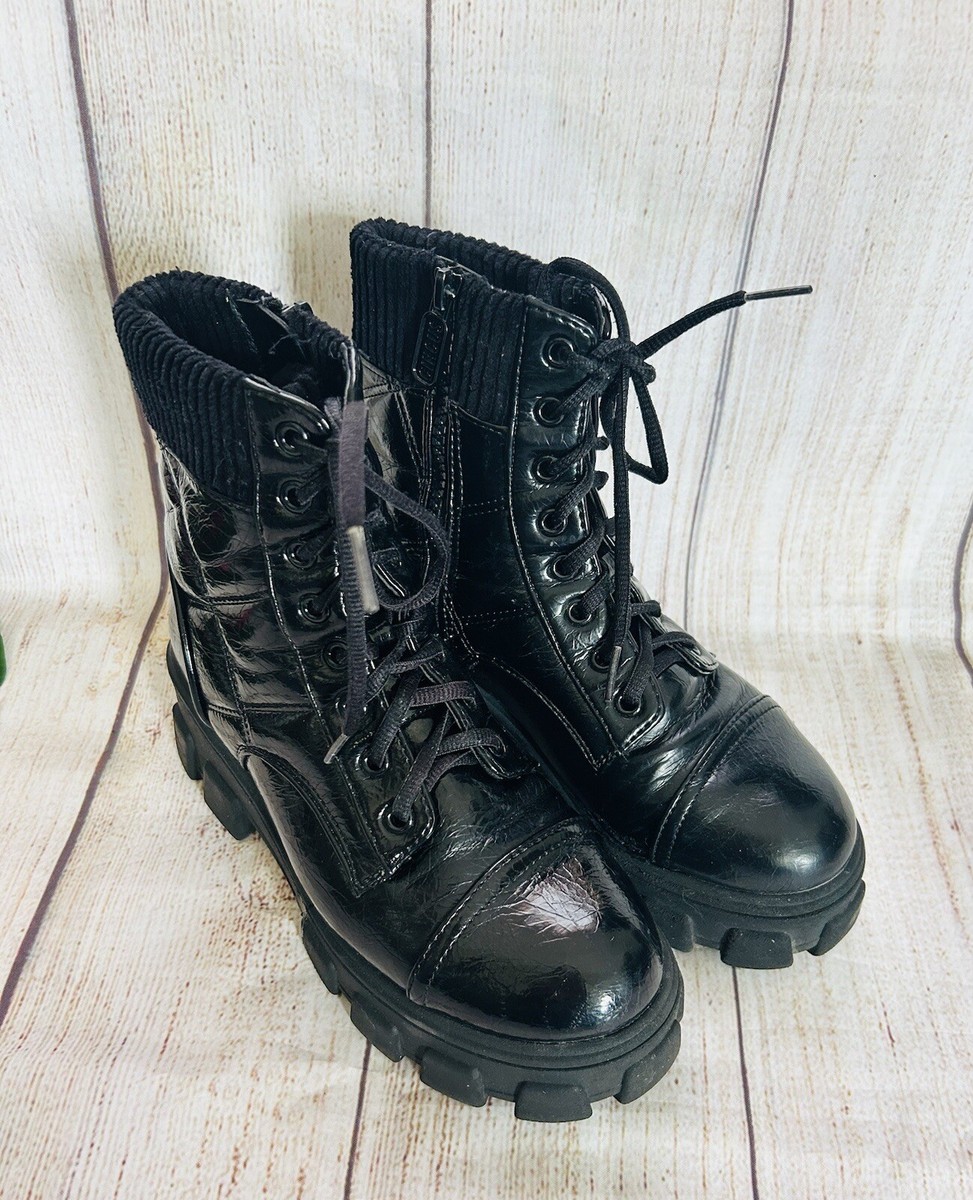
Why heel cracks happen and how to spot damage
Heel cracks are a wear-and-tear problem. They come from repeated pressure, moisture, age, or poor materials. Understanding causes helps you choose the right fix.
Common causes
- Repeated impact and walking stress that split the heel layers.
- Water or salt damage that weakens glue and leather.
- Poor construction or low-quality heel materials.
- Drying and shrinking of natural leather or cork.
How to spot serious damage
- Surface cracks that are only cosmetic.
- Deep separations between stacked layers.
- Cracks that run into the sole or affect heel stability.
If you want to know how to repair cracked boot heels professionally, first assess whether the crack is cosmetic or structural. That determines whether you do a quick DIY or a rebuild.

Tools and materials a pro uses
A clean workspace and the right tools save time. Use quality items for long-lasting results.
Essential tools
- Fine and medium grit sandpaper (120–400 grit)
- Rotary tool or rasp for stubborn layers
- Heel clamps or C-clamps
- Small brushes and applicators
- Leather edge cleaner and dye
Recommended materials
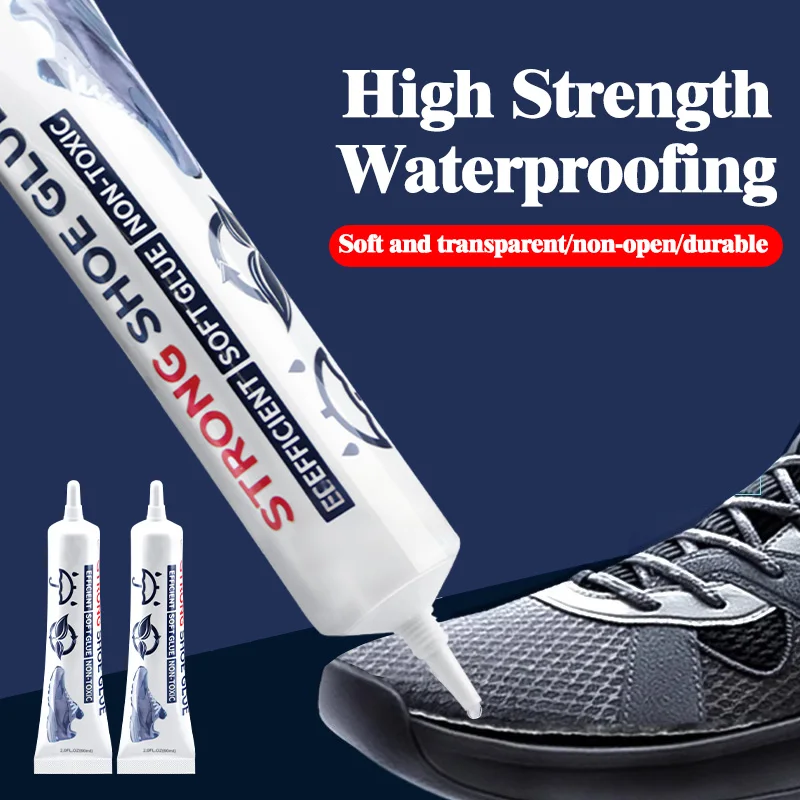
- Strong contact cement or polyurethane shoe glue
- Leather or rubber heel replacement blocks
- Heel repair filler or epoxy for gap filling
- Leather conditioner and sealant
- Finishing nails for stacked heels (optional)
My experience: I always keep a few glue types. Contact cement works fast. Polyurethane adhesive gives stronger bonds for flexible materials. Knowing how to repair cracked boot heels professionally starts with matching materials to your heel type.
Step-by-step: how to repair cracked boot heels professionally
This step-by-step section covers most heel types. Read each section for leather, stacked, and rubber heels.
General prep steps
- Clean the heel and remove dirt and old glue with a brush and alcohol.
- Dry boots fully; trapped moisture breaks adhesives.
- Clamp and stabilize the boot to work comfortably.
Leather or stacked leather heel repair
- Remove loose layers carefully with a rasp or utility knife.
- Sand mating surfaces lightly for tooth.
- Apply contact cement to both surfaces; wait for tacky feel.
- Press layers together and clamp for at least one hour.
- Fill small gaps with a flexible leather filler and sand smooth.
- Dye and finish the edges to match the boot.
Rubber heel repair or replacement
- Remove the old rubber heel if it is too thin or badly cracked.
- Sand the sole and heel mating surface for good adhesion.
- Use a polyurethane shoe glue for rubber-to-rubber or rubber-to-leather bonds.
- Clamp with even pressure and let adhesive cure fully per instructions.
- Trim and sand excess, then texture the new heel for traction.
Synthetic or glued-on heels
- Heat can help remove factory adhesives safely.
- Clean surfaces and use epoxy for large gaps or broken chunks.
- For thin cracks, flexible fillers work best before finishing.
Professional tip: when you do this often, you’ll learn how to repair cracked boot heels professionally by eye — matching glue type to material and not rushing clamping times.

Finishing touches and maintenance for lasting results
A good finish hides repair marks and extends heel life. These small steps matter.
Edge finishing
- Sand edges smooth with progressive grit.
- Apply dye or edge paint in thin layers.
- Seal with a leather or synthetic finish.
Protective steps
- Condition leather to prevent drying.
- Use heel caps if the original heel wears down fast.
- Rotate boots and avoid wet conditions when possible.
Maintenance schedule
- Inspect heels monthly if you wear boots often.
- Reapply edge finish every few months for heavy use.
From my shop: most failures come from skipping finish and sealing steps. Take the time to finish, and your repair will hold.

Common mistakes and troubleshooting
Avoid these pitfalls that undo good work.
Mistake: Using the wrong glue
- Problem: Glue fails or makes the heel brittle.
- Fix: Match glue to material — contact cement for leather layers, polyurethane for rubber.
Mistake: Not drying boots fully
- Problem: Moisture prevents bond and causes delamination.
- Fix: Air-dry for 24–48 hours or use a low heat source.
Mistake: Rushing clamping time
- Problem: Weak bond and shifting layers.
- Fix: Follow glue cure times and clamp overnight if unsure.
Troubleshooting quick guide
- If the heel separates again, strip old adhesive and re-glue with a stronger product.
- If dye looks uneven, thin coats and light sanding correct it.
- For recurring cracks, consider a full heel replacement rather than patching.
I’ve reworked repairs where the owner used household glue. That taught me to explain glue choices clearly. Learning how to repair cracked boot heels professionally means learning to avoid these common errors.

When to seek a professional cobbler
Some jobs need a pro. Know when to stop and ask for help.
Signs to use a pro
- Structural damage to the heel block or sole.
- Repeated failures after DIY repairs.
- High-value or sentimental boots that need careful work.
Professional services usually offer
- Full heel rebuilds with matching materials.
- Re-stacked leather heels and injection-molded replacements.
- Color matching and structural warranty.
If you’re unsure, take a few photos and ask a cobbler. A skilled cobbler will explain options and costs. Knowing when to step back is part of how to repair cracked boot heels professionally.

Frequently Asked Questions of how to repair cracked boot heels professionally
How long does a professional heel repair usually take?
A simple reglue and finish can take a few hours, but cure times often mean waiting 24 hours for full strength. Full heel replacements may take 1–3 days depending on parts and shop workload.
Can I fix a cracked heel myself without special tools?
Yes, minor cracks can be fixed with basic tools, quality glue, and patience. For structural cracks or high-value boots, a professional is safer.