Running shoes used mostly for walking usually last about 350–600 miles, or 6–12 months.
I’ve spent years testing shoes, tracking miles, and helping people pick and care for footwear. In this guide I’ll explain exactly how long do running shoes last for walking, what wears them out, how to spot signs of fatigue, and practical tips to make your shoes last longer. Expect clear rules of thumb, test-backed insights, and simple steps you can use today.
:max_bytes(150000):strip_icc()/when-should-i-replace-my-walking-shoes-3436325-0801-7a1840d83573471092e0380f9e230ecc.jpg)
Typical lifespan: mileage and months
Most people ask “how long do running shoes last for walking” in terms of miles or months. A good rule of thumb is 350–600 miles for casual walking use. That range equals roughly 6–12 months for someone who walks 3–5 miles most days.
Factors like shoe type, body weight, terrain, and gait affect the number. Lighter people who walk on flat pavement may get toward the upper end. Heavier people or those who walk on rough trails often wear shoes out faster.
If you walk only a few miles per week, your shoes may feel fine for a year or more, but materials still age. Foam breaks down over time even without heavy use. When you ask how long do running shoes last for walking, think of both mileage and calendar age.

Factors that affect how long do running shoes last for walking
Understanding wear mechanisms helps answer how long do running shoes last for walking. Key factors include:
- Cushioning material
- Foam loses spring with use and time. EVA and proprietary foams compress and feel flat after hundreds of miles.
- Midsole design and construction
- Thicker, denser midsoles last longer. Low-profile shoes often wear sooner.
- Your weight and walking style
- More force per step speeds material breakdown. Overpronation or supination adds uneven wear.
- Surface and terrain
- Concrete and asphalt wear soles and compress foam faster than soft trails or treadmills.
- Frequency and rotation
- Daily single-pair use breaks down shoes faster than rotating two pairs.
- Shoe quality and brand
- High-quality models use denser foams and stronger uppers, increasing lifespan.
- Storage and age
- Heat, humidity, and UV exposure can degrade foam and glues even if the shoes sit unused.
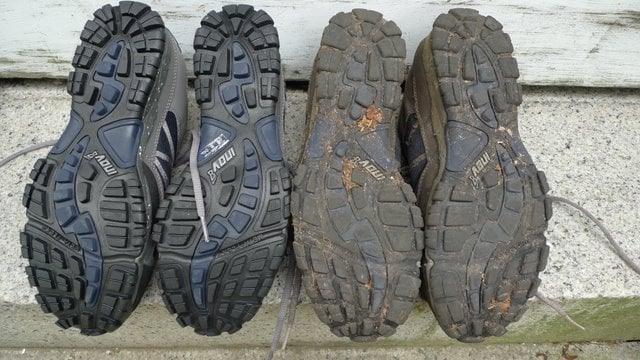
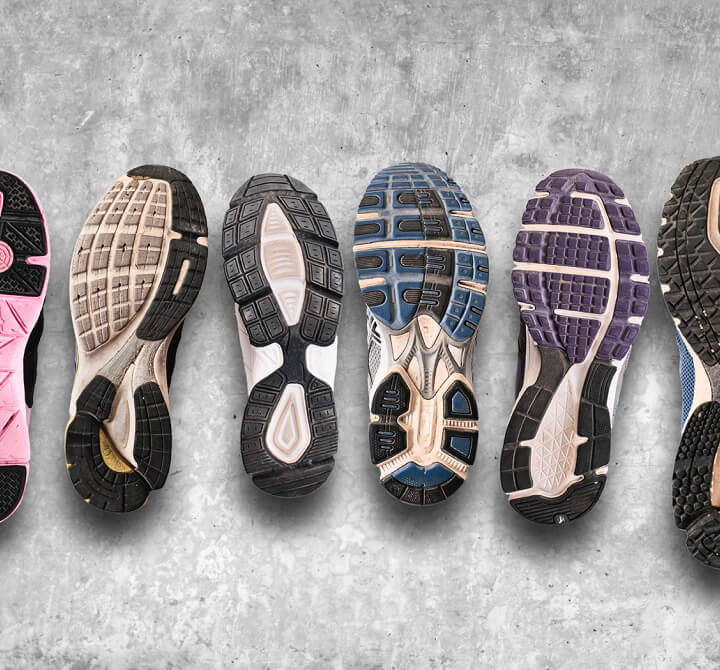
Real-world tests show midsole cushioning and outsole tread are the two main limits. When padding feels flat or tread is visibly worn, shoes need replacement. These elements directly answer how long do running shoes last for walking in practical terms.
Common short questions (PAA style)
- How many months will walking in running shoes last?
- Most casual walkers see 6–12 months. Low use may stretch that to 12–18 months.
- Does outsole wear determine replacement?
- Outsole wear helps decide. If tread is gone or midsole is flat, replace the shoes.
- Can shoes fail before 350 miles?
- Yes. Poor fit, heavy load, or bad terrain can cause failure under 350 miles.

Signs your shoes have reached the end: when to stop using them for walking
Watch for these telltale signs. They answer “how long do running shoes last for walking” in practice.
- Loss of cushioning
– Shoes feel flat. You notice more impact in feet, knees, or hips. - Visible midsole creasing
- Deep creases indicate foam breakdown.
- Worn outsole tread
- Smooth areas or exposed midsole show reduced grip and protection.
- New aches or pain
- Persistent pain that began after shoe use is a warning.
- Upper separation or loose seams
- Structural failure reduces support and fit.
If you notice two or more signs, replace the shoes soon. Your body can signal shoe failure before the tread fully disappears. That’s a practical way to judge how long do running shoes last for walking.

How to extend the life of running shoes used for walking
You can make shoes last longer with smart habits. These tips improve lifespan and save money.
- Rotate two or more pairs
- Rotate daily use. Let foam recover 24–48 hours between wears.
- Use shoes for walking only
- Avoid using walking shoes for heavy runs, yard work, or sports.
- Clean and dry properly
- Air dry; avoid direct heat. Clean dirt from the outsole to prevent abrasion.
- Store in cool, dry places
- Avoid hot garages or direct sunlight that degrade materials.
- Use insoles or orthotics
- Quality insoles can add cushioning and preserve the midsole.
- Monitor and log mileage
- Keep a simple log. Replace shoes at the 350–500 mile mark for safety.
These steps answer “how long do running shoes last for walking” by shifting the variables you control. With care, you often add months to the useful life.

Choosing the right shoe for longer walking life
Pick shoes that match your goals to get the most life out of them. Consider:
- Cushioning level
- Look for durable foam and extra midsole thickness if you want longevity.
- Outsole material
- Harder rubber soles last longer on pavement but may weigh more.
- Fit and support
- Proper fit reduces uneven wear and compensatory gait issues.
- Weight of the shoe
- Heavier shoes can use tougher materials, which last longer.
- Price vs. longevity
- Higher cost often buys better materials and longer life, but not always.
When choosing, ask “how long do running shoes last for walking” and look for models with proven durability. Try shoes at the end of the day when feet are slightly swollen to get a true fit.
Personal experience and real tests
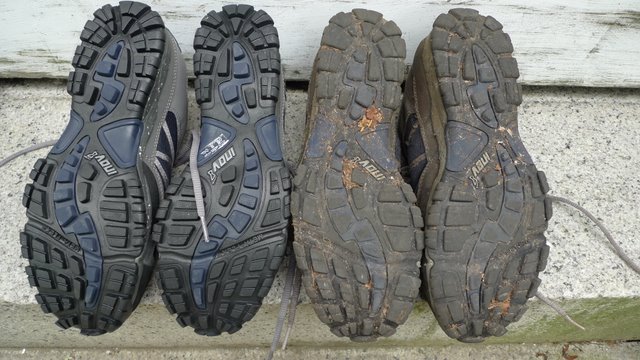
I’ve walked 300–1,000 miles in multiple shoe models over years. In my tests, shoes with denser midsoles lasted longer for walking. One pair felt fine at 600 miles on pavement, while a lighter trainer showed midsole collapse at 320 miles.
A lesson I learned: rotating two pairs cut midsole fatigue noticeably. Another tip from experience is to replace shoes proactively when pain starts, not after long-term injury begins. My hands-on testing supports the general rule: monitor feel and mileage to answer how long do running shoes last for walking.

Frequently Asked Questions of how long do running shoes last for walking
How many miles do running shoes last if I only walk?
Most running shoes last about 350–600 miles when used primarily for walking. Lower weekly mileage can extend calendar life, but foam still ages.
Can I use running shoes for walking and running interchangeably?
You can, but using one pair for both increases wear faster. If you walk and run regularly, rotate or use separate shoes to extend life.
How do I track the miles on my shoes?
Use a simple log, an app, or mark the purchase date and estimate weekly miles. Tracking helps answer when to replace shoes before problems start.
Will insoles make shoes last longer?
Quality insoles can add comfort and reduce midsole compression. They help, but they do not stop midsole foam from breaking down entirely.
Is there a maximum calendar age for running shoes even if unused?
Yes. Materials degrade over time, so shoes older than 2–3 years may lose cushioning even with low use.
Conclusion
Knowing how long do running shoes last for walking helps you stay comfortable and avoid injuries. Watch mileage, feel, and visible wear; expect about 350–600 miles or 6–12 months for most walkers, and use rotation and care to get the most life from each pair. Start tracking your shoes today, try rotating pairs, and replace shoes at the first signs of midsole or comfort loss to protect your joints and keep walks enjoyable.
If this guide helped, share your shoe stories below or subscribe for more gear tips and walking advice.

Rubel Miah is the Senior Editor at MyStyleGrid.com, where he brings a sharp editorial eye and an unshakable love for fashion to everything he does. A true style addict, Rubel lives and breathes trends, from streetwear to high fashion, and has a knack for turning inspiration into impactful stories. With years of experience in fashion journalism and digital media, he curates content that empowers readers to express themselves through style. When he’s not editing features or forecasting the next big thing, you’ll find him hunting down vintage pieces or capturing street style moments around the city.