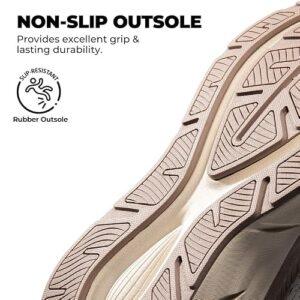
Most hiking boots offer slip-resistant outsoles, but effectiveness varies by tread, rubber, and surface.
When people ask are hiking boots slip resistant, I answer with nuance: many boots are designed for traction, yet no pair is universally slip-proof. I’ve tested boots on wet rock, mud, and packed snow, and I’ll walk you through what affects grip, how manufacturers test traction, and practical steps to improve safety on the trail. Read on to learn exactly when hiking boots help, when they don’t, and what to look for when buying your next pair.

Are hiking boots slip resistant: how traction actually works
Traction comes from two things. One is the rubber compound on the shoe sole. The other is the tread shape that channels water, mud, or loose rock away from contact points. When you ask are hiking boots slip resistant, know that traction is situational. A sole can grip mud well but fail on wet, smooth rock.
Understanding friction helps. Soft, sticky rubber grips smooth wet surfaces better. Harder rubber lasts longer but can slide more on slick rock. Designers trade off durability and grip.

Factors that affect whether hiking boots are slip resistant
Many variables change real-world slip resistance. Consider these key factors when you wonder are hiking boots slip resistant.
- Outsole rubber compound. Softer, tackier rubbers improve grip on wet stone and roots.
- Tread depth and pattern. Deep lugs bite into mud and dirt. Multidirectional lugs help braking and lateral grip.
- Surface type. Rock, packed dirt, wet roots, and snow all behave differently underfoot.
- Wear and age. Worn tread and hardened rubber reduce traction.
- Boot fit and weight distribution. A loose fit lets your foot slide inside, which feels like outsole slip.
Sole materials and tread patterns: what to look for
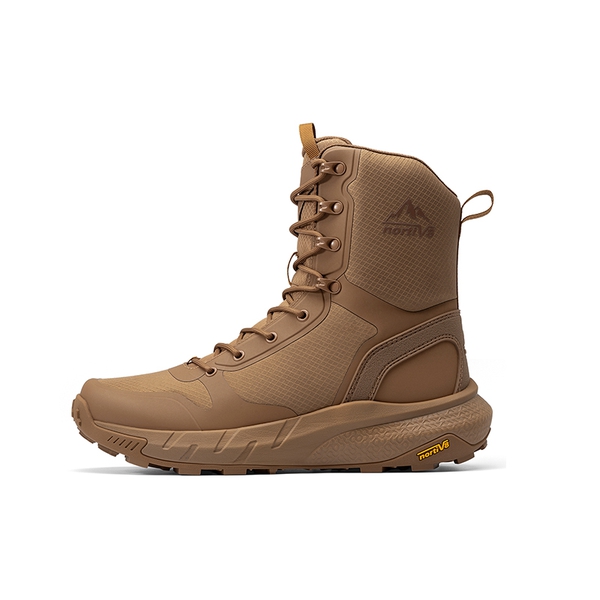
Brands use different rubbers and patterns for traction. Focus on these features to improve odds of slip resistance.
- Sticky rubber compounds. Often called “grippy” or “high-traction” soles. They excel on wet, smooth surfaces.
- Lug pattern. Big, spaced lugs shed mud. Smaller, dense lugs can work better on compact dirt.
- Multidirectional lugs. They help with uphill, downhill, and side-step traction.
- Rock plates and midsole stiffness. A rigid sole keeps sharp rocks from flexing the foot, improving stable contact.
When evaluating a boot, try it on a hard surface in the store and mimic a side-step. If the sole slides easily on ceramic or tile, it may not grip wet rock well outdoors.

Testing and standards for slip resistance
There’s no single global standard that covers all trail conditions. Some lab tests simulate wet tile or coated steel to rate slip resistance. Brands may list slip-resistant features or use internal tests for wet-rock and mud. When you ask are hiking boots slip resistant, check manufacturer claims, but treat them as a guide rather than a guarantee. Real trails change rapidly. Look for third-party reviews and trail tests that show boots tested on surfaces similar to those you hike.

Real-world tips to improve traction on the trail
You can boost slip resistance with simple habits and care. These steps matter more than any single boot spec.
- Keep soles clean. Mud-filled lugs reduce bite. A quick scrape or brush improves grip.
- Replace worn boots or soles. Many boots can be resoled to restore tread.
- Use traction aids. Microspikes or crampons help on ice and packed snow.
- Choose boots for the terrain. Pick sticky soles for wet rock, deep-lug soles for mud, and stiffer soles for scree.
- Watch your step. Slow down on wet or glazed rock and use trekking poles for balance.

When hiking boots might fail you
Even the best boots have limits. Know these situations where slip resistance drops.
- Wet, smooth rock. Water reduces contact friction; smooth surfaces get slick fast.
- Fine clay and grease-like mud. This can coat soles and remove bite.
- Ice without spikes. Regular soles rarely have enough grip on glazed ice.
- Extreme wear. Years of use can flatten tread and harden rubber, cutting traction.
If you ask are hiking boots slip resistant for winter mountaineering, the honest reply is that you will likely need dedicated traction devices rather than relying on boots alone.

Personal experience and practical lessons from the trail
I once hiked a granite slab after rain with boots that had a soft, grippy rubber. They still slipped on polished sections. Later, I switched to a boot with a softer compound and more aggressive lugs for the same route and felt notably safer. From years of testing, I learned these lessons:
- Test boots in conditions like those you hike. Walk on wet pavement and tree roots before committing.
- Don’t trust brand photos; seek hands-on reviews.
- Carry simple traction tools. They save more than an hour of sliding and shaken confidence.
I’ve resoled boots twice and regained traction each time. Resoling is a cost-effective way to restore slip resistance when tread depth drops.
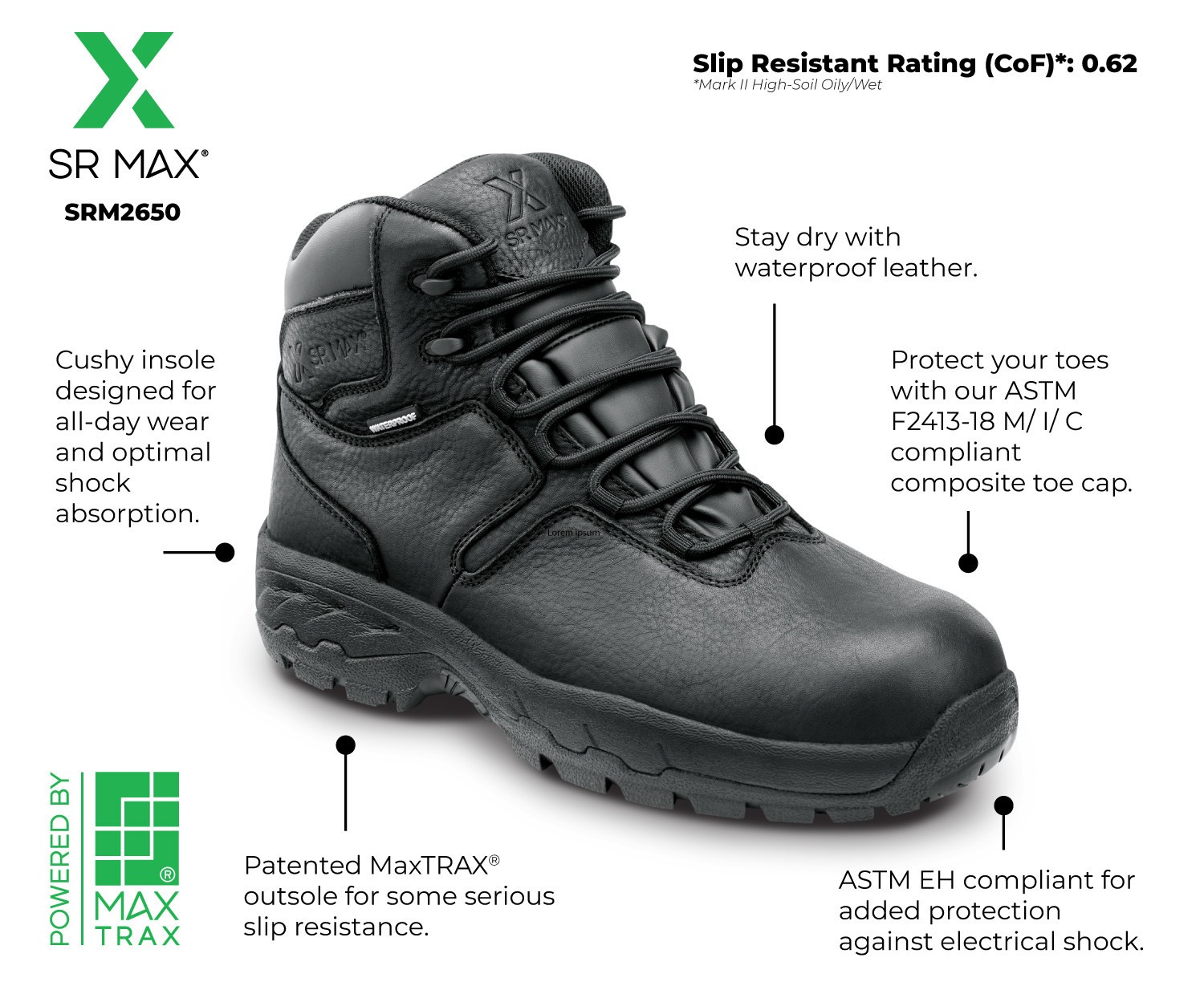
Common quick questions about slip resistance (PAA-style)
Will hiking boots prevent slips on wet rocks?
Some boots with sticky rubber and good tread help, but wet, smooth rock can still be slippery. Use care and poles for added safety.
Do deeper lugs always mean better grip?
Deeper lugs grip loose ground and mud well, but they may feel unstable on flat, wet rock. Choose lugs for the terrain you’ll face.
Can I test slip resistance at home?
Yes. Try walking slowly on a wet tile or glazed surface to feel how the sole reacts. It’s not perfect but reveals major problems.

Frequently Asked Questions of are hiking boots slip resistant
Are all hiking boots made to be slip resistant?
Not all. Many boots are designed with traction in mind, but designs vary by intended use. Check outsole specs and reviews for real-world grip.
How long does slip resistance last?
It depends on use. Heavy trail miles and rocky terrain wear tread faster; expect reduced performance after several seasons for frequent hikers.
Can I improve grip on worn boots?
Yes. Resoling, cleaning lugs, and using temporary traction devices can restore or improve grip. Regular maintenance helps a lot.
Do waterproof boots affect slip resistance?
Waterproof membranes inside boots don’t change outsole grip. However, some waterproof boots use stiffer soles, which can affect feel and traction.
Should I choose softer or harder rubber for grip?
Softer rubber usually grips wet rock better, while harder rubber lasts longer on abrasive surfaces. Pick based on your trail type and mileage.
Conclusion
Hiking boots can be slip resistant, but that depends on the sole compound, tread design, wear, and the surface you hike on. Select boots for the terrain you use, maintain the soles, and carry simple traction aids when needed. The best move you can make is to match gear to conditions and to test boots before committing to long or technical routes. Try new boots in conditions like those you hike, keep the soles clean, and consider resoling when tread wears thin. If this helped, try a practical test on a wet surface or leave a comment about the trails you hike and the boots you trust.

Rubel Miah is the Senior Editor at MyStyleGrid.com, where he brings a sharp editorial eye and an unshakable love for fashion to everything he does. A true style addict, Rubel lives and breathes trends, from streetwear to high fashion, and has a knack for turning inspiration into impactful stories. With years of experience in fashion journalism and digital media, he curates content that empowers readers to express themselves through style. When he’s not editing features or forecasting the next big thing, you’ll find him hunting down vintage pieces or capturing street style moments around the city.