Yes — with precautions: use low heat, protective barriers, and short cycles to avoid damage.
I’ve worked with shoes for years and I know the temptation to toss damp sneakers into the dryer. This guide shows exactly how to dry shoes in the dryer safely, when to avoid it, and step-by-step methods that protect materials and extend shoe life. Read on for expert tips, real-life lessons, and clear actions you can use the next time your shoes are wet.
/how-to-dry-sneakers-in-dryer-6753174-10-64e3485799884a12ae8556dea95f45d9.jpg)
Why drying shoes in the dryer needs care
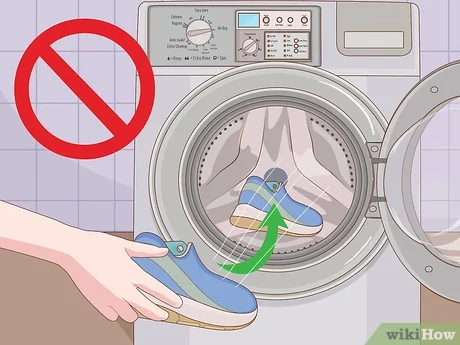
Dryers are fast and convenient, but heat and tumbling can harm shoes. High heat melts glue, shrinks fabrics, warps soles, and fades colors. Using the right settings and protection minimizes these risks and keeps shoes wearable.
I’ve seen canvas shoes survive frequent low-heat cycles, while a leather pair split after one hot tumble. That taught me to always check labels, remove insoles, and use low or no heat settings when learning how to dry shoes in the dryer.

Which shoes are safe (and unsafe) for the dryer
Knowing shoe materials matters more than style. Use this quick guide before you try how to dry shoes in the dryer.
Safe or usually safe
- Canvas sneakers and cloth slip-ons: tolerate low heat and short cycles.
- Synthetic athletic shoes: often made for machines; use low heat or air fluff.
- Certain rubber-soled sandals: may dry safely on low heat if glued parts are minimal.
Risky or unsafe
- Leather and nubuck: heat cracks leather and ruins finish. Air dry only.
- Suede: shape and texture will be damaged by tumbling and heat.
- Dress shoes and glued dress soles: heat can dissolve adhesives and deform shape.
- Shoes with embellishments, glued decorations, or leather trims: avoid the dryer.
When in doubt, follow the shoe label. If the label allows machine drying, use low heat and protective methods. If no label or it warns against machine drying, air-dry instead.

How to dry shoes in the dryer: step-by-step
This step-by-step method minimizes damage while drying shoes in a dryer.
- Read the care label
- Check for “do not tumble dry” warnings. If present, do not use the dryer.
- Remove loose dirt, laces, and insoles
- Brush off dirt and remove laces and insoles. Insoles dry faster separately and may warp in the dryer.
- Pre-dry if very wet
- Pat shoes with a towel or stuff with dry towels to remove excess water. This shortens dryer time.
- Use protective barriers
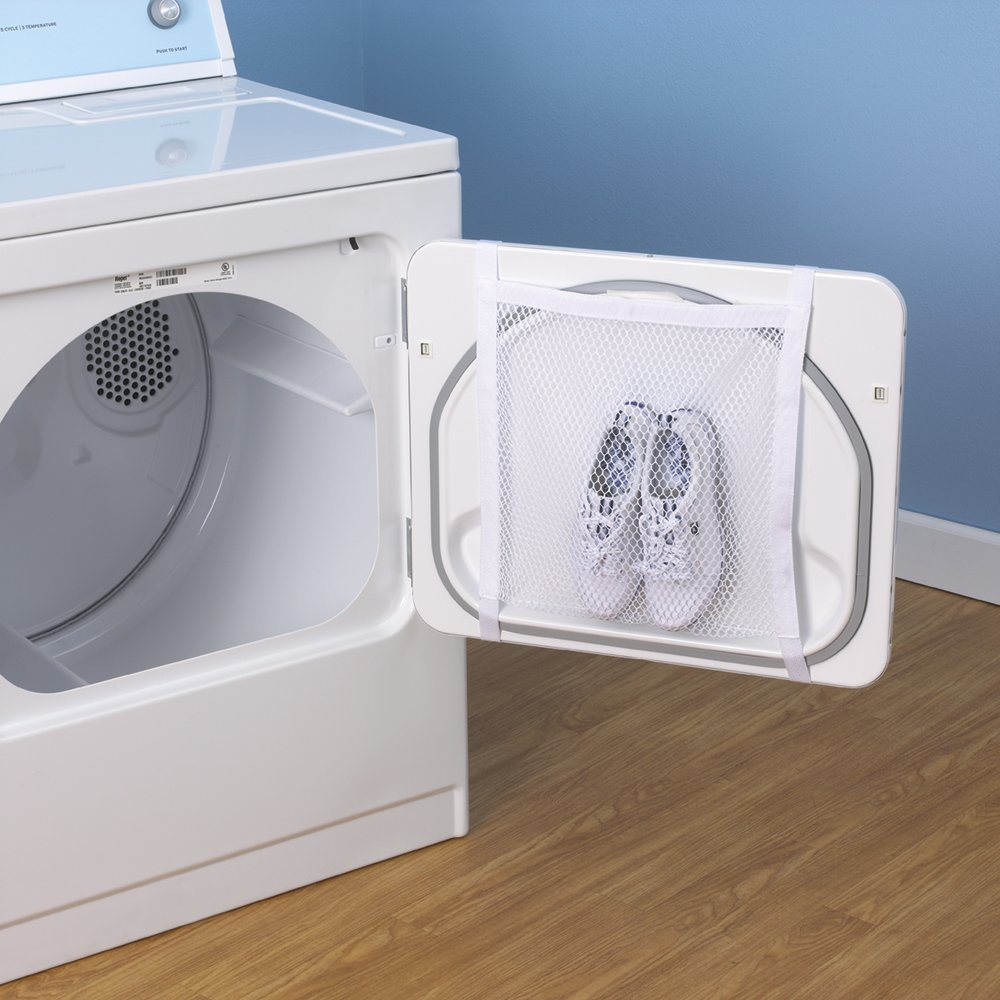
- Put shoes in a mesh laundry bag or a pillowcase tied closed. This reduces scuffing and protects the dryer drum.
- Balance the load
- Add 2-3 dry towels or dryer balls to cushion and balance the load. This cuts noise and prevents shoes from banging.
- Choose the right setting
- Select air-dry, tumble low, or no-heat/air fluff. If your dryer only shows temperatures, pick the lowest heat. Limit to 20–30 minute bursts and check often.
- Check frequently
- Stop the dryer every 10–15 minutes to check progress and reposition shoes. This prevents overheating and lets you remove shoes as soon as dry.
- Finish by air-drying if needed
- If shoes are nearly dry, finish at room temperature on a rack to preserve shape and material.
- Reinsert insoles and laces only when completely dry
- Damp insoles can harbor odor. Reassemble shoes when all parts are dry.
Practical settings and timings
- Canvas/synthetics: 20–40 minutes on low or air fluff, checking often.
- Lightly damp shoes: 10–20 minutes may suffice.
- Never exceed 60 minutes continuous heat.
Personal tip: I learned to run two short cycles rather than one long one. It reduces stress on glue and fabric while getting shoes dry fast.

Quick answers to common process questions
Can I dry sneakers with dryer balls?
Yes. Dryer balls cushion shoes and improve airflow. They shorten drying time and reduce noise.
Will low heat melt shoe glue?
Low heat is usually safe but not risk-free. Always check the shoe label and use short cycles to limit exposure.
Should I put metal accessories in the dryer?
Avoid metal pieces that can scratch the drum. Place shoes in a bag to prevent contact with the dryer interior.
:max_bytes(150000):strip_icc()/how-to-dry-sneakers-in-dryer-6753174-10-64e3485799884a12ae8556dea95f45d9.jpg)
Alternatives to using the dryer
When the dryer is not suitable, try these safer options.
- Air-dry at room temperature
- Remove insoles and stuff shoes with dry paper or towels to speed drying and keep shape.
- Fan or forced-air
- Place shoes in front of a fan for faster drying without heat.
- Heated shoe dryer or boot dryer
- These devices use low, controlled heat and vents to dry safely.
- Sunlight (short exposure)
- Brief sun can help, but prolonged direct sun may fade or crack materials.
- Drying rack with dehumidifier
- Works well in humid climates to draw moisture out.
I use a small boot dryer for wet hiking boots. It dries thoroughly without the high heat of a tumble dryer.

Troubleshooting and care tips
If something goes wrong, here’s how to fix or avoid common problems.
- Shrinkage or warping
- Cause: too much heat. Fix: reshape while damp and let air dry flat.
- Glue separation
- Cause: high heat dissolves adhesive. Fix: avoid the dryer and consider professional repair.
- Odor after drying
- Cause: bacteria or damp insoles. Fix: wash insoles, sprinkle baking soda, air out in sunlight briefly.
- Noisy tumbling
- Cause: shoes hitting drum. Fix: add towels and use mesh bag.
- Scuffed drum or damaged shoes
- Cause: metal parts or hard soles. Fix: avoid dryer or bag the shoes.
Lesson learned: I once ruined a pair of work shoes by running a hot cycle. Now I always err on the side of low heat and short cycles.
Safety and maintenance when drying shoes in the dryer
Protect yourself, the dryer, and your shoes.
- Clean the lint trap before and after shoe loads to prevent fire risk.
- Don’t dry shoes with flammable chemicals or heavy oils on them.
- Use a mesh bag or pillowcase to protect the dryer drum from scratches.
- Avoid dryers with gas burners if your shoes are very wet with water mixed with chemicals.
- Inspect shoes after each cycle; stop immediately if you see melting, bubbling, or a strong smell.
I maintain a small shoe-only routine: a quick sweep of lint and a visual check of the drum after any shoe runs. It’s quick and prevents costly damage.

Frequently Asked Questions of how to dry shoes in the dryer
Can I put any sneakers in the dryer?
Most canvas and many synthetic sneakers can go in on low heat, but always check the care label. If the label advises against machine drying, use air or a fan instead.
How long does it take to dry shoes in the dryer?
Drying time varies by material and wetness. Expect 20–40 minutes on low heat; check every 10–15 minutes to avoid damage.
Is it okay to dry shoe insoles in the dryer?
It depends on the material. Foam or gel insoles can warp, so air-dry them when possible. If the label allows, use a low, short dryer cycle and check often.
Will dryer heat ruin glue on shoes?
High heat can soften adhesives and cause separation. Use low heat or air fluff and keep cycles short to reduce this risk.
How do I stop shoes from banging in the dryer?
Use a mesh bag and add towels or dryer balls to balance the load. This cushions the shoes and cuts noise and wear.
Can drying shoes in the dryer remove smells?
Drying can kill some odor-causing bacteria if heat is used, but it won’t remove all smells. Wash insoles, use baking soda, or use a targeted deodorizer for persistent odors.
Conclusion
Drying shoes in the dryer can be fast and effective when done with care. Read labels, remove insoles, use protective bags, choose low heat or air-fluff, and check frequently. If a pair is delicate or labeled do not tumble dry, use air or a dedicated shoe dryer instead.
Try the low-heat, short-cycle method on a less valuable pair first. If it works, apply the same precautions to other shoes. Share your experience, ask questions below, or subscribe for more practical shoe care tips.
Madison Clark is a footwear expert and the voice behind MyStyleGrid.com. She specializes in honest shoe reviews, style tips, and practical guides to help readers find the perfect pair for any occasion. With years of experience in blogging and content creation, Madison makes footwear knowledge simple, stylish, and easy to follow.