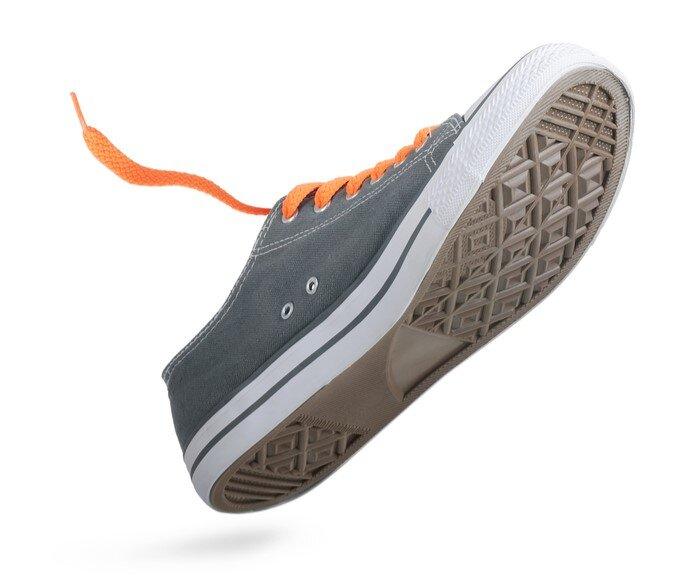
Scuff soles, add traction pads, or apply anti slip tape to improve grip quickly and cheaply.
I’ve spent years testing shoes on wet tile, busy kitchens, and icy sidewalks, so I know what works and what doesn’t. This guide on how to make shoes less slippery walks you through safe fixes, long-term upgrades, and prevention tips you can try today. Read on for step-by-step methods, tests you can run at home, and real-world lessons from my own trials.
Why shoes get slippery
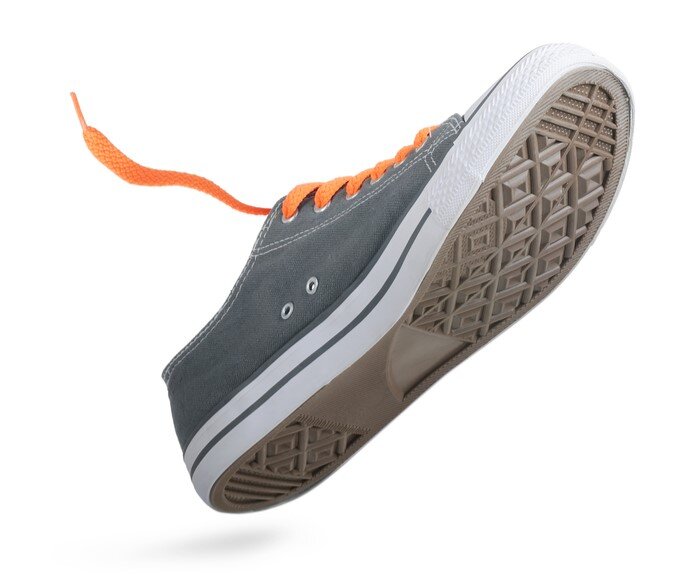
Shoes lose grip for a few clear reasons. New smooth soles, worn-down tread, and contamination like oil or soap cut traction. Some materials, like hard plastic or smooth leather, simply contact the floor in a way that reduces friction.
Wet surfaces change everything. Water acts like a thin film that reduces the grip between sole and floor. Grease, wax, and some cleaners make this worse. Even indoor surfaces such as polished tile or freshly mopped floors can be risky.
Knowing the cause helps you pick the right fix. If your issue is worn tread, repair or replace the sole. If it’s contamination, cleaning helps a lot. This short map will guide each solution below.

Practical methods for how to make shoes less slippery
Here are tested ways to make shoes less slippery. I list DIY fixes first, followed by commercial options. Pick one or combine a few for best results.
-
Scuff or roughen the sole
- Use fine sandpaper or a pumice stone to create texture on smooth soles. Work gently and test often.
- Best for rubber or hard sole shoes. Avoid on delicate or thin soles.
-
Add traction pads or anti slip stickers
- Peel-and-stick pads made of rubber or silicone add grip instantly. They come in clear, black, or skin tones for dress shoes.
- Replace when worn. They are inexpensive and fast.
-
Apply anti slip tape
- Clear or black tape with grit works on heels and forefoot. Cut to size and press firmly.
- Good for temporary fixes and high heels.
-
Hot glue dots (DIY)
- Squeeze small dots of hot glue onto the sole in a grid. Let cool and trim if needed.
- This is cheap and works on many sole types but may wear faster than commercial pads.
-
Use sole-protecting sprays or coatings
- Grip sprays create a tacky layer on soles. They wear off and need reapplication.
- Works well for short-term needs like a wet event.
-
Sole replacement or resoling
- For worn soles, take shoes to a cobbler for a proper resole. This restores tread and often adds a more slip-resistant material.
- The most durable fix for quality shoes.
-
Heel and toe taps
- Small rubber taps nailed or glued to heel tips improve traction and extend life.
- Common in dress shoes and boots.
-
Shoe grips and boot crampons for winter
- Removable metal or rubber traction devices fit over soles for icy conditions.
- Use only when needed; they can damage indoor floors.
How to choose among these? Match the fix to the shoe and situation. Light scuffing and pads work for day-to-day slips. For long-term safety, opt for resoling or high-quality traction pads.
Are there quick questions people ask about how to make shoes less slippery?
Will sanding my soles ruin the shoes?
Sanding low-key rubber soles is usually safe when done lightly. Avoid sanding patterned soles that are thin or contain glued layers; that could weaken them.
Can I use hairspray or glue to add grip?
Hairspray adds temporary tack but wears fast and can attract dirt. Hot glue works better but is less durable than commercial pads. Test in a small area first.
How to make shoes less slippery for different shoe types
Different shoes need different approaches. Here’s how to handle common types.
-
Sneakers and athletic shoes
- Clean soles thoroughly. Scuff new smooth soles and add thin rubber traction pads if needed.
- Replace outsole if tread is worn.
-
Dress shoes and loafers
- Use clear anti slip pads for minimal look change. Heel taps help with dress shoes.
- Avoid aggressive sanding that harms leather edges.
-
High heels
- Add small non-slip rubber pads to the ball and heel areas. Anti slip tape on the bottom helps too.
- For formal events, consider removable grip pads to keep appearance.
-
Boots and work shoes
- Replace soles or add thick rubber soles for heavy work. Use crampons only for ice.
- Keep soles clean of oil and embedded debris.

Testing traction and safety tips
Always test changes before trusting them in risky conditions. Simple tests help you assess results quickly.
-
Home slide test
- Walk on a tiled or tiled-like surface that you can wet safely. Try slow, then normal steps. Note any slipping.
- Repeat with a wet surface for a more realistic check.
-
One-foot pivot test
- Stand with feet shoulder-width. Pivot on one foot. If the shoe slides easily, traction is poor.
-
Visual and feel check
- Look for smooth shiny spots on the sole; these often mean low grip. Feel for tackiness or texture.
Be safe while testing. Don’t test on stairs or in places where a fall would cause harm. If in doubt, use a helper or hold a rail.
Maintenance and prevention to keep shoes grippy
Small habits extend traction and reduce the need for fixes.
-
Clean soles regularly
- Remove gum, dirt, and oils with mild soap and a brush. Let dry before testing.
- A clean sole grips better than a dirty one.
-
Rotate shoes
- Use different pairs for different tasks. Constant wear wears tread faster.
-
Store shoes properly
- Keep them dry and cool. Heat can harden some sole materials and reduce grip.
-
Buy with traction in mind
- Look for soles with deep tread and soft, grippy rubber. Ask sales staff about slip resistance.
-
Inspect often
- Check for wear, smooth spots, or thinning soles. Repair early to avoid slipping.
Common mistakes to avoid when trying to make shoes less slippery
Some fixes feel tempting but backfire. Avoid these common errors.
-
Using oil-based products
- Oils and silicones can make shoes dangerously slick. Never apply lubricants to soles.
-
Over-sanding
- Too much sanding thins the sole and shortens shoe life. Sand gently and check often.
-
Cheap permanent adhesives
- Some glues blacken or harden in ways that reduce grip. Use adhesives meant for footwear.
-
Ignoring shoe fit
- Loose-fitting shoes increase the risk of slips. Good fit matters as much as sole grip.
-
Forgetting to replace worn pads
- Old grip pads lose effectiveness and can peel, creating new hazards.
Personal experience: what worked for me
I once slipped on a wet restaurant floor in new leather shoes. I tried hairspray, but it failed within hours. The simple fix that stuck was clear rubber traction pads applied to the forefoot and heel. They lasted months and preserved the shoe’s look.
Another time, I bought a pair of cheap winter boots and found the hard plastic sole useless on ice. A cobbler added a soft rubber sole and the boots became reliable. Lesson: sometimes a small investment pays off in safety.
If you’re testing ideas at home, start cheap and reversible. Keep notes on what lasts and what fails. My rule: if a fix needs redoing every week, choose a more permanent option.

Frequently Asked Questions of how to make shoes less slippery
How long do traction pads last?
Traction pads typically last from a few months to a year depending on use, floor type, and how often you walk on abrasive surfaces.
Will sanding make dress shoes look bad?
Light scuffing under the sole edge is usually invisible. Avoid sanding leather uppers or thin soles to prevent cosmetic damage.
Is hot glue safe on all soles?
Hot glue bonds well to many soles but can peel sooner on very smooth or oily materials. It may also discolor some soles.
Can I use household cleaners to improve grip?
Cleaners remove oils and dirt, which helps grip. Avoid wax-based or oily cleaners that leave a film on the sole.
Are anti slip sprays safe for all shoe types?
Sprays can work short-term on rubber soles but may wear off and attract dirt. Test on a small area before wider use.
Conclusion
You can make shoes less slippery with a mix of cleaning, simple DIY fixes, and smarter buying choices. Start with small, reversible changes like traction pads or light scuffing, and move to resoling or professional repairs if needed. Try one method today, test it, and adjust based on results.
Take action now: inspect a pair of shoes, pick one quick fix, and test it safely. If this helped you, leave a comment or share your own tricks so others can step safer.

Madison Clark is a footwear expert and the voice behind MyStyleGrid.com. She specializes in honest shoe reviews, style tips, and practical guides to help readers find the perfect pair for any occasion. With years of experience in blogging and content creation, Madison makes footwear knowledge simple, stylish, and easy to follow.