Wipe off dirt, scrub with mild soap, rinse, and air-dry — repeat for stubborn grime.
I’ve cleaned hundreds of pairs of sandals over the years, and I’ll walk you through proven, safe methods to clean soles of sandals for every material and mess. This guide covers quick fixes, deep-cleaning techniques, disinfection, and long-term care. Read on for step-by-step instructions, real-life tips, and practical solutions that keep sandals looking and smelling fresh.
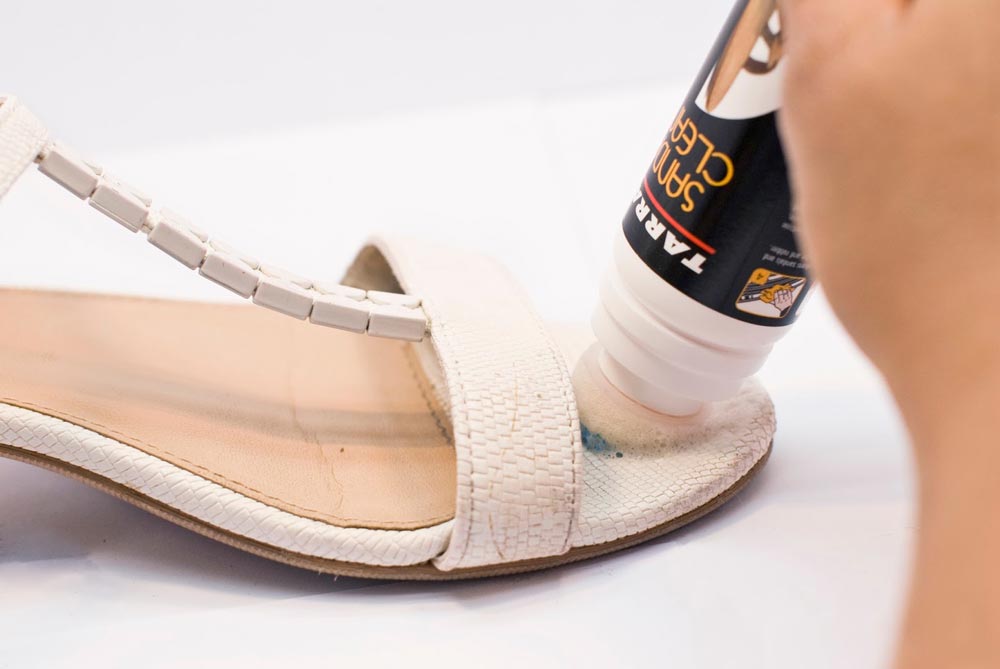
Why clean the soles of sandals?
Clean soles matter. Dirt and grime wear out treads. They trap bacteria and create bad smells. Keeping the soles clean also improves traction and extends the life of your sandals.
I’ve seen people toss sandals too soon because the soles looked bad. A proper clean can restore them. This saves money and reduces waste. Regular sole cleaning is simple and effective.

What you'll need: tools and supplies
Gather basic supplies before you start. Use mild cleaners to protect materials.
- Soft brush: An old toothbrush or soft shoe brush for grooves and treads.
- Cloths: Microfiber or cotton rags for wiping and drying.
- Mild soap: Dish soap or gentle laundry detergent for most soles.
- Baking soda: For odor and gentle abrasion.
- White vinegar: For disinfecting and stain lifting.
- Rubbing alcohol: For quick disinfecting of small areas.
- Bucket or basin: For soaking removable soles or sandals.
- Toothpick or wooden skewer: To remove trapped debris in grooves.
- Magic eraser: Use sparingly on rubber or EVA soles for scuffs.
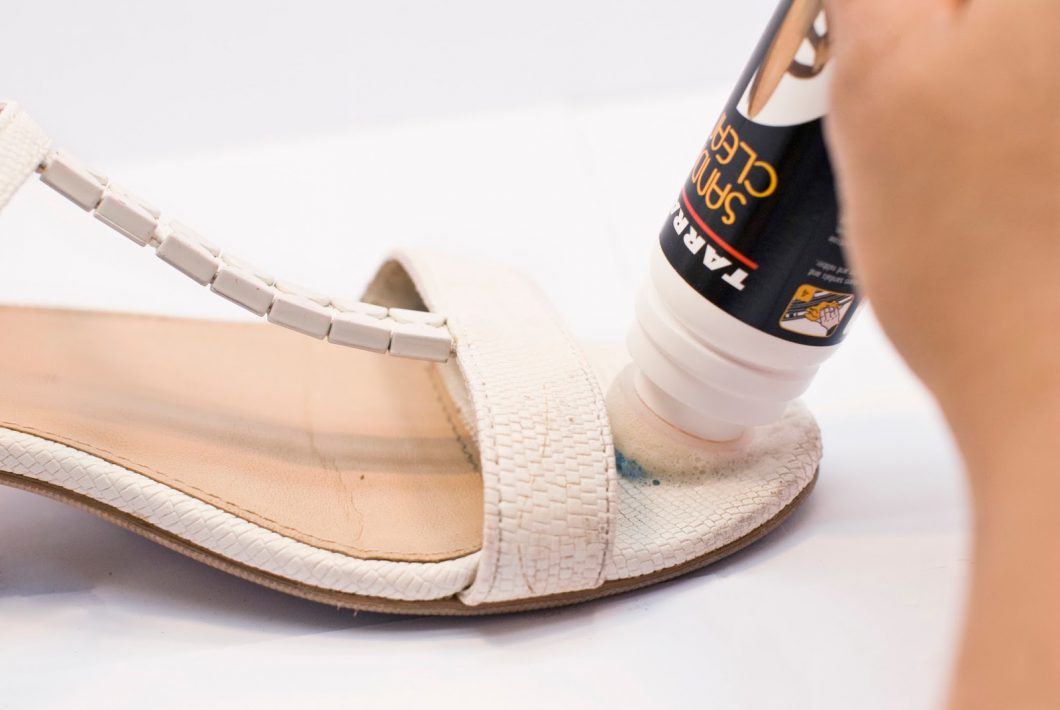
Step-by-step: how to clean soles of sandals (general method)
Follow this general process for most sandals. It works well for rubber, foam, and synthetic soles.
- Remove loose dirt
- Tap the sandals together outdoors. Use a dry brush to remove loose dirt from the soles.
- Prepare a cleaning solution
- Mix warm water with a few drops of mild soap. For odor, add a tablespoon of baking soda.
- Scrub the soles
- Dip the brush in the solution and scrub along the treads and edges. Use firm, short strokes.
- Rinse thoroughly
- Rinse with clean water. Avoid soaking leather uppers. Use a damp cloth to wipe away soap.
- Dry completely
- Air-dry away from direct sun or heat. Flip sandals to dry both sides.
- Repeat for stubborn grime
- For ingrained dirt, repeat scrubbing or use a paste of baking soda and water.
This routine for how to clean soles of sandals is fast and reliable. You can do it weekly or after a muddy hike.
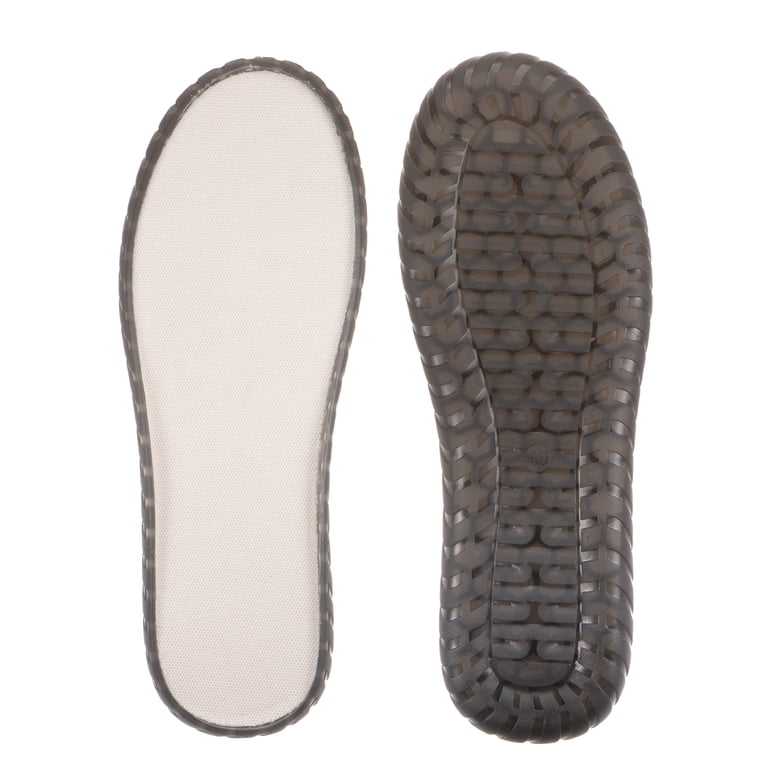
Cleaning by material: targeted methods
Different sole materials need different care. Here’s how to clean soles of sandals by type.
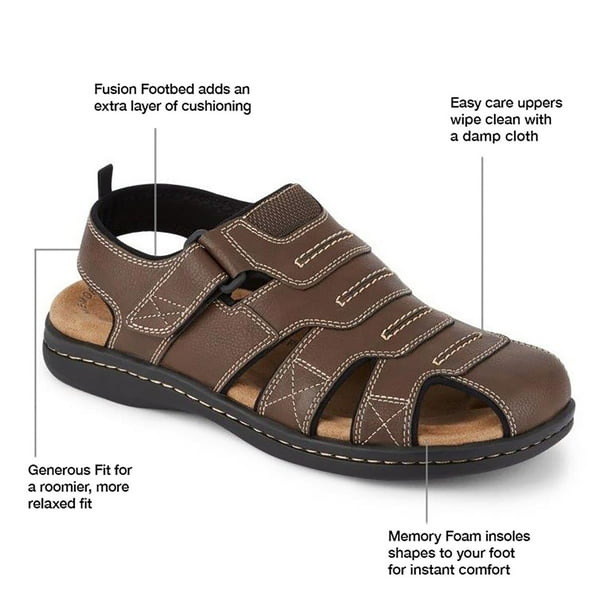
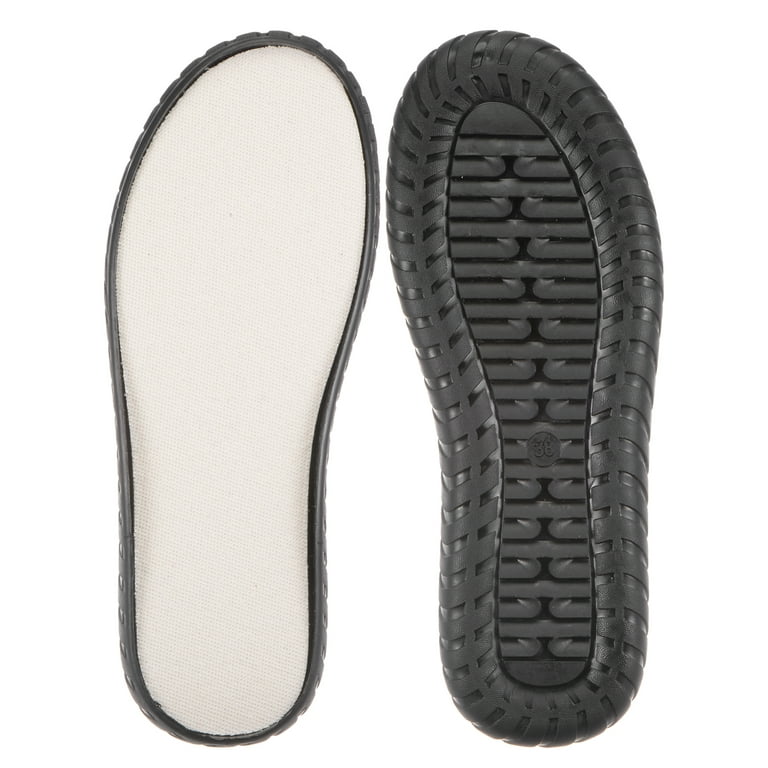
- Rubber and EVA soles
- Use soap, water, and a soft brush. For scuffs, a magic eraser works well. Rinse and air-dry.
- Cork soles
- Wipe with a damp cloth and mild soap. Avoid soaking cork. Condition with a small amount of cork seal or natural oil if the cork looks dry.
- Leather soles and leather-trimmed sandals
- Avoid heavy water. Use a slightly damp cloth and saddle soap or leather cleaner. Let air-dry and then condition with leather balm.
- Foam and molded footbeds (EVA, PU)
- Scrub gently with mild soap. Use a toothbrush for grooves. Avoid harsh solvents that degrade foam.
- Fabric or woven soles
- Spot-clean with soap solution. For tough stains, use a mixture of baking soda and water. Air-dry completely to prevent mildew.
These tips will help you clean soles of sandals without damaging the material. When in doubt, test on a small area first.
Deep cleaning and disinfection
For heavy grime, stains, or odor, use deeper methods. Always test first on a hidden area.
- Baking soda paste
- Mix baking soda with water to make a paste. Apply to the sole, scrub, let sit 10 minutes, then rinse. This lifts stains and reduces odor.
- Vinegar soak for synthetic soles
- Mix equal parts white vinegar and water. Wipe the soles with a cloth soaked in the solution. Rinse well. Vinegar acts as a gentle disinfectant.
- Hydrogen peroxide or rubbing alcohol
- Use for spot disinfecting. Apply sparingly and avoid prolonged use on colored materials to prevent fading.
- Steam cleaning (for durable soles)
- A handheld steam cleaner can loosen grime from deep treads. Use caution around glued parts and heat-sensitive materials.
- Machine washing (only certain sandals)
- Confirm manufacturer guidance. Some sturdy synthetic sandals can go in a gentle washer cycle inside a mesh bag. Always air-dry.
Deep cleaning methods are great when normal cleaning fails. I’ve used baking soda paste many times to remove odors from foam footbeds with excellent results.
Preventive care and maintenance tips
Small habits prevent big problems. Keep soles in good shape longer.
- Rinse after wet use
- Salt, sand, and mud damage soles. Rinse immediately after beach or rainy use.
- Clean regularly
- A quick wipe every few wears prevents buildup. This makes deep cleaning less frequent.
- Rotate sandals
- Give pairs time to dry fully between wears. This prevents mildew and odor.
- Store dry and cool
- Avoid damp, hot spaces. Use breathable storage and allow airflow.
- Repair treads early
- Address early wear with shoe glue or resoling services when treads thin.
These habits reduce the need for harsh cleaning. They protect the integrity of the sole and the comfort of the sandal.

Troubleshooting common problems
Here are quick fixes for issues you’ll run into while you clean soles of sandals.
- Stubborn mud in grooves
- Use a toothpick or wooden skewer to dislodge packed dirt. Then scrub with a toothbrush and soap.
- Persistent odor
- Sprinkle baking soda on dry soles overnight. Brush off in the morning. For deeper odor, apply vinegar solution and air-dry.
- White salt stains
- Wipe with a cloth dampened in equal parts water and vinegar. Repeat and air-dry.
- Scuffs and marks
- Rubber scuffs respond to a magic eraser. Test on a small area first.
- Glue lines and stains
- Use rubbing alcohol sparingly to remove residue. Avoid on leather.
These fixes save time. I learned the toothpick trick on a hiking trip when mud packed my treads solid.
Frequently Asked Questions of how to clean soles of sandals
How often should I clean the soles of sandals?
Clean soles after heavy use or when you notice dirt or odor. For regular wear, a quick clean every 2–4 weeks keeps them fresh.
Can I use bleach to clean sandal soles?
Avoid bleach on most materials. It can damage rubber, foam, and leather. Use vinegar or diluted alcohol for disinfection instead.
Will the washing machine damage my sandals?
Only when the manufacturer says it’s safe. Machine washing can loosen glue and fade colors. Hand-cleaning is safer for most sandals.
How do I remove mildew from soles?
Scrub with a mix of water and white vinegar. Let it sit briefly, then rinse and air-dry in sun if material allows.
Are natural cleaners like baking soda safe for all soles?
Baking soda is safe for most soles and works well for odor and stains. Avoid abrasive scrubbing on soft leather and test first.
Conclusion
Cleaning the soles of sandals is simple and rewarding. Use the right method for the sole material. Regular rinsing, gentle scrubbing, and occasional deep-cleaning keep sandals safe, smelling fresh, and long-lasting. Try a routine this week: give one pair a quick clean and see the difference.
Take action now—set a cleaning habit for your sandals, share your favorite method in the comments, or subscribe for more practical shoe care tips.

Rubel Miah is the Senior Editor at MyStyleGrid.com, where he brings a sharp editorial eye and an unshakable love for fashion to everything he does. A true style addict, Rubel lives and breathes trends, from streetwear to high fashion, and has a knack for turning inspiration into impactful stories. With years of experience in fashion journalism and digital media, he curates content that empowers readers to express themselves through style. When he’s not editing features or forecasting the next big thing, you’ll find him hunting down vintage pieces or capturing street style moments around the city.