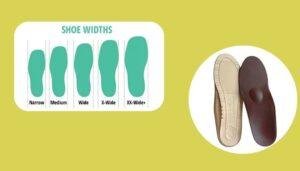
Most UGG boots stretch about a quarter to half a size with wear, mainly across the width and upper.
Knowing how much UGG boots stretch helps you choose the right size without relying on guesswork. Classic UGG boots often feel snug at first because the sheepskin lining compresses, while the suede upper softens and molds to your foot. However, a boot that is truly too small will not suddenly become comfortable with time. This guide explains how UGG boots stretch, which areas change most, and how to break them in safely.

How much do UGG boots stretch?
UGG boots usually stretch a little, not dramatically. In most cases, the upper becomes softer and wider as the suede, leather, lining, and footbed adjust to your shape.
The most common change is in width. A snug UGG boot may feel more relaxed around the toes, sides, and instep after several wears. The length may increase slightly as the lining flattens, but it rarely expands enough to fix a boot that is one full size too small.
How much do UGG boots stretch depends on the style, materials, and fit. Classic sheepskin models tend to mold more than structured fashion boots. Boots with stiff soles, waterproof layers, or decorative panels may change very little.
As a practical guide:
• A slightly snug boot may become comfortable after several wears.
• A boot that presses hard against your toes is probably too small.
• A boot that slips at the heel may become looser as the lining compresses.
• A full size difference is usually too much for natural stretching to correct.
Your toes should be able to move freely. The boot can feel close around your foot, but it should not cause sharp pain, numbness, or pressure on your toenails.
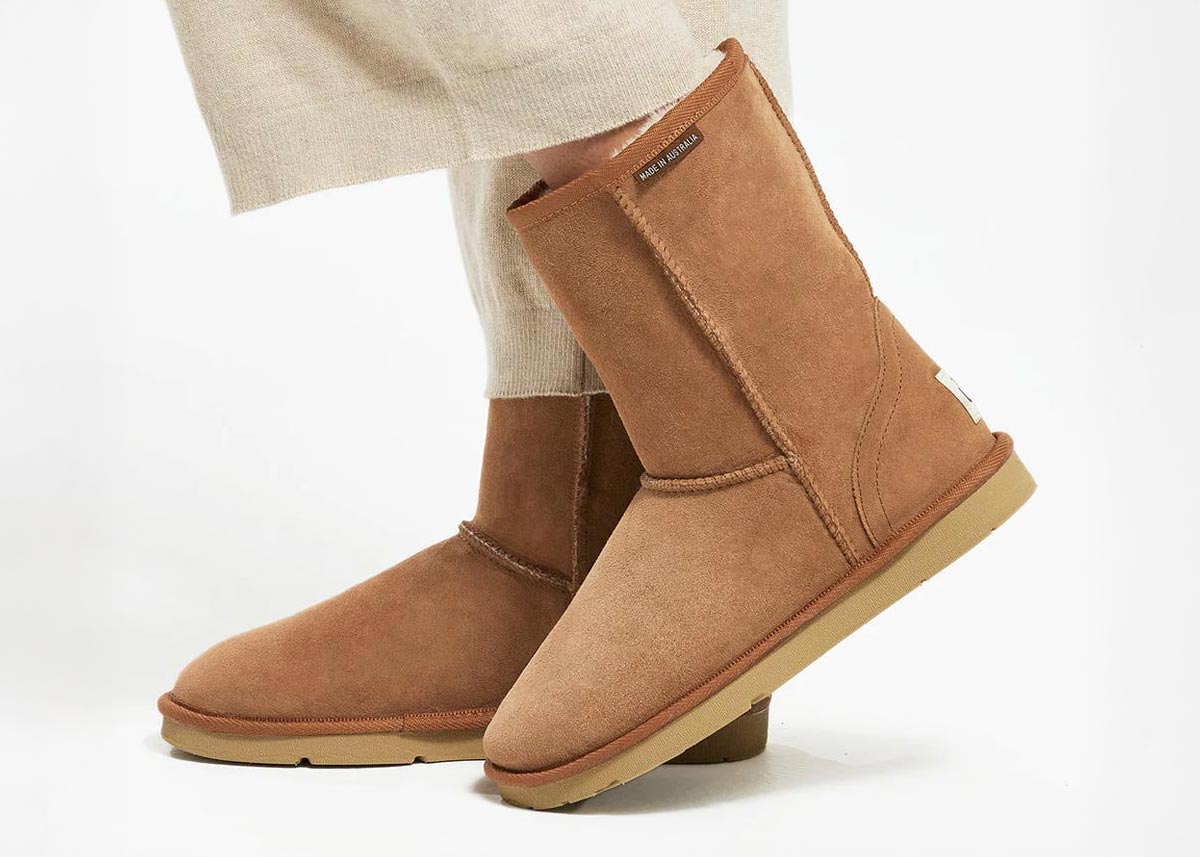
Why UGG boots stretch over time
UGG boots change shape because several materials respond to heat, pressure, and movement. Your foot acts like a natural mold each time you walk.
Classic UGG boots commonly use suede or leather on the outside and wool or sheepskin inside. These materials are flexible, but they do not behave like elastic. They soften and settle rather than expand without limit.


Sheepskin lining compression
The lining is often the first part to change. Thick wool can compress under your heel and the ball of your foot. This creates more inner space and can make the boots feel larger after regular use.
This change can feel like stretching, even when the outer boot has barely changed. For this reason, a new pair may feel tighter than the same pair after two weeks of normal wear.
Suede and leather molding
Suede can soften as it warms and bends. It may give slightly around the widest part of your foot or across the instep. Smooth leather versions may also mold, but their finish and structure can make them less flexible than soft suede.
Footbed adjustment
The insole may settle under your weight. This can reduce the thick, cushioned feel of a new boot. It may also make the boot feel longer because your foot sits lower inside it.
Natural movement
Walking creates repeated pressure in the same areas. Your toes, heel, and arch push against the boot in a consistent pattern. Over time, the boot adapts to that pattern much like a well-used leather chair adapts to the person who sits in it.

Which parts of UGG boots stretch the most?
How much do UGG boots stretch also depends on the part of the boot that feels tight. Some areas soften well, while others remain almost unchanged.
The width
The sides usually offer the most give. This is especially true in soft Classic UGG boots with flexible suede and thick lining.
If your foot is slightly wide, the boot may become more comfortable across the ball of the foot. Still, the change is modest. A wide foot forced into a narrow design may continue to feel cramped.
The instep
The instep is the area over the top of your foot. It can soften as the upper bends during walking. This is helpful when the boot feels close but not painfully tight.
High insteps may need more room than the boot can provide. In that case, choose a roomier style rather than waiting for a major stretch.
The toe box
The toe box may feel roomier after the lining compresses. However, the front of the boot does not usually move forward much.
Your toes should not touch the end when you stand. If they do, do not count on how much UGG boots stretch to solve the problem.
The heel
The heel may feel looser after the lining flattens. A small amount of heel movement is normal in a new UGG boot, but excessive slipping can lead to blisters and poor support.
A heel that lifts slightly while the boot breaks in is not always a concern. A heel that slides out with every step suggests the boot is too large or too loose for your foot.


Do UGG boots stretch in length?
UGG boots can feel longer over time, but they do not usually stretch much in actual length. Most of the change comes from the wool lining and insole becoming flatter.
For example, a new boot may have thick wool under your heel. After repeated wear, that wool compresses. Your foot then sits lower, which can create the feeling of extra length.
The outer sole and toe area hold much of the boot’s shape. These parts do not expand easily. If your toes press against the front when standing, moving up in size is safer than trying to stretch the boot.
A simple fit test can help:
-
Put on the socks you plan to wear with the boots.
-
Stand up with your weight evenly balanced.
-
Check that your toes do not touch the front.
-
Walk on a firm surface for several minutes.
-
Make sure the sides feel snug but not painful.
-
Check that your heel stays reasonably secure.
Remember that UGG sizing can vary by model. Always check the product’s current size guide and return policy before wearing the boots outdoors.

How long does it take UGG boots to stretch?
Most UGG boots begin to feel different after a few short wears. A noticeable change may take one to two weeks of regular use, depending on how often you wear them.
Thick Classic boots can take longer because the lining has more material to compress. Lightweight or unlined styles may soften faster but may not gain as much room.


Wear them for short periods at first. Try 30 to 60 minutes indoors, then remove them and check your feet. Gradual wear lets the materials adjust without creating painful rubbing.
Signs that the boots are breaking in include:
• Less pressure across the sides
• A softer upper
• A footbed that feels more settled
• Reduced heel rubbing
• More natural flex while walking
Signs that the boots are not the right size include:
• Numb toes
• Bruising or sharp pressure
• Persistent heel blisters
• Toes touching the front
• Pain that lasts after removing the boots
How much do UGG boots stretch is limited by their original shape. Time can improve a close fit, but it cannot correct every sizing problem.


How to stretch UGG boots safely
If your boots are only slightly tight, gentle methods can help. The goal is to soften the material, not force it apart.
Wear thick socks indoors
Put on thick socks and wear the boots indoors for short periods. Your body heat can help soften the upper while the socks add mild pressure.
Do not use several pairs of thick socks if your feet already feel compressed. Excess pressure can damage the lining and cause pain.
Use a professional boot stretcher
A shoe professional may use a stretching tool designed for suede or leather. This is the safest option when one area, such as the instep, needs extra room.
Ask whether the tool is suitable for sheepskin. A standard stretcher can leave marks or distort soft UGG boots if used too aggressively.
Try a suede-safe conditioning product
Some products are made to soften suede, but they must match the boot’s material and color. Test any product on a hidden area first.
Never soak the boot. Too much moisture can stain suede, flatten the lining, or change the boot’s shape.
Use a shoe repair service
A repair professional can assess the boot before stretching it. This is useful for expensive, embellished, leather, or waterproof styles.
Professional help is especially wise when the boot is tight in one small area rather than all over. Home stretching may create an uneven bulge.

What not to do when stretching UGG boots
Searches for how much do UGG boots stretch often lead to aggressive home methods. Many of these methods can permanently damage the boot.
Avoid the following:
• Do not soak UGG boots in water to make them expand.
• Do not place them in a clothes dryer.
• Do not heat them with a hair dryer, radiator, or space heater.
• Do not freeze water inside the boots.
• Do not force in objects that can tear the lining.
• Do not wear painful boots for hours in hopes that they will “give.”
Heat and moisture can dry suede, weaken adhesives, stain the surface, and shrink or distort sheepskin. The safest approach is slow pressure with normal body heat.
A common mistake is wearing new boots outside for a full day. If the fit is wrong, you may develop blisters before you have a chance to return them. Break them in indoors while the return window is still open.

How to tell if your UGG boots are too small
A snug fit is not the same as a small fit. New UGG boots often feel close because the lining is thick, but they should still feel comfortable when you stand and walk.
Your UGG boots may be too small if:
• Your toes touch the front.
• Your toes curl to create space.
• The sides cause strong pressure.
• The upper leaves painful marks.
• Your foot goes numb.
• You cannot wear normal socks comfortably.
• Pain continues after a short indoor trial.
How much do UGG boots stretch cannot be used as a reason to ignore these signs. Tightness across soft suede may improve. Lack of toe room usually will not.
Your foot shape matters, too. People with wide feet, high arches, bunions, or swelling may need a different UGG style. A pull-on boot with a roomy opening may fit differently from a lace-up or fashion style.

How to tell if your UGG boots are too big
Oversized UGG boots can also cause problems. Thick lining may make a large boot feel secure at first, but it can flatten with wear.
Look for these signs:
• Your heel lifts noticeably with each step.
• Your foot slides forward.
• You need extra socks to keep the boot in place.
• The boot creases far beyond your natural flex point.
• You feel unstable on stairs or uneven ground.
• The upper collapses around your ankle.
A small amount of heel movement can be normal during break-in. However, if your heel slips out or your toes grip the footbed to keep the boot on, the size or style may not suit you.
Do not expect large UGG boots to shrink naturally. Insoles can reduce extra space, but they may change the fit and support. Choose a size that feels secure before adding accessories.
Do UGG boots stretch differently by style?
Yes. The answer to how much do UGG boots stretch changes from one model to another.
Classic short, mini, and tall boots often have soft uppers and warm linings. They may mold more than structured boots. Platform versions can feel different because the sole is thicker and less flexible.
Water-resistant and waterproof designs may use treated materials or additional layers. These features can improve weather protection but reduce the amount of natural give.
Fashion boots with zippers, buckles, stitching, or firm panels may also hold their shape more firmly. Slippers and moccasins may soften quickly, yet their low-cut design can make heel movement more noticeable.
Always consider:
• Upper material
• Lining thickness
• Sole flexibility
• Waterproof construction
• Toe shape
• Closure system
• Presence of removable insoles
The product description can provide useful material details, but the best fit test is still standing and walking in the boots indoors.
How to buy UGG boots that fit correctly
The best way to manage how much do UGG boots stretch is to buy a pair that fits well from day one.
Use these steps:
-
Shop later in the day, when feet may be slightly larger.
-
Wear your usual winter socks.
-
Measure both feet if possible.
-
Fit the larger foot.
-
Check toe room while standing.
-
Walk on a clean indoor floor.
-
Test the boots with any insole you plan to use.
UGG boots should feel snug but not painful. Think of the fit as a firm handshake, not a grip that cuts off circulation.
Do not size up automatically because the lining feels thick. A larger size may feel comfortable at first but become loose once the wool compresses. On the other hand, do not choose a smaller size just because someone says all UGG boots stretch.
Fit advice from a store professional can help if your feet have different sizes or unusual pressure points. A good retailer should also explain whether the specific model runs narrow, wide, or true to size.
Caring for UGG boots after they stretch
Once UGG boots have molded to your feet, proper care helps them keep their shape. Store them upright and away from direct heat.
Use a suede brush to remove dry dirt. For wet-weather stains, follow the care instructions for the exact model. Different finishes need different cleaners, and a product made for smooth leather may harm suede.
Keep the boots dry between wears. If they become damp, stuff them loosely with plain paper and let them air-dry at room temperature. Avoid newspaper if the ink may transfer to the lining.
Good care includes:
• Brushing suede gently in one direction
• Using approved protector products
• Rotating pairs when possible
• Allowing damp boots to dry fully
• Replacing worn insoles when appropriate
• Avoiding machine washing unless the manufacturer specifically allows it
Caring for the material will not stop natural stretching, but it can prevent uneven softening and damage.
Frequently Asked Questions About How Much UGG Boots Stretch
Do UGG boots stretch a full size?
Usually, no. UGG boots may gain some room as the lining compresses and the upper molds, but they rarely stretch a full size in a predictable way.
Should UGG boots feel tight when new?
They can feel snug, especially around the sides and instep, but they should not cause pain. Your toes must lie flat and avoid touching the front of the boot.
Do UGG boots stretch more in width or length?
They usually stretch more in width. The lining may compress and make the boot feel longer, but the outer boot does not normally expand much from heel to toe.
How long does it take for UGG boots to loosen?
Many pairs begin to feel softer after several short wears. A clear change may take one to two weeks, depending on the style, lining, and frequency of use.
Can I stretch UGG boots with a hair dryer?
It is not recommended. Direct heat can dry or damage suede, affect adhesives, and distort the shape of the boot.
Can a cobbler stretch UGG boots?
A skilled shoe repair professional may be able to add limited room in a specific area. Ask for an assessment first because soft sheepskin and suede can be damaged by excessive pressure.
Will thick socks stretch UGG boots?
Thick socks can help gently soften a slightly snug upper when worn indoors for short periods. They cannot safely fix a boot that is too short or severely tight.
Conclusion
How much do UGG boots stretch depends on the model, materials, lining, and your foot shape. Most pairs soften and gain modest room across the width, while the lining compresses under the heel and footbed. They do not usually become a full size longer or wider.
Choose a pair that feels snug but comfortable, and break it in slowly indoors. Avoid water, strong heat, and painful wear, since these methods can damage the boot rather than improve the fit. Use this guide when shopping or breaking in your next pair, and share your own UGG fit experience in the comments.

Rubel Miah is the Senior Editor at MyStyleGrid.com, where he brings a sharp editorial eye and an unshakable love for fashion to everything he does. A true style addict, Rubel lives and breathes trends, from streetwear to high fashion, and has a knack for turning inspiration into impactful stories. With years of experience in fashion journalism and digital media, he curates content that empowers readers to express themselves through style. When he’s not editing features or forecasting the next big thing, you’ll find him hunting down vintage pieces or capturing street style moments around the city.