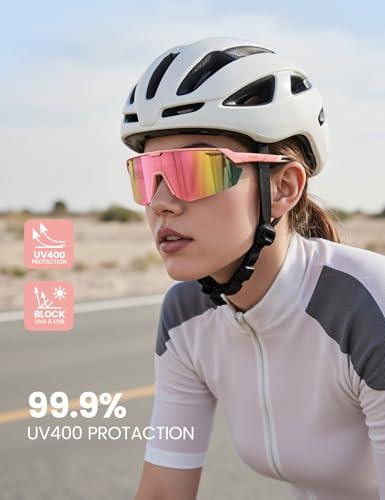
The best women's sunglasses for hiking combine UV protection, a secure fit, clear vision, and all-day comfort.
A bright trail can turn into a hard squint in minutes. Glare from snow, rock, water, and open sky can make each step less clear. The right pair acts like a small roof for your eyes. I looked at lens coverage, frame weight, grip, style, and trail use to narrow down the best women's sunglasses for hiking. These four options suit different needs, from light day hikes to cycling, travel, and sunny mountain walks. Before buying, check the fit and confirm the lens offers full UV protection.

Lamicall Polarized Sports Sunglasses for…
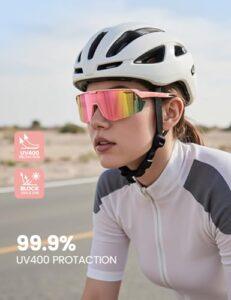
【TAC HD Polarized Lens – 99.9% UV400 Protection】Colorful HD polarized lenses block 99.9% of harmful UVA & UVB rays and effectively filter out astigmatism and stray light, restore true color…

Lamicall Polarized Sports Sunglasses for…
【TAC HD Polarized Lens – 99.9% UV400 Protection】Colorful HD polarized lenses block 99.9% of harmful UVA & UVB rays and effectively filter out astigmatism and stray light, restore true color…

JASPIN Y2K Wrap Around Sunglasses…
WRAP AROUND SUNGLASSES TRENDY – These stylish 2000s y2k sunglasses feature flexible wrap-around frames with sleek lines and a beautiful look that’s perfect for men and women, and they’ll make…
Lamicall Ultralight Polarized Sports Sunglasses
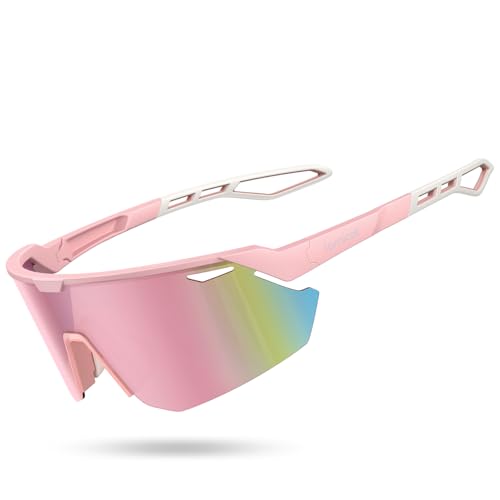
The Lamicall sports sunglasses stand out for their very light 24-gram design. That low weight matters on a long hike because heavy frames can leave pressure behind the ears and across the nose. The polarized lens design may help reduce harsh reflected glare from wet rocks, roads, and water. The sporty shape also gives more side coverage than a small casual frame.
I see this pair as a practical choice for hikers who want a simple, active look. The frame appears suited to walking, cycling, travel, and other outdoor use rather than formal wear. As with any sunglass listing, I recommend checking the current size details and lens options before ordering. A close fit should feel stable without squeezing your temples.
Pros:
- Very light 24-gram build helps reduce face fatigue
- Polarized lenses can cut distracting surface glare
- Sport shape offers useful side coverage
- Works for hiking, cycling, driving, and travel
- Unisex design gives more fit flexibility
- Simple look pairs well with outdoor clothing
Cons:
- Sport styling may not suit shoppers seeking a classic frame
- Very light frames may feel less substantial to some users
- Fit and lens color can vary by selected option
Lamicall Polarized Sports Sunglasses, Alternate Model

This second Lamicall model keeps the same broad idea: a lightweight sports frame for bright outdoor days. Its polarized lens setup is useful when a trail runs beside a lake, road, or pale rock. The active frame shape should also help limit light entering from the sides. For hikers, that can make a real difference when the sun sits low in the sky.
I would consider this pair for someone who wants one set of sunglasses for several activities. It can fit a routine that includes hiking on Saturday, cycling on Sunday, and driving during the week. The design is more function-first than fashion-first, which makes sense for rough trails. Still, measure your face and review the product options so the frame does not sit too loose or too tight.
Pros:
- Polarized design suits glare-heavy trails
- Wrap-style coverage can help block side light
- Light build supports longer wear
- Useful for several outdoor sports
- Unisex styling makes it easy to share or gift
- Sport profile works well with caps and helmets
Cons:
- Wrap coverage may not suit every face shape
- Sport lenses can look bold with casual outfits
- Users may need to compare the available color and size choices
JASPIN Y2K Wraparound Sport Sunglasses

The JASPIN wraparound sunglasses take a different path from the Lamicall pairs. They blend a bold Y2K-inspired shape with a sport frame and UV protection claim. The oval, silver-toned look can add more personality to a hiking outfit. The wraparound form may also reduce open gaps around the outer eye area.
This pair fits hikers who want trail function without giving up style. It may work well for sunny city walks, festivals, travel, and light outdoor use too. I would choose it for a dry day hike where fashion matters as much as technical gear. Because the frame has a strong shape, I suggest checking the measurements and return terms before you commit.
Pros:
- Eye-catching Y2K style adds a fashion-led option
- Wraparound shape can limit side glare
- UV protection claim suits sunny outdoor wear
- Light sport profile works for walks and travel
- Silver oval design can complement modern trail clothing
- Useful choice for shoppers who dislike plain sports frames
Cons:
- Bold shape may not flatter every face
- Fashion focus may offer less technical detail than premium trail eyewear
- Check the listing for the exact lens specification before purchase
RIVBOS RB833 Polarized Sports Sunglasses

The RIVBOS RB833 is built around a familiar sports-sunglass idea: polarized lenses, UV400 protection, and an active frame. The product is listed for women and for activities such as driving and cycling. Those traits also translate well to many hiking trips. The lens coverage may help reduce glare while the frame keeps a sporty, secure feel.
I would place this pair on the shortlist for hikers who want a proven-looking all-purpose design. It suits sunny trail days, road trips, bike rides, and daily errands. The style is less flashy than the JASPIN pair, so it may be easier to wear every day. Buyers should still confirm the current fit, color, and lens details because product options can change.
Pros:
- Polarized lenses can make bright glare less tiring
- UV400 protection is listed for sunny outdoor use
- Sports shape supports active movement
- Suitable for hiking, cycling, and driving
- More classic look works for daily wear
- Good choice for shoppers who want one versatile pair
Cons:
- Coverage may feel less open and airy on very small faces
- Dark lenses can be less suitable after sunset or in deep shade
- Polarization does not replace a proper fit or full UV label check
How I Choose Hiking Sunglasses for Women
Good hiking sunglasses do more than make a trail outfit look complete. They help manage bright light, wind, dust, and glare. I first look for full ultraviolet protection. The American Academy of Ophthalmology advises wearing sunglasses that block 99% to 100% of UVA and UVB rays. A label that says “UV400” usually refers to protection up to 400 nanometers, but I still check the product details and seller information.
I then look at coverage. Small lenses may leave the outer eye open to sun and wind. A larger lens or wraparound frame can act like a shield. This matters most above tree line, on snow, and on open desert trails. Coverage should not block your view when you look down at roots or loose stones.
Next comes fit. A frame that slides down can become a safety issue on steep ground. You may keep pushing it up instead of watching the trail. A frame that pinches can cause a dull headache before lunch. I prefer a pair that rests lightly on the nose, stays behind the ears, and remains steady when I turn my head.
Lens type also deserves care. Polarization can reduce reflected glare. It works well near water, snow, pale rock, and pavement. It does not automatically mean the lens blocks UV rays. Those are two different features, so look for both.
Polarized Versus Non-Polarized Hiking Lenses
Polarized lenses filter much of the glare that bounces off flat surfaces. That can make a lake look calmer and a bright road feel less harsh. Many hikers find this effect more comfortable on long sunny days. It may also help them see trail details with less squinting.
Polarization is not perfect for every task. Some phone screens, car displays, and camera screens may look dim or uneven through polarized lenses. That issue is easy to manage, but it is worth knowing before a trip. If you use a GPS watch or phone often, test your sunglasses at home.
Non-polarized lenses can still offer strong UV protection. They may cost less and work well for general shade and sun. The key question is not only whether a lens is polarized. The key question is whether it gives reliable UV protection, clear vision, and a secure fit.
Why Lens Color Matters on the Trail
Gray lenses often keep colors close to natural. They work well in strong sun and suit many outdoor settings. Brown or amber lenses can add contrast and make some trail features easier to distinguish. They may feel pleasant on mixed-light hikes with sun and shade.
Rose and copper lenses can brighten a dull day, but they may not suit everyone. Very dark lenses can feel great in open sun and too dark in a forest. A lens made for bright snow may not be the best choice for a wooded morning. I match the tint to the place and the weather rather than choosing the darkest option.
Lens darkness and UV protection are not the same. A dark lens without proper UV protection can be a poor choice. Your pupils may open behind the dark lens, allowing more harmful rays into the eye. That is why I treat the UV label as a must-have feature.
Fit Tips for Women’s Hiking Sunglasses
Measure the frame against your face before ordering. Many listings show lens width, bridge width, and temple length. These numbers give a better clue than a general label such as “women’s” or “unisex.” Faces vary widely, so gender labels cannot replace real measurements.
Check where the frame sits on your cheeks. It should not touch your cheeks when you smile. The lower edge should also leave room for normal facial movement. If the frame rests on the cheeks, sweat may collect under the lens and cause fog.
Look for a bridge that stays put without a hard squeeze. Adjustable nose pads can help, but not every low-cost sport frame has them. Rubber nose pieces may add grip during heat and motion. They can also feel less slippery when sunscreen reaches the bridge.
Try the sunglasses with your hiking hat or helmet. A thick temple can press against a helmet strap. A tall frame can bump into a cap brim. The best women’s sunglasses for hiking should fit into your full trail system, not just look good in a mirror.
How to Avoid Fog and Sweat Problems
Fog often forms when warm skin meets a cooler lens. A tight wrap frame can hold warm air near the eyes. That design gives good coverage, but airflow still matters. Leave a small path for air when possible, and avoid placing the sunglasses on top of a wet hat.
Clean lenses also fog less than greasy lenses. Use clean water or a lens-safe cleaner and a soft microfiber cloth. Do not wipe grit across the lens with a shirt sleeve. One tiny grain can create a long scratch.
On a hot hike, carry a soft case or microfiber pouch. It protects the glasses when you stop for lunch. It also gives you a clean way to wipe sweat. A hard case adds weight, but it can help protect sunglasses inside a crowded pack.
Safety Tips for Hiking in Bright Sun
Sunglasses help, but they do not replace other sun habits. Wear a hat, use sunscreen, and plan breaks in shade. Snow and water can reflect a great deal of light, so exposed routes need extra care. High altitude also increases exposure to ultraviolet rays.
Do not wear very dark lenses in low light unless the lens is made for that condition. A trail can move from bright rock to deep forest in seconds. You need enough contrast to spot roots, steps, and loose gravel. Take the sunglasses off if they make the path harder to read.
Keep a backup plan for changing weather. A clear lens or a simple spare pair may help during a long trip. Rain, fog, and dusk can change what feels comfortable. A good pair of hiking glasses should support vision, not make you ignore it.
What Makes a Frame Good for Long Hikes?
Weight is one part of comfort. Balance matters too. A light frame that pulls forward can still feel tiring. A balanced frame spreads pressure over the nose and ears instead of creating one sore spot.
Flexible materials can help when a frame gets bumped in a pack. They may also feel better during active movement. However, flexibility should not mean the glasses wobble. I look for a frame with enough structure to stay aligned while walking.
Ventilation has value in warm weather. A small gap near the side or a less sealed shape can reduce heat. In cold wind, more coverage may feel better. This is why the “best” frame depends on your route, season, and pace.
Care and Storage Tips
Rinse dusty lenses before wiping them. Dry grit can act like sandpaper. Use lukewarm water and a mild lens-safe cleaner when needed. Avoid hot water, household glass spray, and rough paper towels.
Store sunglasses with the lenses facing up. A soft pouch works for a small day pack. A hard case offers more protection on a backpacking trip. Keep them away from loose keys, stove tools, and sharp food wrappers.
Check the frame after each long trip. Look for loose hinges, bent temples, and worn nose pieces. Small repairs can improve comfort. Replace sunglasses if the lens has deep scratches that affect your view.
Best Hiking Sunglasses by Use
For light day hikes, the Lamicall ultralight pair is a strong starting point. Its low weight may feel easy during several hours outside. The sport shape also makes sense when you want a pair for biking or travel. It is a good match for people who dislike heavy eyewear.
For mixed outdoor use, the alternate Lamicall model offers a sport-focused shape and polarized lens design. It may suit someone who moves between hiking, cycling, driving, and daily errands. The wrap-like coverage can be useful in open sun. Confirm the fit before ordering if you have a narrow or low bridge.
For style-led trail outfits, the JASPIN pair is the clear choice. Its Y2K shape is more noticeable than the others. It may appeal to hikers who want protection with a strong fashion detail. I would use it for sunny walks and moderate hikes after checking how securely it stays in place.
For a more traditional active look, the RIVBOS RB833 makes sense. Its listed use includes driving and cycling, which points to broad daily value. The polarized and UV400 claims suit bright outdoor conditions. It may be the easiest pair here to wear from the trail to town.
Best For Table
| Best for | Why |
|---|---|
| Lightweight all-day wear | The 24-gram Lamicall design helps reduce pressure during long outings. |
| Fashion-focused hiking outfits | JASPIN adds a bold Y2K wraparound look with outdoor-friendly coverage. |
| Hiking, cycling, and driving | RIVBOS combines a classic sport shape with listed polarization and UV400 protection. |
My Recommendation
The Lamicall ultralight polarized pair is my top pick for the best women’s sunglasses for hiking when comfort comes first. The 24-gram weight is the feature I value most for long trail days. It also offers a useful sport shape and polarized lens design. Choose the alternate Lamicall model if you want more wrap-style coverage.
The JASPIN sunglasses are best for hikers who want a bold look, while the RIVBOS RB833 is better for daily use across hiking, cycling, and driving. I would choose RIVBOS for a classic, versatile frame and JASPIN for style. All four are worth comparing on Amazon because prices, colors, and stock can change.
FAQs Of best women’s sunglasses for hiking
What are the best women’s sunglasses for hiking?
The best pair should block 99% to 100% of UVA and UVB rays, fit securely, and give enough coverage for wind and glare. Polarized lenses are helpful near water, snow, and bright rock. The Lamicall ultralight model is a strong pick for comfort, while RIVBOS suits daily outdoor use.
Are polarized sunglasses good for hiking?
Yes, polarized sunglasses can reduce reflected glare on many trails. They are especially useful near lakes, snow, pavement, and pale stone. They do not prove UV protection, so check for a separate UV400 or full UVA/UVB protection statement.
Should hiking sunglasses be dark?
Not always. Dark lenses can feel good in open sun but may hide roots and rocks in shade. Choose a tint that matches your route. Gray often works well in bright light, while brown or amber can add contrast in mixed conditions.
How should hiking sunglasses fit?
The frame should stay in place when you look down or turn your head. It should not pinch your temples or touch your cheeks when you smile. Try the sunglasses with your hat or helmet before a long hike.
Can I wear regular sunglasses for hiking?
You can, if they provide full UV protection and stay secure. Regular small frames may leave more of your eyes exposed to wind and side light. Sport frames often give better coverage and grip for active trails.
Final Verdict: Which Should You Buy?
The Lamicall ultralight polarized model is my top choice for the best women’s sunglasses for hiking. It offers low weight, glare control, and a useful sport shape. Pick RIVBOS for daily versatility or JASPIN for bold style.
Focus on UV protection, fit, coverage, and lens clarity before price. The right hiking sunglasses should feel like a quiet shield, not a distraction.

Madison Clark is a footwear expert and the voice behind MyStyleGrid.com. She specializes in honest shoe reviews, style tips, and practical guides to help readers find the perfect pair for any occasion. With years of experience in blogging and content creation, Madison makes footwear knowledge simple, stylish, and easy to follow.