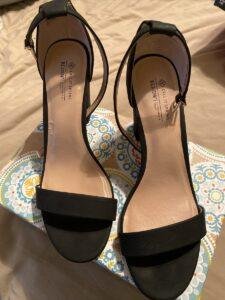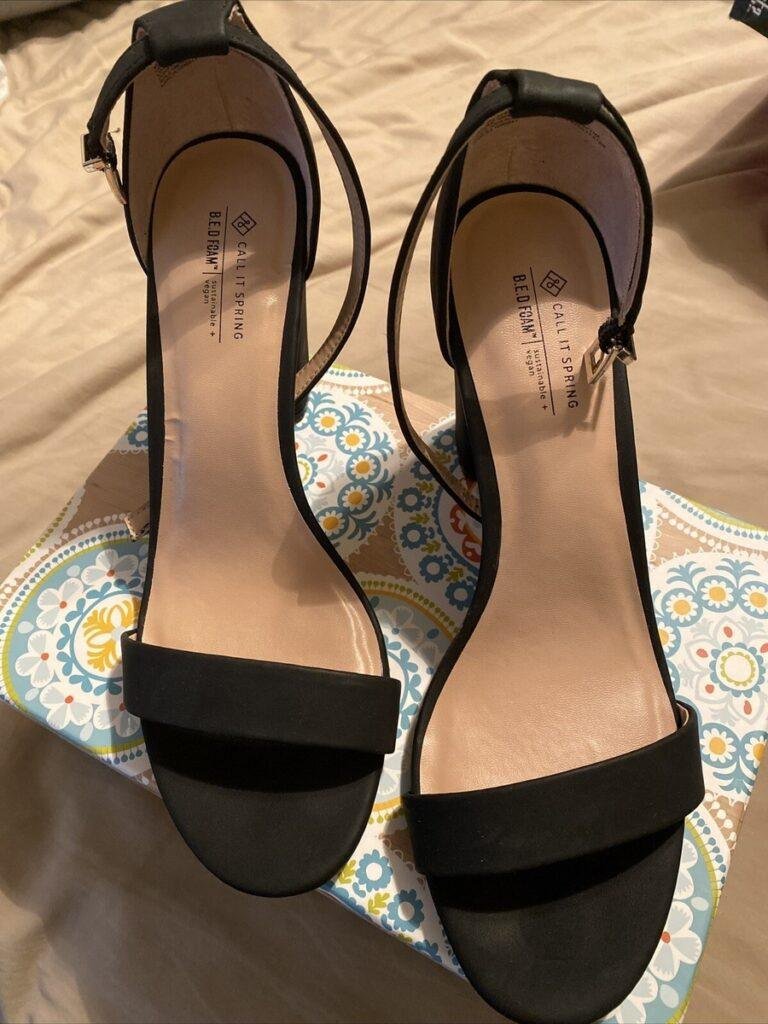
Chunky heels are usually called block heels, thanks to their wide, sturdy heel shape.
If you have ever searched for “what are chunky heels called,” you are not alone. Shoe terms can be confusing because retailers, designers, and fashion writers often use “block heels,” “chunky heels,” and “stacked heels” in slightly different ways. This guide explains the differences, shows how to style them, and shares practical tips for choosing a pair that feels both stylish and stable.
What Are Chunky Heels Called?
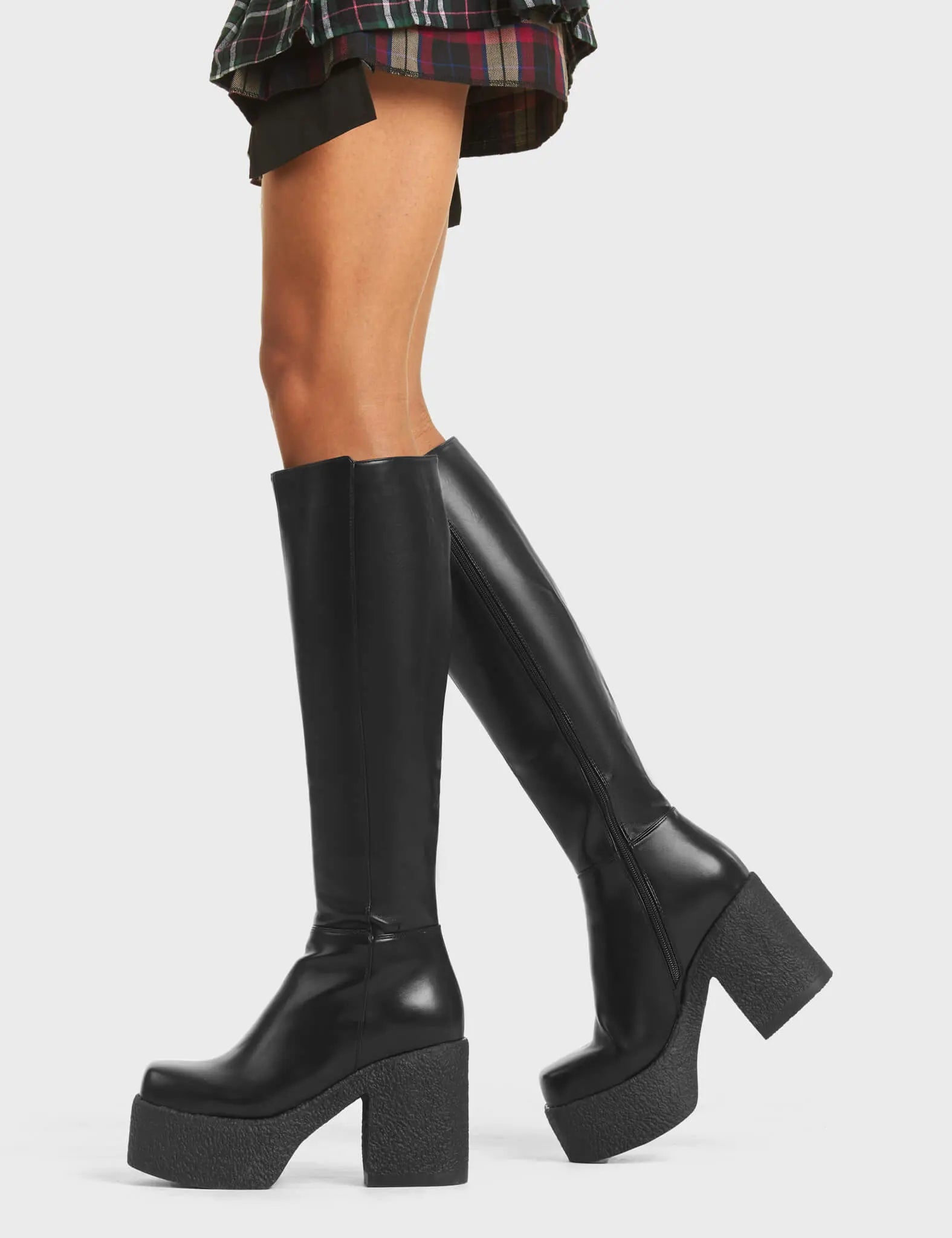
The most common name for chunky heels is block heels. A block heel has a wide base and a solid shape. Unlike a thin stiletto heel, it supports more of the foot and gives the shoe a stronger, more grounded look.
The phrase “chunky heels” is also correct. It is a broad fashion term for heels that look thick, bold, or substantial. In many stores, you may see the same style listed as a block-heel sandal, chunky-heel boot, or platform block heel.
The exact name can change based on the heel’s shape, height, and design. Common names include:
• Block heels: Wide heels with a fairly even shape from top to bottom.
• Chunky heels: A casual term for thick, bold heels.
• Stacked heels: Heels made to look like layers of leather or wood.
• Square heels: Heels with a square profile or flat, box-like base.
• Flared heels: Heels that widen toward the bottom.
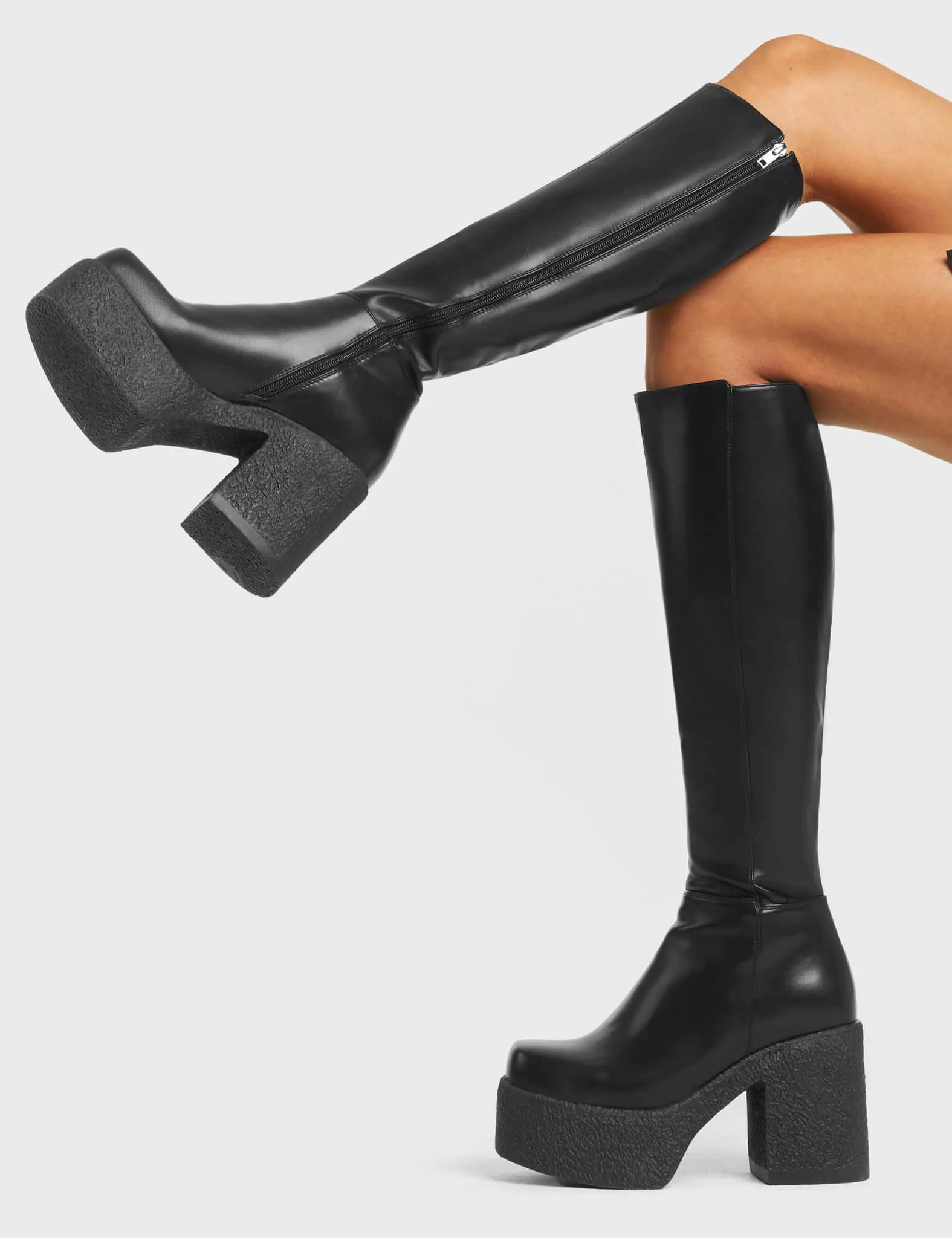
• Platform heels: Shoes with extra height under the front and back of the foot.
So, when someone asks, “What are chunky heels called?” the safest answer is usually “block heels.” However, “chunky heel” remains a common and useful search term.
Block Heels vs. Chunky Heels
Block heels and chunky heels are closely related, but they are not always exact synonyms. Think of “block heel” as a more specific shoe term and “chunky heel” as a wider style description.


A block heel usually has a clear, solid structure. It may be short, medium, or high. A chunky heel can describe many thick heel designs, including block heels, sculpted heels, and wide platform heels.
Here is a simple comparison:
| Style | Main feature | Common examples |
|---|---|---|
| Block heel | Wide, solid heel | Pumps, sandals, ankle boots |
| Chunky heel | Thick and bold appearance | Party shoes, boots, sandals |
| Stacked heel | Layered visual effect | Western boots, loafers |
| Platform heel | Raised sole under the front | Club shoes, dress sandals |
| Wedge heel | One solid slope from heel to toe | Casual sandals, espadrilles |
In everyday shopping, these terms often overlap. A retailer may call a shoe a chunky block heel even when “block heel” alone would be accurate.
In my experience comparing shoes, the heel name matters less than the heel shape. Look closely at the base, the sole, and the way your foot sits inside the shoe. A fashionable name cannot make an unstable shoe comfortable.

Why Are Chunky Heels So Popular?
Chunky heels are popular because they combine height with a stronger sense of balance. The wider heel gives the foot more support than a narrow heel. This can make walking feel easier, especially on hard floors or uneven sidewalks.
Chunky heels also work with many clothing styles. You can wear them with jeans, office trousers, midi skirts, dresses, or wide-leg pants. Their shape adds visual weight, which can make a simple outfit look more polished.
Other reasons people choose chunky heels include:
• They often feel steadier than stilettos.
• They add height without creating a very delicate look.
• They suit casual, office, and formal outfits.
• They are easy to find in sandals, pumps, boots, and loafers.
• They can balance oversized clothing and wide-leg trousers.
• They often provide more room for a broader heel base.
A chunky heel is not automatically comfortable for every person. Fit, arch support, heel height, sole flexibility, and materials still matter. A wide heel can improve stability, but it cannot fix a shoe that pinches your toes or slips at the back.


Types of Chunky Heels
Not every chunky heel looks or feels the same. Knowing the main types can help you search for the right pair.
Classic Block Heels
Classic block heels have a simple, wide shape. They may be low enough for daily wear or high enough for formal outfits. This is the style most people mean when they ask what chunky heels are called.
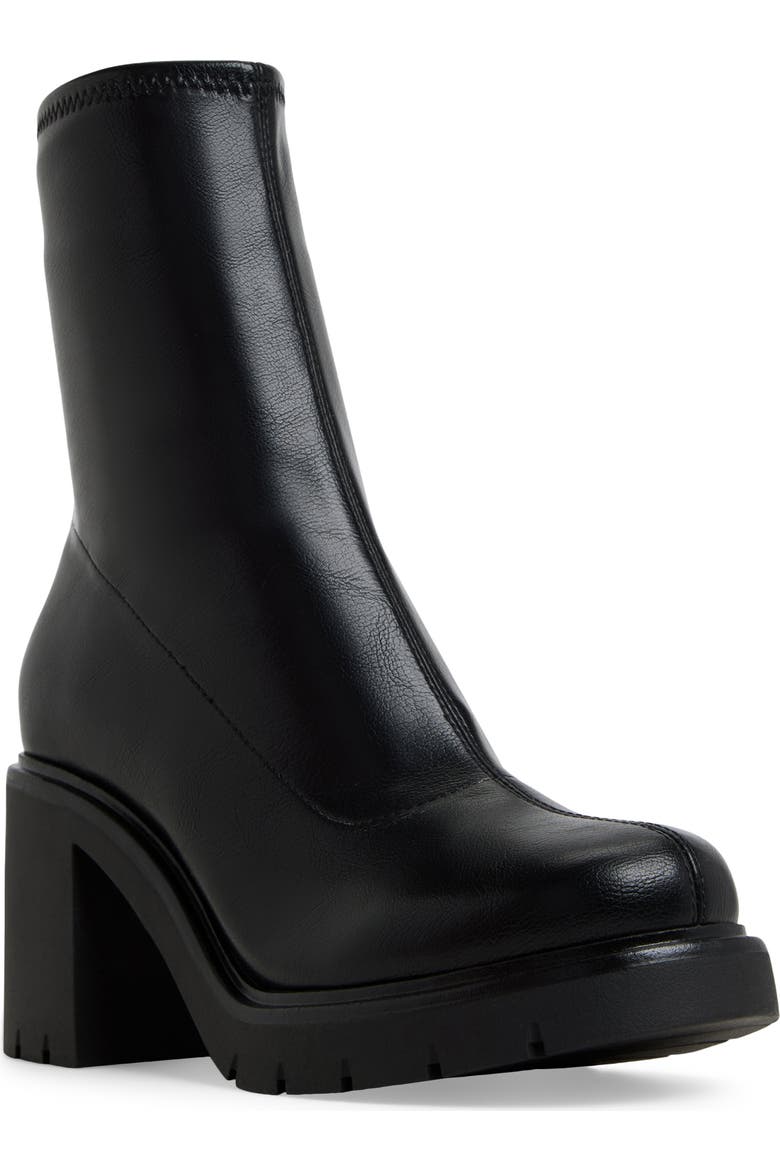
Block-heel pumps are common in workwear. Block-heel sandals are popular in warm weather. Block-heel boots can add height while keeping a practical appearance.
Stacked Heels
Stacked heels are designed to look like several layers placed on top of one another. The layers may be real leather, wood, rubber, or a printed material.
This style is common in cowboy boots, riding boots, and casual leather shoes. Stacked heels often have a rustic or classic feel.
Flared Heels
Flared heels are narrower near the shoe and wider at the bottom. The wider base may improve balance and gives the shoe a slightly retro look.
You may see flared heels on sandals, pumps, and 1970s-inspired designs. Some people also call them trapeze heels because of their shape.
Square Heels
Square heels have a boxy shape and often pair with square-toe shoes. They are popular in modern sandals, boots, and minimalist pumps.
A square heel can make a shoe look bold and architectural. It may also pair well with wide-leg pants and structured clothing.
Platform Chunky Heels
Platform shoes have extra material under the front of the foot. When a platform is combined with a high block heel, the shoe can provide significant height with a smaller difference between the toe and heel.
This difference is called the pitch. A lower pitch may feel less steep, but the shoe can still be heavy or hard to walk in.

Are Chunky Heels More Comfortable?
Chunky heels can be more comfortable than stilettos for some people, but comfort depends on the full shoe design. The wider heel can reduce side-to-side movement and spread pressure over a larger base.
Still, heel height plays a major role. Higher heels shift more body weight toward the ball of the foot. This may cause soreness, burning, or pressure near the toes after long periods.


For better comfort, look for:
• A cushioned insole.
• A stable heel that does not wobble.
• Enough toe room to move your toes.
• A secure strap or firm heel counter.
• A flexible front sole.
• Soft materials that do not rub.
• A heel height suited to your daily needs.
Try shoes at the end of the day, when feet are often slightly swollen. Walk on a hard surface for several minutes. If the shoe hurts in the store, it will rarely become perfect after a full day of wear.
A useful fitting lesson is to test both shoes while standing. Feet are not always the same size, so the larger foot should have enough space. Do not rely only on the number printed inside the shoe.

Chunky Heels and Foot Health
Chunky heels may offer more stability than thin heels, but they are still elevated shoes. Regular use of high heels can place extra pressure on the forefoot and may affect posture, balance, and calf muscles.
Foot specialists commonly recommend limiting long periods in high heels and choosing shoes that fit well. Alternating with supportive flat shoes or low heels can reduce daily strain.
Watch for these warning signs:
• Numbness or tingling.


• Sharp pain in the toes or ball of the foot.
• Blisters that keep returning.
• Ankle pain or repeated rolling.
• Pain that continues after removing the shoes.
If you have diabetes, arthritis, a history of ankle injuries, or ongoing foot pain, ask a qualified health professional for personalized advice. General shoe tips cannot replace an examination.
A chunky heel may be a better choice than a stiletto for a special event, but “better” does not mean risk-free. Comfort should guide the decision, not just the appearance.
How to Choose the Right Chunky Heels
Choosing the right pair is easier when you inspect the shoe before thinking about color or brand. A good-looking shoe should also support your movement.
Use this simple process:
-
Check the heel base. Make sure it sits firmly on the ground and does not wobble.
-
Test the toe box. Your toes should not feel pressed together or forced against the front.
-
Look at the sole. A rubber or textured sole may offer better grip than a smooth sole.
-
Bend the shoe gently. The front should flex a little, while the heel should remain stable.
-
Walk for several minutes. Take normal steps instead of only standing still.
-
Check the straps. They should hold the foot without cutting into the skin.
-
Consider the heel height. Choose a height you can manage for the length of time you plan to wear the shoes.
One mistake people often make is buying a heel that is too loose because the toe area feels comfortable. A loose heel can cause rubbing and make the foot slide forward. Adjustable straps, heel grips, or a better size may solve the problem, but the best answer is a secure fit from the start.

How to Style Chunky Heels
Chunky heels can look elegant, relaxed, or edgy depending on the rest of your outfit. The easiest approach is to balance their visual weight.
Try these combinations:
• Wear block-heel sandals with a midi dress for a polished summer look.
• Pair chunky ankle boots with straight-leg jeans and a tucked shirt.
• Combine square-toe block heels with wide-leg trousers.
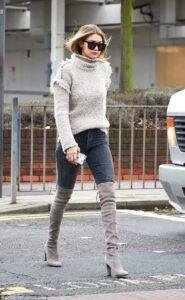
• Wear stacked-heel boots with denim, a knit sweater, and a long coat.
• Match neutral block pumps with office trousers or a pencil skirt.
• Use platform chunky heels with a simple dress so the shoes remain the main statement.
The hem of your pants matters. Trousers that stop just above the shoe can show the heel clearly. Longer wide-leg pants can create a smooth, lengthened line, but they should not drag on the ground.
Color also changes the effect. Black and brown chunky heels are easy to wear. Cream, metallic, and bright colors can make the shoes stand out. If the shoe has a large heel or platform, a simple outfit often creates the cleanest look.
What Are Chunky Heels Called in Online Searches?
When shopping online, use several related search terms because stores label similar shoes in different ways. Searching only one phrase may cause you to miss good options.
Useful search terms include:
• Block heel shoes.
• Chunky heel sandals.
• Wide heel pumps.
• Stacked heel boots.
• Square heel shoes.
• Platform block heels.
• Low block heel shoes.
• Chunky heel ankle boots.
Add details such as “comfortable,” “wide width,” “leather,” “low heel,” or “work shoes.” For example, “comfortable low block heel pumps” will usually produce more useful results than the broad phrase “chunky heels.”
Read the product details carefully. Check the heel height, material, width, return policy, and customer comments about sizing. Photos can be misleading, so measurements are more reliable than appearance alone.
Common Mistakes to Avoid
Even experienced shoppers can choose the wrong chunky heels. The most common mistake is assuming that a wide heel guarantees comfort.
Avoid these errors:
• Buying a pair that feels painful because it looks attractive.
• Ignoring the difference between a wide heel and a supportive sole.
• Choosing a high platform without testing your balance.
• Wearing new heels for a full event without breaking them in.
• Forgetting to check the grip on the outsole.
• Selecting a size based only on your usual shoe number.
• Wearing heels on surfaces where they may catch or slide.
Break in new shoes at home for short periods. If needed, use blister pads before an event. Carrying a comfortable backup shoe is also a smart choice for weddings, concerts, travel, and long workdays.
Frequently Asked Questions About What Are Chunky Heels Called
What are chunky heels called?
Chunky heels are most commonly called block heels. They may also be described as stacked heels, square heels, wide heels, or platform heels, depending on their design.
Are block heels and chunky heels the same?
They are very similar, but the terms are not always identical. “Block heel” describes a specific wide heel shape, while “chunky heel” is a broader fashion term for a thick-looking heel.
Are chunky heels easier to walk in?
Chunky heels are often easier to walk in than stilettos because they have a wider base. However, comfort still depends on heel height, fit, sole grip, and the shoe’s overall structure.
Are chunky heels good for everyday wear?
Low or medium block heels can work well for everyday wear when they fit properly. Choose a stable heel, enough toe room, and a cushioned sole for better comfort.
What is the difference between a chunky heel and a wedge?
A chunky heel is a separate heel attached beneath the back of the shoe. A wedge runs continuously from the heel toward the toe, creating one solid sloped base.
What are chunky heels called on boots?
Chunky heels on boots are often called block heels or stacked heels. Western, combat, and ankle boots may also use terms such as lug heels or platform heels.
Can chunky heels look formal?
Yes, chunky heels can look formal when made with polished leather, satin, suede, or metallic materials. A clean design and refined color can make them suitable for offices, dinners, and special events.
Conclusion
Chunky heels are most often called block heels, although names such as stacked heels, square heels, platform heels, and flared heels may describe related designs. The best choice depends on the heel shape, height, fit, sole, and the way you plan to wear the shoes.
When shopping, focus less on the label and more on stability, toe room, grip, and comfort. Try shoes while standing and walking, and never ignore pain. Use these tips to find a pair of chunky heels that suits your style and supports your everyday movement, then explore more shoe guides or share your favorite block-heel style in the comments.

Rubel Miah is the Senior Editor at MyStyleGrid.com, where he brings a sharp editorial eye and an unshakable love for fashion to everything he does. A true style addict, Rubel lives and breathes trends, from streetwear to high fashion, and has a knack for turning inspiration into impactful stories. With years of experience in fashion journalism and digital media, he curates content that empowers readers to express themselves through style. When he’s not editing features or forecasting the next big thing, you’ll find him hunting down vintage pieces or capturing street style moments around the city.