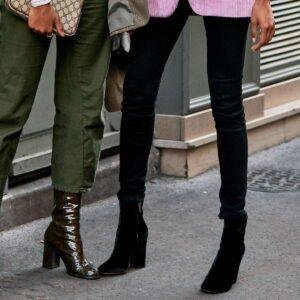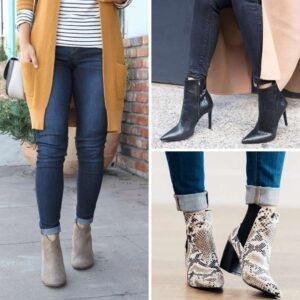
Boots are often the same size as shoes, but their fit can differ because of shape, width, socks, and construction.
If you are wondering, “are boots the same size as shoes,” the honest answer is usually yes for the stated size, but not always for the way they feel. Boot height, toe shape, lining, heel design, and the socks you wear can all change the fit. This guide explains how to choose the right boot size with confidence, avoid common mistakes, and know when to size up, size down, or change the width.
Are boots the same size as shoes?
In most cases, boots use the same standard sizing system as shoes. A person who wears a men’s US 10 shoe may also start with a men’s US 10 boot. However, the number on the box is only a starting point. It does not guarantee that every boot will feel like every shoe.
So, are boots the same size as shoes in practical terms? Not always. Two pairs marked the same size may have different internal lengths, widths, toe shapes, and levels of support.
Boots may feel tighter because they often have:
• Thicker leather or synthetic uppers
• A firm toe box
• A higher arch or more structured footbed
• Heavy lining for warmth
• Less flexible materials
• Thicker socks worn inside
Shoes are often softer and more flexible. This can make the same size feel roomier, even when the measured length is similar.
A useful rule is to begin with your usual shoe size, then check the boot brand’s size chart and fit notes. Never assume that a size 10 in one brand will fit exactly like a size 10 in another.
Why boots can fit differently from shoes
The main reason boots fit differently is that footwear sizes describe length, not the complete shape of your foot. Your foot also needs enough space for width, height, arch shape, and natural movement.
A boot’s design can change how much usable space is inside it. For example, a pointed dress boot may feel shorter than a round-toe work boot, even if both are labeled the same size.
Boot shape and toe style
Toe shape has a major effect on comfort.
• Round toes usually give the toes more natural space.
• Square toes can offer more room across the front.
• Pointed toes may press the toes together.
• Western boots often have a narrow, tapered front.
• Hiking boots may have a wider front for downhill movement.
Your longest toe should not touch the end of the boot. There should usually be about a thumb’s width of space in front of it, especially in hiking or winter boots. This space helps prevent bruised toes when walking downhill.
Boot width
Length is not the only measurement that matters. A boot can be long enough but still too narrow.
Many brands offer widths such as:
• Narrow
• Medium or standard
• Wide
• Extra wide
A tight feeling across the ball of the foot is often a width problem, not a length problem. Sizing up may give you more width, but it can also make the boot too long and cause heel movement.
Boot height and ankle structure
a boot that rises above the ankle may feel more secure than a low shoe. Its shaft can also limit how easily your foot enters the boot.
Pull-on boots may feel snug at first because the opening and instep must hold the boot in place. Lace-up boots allow more adjustment across the foot and ankle. This is one reason people may need different sizes in boots and sneakers.
Should you size up or down in boots?
Most people should not automatically size up when buying boots. Start with your regular shoe size, then adjust only when the fit test shows a real need.
You may need to size up when:
• You wear thick winter or work socks.
• Your toes touch the front of the boot.
• The boot has heavy insulation.
• Your feet swell during long walks or work shifts.
• The brand recommends sizing up.
• You plan to add a thick replacement insole.
You may need to size down when:
• Your heel lifts heavily with each step.
• The boot feels loose even with normal socks.
• The brand runs large.
• Your foot slides forward inside the boot.
• The boot has a very roomy design.
Do not size down simply because new boots feel firm. Leather and some textile materials may soften with use, but they will not usually become much longer. A boot should feel secure from the start without causing pain or numbness.
The best approach is to judge fit by your toes, heel, width, and walking comfort rather than by the size number alone.

How to measure your foot for boots
Measuring your feet at home can reduce guesswork. Measure both feet because one foot is often slightly larger than the other.
Follow these steps:
- Place a sheet of paper on a hard floor.
- Wear the socks you plan to use with the boots.
- Stand upright with your heel lightly against a wall.
- Trace around each foot, or ask someone to mark the longest toe.
- Measure from the back of the heel to the longest toe.
- Measure the widest part of the foot for width.
- Compare the larger foot with the brand’s size chart.
Measure late in the day if possible. Feet often expand after hours of standing and walking. Measuring in the morning can lead you to choose a fit that feels too tight later.
Avoid measuring while sitting. Your foot carries less weight in that position and may appear shorter or narrower than it is during normal use.
A foot measurement is helpful, but it is not perfect. Different brands use different boot lasts, which are the molds used to shape footwear. The same measurement can therefore produce a different fit from one model to another.
How boots should fit
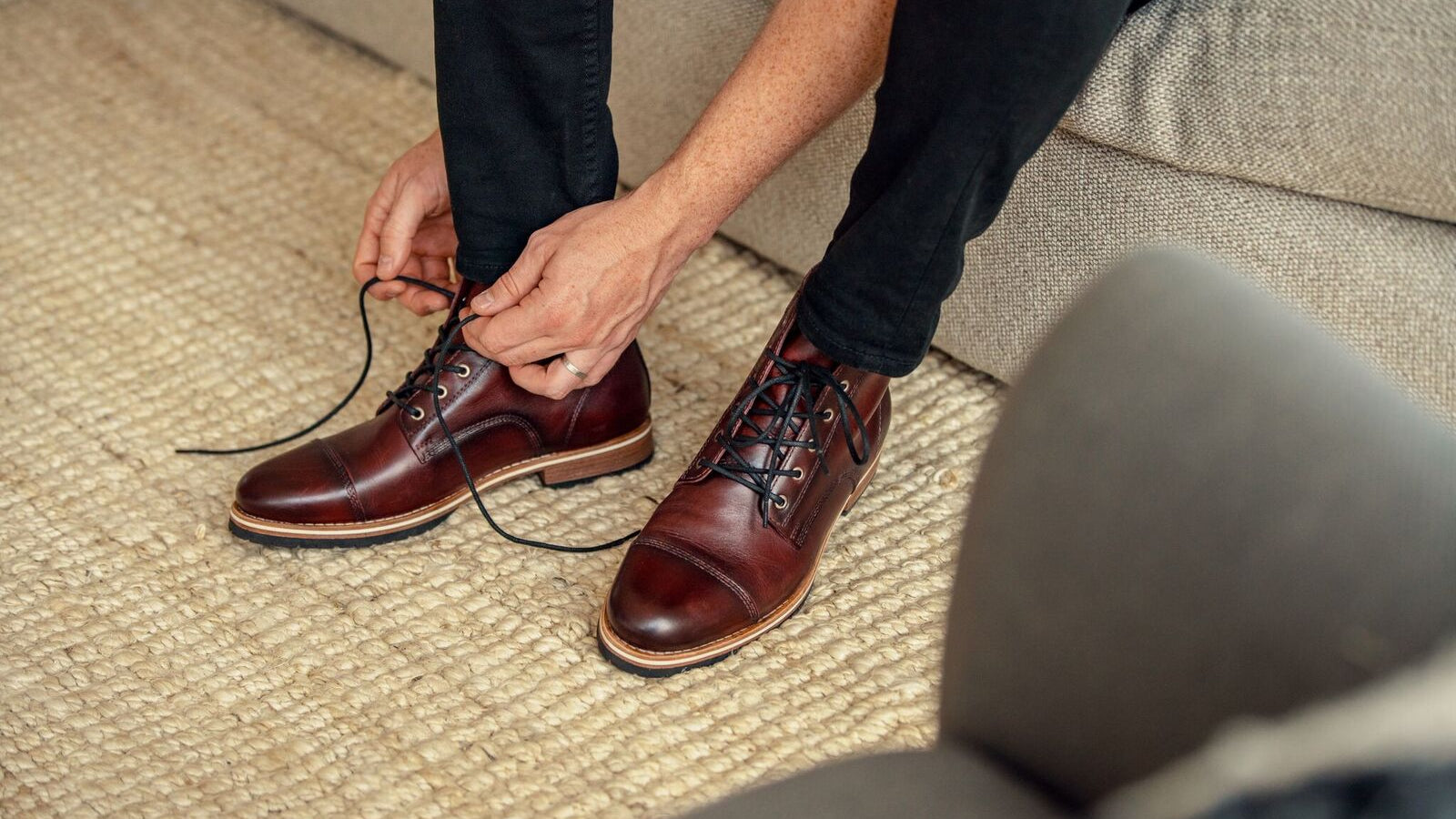
A properly fitted boot should feel secure, comfortable, and stable. It should not pinch your toes, crush your instep, or cause sharp pressure anywhere.
Use this simple fit checklist:
• Toes should be able to move slightly.
• The longest toe should not touch the front.
• The widest part of your foot should sit over the widest part of the boot.
• Your heel should lift only slightly during the first few steps.
• Your arch should feel supported, not sharply pressed.
• The boot should hold your foot without cutting into your ankle.
• Your foot should not slide forward when walking downhill.
Some heel movement is normal in new boots, especially stiff leather work boots and hiking boots. A small amount may decrease as the upper bends. Excessive heel slip can cause blisters and usually means the boot is too large, too wide, or poorly laced.
Walk on a clean indoor surface when trying boots on. Take several steps, climb stairs if possible, and bend your knees. A boot that feels fine while standing may feel very different after ten minutes of movement.
Do different types of boots fit differently?
Yes. Boot type has a strong effect on sizing and comfort. The answer to “are boots the same size as shoes” can change based on whether you are buying hiking boots, work boots, cowboy boots, or fashion boots.
Hiking boots
Hiking boots should leave enough room for toe movement and foot swelling. Many hikers choose a half size larger, but this is not a universal rule.
Test hiking boots with the socks you will wear outdoors. Walk downhill or use a ramp if available. If your toes hit the front, the boots are too short even if they feel comfortable on level ground.
Work boots
Work boots are often built with thick materials, protective toe caps, and firm soles. These features can make them feel smaller than casual shoes.
If the boot has a safety toe, make sure your toes do not touch the protective cap. Choose the correct width first. A larger length will not fix a boot that is too narrow across the forefoot.
Cowboy and Western boots
Cowboy boots often have a pointed or narrow toe and a snug instep. Your heel may lift slightly when the boots are new. The foot should slide into place with a firm, controlled fit.
The widest part of your foot should rest in the widest part of the boot. If your toes feel cramped, do not rely on break-in time to solve the problem.
Chelsea and fashion boots
Chelsea boots and other slip-on styles need a close fit around the ankle and instep. If they are too loose, your foot may slide inside the boot. If they are too tight, they can be difficult to put on and uncomfortable during long wear.
Fashion boots may also use narrow lasts for appearance. Check the width as carefully as the length.
Winter boots
Winter boots must account for thick socks, insulation, and foot swelling. A little extra room can improve warmth because compressed insulation may not work as well. Too much space, however, can reduce stability and make your feet feel cold.

Boots, socks, and insoles can change your size
The socks you wear can change the fit as much as half a size in some boots. Thin dress socks take up little space, while wool hiking socks can add noticeable bulk.
Try boots with the socks you expect to wear most often. Do not test winter boots with thin socks and assume thick socks will fit later.
Insoles also affect volume. A thick insole can make a boot feel tight across the top of the foot. A supportive insole may improve comfort, but it can reduce interior space.
If a boot feels tight only across the instep, consider a thinner insole or a different boot shape. If the boot feels loose under the arch, an insole may improve support without changing the boot length.
Lacing can help fine-tune fit. A heel-lock lacing method can reduce heel movement, while looser lacing over the forefoot can ease pressure. Laces can adjust fit, but they cannot correct a boot that is fundamentally too short or too narrow.
Common mistakes when choosing boot size
Many boot-fitting problems come from a few simple mistakes.
• Choosing the same size without trying the boot on
• Measuring only one foot
• Testing boots while sitting
• Wearing thin socks during a winter boot fitting
• Ignoring width
• Buying a tight boot because it may “stretch”
• Accepting painful toe pressure during break-in
• Focusing only on the printed size
• Wearing boots for hours without checking heel movement
• Assuming every brand uses the same measurements
One fitting lesson worth remembering is that discomfort is useful information. A little firmness can be normal, but pain, numbness, burning, or crushed toes are warning signs.
A common mistake is buying a larger boot to solve width problems. This can cause the heel to slip and the foot to move forward. In many cases, a wider size or a different boot shape is the better answer.
Another mistake is judging boots after only a few seconds. Walk, bend, and climb stairs. Your feet should feel supported after movement, not just comfortable while standing still.
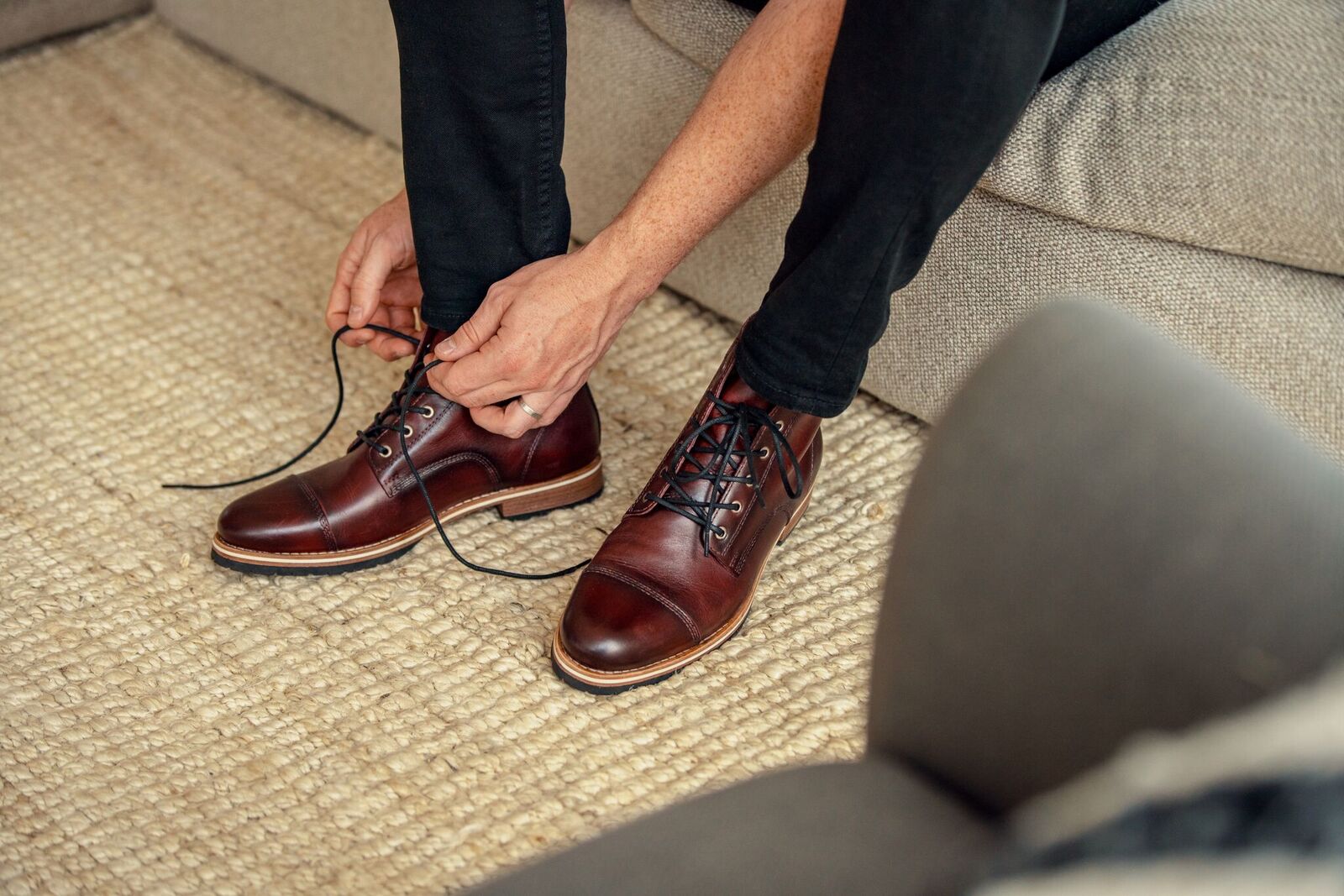
When to shop online for boots
Buying boots online can work well if you know your measurements and understand the return policy. Before ordering, check:
• The brand’s length and width chart
• Customer notes about narrow or wide sizing
• Whether the model runs large or small
• The recommended sock thickness
• The material and expected break-in period
• The return and exchange deadline
• Whether worn items can be returned
Order from a retailer that allows easy exchanges. Try the boots indoors on a clean floor, and keep the packaging until you are sure the fit is right.
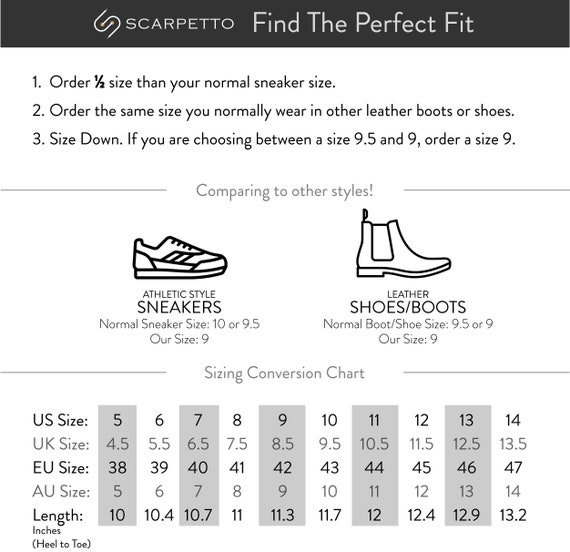
When comparing boots with shoes, use measurements rather than labels. If your sneaker size is a US 9 but your foot measurement matches a brand’s US 9.5 boot chart, follow the chart. Brand sizing data is usually more useful than assumptions based on another pair of footwear.

When to see a footwear professional
Most people can find a good boot fit with careful measuring and testing. A professional fitting may be helpful if you have foot pain, bunions, hammertoes, flat feet, high arches, diabetes, or a major difference between your feet.
A podiatrist can assess foot health, while a knowledgeable footwear specialist can help match boot shape, width, and support to your needs. People with diabetes should take extra care because reduced sensation can hide pressure and injury.
Seek professional advice if boots repeatedly cause:
• Blisters in the same area
• Numbness or tingling
• Persistent heel pain
• Sharp pressure on a joint
• Swelling that does not settle
• Changes in skin color or temperature
The right boot should support your daily activity without creating new problems. A size label is never more important than foot health.
Frequently Asked Questions
Are boots usually the same size as sneakers?
Boots often use the same nominal size as sneakers, but they may fit differently. Start with your usual sneaker size and confirm it with the boot brand’s measurement chart.
Should I buy boots one size bigger than my shoes?
Not automatically. Size up only if your toes need more length, you wear thick socks, or the brand specifically recommends it.
Do leather boots stretch over time?
Leather may soften and give slightly with wear, especially across the width and instep. It will not reliably stretch enough to fix a boot that is too short or severely narrow.
Should my heel slip in new boots?
Slight heel movement can be normal in stiff, new boots. Heavy slipping, rubbing, or repeated blisters usually means the boot is too large or does not match your foot shape.
Is boot width more important than boot length?
Both matter, but width is often overlooked. A boot with the right length can still be uncomfortable if it squeezes the ball of your foot or presses against your toes.
Should hiking boots be larger than regular shoes?
Some hikers prefer a half size larger to allow for thick socks, swelling, and downhill movement. The correct choice depends on your foot, the boot design, and how securely your heel stays in place.
How much room should be in the toe of a boot?
Your toes should not touch the front, and you should be able to move them slightly. About a thumb’s width of space is a useful starting point for many hiking and work boots.
Conclusion
So, are boots the same size as shoes? Often, the labeled size is similar, but the actual fit can change because of boot shape, width, materials, socks, insoles, and intended use.
Start with your usual shoe size, measure both feet, check the brand’s chart, and test the boots while standing and walking. Pay close attention to toe room, forefoot width, heel movement, and comfort after several minutes.
The best boots are not simply the size printed on the box. They are the pair that supports your feet, matches your activity, and feels secure without pain. Use these fitting steps the next time you shop, and share your boot-sizing experience or questions in the comments.

Rubel Miah is the Senior Editor at MyStyleGrid.com, where he brings a sharp editorial eye and an unshakable love for fashion to everything he does. A true style addict, Rubel lives and breathes trends, from streetwear to high fashion, and has a knack for turning inspiration into impactful stories. With years of experience in fashion journalism and digital media, he curates content that empowers readers to express themselves through style. When he’s not editing features or forecasting the next big thing, you’ll find him hunting down vintage pieces or capturing street style moments around the city.