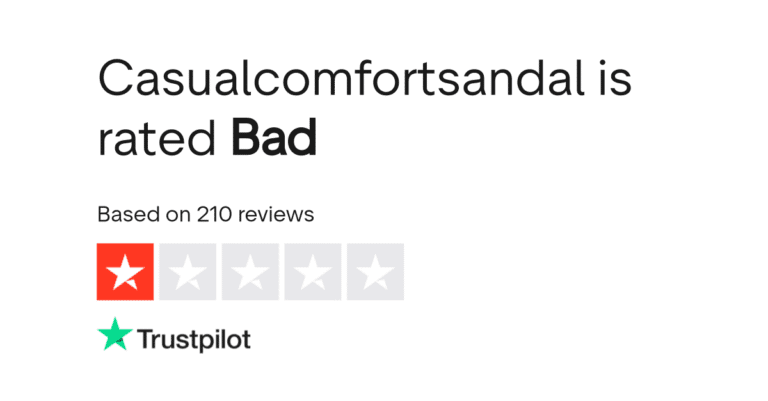
Casual Comfort Sandals may be a real product, but the seller needs careful verification before purchase.
The question “Is Casual Comfort Sandals Legit” is harder to answer with a simple yes or no because several online stores may use similar names. Product photos, comfort claims, shipping terms, customer reviews, and refund policies can vary by seller. This guide uses practical e-commerce checks, consumer protection advice, and footwear knowledge to help you decide before entering your payment details.
Is Casual Comfort Sandals Legit or a Scam?
The answer depends on the exact website, seller, and product listing. “Casual Comfort Sandals” may describe a product line, an online store, or an advertising name rather than one clearly recognized footwear brand.
A store can look polished and still provide poor service. At the same time, a small store may be legitimate even if it has little public history. The goal is to check several signals together instead of trusting one attractive website or review.
When asking, “Is Casual Comfort Sandals Legit,” look for:
• A real business name and working contact details
• A clear return and refund policy
• Secure payment options with buyer protection
• Independent customer reviews
• Accurate shipping information
• Product photos that do not appear copied from other stores
• Reasonable claims about comfort, support, and health benefits
A missing business address, vague email address, or return policy that sends products overseas can raise concern. These signs do not prove fraud, but they increase the risk of a poor buying experience.

What Makes an Online Sandal Store Trustworthy?
A trustworthy footwear store is open about who operates the business and how orders are handled. You should be able to find the company’s name, customer service email, shipping times, return address, and refund conditions without searching through several pages.
The checkout page should use HTTPS, shown by the padlock symbol in your browser. However, HTTPS only protects information while it travels between your device and the website. It does not prove that the seller will ship the order or honor a refund.
A reliable store usually provides:
• A specific product description
• Several clear photos from different angles
• A size chart with measurements
• Material details
• Delivery estimates for your location
• A return period stated in plain language
• A customer service process that is easy to use
Be cautious when a page uses pressure tactics such as “only two pairs left” or a countdown timer that resets each time you visit. Some stores use these tools to encourage quick purchases. A real discount should still make sense when compared with normal sandal prices.
The phrase “Is Casual Comfort Sandals Legit” should not be answered by design alone. A professional logo and modern layout are easy to copy. Business transparency matters far more.

How to Check Casual Comfort Sandals Before Buying
You can perform a basic legitimacy check in about 15 minutes. This process is useful for any unfamiliar online shoe store.
1. Check the website address
Look at the domain name carefully. Spelling changes, unusual endings, and extra words can indicate an imitation site. Also check whether the website has a consistent brand name across its homepage, checkout page, emails, and social media accounts.
A new domain is not automatically dangerous. It simply means the seller has less history that you can confirm.
2. Read the contact page
A trustworthy seller should provide more than a contact form. Look for a business email, phone number, mailing address, or customer support hours.
Send a simple question before ordering. Ask about sizing or delivery. A useful answer from a real support team is a positive sign. No response, copied wording, or an automated reply that avoids the question is less reassuring.
3. Study the return policy
Read the return rules before you buy. Pay attention to:
• The number of days allowed for returns
• Whether sale items are excluded
• Who pays return shipping
• Whether the shoes must be unworn
• Whether refunds go back to your original payment method
• Whether the return address is in another country
A “30-day guarantee” may sound strong, but it can be difficult to use if you must pay expensive international postage. Some policies also offer store credit instead of a full refund.
4. Search for independent reviews
Search the store name with terms such as “review,” “complaint,” “refund,” and “shipping.” Look beyond reviews placed on the seller’s own website.
Independent review sites, consumer complaint databases, and detailed customer discussions can reveal repeated patterns. One unhappy buyer may have had an unusual problem. Many reports about missing orders or ignored refunds deserve serious attention.
5. Compare the product photos
Use a reverse image search if the photos look familiar. Some dropship stores use the same images as many other websites while changing the product name and price.
This does not always mean the sandals are fake. It may mean the store is a reseller. In that case, quality, delivery speed, and customer support may not match the advertisement.
Are the Comfort Claims Reliable?
Comfort is personal, but good sandal design follows basic principles. A comfortable sandal should fit the shape of your foot, hold the foot securely, and avoid pressure points.
Look for details such as:
• Adjustable straps
• A wide enough toe area
• A stable sole
• Flexible materials where the foot bends
• Soft lining that does not rub
• A heel area that helps prevent slipping
Words such as “orthopedic,” “pain relief,” and “medical-grade” deserve extra care. A sandal may feel comfortable, but that does not mean it can treat plantar fasciitis, arthritis, bunions, or other medical conditions.
Foot health experts often recommend shoes that fit well and match the wearer’s activity. If you have diabetes, reduced sensation, severe foot pain, or a diagnosed foot condition, ask a qualified health professional before relying on a heavily advertised comfort shoe.
When considering whether Casual Comfort Sandals are legit, separate comfort marketing from medical evidence. A product can be pleasant to wear without being a treatment.
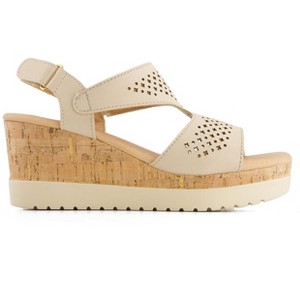
Common Risks When Buying Casual Comfort Sandals Online
Even if the store is not an outright scam, online sandal purchases can carry several risks. Product pages often show ideal lighting and carefully chosen angles. The actual item may look different when it arrives.
Common problems include:
• The sandals run smaller or larger than expected
• The sole feels thin or stiff
• The straps cause rubbing
• The color differs from the photos
• Delivery takes much longer than promised
• Tracking information is incomplete
• Customer support stops responding
• The refund process is unclear
Another risk is counterfeit or low-quality merchandise. A store may use a name that sounds established while selling an unrelated product. This can make it hard to know who is responsible if something goes wrong.
A practical review habit is to imagine the worst reasonable outcome before buying. If the sandals do not fit, can you return them easily? If the order never arrives, can your payment provider help? If the answer is no, the low price may not be worth the risk.

How to Pay More Safely
Payment choice can reduce your risk. Credit cards and well-known payment services often provide dispute processes for products that do not arrive or differ greatly from their description.
Use these safer habits:
• Pay by credit card when possible
• Avoid bank transfers to unfamiliar sellers
• Avoid sending money through methods with weak buyer protection
• Save the order confirmation and product page
• Take a screenshot of the return policy
• Keep shipping emails and tracking details
• Check your card statement after the purchase
Never share more information than the checkout requires. A sandal seller should not need your Social Security number, online banking password, or unrelated personal details.