The best boots for icy conditions combine warm insulation, waterproof shells, and trusted traction for safer winter steps.
A slick driveway, frozen trail, or wet parking lot can turn a short walk into a real test. Cold toes are bad enough, but a boot that slips or lets in meltwater can make the day worse. I looked at warmth, grip, waterproof coverage, comfort, fit, and daily use to help you choose with care. The picks below cover light snow, deep cold, outdoor work, hiking, and long winter walks. No boot can replace careful steps on black ice, but the right pair can give you a warmer, steadier base.
XTRATUF Ice Fleece Ankle Deck Boot

The XTRATUF 6-inch Ice Fleece Lined Ankle Deck Boot is a smart choice for wet winter days. Its waterproof rubber foot helps block slush, rain, and melting snow. The faux shearling lining adds soft warmth without the bulk of a tall snow boot. I like the ankle height for quick trips, shoveling, and chores near the home.
The slip-resistant outsole is made for wet ground and deck-style surfaces, which makes this boot useful around boats, docks, and slick paths. Still, no rubber tread can promise a fall-free walk on polished ice. The shorter shaft also gives less protection in deep snow than a mid or tall boot. For mixed rain, slush, and light ice, this XTRATUF offers a simple and easy-to-wear design.
Pros:
- Waterproof rubber foot helps keep feet dry
- Fleece lining adds warmth for cold, wet days
- Slip-resistant outsole suits wet decks and paths
- Ankle height makes the boot easy to put on and remove
- Flexible build feels less stiff than many heavy winter boots
- Useful for rain, slush, fishing, and daily outdoor chores
Cons:
- Ankle height gives limited coverage in deep snow
- May feel less warm than an extreme-cold pac boot
- Rubber footwear can feel warm and humid indoors
My Recommendation
I recommend this pair for anyone who wants one quick boot for wet winter work. It suits anglers, dock workers, dog walkers, and homeowners who face rain more often than deep powder. The soft lining and waterproof foot make it a strong pick among the best boots for icy conditions when comfort and easy wear matter most. Choose a taller boot if snow often rises above your ankles.
| Best for | Why |
|---|---|
| Wet daily chores | Waterproof rubber blocks rain and slush. |
| Decks and docks | The slip-resistant sole supports wet surfaces. |
| Quick winter trips | Ankle height is easy to wear and remove. |
MUCK Arctic Excursion Mid Boot
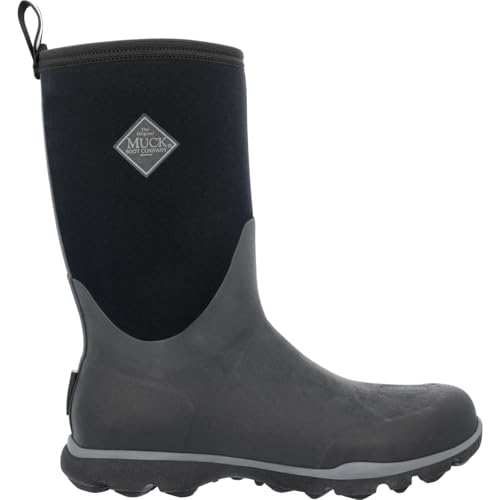
The MUCK Arctic Excursion Mid Boot is built for people who spend real time outside in cold weather. Its mid height gives more snow protection than an ankle boot while keeping movement fairly easy. The waterproof design helps stop wet snow from reaching your socks. I find this style practical for farms, winter trails, hunting trips, and long walks with a dog.
MUCK boots are known for soft rubber shells and flexible neoprene construction. That blend can feel far more natural than a hard plastic snow boot when you bend, climb, or kneel. The insulation is made for cold use, but fit still matters because tight socks can reduce warmth. Keep room for a wool or thermal sock, yet avoid excess space that lets the heel lift.
Pros:
- Mid shaft helps block snow and icy water
- Waterproof construction protects socks in wet weather
- Flexible upper supports walking and outdoor work
- Warm insulation suits cold recreational use
- Good choice for muddy, snowy, and frozen ground
- Easy-clean exterior saves time after messy chores
Cons:
- Mid height may not suit very deep snow
- Can feel warm indoors or during active work
- Neoprene fit may not suit very wide calves
My Recommendation
This is one of the best boots for icy conditions for active users who need warmth and flex. I would choose it for a winter farm, a snowy yard, or a cold trail where an ankle boot feels too low. It balances coverage and mobility better than many taller designs. If you need certified toe protection for a job site, look for a work boot with a safety toe instead.
| Best for | Why |
|---|---|
| Snowy farm work | The waterproof mid shaft blocks wet snow. |
| Winter walks | Flexible materials make steps feel natural. |
| Muddy outdoor use | The smooth shell is easy to clean. |
MUCK Chore Cool Tall Boot

The MUCK Chore Cool Tall Boot is a work-minded option for wet ground and changing seasons. Its tall shaft gives useful coverage when slush, mud, and shallow water surround your feet. The rubber shell is waterproof, so it works well for yard work and farm chores. The design has a roomy feel that can help when you wear thicker socks.
This boot is not a light city shoe. It feels more at home in a field, barn, garden, or wet job area than on a long indoor shopping trip. The tread can help on rough wet ground, but icy pavement still calls for slow steps and careful foot placement. I also suggest checking the shaft fit before buying if you have large calves.
Pros:
- Tall shaft offers strong water and mud coverage
- Waterproof rubber supports wet outdoor work
- Roomy fit allows warm socks and foot movement
- Durable build suits farms, yards, and chores
- Easy to rinse after mud or slush exposure
- Cooler lining works across more than one season
Cons:
- Less insulated than boots made for extreme cold
- Tall shaft can feel bulky while driving
- May need an insole for added cushion on long walks
My Recommendation
I recommend the Chore Cool Tall Boot for people who need a work boot first and a snow boot second. It is a strong match for gardeners, farmers, landscapers, and anyone who walks through wet ground each day. Among the best boots for icy conditions, it stands out for coverage and tough daily use. Pick a warmer model if your work keeps you still in below-freezing weather.
| Best for | Why |
|---|---|
| Farm chores | Tall waterproof coverage handles mud and slush. |
| Gardening | The rubber shell is easy to wash clean. |
| Thick socks | The roomy shape gives useful layering space. |
Dryshod Arctic Storm Hi Women’s Boot

The Dryshod Arctic Storm Hi is a tall winter boot made for women who want serious coverage in cold weather. Its high shaft helps keep out snow, wind, and wet brush. The insulated design is a good fit for outdoor tasks, long waits, and cold walks. The bright pink color also gives this boot a fun look instead of the usual plain black finish.
Its waterproof shell can help keep feet dry in slush and wet snow. The tall shape gives better protection than a short boot, but it may take more effort to pull on over bulky pants. Warmth depends on the fit, the sock, and how much you move. I would use a moisture-wicking sock rather than cotton, since damp fabric can make cold feet feel even colder.
Pros:
- Tall design blocks deep snow and wet brush
- Insulation supports cold outdoor activity
- Waterproof shell keeps slush away from socks
- Bold pink color improves style and visibility
- Useful for walking, chores, and winter recreation
- Flexible construction helps with normal outdoor movement
Cons:
- Tall shaft may feel warm indoors
- Can be harder to pull on with thick pants
- Bright color may not suit every work setting
My Recommendation
This boot suits women who face deep snow, cold yards, or long outdoor periods. I like it for dog walking, winter chores, and rural use where a short boot leaves a gap. It earns a place among the best boots for icy conditions because it joins tall coverage with strong cold-weather comfort. Check the size chart and calf opening before ordering.
| Best for | Why |
|---|---|
| Deep snow | The high shaft helps stop snow entry. |
| Cold outdoor tasks | Insulation supports longer time outside. |
| Visible winter wear | The pink finish is easy to spot. |
RefrigiWear Extreme Pac Work Boot

The RefrigiWear Extreme Pac Boot targets harsh cold and demanding work. It combines insulation, waterproof protection, a slip-resistant sole, and a composite toe. The listed cold rating reaches very low temperatures, though real warmth still changes with activity, wind, socks, and fit. For freezer work or long hours outside, this boot offers more protection than a casual snow shoe.
The composite toe adds a useful safety layer without the cold transfer of metal. That feature makes the boot more suitable for work areas where falling objects or toe impact are concerns. It is likely heavier and stiffer than a flexible rubber boot, so I would not pick it for casual indoor wear. For workers who need warmth and protection in one package, the trade-off makes sense.
Pros:
- Composite toe adds job-focused protection
- Waterproof design helps block snow and wet conditions
- Very low temperature rating suits extreme cold
- Slip-resistant outsole supports work on slick ground
- Pac construction offers strong insulation
- Useful for cold storage, outdoor work, and winter labor
Cons:
- Heavier than most casual winter boots
- May feel too warm for mild winter weather
- Stiffer build can take time to break in
- Safety features may be more than walkers need
My Recommendation
I would choose this boot for workers who face deep cold and need toe coverage. It is a top candidate among the best boots for icy conditions for freezer staff, snow crews, and outdoor workers. The composite toe and insulation give it a clear job-use advantage. Verify your workplace safety rules before purchase, since not every composite toe has the same certification.
| Best for | Why |
|---|---|
| Extreme cold work | Heavy insulation targets very low temperatures. |
| Cold storage jobs | Waterproof coverage and warmth suit freezers. |
| Toe protection | The composite toe adds a safety barrier. |
Kamik Momentum 3 Women’s Snow Boot
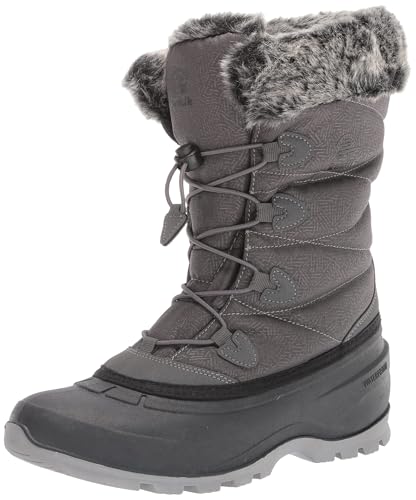
The Kamik Momentum 3 is a practical women’s snow boot for walks, errands, and icy trails. It offers insulation for cold comfort and waterproof protection for snow and slush. The Charcoal color looks easy to pair with daily winter clothing. I also like the lighter feel compared with many tall, heavy work boots.
The outsole is designed to provide non-slip traction, but users should still treat black ice with respect. A deep tread can grip snow and rough ice better than a smooth sole, yet no boot replaces short steps and a clear path. This boot works best when you want a balance of comfort, warmth, and daily style. It may not provide enough protection for extreme cold or industrial work.
Pros:
- Waterproof construction protects feet in snow and slush
- Insulation helps keep toes warm during daily use
- Non-slip tread supports winter paths and sidewalks
- Lighter feel helps reduce foot fatigue
- Versatile look works for errands and outdoor walks
- Good option for women who want one daily snow boot
Cons:
- Not a replacement for an extreme-cold work boot
- Fit may need adjustment with thick winter socks
- Tread still needs care on smooth black ice
My Recommendation
I recommend the Momentum 3 for women who want a daily winter boot rather than a heavy-duty work boot. It is a comfortable choice for sidewalks, snowy trails, school runs, and errands. For many shoppers, it is among the best boots for icy conditions because it offers useful traction without a huge, clumsy feel. Choose a taller or more insulated model for deep snow and long stationary use.
| Best for | Why |
|---|---|
| Daily errands | The light design feels easy to wear. |
| Icy trails | Insulation and tread support winter walks. |
| Snowy sidewalks | Waterproof protection handles slush. |
Septoolshop Waterproof Hiking Gaiters

The Septoolshop protective gaiters are not boots, but they can improve a winter boot setup. They cover the lower leg and the top of the boot, helping keep snow, rain, mud, and trail debris out. The waterproof and breathable design is useful for hiking, climbing, and wet outdoor routes. The orange color may also make a hiker easier to see in poor weather.
Gaiters work best as a layer over a well-fitting boot with good traction. They cannot add grip to a worn outsole, and they do not replace insulation inside the boot. A secure fit matters because loose gaiters can catch on brush or let water in. I see them as a smart add-on for people who already own boots but need more snow coverage.
Pros:
- Helps block snow from entering over the boot collar
- Waterproof fabric adds weather protection
- Breathable design may reduce trapped moisture
- Useful for hiking, climbing, and trail work
- Orange color improves outdoor visibility
- Can extend the use of an existing winter boot
Cons:
- Does not provide warmth or sole traction by itself
- Needs a compatible boot and secure fit
- May feel unnecessary for short city walks
My Recommendation
I recommend these gaiters for hikers who already have a good pair of boots but need more coverage. They are especially useful in deep snow, wet brush, and steep winter trails. As part of a layered setup, they can help make the best boots for icy conditions more useful in rough terrain. Buy them only after checking your boot shape and the gaiter size.
| Best for | Why |
|---|---|
| Winter hiking | They help keep snow and debris out. |
| Wet brush | The outer layer adds lower-leg coverage. |
| Existing boots | They improve coverage without a new boot. |
Women’s Yellow Fur-Lined Snow Boot
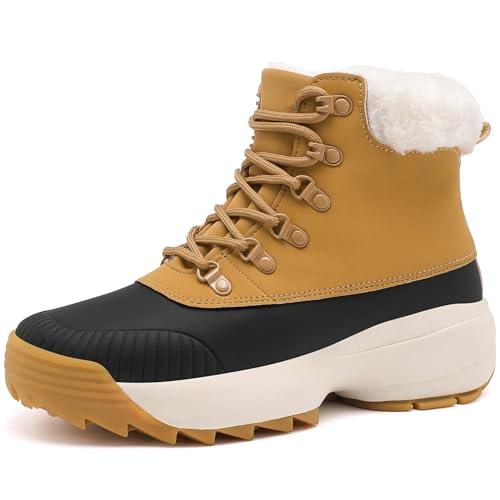
This yellow women’s snow boot focuses on casual winter comfort and a bright, cheerful look. The waterproof outer design helps manage snow and wet sidewalks. A fur-lined interior adds soft warmth, while the short shape keeps the boot easy to wear. It is a useful option for daily walking, errands, travel, and light outdoor use.
The non-slip sole can help on common winter surfaces, but buyers should not read that phrase as a guarantee against every icy fall. Short boots often feel less restrictive than tall boots, though they also leave more leg exposed. The cushioned design may appeal to shoppers who dislike stiff work boots. I would reserve this pair for normal winter use rather than extreme cold or technical hiking.
Pros:
- Waterproof design suits snow and wet sidewalks
- Fur lining adds soft everyday warmth
- Bright yellow color gives the boot a distinct style
- Lightweight shape supports casual walking
- Slip-resistant outsole helps on common winter ground
- Cushioning makes it suitable for errands and travel
Cons:
- Short shaft gives limited deep-snow protection
- May not offer enough warmth for extreme cold
- Casual build may not suit hard outdoor work
My Recommendation
This pair is best for women who want a warm, casual boot for light snow and city use. I would pick it for errands, commuting, and short walks where style matters as much as function. It can rank among the best boots for icy conditions for mild winter days, but it is not my first choice for deep snow or long trail trips. Check the fit with the socks you plan to wear.
| Best for | Why |
|---|---|
| City errands | The short shape is simple and easy to wear. |
| Light snow | Waterproof material handles wet sidewalks. |
| Winter style | The yellow finish adds a bright look. |
MUCK Arctic Excursion Mid Boot, Size 14
This size 14 version of the MUCK Arctic Excursion Mid Boot gives larger-foot shoppers access to the same cold-weather design. The mid shaft helps shield the foot from snow, slush, and wet grass. Its waterproof build is useful for outdoor work and recreation. The flexible feel also makes it more comfortable than many rigid cold-weather boots.
Large sizes often need extra room for socks, but too much space can make a boot slip inside and reduce walking control. I suggest measuring both feet and comparing them with the maker’s chart before ordering. The outsole can help on uneven winter ground, though polished ice remains a high-risk surface. This is a practical boot for people who need size availability without giving up weather protection.
Pros:
- Large size supports shoppers with bigger feet
- Mid height gives useful snow coverage
- Waterproof shell helps keep feet dry
- Flexible build supports outdoor movement
- Warm lining suits cold walks and chores
- Works for hunting, farming, and winter recreation
Cons:
- May feel too warm during active mild-weather use
- Size 14 can be difficult to fit in narrow spaces
- Mid height may not handle very deep snow
My Recommendation
I recommend this version for men who need a larger size and a flexible winter boot. It is a strong fit for outdoor chores, hunting, and snowy walks. Shoppers seeking the best boots for icy conditions often overlook fit, yet a well-sized boot can improve comfort and control. Confirm the size, calf room, and sock thickness before you place an order.
| Best for | Why |
|---|---|
| Large feet | The listed size serves a wider size need. |
| Cold outdoor walks | Warm lining and waterproof coverage work together. |
| Flexible work | The soft build bends more easily than hard boots. |
MUCK Women’s Arctic Sport II Tall Boot

The MUCK Arctic Sport II Tall Boot is a trusted style for women who need broad winter coverage. The tall shaft helps keep snow, rain, and mud away from the lower leg. Its waterproof rubber and neoprene build offers a soft, flexible feel for chores and walks. This boot fits the needs of gardeners, dog walkers, hunters, and rural users.
A tall boot can feel reassuring when snow piles up around the driveway. It also adds weight and warmth, so it may feel like too much on a mild day. I would pair it with a wool blend sock that moves moisture away from the skin. As with every winter boot, grip depends on the surface, and smooth ice still demands care.
Pros:
- Tall shaft gives strong protection from snow and water
- Waterproof rubber helps keep feet and legs dry
- Flexible neoprene supports natural movement
- Warm construction suits cold outdoor chores
- Useful across farms, yards, trails, and wet fields
- Easy-clean surface handles mud with little fuss
Cons:
- Can feel heavy during long walks
- May be too warm for mild temperatures
- Calf fit needs attention before purchase
My Recommendation
I would choose the Arctic Sport II for women who need a tall, warm boot for wet and snowy ground. It offers more coverage than the Kamik daily boot and more flexibility than many hard pac boots. That makes it one of the best boots for icy conditions for rural work and long outdoor chores. For office commutes, its tall shape may be more boot than you need.
| Best for | Why |
|---|---|
| Deep snow | The tall shaft helps keep snow outside. |
| Wet yard work | Waterproof rubber handles mud and water. |
| Rural outdoor use | Flexible construction supports daily chores. |
How I Evaluate Boots for Icy Conditions
When I review winter boots, I start with the basics: dry feet, warm feet, and steady steps. Waterproofing matters because wet socks lose heat fast. Insulation matters because cold air can drain comfort before a walk is over. Traction matters most when snow turns to packed ice, but the tread must match the ground and the way you move.
I also check boot height, fit, weight, flexibility, and use case. A short boot may be perfect for a wet sidewalk but poor in deep snow. A heavy pac boot may protect a worker but feel tiring on a quick errand. The best boots for icy conditions are not the same for every person, so I judge each pair by the job it is meant to do.
What Makes a Boot Good on Ice?
Good ice boots need a sole that stays flexible in cold weather. Some rubber compounds harden as temperatures fall, which can reduce grip. A lugged tread can help on snow and rough ice, while a flatter winter sole may work well on packed paths. Still, no outsole can create reliable grip on every sheet of clear black ice.
Fit is just as important as tread. Your heel should stay in place, and your toes should have room to move. A boot that squeezes the toes can reduce warmth, while a boot that slips can make each step less stable. I prefer a snug heel, open toe space, and enough room for a quality winter sock.
Waterproofing and Warmth: What to Know
Waterproof boots help in slush, rain, and wet snow. They do not always breathe as well as fabric hiking shoes, so feet may sweat during hard work. That is why I favor moisture-wicking socks and a chance to dry boots between uses. Never place rubber or insulated boots against a hot heater, since high heat can damage materials.
Cold ratings also need a careful reading. A rating is a guide, not a promise for every person or task. The number can assume light activity, a certain sock, and controlled test conditions. Wind, dampness, long periods of standing, and poor circulation can all make feet feel colder.
How to Walk Safely on Black Ice
Even the best boots for icy conditions cannot make black ice harmless. I shorten my steps, bend my knees a little, and keep my feet under my body. I avoid rushing, carrying too much, or placing hands in coat pockets. When possible, I use a rail, choose a salted path, and test an uncertain patch with the edge of my foot.
Traction aids can help in some cases, but they also have limits. Ice cleats or traction devices must fit the boot and match the surface. Remove them before walking on smooth indoor floors, where they may slip or damage the floor. For work sites, follow the safety rules set by the employer.
How to Choose the Right Winter Boot
First, decide where you will wear the boot. For rain and slush, a waterproof ankle boot may be enough. For deep snow, choose a mid or tall shaft. For long work shifts, focus on warmth, support, and any required safety toe.
Next, think about movement. Flexible rubber and neoprene suit chores and walking. A pac boot adds insulation and structure but may feel heavier. For a city commute, I often prefer a lighter boot that works with normal clothes and is easy to remove indoors.
Finally, check the fit at the time of day when your feet are largest. Wear the socks you plan to use in winter. Walk on a clean floor and check for heel lift, toe pressure, and ankle rubbing. A good fit should feel secure without squeezing the foot.
Care Tips to Extend Boot Life
Brush off salt and mud after each use. Salt can dry and mark rubber, while packed mud can hide damage. Let boots air dry at room temperature. Remove insoles when possible so air can reach the inside.
Store boots in a cool, dry place away from direct sun. Do not fold tall shafts sharply, since repeated creases can weaken the material. Check the outsole for worn tread before the next winter season. If the tread is smooth, replacement is safer than hoping the boot will regain grip.
FAQs Of Best Boots for Icy Conditions
Are waterproof boots good for ice?
Waterproof boots help keep feet dry in snow and slush, but waterproofing alone does not create grip. Look for a cold-flexible outsole with useful tread. Walk slowly on clear ice, even with a traction-focused boot.
Are tall boots better for icy weather?
Tall boots offer better protection from deep snow, wet grass, and slush. Short boots feel lighter and may work better for city errands. Choose the height that matches the depth of snow and your daily use.
How should winter boots fit?
Your heel should stay mostly in place, and your toes should move freely. Leave room for a warm sock without letting the foot slide. Try boots on with your actual winter socks before you keep them.
Can any boot prevent slips on black ice?
No. A good outsole may improve grip on snow and rough ice, but polished black ice remains dangerous. Take short steps, use rails, and consider approved traction aids when needed.
What socks work best with insulated boots?
Wool or synthetic moisture-wicking socks are usually better than cotton. They help manage sweat and retain warmth when damp. Avoid socks so thick that they squeeze your toes.
Final Verdict: Which Should You Buy?
For extreme cold and work, I would choose the RefrigiWear Extreme Pac Boot. For daily snow walks, the Kamik Momentum 3 is lighter and easier to wear. The MUCK Arctic styles offer the best mix of coverage, flex, and wet-weather use.
The best boots for icy conditions match your surface, climate, and fit. Choose waterproof coverage, useful tread, and enough room for warm socks. Then walk with care, because smart habits matter as much as the boot.

Madison Clark is a footwear expert and the voice behind MyStyleGrid.com. She specializes in honest shoe reviews, style tips, and practical guides to help readers find the perfect pair for any occasion. With years of experience in blogging and content creation, Madison makes footwear knowledge simple, stylish, and easy to follow.