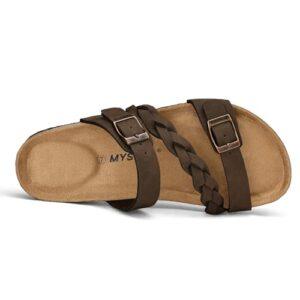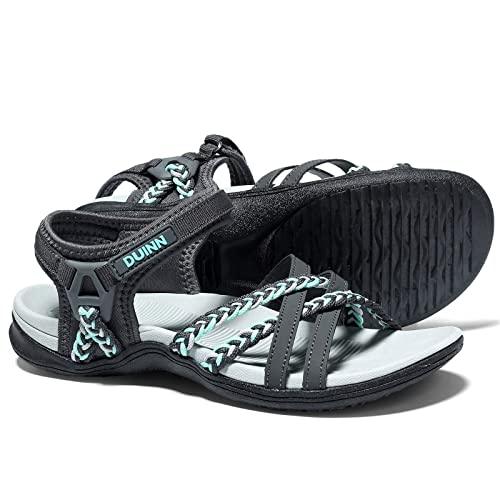
The best hiking sandals for bunions combine a roomy toe box, soft straps, arch support, and a stable non-slip sole.
If a trail leaves your big-toe joint sore, hot, or rubbed raw, the wrong sandal can turn a fun walk into a slow march. I know how frustrating that feels. Bunions need space, gentle contact, and a secure fit that does not squeeze the front of the foot. I reviewed these hiking sandals with those needs in mind, focusing on comfort, adjustability, support, traction, and value for warm-weather walks.
WHITIN Women’s Hiking Sandals 9

The WHITIN Women’s Hiking Sandals 9 offer a practical mix of open-air comfort and trail-ready support. The adjustable upper can help create more room near the bunion area than a fixed strap design. I like this style for warm walks, park paths, and easy day hikes where airflow matters. The open build also makes it easier to see how the sandal sits against the side of your foot.
The arch support adds structure without making the sandal feel like a heavy hiking boot. A broad front area may suit people who dislike tight, narrow footwear, though the exact fit depends on your foot shape and size choice. The sole should feel more secure than a flat fashion sandal on common outdoor surfaces. Break them in with short walks first, then increase distance as your feet adjust.
Pros:
- Adjustable fit can reduce pressure around a bunion
- Open design keeps feet cooler in warm weather
- Arch support adds useful structure for walking
- Outdoor sole suits casual trails and park paths
- Light feel works well for travel and daily wear
- Easy-entry design is useful for quick outings
Cons:
- Open straps may not suit people who want full foot coverage
- May need a break-in period before long hikes
- Fit can vary for very wide or very narrow feet
KuaiLu Women’s Orthopedic Walking Sandals

The KuaiLu Women’s Orthopedic Walking Sandals focus on cushion and everyday support. That makes them a strong option for someone who wants a sandal for errands, walks, vacations, and light outdoor use. A cushioned footbed can soften the feel of each step on hard sidewalks. For bunion comfort, the key benefit is the adjustable upper, which lets you avoid fastening the sandal directly over a tender joint too tightly.
I would place this pair closer to a comfort walking sandal than a rugged mountain sandal. It may work well on paved paths, boardwalks, and smooth nature trails. The arch area gives the foot a more guided feel than a thin, flat sole. If you need extra width, loosen the straps before judging the fit, and check that your heel stays in place as you walk.
Pros:
- Soft cushioning helps reduce harsh impact on hard ground
- Adjustable straps allow a more personal fit
- Arch support may help tired feet during daily walking
- Comfort-focused design works well for travel days
- Open construction improves airflow in summer
- Useful choice for people who prefer a softer footbed
Cons:
- Better for light trails than rough, technical terrain
- Extra cushioning may feel less stable to minimal-shoe fans
- Straps may need small adjustments during the first few wears
WHITIN Women’s Hiking Sandals 8

The WHITIN Women’s Hiking Sandals 8 are built for shoppers who want outdoor styling with a supportive feel. The adjustable construction can be helpful when one foot is wider or when the bunion area needs extra breathing room. I find adjustable sandals easier to fine-tune than slip-on styles because I can change the tension as my feet warm and swell. That small detail can make a big difference during a long day outside.
The sandal’s arch support gives it more purpose than a basic beach sandal. Its open upper helps release heat, while the outdoor design gives you a more confident step on ordinary paths. I would use this pair for casual hiking, camping trips, sightseeing, and daily summer walks. For steep or rocky routes, examine the sole and strap fit before heading far from the trailhead.
Pros:
- Adjustable straps help make room for bunion-sensitive feet
- Arch support gives better structure than flat sandals
- Good airflow suits hot weather and summer travel
- Outdoor profile works for casual hiking and walking
- Can accommodate minor changes in foot swelling
- Versatile look suits both trails and everyday outfits
Cons:
- Not a substitute for a closed hiking shoe on rough trails
- Open sides offer less protection from rocks and brush
- People with high-volume feet may need careful strap testing
YOCCI Women’s Sport Hiking Sandals

The YOCCI Women’s Original Sport Sandals target active users who want a light sandal for land and water. The yoga-mat-style insole is designed to feel soft underfoot, which can be welcome when your feet tire quickly. The design also includes arch support, a feature I look for when comparing the best hiking sandals for bunions. A flexible, light shoe can feel less demanding on easy walks than a stiff outdoor sandal.
This pair makes sense for beach paths, water parks, campgrounds, and relaxed hikes near streams. The water-friendly format can be useful when you expect splashes or damp ground. Still, soft comfort should not be confused with medical treatment or maximum trail protection. If your bunion is swollen, test the front strap at home and stop using the sandal if it creates rubbing or sharp pain.
Pros:
- Lightweight feel helps reduce foot fatigue
- Soft insole provides a pleasant step on casual walks
- Arch support adds more guidance than a flat water shoe
- Useful for water activities and warm-weather travel
- Open design promotes quick airflow
- Sporty shape suits active summer use
Cons:
- May not provide enough protection for rocky hikes
- Soft footbed may feel less firm to some users
- Wet conditions can increase rubbing if the fit is loose
UBFEN Women’s Hiking Sandals

The UBFEN Women’s Hiking Sandals with Comfortable Arch Support are a sensible pick for everyday outdoor comfort. Their main appeal is the blend of an open hiking shape and supportive underfoot design. For bunions, the adjustable areas matter because you need a snug fit without a clamp-like feeling. I recommend checking the size chart and measuring both feet, since foot length and width can change from one side to the other.
This sandal looks suited to walks, travel, light hikes, and general summer use. The arch support may help your feet feel less flat and tired after several hours. The open upper also makes it easier to rinse away dust after a trail outing. I would keep the first few trips short, especially if your bunion is sensitive or your skin tends to blister.
Pros:
- Arch support helps create a more supportive walking platform
- Open upper keeps the foot cooler than closed shoes
- Adjustable fit can help avoid direct bunion pressure
- Good match for daily walks and light outdoor activity
- Black color hides common trail dust well
- Simple design makes it easy to wear during travel
Cons:
- May lack the shielding of a closed-toe hiking shoe
- Fit must be adjusted carefully to prevent heel movement
- Not ideal for demanding routes with loose rock
Viakix Women’s Athletic Hiking Sandals
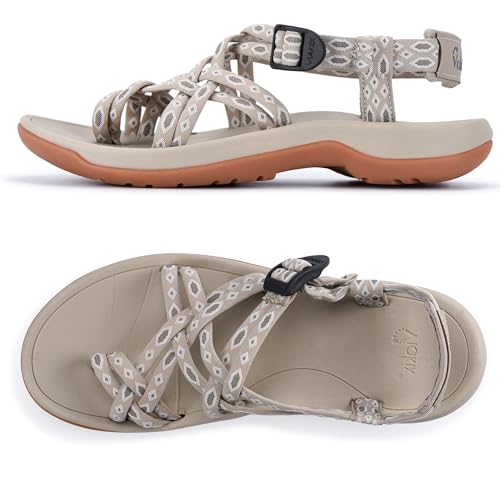
The Viakix Women’s Walking Sandals offer an athletic look for people who want more than a casual flip-flop. I pay close attention to strap placement in this category because a sandal can have good arch support yet still irritate a bunion. A flexible adjustment system gives you a better chance of finding a gentle hold. The Sahara color also has a versatile style for walking trips, resort travel, and outdoor weekends.
This model appears most useful for walking and moderate outdoor activity. A supportive footbed can help keep your foot from feeling tired during long sightseeing days. The sandal format improves ventilation, which is helpful in hot climates. I would not treat any sandal as a cure for bunions, but a roomy, stable fit can make normal movement more comfortable for many people.
Pros:
- Athletic design suits longer walking days
- Adjustable straps support a more custom fit
- Arch support helps reduce the flat-foot feel
- Breathable build works well in hot weather
- Versatile color pairs with casual travel clothing
- Useful for walks, errands, and moderate trails
Cons:
- May not suit users seeking a very wide toe box
- Open design leaves toes more exposed to trail debris
- May feel less cushioned than a recovery-style sandal
shevalues Women’s Hiking Sandals

shevalues Hiking Sandals for Women are designed around two features that matter for bunion comfort: adjustable straps and arch support. This is a useful combination for feet that need space in one area but still need a secure hold. I prefer a sandal that lets me change tension near the forefoot rather than forcing one fixed fit. The open layout also helps reduce the warm, damp feeling that can lead to skin trouble on summer walks.
These sandals may appeal to shoppers who want a simple pair for daily walking and easy trails. The arch support gives the foot a clear place to rest, while the straps help keep the sandal from sliding. Use them with clean, dry feet and check the skin after your first few wears. A small hot spot is a warning sign; it is much easier to fix fit early than after a long hike.
Pros:
- Multiple adjustment points can help with bunion-sensitive areas
- Arch support promotes a more guided step
- Breathable style fits warm-weather walking
- Useful for light hiking, errands, and vacations
- Secure design may reduce unwanted foot sliding
- Easy to fine-tune as feet swell during the day
Cons:
- May need careful strap placement around the big toe joint
- Not intended for severe terrain or technical hiking
- People with very high arches may want firmer support
Wide Orthopedic Hiking Sandals for Women

This wide orthopedic hiking sandal stands out for shoppers who need extra room, a hook-and-loop closure, and a gentle fit. The wider format can be helpful when a bunion, swelling, or a broad forefoot makes standard sandals feel tight. Hook-and-loop straps also make it easier to adjust the sandal without bending or pulling hard. I see this as one of the more comfort-first options in this group.
The design may suit recovery walks, easy outdoor trips, and daily use better than steep hikes. A wide opening can reduce side pressure, but it must still hold the heel firmly to prevent sliding. People with diabetes, reduced sensation, or circulation concerns should ask a qualified health professional before choosing outdoor footwear. Check the inside often for rubbing, since reduced sensation can hide a small injury.
Pros:
- Wide shape gives the forefoot more breathing room
- Hook-and-loop closure is easy to adjust
- Helpful design for swollen feet and bunion pressure
- Arch support adds structure for walking
- Simple entry helps users with limited hand movement
- Comfort-focused build suits recovery and daily outings
Cons:
- Wide fit may feel loose on slim feet
- Better for easy paths than rugged hiking routes
- Users with reduced sensation need careful daily foot checks
Women’s Barefoot Summer Water Sandals

These women’s barefoot summer water sandals take a lighter, more flexible approach. They may appeal to people who dislike thick soles and want a close-to-ground feel near the beach or pool. The flexible design can feel natural during short walks, and the water-shoe format is handy for wet areas. However, barefoot comfort is not the same as orthopedic support, so shoppers with bunions should assess this pair with care.
I would choose this style for water play, casual beach use, and short flat walks rather than long hikes. A thin or flexible sole may not give enough cushioning or arch structure for a full day on pavement. If your feet already feel better in supportive shoes, this may work best as a secondary warm-weather option. Test it indoors first and watch for pressure at the bunion joint.
Pros:
- Lightweight feel is convenient for travel and water use
- Flexible build allows natural foot movement
- Open summer style improves airflow
- Easy option for pools, beaches, and campgrounds
- Low-profile shape packs well in a travel bag
- May suit shoppers who dislike heavy footwear
Cons:
- Limited arch support compared with orthopedic sandals
- Thin flexible construction may tire feet on long walks
- Less suitable for serious hiking or rough ground
How I Evaluate Hiking Sandals for Bunions
When I compare the best hiking sandals for bunions, I start with the front of the sandal. A bunion forms near the base of the big toe, so narrow straps and pointed shapes can create unwanted pressure. I look for a rounded front, enough width for the toes to spread, and materials that do not feel stiff against the joint. A roomy fit should still hold the foot in place; too much movement can cause rubbing.
Next, I check the support under the foot. Arch support cannot remove a bunion, but it may help the foot feel more stable during a walk. A good footbed should support the arch without forcing the foot into an awkward position. I also look for a heel area that helps stop sliding. When the heel moves, the forefoot often works harder to grip the sandal.
Traction matters too. Hiking sandals should have an outsole that grips common surfaces such as packed dirt, pavement, dry rock, and wet walkways. No open sandal can provide the same protection as a closed hiking shoe. Still, a stable sole can improve confidence on easy trails. I would always match the sandal to the route, weather, and distance.
Why Adjustable Straps Matter
Feet change during the day. Heat, walking, salt, and long periods of standing can cause mild swelling. A fixed sandal may feel fine at breakfast and too tight by late afternoon. Adjustable straps let you make small changes before pressure becomes pain.
For bunions, do not fasten the front strap as tightly as possible. The sandal should stay on without pressing the bump. Place the strap across a comfortable part of the foot, then walk for several minutes. If you see a red mark that does not fade soon after removal, try a looser setting or a different style.
Hook-and-loop closures often help people who need quick changes. Buckles can offer a precise fit, but they may take longer to adjust. A sandal with several adjustment points can work well for feet with different widths. Still, more straps do not always mean more comfort. Their location and softness matter just as much.
How to Choose the Right Size
Measure your feet at the end of the day. This is when feet may be at their largest after normal activity. Stand on paper, mark the longest point of each foot, and compare the result with the seller’s size chart. Measure both feet because one foot often runs slightly larger.
Leave a little space in front of the longest toe. Your toes should not hang over the edge, and the heel should not sit past the back of the footbed. The widest part of your foot should rest inside the sandal without spilling over the sides. This check is especially important when shopping for wide hiking sandals for bunions.
Wear the same socks you plan to use on the trail when testing the fit. If you hike barefoot, test the sandal barefoot as well. Walk up stairs, turn, and stop quickly. These simple moves show whether your foot slides or the straps pinch.
What Type of Hiking Is Best for Sandals?
Hiking sandals work best on warm, dry routes with a smooth or moderately uneven surface. They are useful for river walks, campground paths, beach trails, paved greenways, and easy day hikes. They also offer fast drainage after a splash. That makes them a popular choice for summer travel.
Closed shoes remain safer for sharp rock, thick brush, cold weather, steep loose slopes, and trails with many roots. Sandals leave parts of the foot exposed. A toe can meet a rock, and grit can collect under the footbed. I pack a closed shoe when the route may change or when the trail is far from help.
Think of sandals as tools for the right job. They are like a light rain jacket: useful in the proper setting, but not ideal for every storm. Choosing the route first helps you choose the right footwear.
How to Prevent Bunion Irritation on a Hike
Start with short walks. Wear the sandals around your home for 15 to 30 minutes and inspect your skin. This first test can reveal a rough seam, a tight strap, or a loose heel before you reach the trail. Increase distance slowly.
Keep your feet clean and dry. Moisture increases friction, and friction creates hot spots. If your feet get wet, let them dry when possible. A pair of moisture-managing socks may help if the sandal design allows socks.
Carry a small blister kit. A soft pad can protect an early hot spot, but do not place thick material where it changes your foot position. Stop if you feel sharp pain, numbness, or burning. Foot pain is a message, not a challenge to ignore.
Cleaning and Care Tips
Brush away loose dirt after each hike. Use mild soap and cool or warm water, then rinse well. Avoid harsh bleach unless the product care guide specifically allows it. Strong chemicals can weaken straps and change the feel of the footbed.
Let sandals air-dry away from strong heat. A hot car dashboard or heater can warp some materials and weaken adhesives. Do not store damp sandals in a closed bag. Odor and mildew grow quickly in dark, wet spaces.
Check the sole and straps before each long outing. Look for worn tread, loose stitching, cracked foam, or a buckle that no longer holds. Replace a sandal when the sole becomes smooth or the footbed tilts. Comfort is important, but secure function comes first.
Best For Comparison
| Best for | Why |
|---|---|
| Best overall comfort | WHITIN Women’s Hiking Sandals 9 offer adjustable room, arch support, and useful outdoor versatility. |
| Best for wide or swollen feet | The wide orthopedic hook-and-loop sandal gives the forefoot more space and makes fit changes simple. |
| Best for water and light use | YOCCI Sport Sandals provide a light, flexible feel for casual trails, campgrounds, and wet activities. |
My Recommendation
For most shoppers, I would start with the WHITIN Women’s Hiking Sandals 9. They offer the balance I want in the best hiking sandals for bunions: adjustable room, arch support, open airflow, and a practical outdoor shape. Choose the KuaiLu pair if cushion is your top need for errands, travel, and daily walks. Pick the wide orthopedic sandal if swelling or a broad forefoot makes standard sandals uncomfortable.
The WHITIN Women’s Hiking Sandals 8 are another strong general-use choice, while shevalues offers useful adjustment for changing foot volume. Viakix suits active walkers who prefer an athletic look. YOCCI is a good water-friendly option, and the barefoot sandal works best for short, easy outings. Always confirm the current size chart, colors, fit notes, and availability on Amazon before ordering.
FAQs Of Best Hiking Sandals for Bunions
Are hiking sandals good for bunions?
They can be comfortable when they provide a wide front, soft straps, and a stable footbed. Avoid any sandal that presses on the bunion or causes rubbing. A podiatrist can help if pain continues.
What sandal features help bunions most?
Look for a roomy toe area, adjustable straps, soft materials, arch support, and a secure heel. These features can reduce pressure and unwanted foot movement. A wide size may help if your forefoot is broad.
Should I size up for bunions?
Not always. Sizing up may add length without adding the right width. Measure your feet and use the product’s size chart. Choose a wide option when the shoe offers one.
Can I hike long distances in sandals with bunions?
You may, if the sandals fit well and the route is suitable. Break them in slowly and carry backup footwear. Stop when you feel sharp pain, numbness, or a growing hot spot.
Are barefoot sandals a good choice for bunions?
They may work for short, flat walks if you like a flexible feel. They often provide less cushion and arch support than orthopedic styles. Treat them as a light-use option, not a cure for bunion pain.
Final Verdict: Which Should You Buy?
For most users, I recommend the WHITIN Women’s Hiking Sandals 9 for its blend of adjustability, support, airflow, and trail-ready comfort. Choose the wide orthopedic pair for swollen feet or extra forefoot room.
The best hiking sandals for bunions should fit gently, hold securely, and match your route. Measure carefully, break them in, and check your feet after every walk.

Madison Clark is a footwear expert and the voice behind MyStyleGrid.com. She specializes in honest shoe reviews, style tips, and practical guides to help readers find the perfect pair for any occasion. With years of experience in blogging and content creation, Madison makes footwear knowledge simple, stylish, and easy to follow.