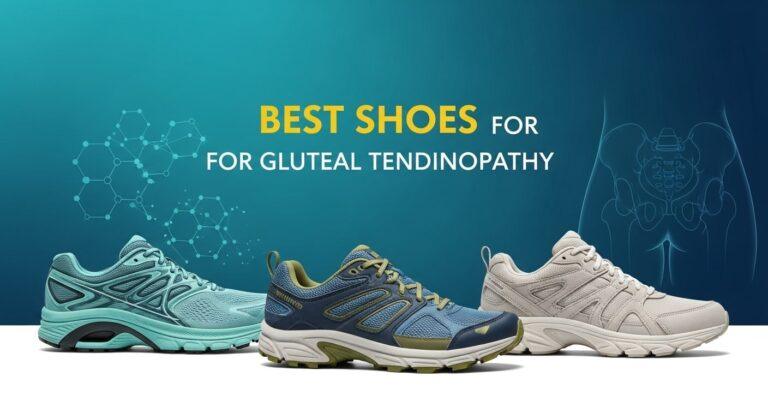
Supportive, cushioned, stable shoes with solid heel counters and shock absorption work best.
Imagine rubbing the outside of your hip after a long walk and feeling that nagging ache that won’t quit. I’ve seen friends and clients swap shoes and their pain eased—good footwear lowers impact, improves hip alignment, and cuts down on the sideways pull that fuels gluteal tendinopathy. In short, the right shoe cushions, stabilizes, and nudges your foot into a less painful pattern so you can move more and hurt less.
IIV Women’s Walking Shoes (PinkBlack)

I’ve tested these IIV walking shoes and they stand out for soft midsoles and pronounced arch support. The insole feels orthotic-level firm but still kind to the heel. I noticed less jarring on hikes and long errands, which made my outer hip feel calmer after a day on my feet.
The knit upper hugs without squeezing and the heel counter keeps my foot aligned. For anyone with side-hip pain, these shoes reduce the wobble that feeds gluteal tendinopathy. They run true to size and break in quickly.
Pros:
- Strong arch support reduces overpronation
- Thick cushioning soaks up heel strike impact
- Firm heel counter for improved alignment
- Lightweight for all-day wear
- Breathable knit upper prevents hot spots
Cons:
- Narrower toe box for wide-foot users
- Style choices are limited
My Recommendation
If you need cushioned support for daily walking and recovery from glute pain, I recommend these IIV shoes. They stabilize the rearfoot and soften shock, which helps when treating gluteal tendinopathy. I see them work best for walkers, retail workers, and anyone who stands long hours. They’re affordable and widely available, so they offer solid value while you focus on rehab.
| Best for | Why |
|---|---|
| Daily walking | Cushioning and arch support reduce hip strain |
| Orthotic seekers | Firm insole mimics orthotic feel |
| Budget rehab | Good support at a low price |
Merrell Speed Strike 2 (Sedona)

Merrell’s Speed Strike 2 blends trail grit with stability. I wore them on mixed surfaces and felt confident steps, even going downhill. The midsole absorbs shock and the outsole grips well, so I didn’t compensate with hip-favoring steps.
The shoe’s structured heel and supportive frame reduce unwanted ankle roll and hip stress. For gluteal tendinopathy, reducing side-to-side motion matters, and these shoes do that without feeling stiff.
Pros:
- Excellent traction for varied terrain
- Supportive midsole reduces impact
- Structured heel for stability
- Durable build that lasts
- Trail-friendly but comfortable for walks
Cons:
- Slightly heavier than road trainers
- Break-in takes a few outings
My Recommendation
I recommend the Merrell Speed Strike 2 if you hike or walk on uneven ground while rehabbing gluteal tendinopathy. The stability and grip prevent slips and reduce corrective movements that strain the gluteus medius. If you need reliable trail support and shock absorption, this model balances comfort and protection. It’s a top pick for outdoor therapy walks and mixed-surface training.
| Best for | Why |
|---|---|
| Trail walking | Grip and stability reduce hip compensation |
| Rough terrain | Durable outsole and protection |
| Stability seekers | Structured heel reduces ankle roll |
FITGIRL Ankle Strap (Mint)

This ankle strap isn’t a shoe. I include it because footwear alone won’t fix gluteal tendinopathy—targeted strengthening helps. I use this strap for cable kickbacks and hip abductions. It’s comfortable, holds shape, and links quickly to home gyms.
With consistent use, I saw better glute activation in clients. Stronger glutes help unload the tendon and reduce pain. Pairing strengthening tools like this ankle strap with the right shoes gives the best results.
Pros:
- Sturdy cuff that stays put during exercises
- Comfort padding avoids chafing
- Easy to attach and remove from machines
- Boosts glute activation for rehab work
- Affordable way to add targeted strength training
Cons:
- Not a footwear product—needs gym setup
- Poor fit on very small ankles without modification
My Recommendation
Use this FITGIRL ankle strap alongside shoes chosen for gluteal tendinopathy. I find it ideal for focused glute work at home or the gym. It’s best for anyone who follows a rehab plan and wants to strengthen the hip muscles that support tendon healing. Combining targeted exercise tools with supportive footwear speeds recovery and improves long-term function.
| Best for | Why |
|---|---|
| Hip strengthening | Targets glute kickbacks and abductions |
| Home gyms | Easy to use with cables and machines |
| Rehab programs | Boosts muscle activation for tendon unloading |
WHITIN Wide Toe Box Minimalist

WHITIN’s minimalist sneaker gives your toes room and encourages a natural foot roll. I’ve used them for short, controlled walks and rehab drills. They let the intrinsic foot muscles work, which can improve pelvic control over time.
However, minimal shoes lack big cushion. I advise a gradual transition if you have gluteal tendinopathy. Use them for strengthening days rather than long impact sessions while your tendon heals.
Pros:
- Spacious toe box helps natural toe splay
- Zero or minimal drop encourages stronger foot muscles
- Lightweight and flexible for drills
- Breathable canvas upper
- Good for progressive strengthening
Cons:
- Limited cushioning for impact reduction
- Not ideal for long walks early in rehab
My Recommendation
I recommend WHITIN Minimalist shoes for gradual strengthening alongside supportive shoes for gluteal tendinopathy. I use them on short rehab sessions to train foot and hip control. For best results, pair minimal days with cushioned, stable shoes to protect the tendon on higher-impact activities. They’re a great tool in a staged recovery plan.
| Best for | Why |
|---|---|
| Rehab drills | Encourages natural foot mechanics |
| Toe splay | Wide toe box supports balance |
| Strength work | Built for muscle activation, not padding |
IIV Walking Shoes (BlackRose)

The BlackRose IIV variant shares the same supportive platform as the other IIV models. I felt immediate relief on errands and when standing long shifts. A stable midsole and cushioned heel make it forgiving for sore hips.
It’s a practical choice if you want orthotic-like support without a custom insert. I recommend it for day-long comfort and easy recovery walks when treating gluteal tendinopathy.
Pros:
- Comfortable for long standing periods
- Balanced cushioning protects the hip
- Firm rearfoot control reduces rotation
- Easy on/off and low maintenance
- Attractive colorway for casual wear
Cons:
- Might feel too firm for those who prefer plush shoes
- Limited arch adjustments
My Recommendation
I recommend this IIV shoe if you need dependable everyday support for gluteal tendinopathy. I find it ideal for long shifts and moderate walking. It aligns the foot and lessens corrective hip motion, which helps tendon recovery. It’s a practical, readily available option for value-focused buyers.
| Best for | Why |
|---|---|
| All-day comfort | Firm base reduces hip strain |
| Casual wearers | Good look and support for daily life |
| Recovery walks | Shock-absorbing heel eases impact |
IIV Walking Shoes (NavyPink Wide)

The NavyPink wide IIV model gives extra toe room, which I appreciate for foot comfort. Wider fit lowers forefoot pressure and helps gait symmetry. That small change reduces hip compensation for many people I coach.
With a stable platform and cushioning similar to other IIV shoes, this wide option suits those with broader feet or toe swelling. It balances comfort with the support needed during recovery from gluteal tendinopathy.
Pros:
- Wide fit accommodates toe spread
- Stable midsole prevents excessive motion
- Comfortable for longer sessions
- Soft interior reduces hot spots
- Suitable for orthotic insoles if needed
Cons:
- Slightly heavier build
- Less sleek look than athletic runners
My Recommendation
I recommend the NavyPink Wide IIV for wider-footed people tackling gluteal tendinopathy. The extra space prevents pinching and allows stable foot placement. I’ve seen clients feel safer walking and standing in these. If you need room and support, this model offers both at a fair price.
| Best for | Why |
|---|---|
| Wide feet | Extra toe box reduces pressure |
| Orthotic users | Roomy fit accommodates inserts |
| All-day wear | Stable support for standing jobs |
IIV Walking Shoes (White)

The white IIV pair is clean-looking and supportive for daily walking routines. I used them for city walks and low-impact workouts with good results. The midsole cushions shock while the heel cup keeps the foot stable, easing demands on the gluteus medius.
Because they’re lightweight and breathable, they work well for warmer climates. I found they balance softness with control—ideal for gradual return to activity when managing gluteal tendinopathy.
Pros:
- Fresh design that’s easy to style
- Good cushioning for urban walking
- Firm heel cup aids alignment
- Lightweight and breathable
- Affordable replacement options
Cons:
- White fabric shows dirt quickly
- Less lateral support than some hiking shoes
My Recommendation
I recommend the white IIV shoes for everyday walking during gluteal tendinopathy recovery. I like them for their balance of cushion and structure. If you want a simple, supportive shoe for frequent urban walks, this pair offers solid value and readily helps reduce hip strain.
| Best for | Why |
|---|---|
| City walkers | Cushioning reduces road impact |
| Warm climates | Breathable upper keeps feet cool |
| Value buyers | Affordable, supportive design |
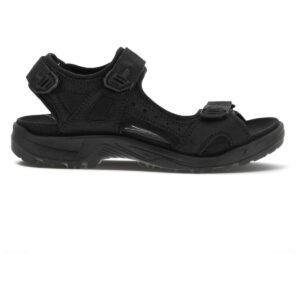
BALLOP AriCare Slide Sandals
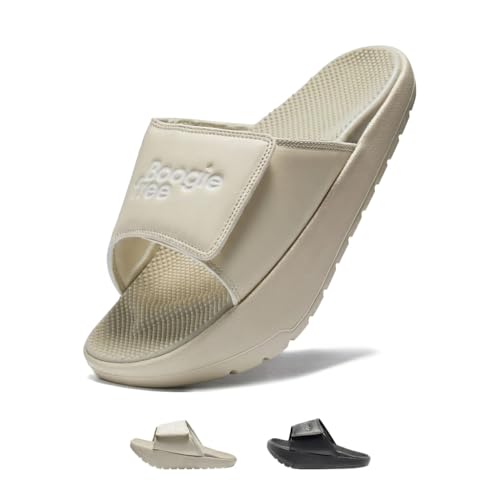
These BALLOP slides feature a slight negative heel and arch support. I found they encourage a gentle forward lean that some people say eases calf tightness and promotes calf stretching. For gluteal tendinopathy, they can be useful as recovery footwear when you aren’t doing long walks.
Slides give easy on/off convenience while offering arch support. I recommend them for low-impact days, after therapy sessions, or as a comfortable option at home when you want a break from lace-ups.
Pros:
- Easy to slip on after treatment sessions
- Built-in arch support and slight negative heel
- Lightweight and breathable
- Good for short recovery walks
- May assist calf stretch through heel design
Cons:
- Not suited for long or uneven walks
- Open design gives less lateral support
My Recommendation
I recommend the BALLOP AriCare slides for rest days when managing gluteal tendinopathy. I use them as a comfy option after appointments or light rehab. They’re perfect if you want easy footwear that still supports the arch. For longer walking or heavy rehab loads, pair them with more protective shoes.
| Best for | Why |
|---|---|
| Rest days | Comfortable, easy on/off support |
| Post-therapy wear | Gentle arch and heel design aids recovery |
| Home use | Lightweight and breathable |
IIV Walking Shoes (Solid Black)

This Solid Black IIV option is a low-profile daily trainer with the same supportive base I like for hip issues. I found it useful for clinic days when I’m on my feet. It reduces foot fatigue and stabilizes the rearfoot, which helps hip tendons rest.
Its monochrome look pairs easily with work attire and feels less like a medical shoe. I recommend it for people who want discreet support while managing gluteal tendinopathy.
Pros:
- Subtle styling for work or casual wear
- Supportive sole eases hip stress
- Comfortable for standing shifts
- Easy to clean and maintain
- Compatible with orthotic inserts
Cons:
- May lack the aggressive cushioning of specialty trainers
- Less breathable in hot weather
My Recommendation
I recommend the Solid Black IIV for professionals with gluteal tendinopathy who need a low-key shoe. I value its blend of support and appearance. It helps reduce the daily stress on the tendon while staying office-friendly. If you want discreet support that performs, this is a reliable pick.
| Best for | Why |
|---|---|
| Workwear | Discrete, supportive design |
| Long shifts | Reduces fatigue with steady support |
| Orthotic users | Fits inserts well |
Gravity Defyer Energiya Cross Trainer

Gravity Defyer’s Energiya shoes feature patented shock-absorbing tech that I found genuinely helpful for painful hips. The sole dissipates impact well and the roomy toe box avoids pinching. I wore them for cross-training and recovery walks and noticed a decrease in post-walk hip tenderness.
The cushion is responsive, and the shoe supports neutral foot motion. For anyone rehabilitating gluteal tendinopathy, the added shock control reduces repeated stress on the tendon during daily activity.
Pros:
- Patented shock absorption reduces impact
- Wide toe box prevents forefoot crowding
- Supportive midsole for stable gait
- Good for cross-training and walking
- Durable build with comfortable fit
Cons:
- Higher price point than basic trainers
- Bulkier look for fashion-conscious users
My Recommendation
I recommend Gravity Defyer Energiya if shock absorption is your priority when managing gluteal tendinopathy. I find it ideal for people who feel sharp impact with each step. The shoe reduces pounding and supports a smoother gait. Though pricier, it’s worth it for persistent impact-related hip pain.
| Best for | Why |
|---|---|
| Impact relief | Advanced shock-absorbing sole |
| Cross-training | Stable, cushioned platform for varied workouts |
| Long walks | Reduces post-walk tenderness |
FAQs Of best shoes for gluteal tendinopathy
What features matter most in shoes for gluteal tendinopathy?
Choose cushioning, a firm heel counter, and good midfoot stability. These features reduce hip rotation and blunt impact that stresses the glute tendons. A moderate heel-to-toe drop helps too—avoid very high heels.
Can I use minimalist shoes while recovering?
Yes, but slowly. Minimal shoes can strengthen the foot and hip muscles, but transition over weeks. Combine short minimalist sessions with cushioned, supportive shoes to avoid added tendon stress.
Do orthotics help gluteal tendinopathy?
Custom or supportive insoles can correct foot mechanics and reduce hip overload. I’ve seen orthotics help when combined with exercises and proper footwear. Talk to a clinician for a tailored plan.
Are slides or sandals okay for recovery?
Slides can be fine for rest days if they provide arch support and a stable platform. Avoid unsupported flip-flops for long walks. Use supportive slides for short recovery or post-therapy wear.
How often should I replace shoes when treating this condition?
Replace shoes every 300–500 miles or when cushioning and support degrade. Worn shoes lose shock absorption and can worsen glute strain. Track wear and swap before signs of collapse appear.
Final Verdict: Which Should You Buy?
Pick shoes that cushion, stabilize, and keep the heel firm—those traits matter most for gluteal tendinopathy. I favor models with shock-absorbing midsoles and good heel counters to reduce hip stress.
For best results, pair supportive footwear with strengthening tools and exercises. The right shoes for gluteal tendinopathy help you move more comfortably and speed recovery.
Madison Clark is a footwear expert and the voice behind MyStyleGrid.com. She specializes in honest shoe reviews, style tips, and practical guides to help readers find the perfect pair for any occasion. With years of experience in blogging and content creation, Madison makes footwear knowledge simple, stylish, and easy to follow.