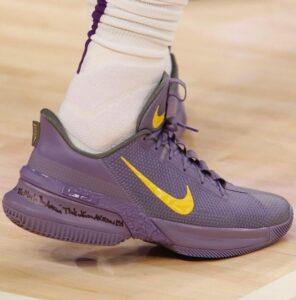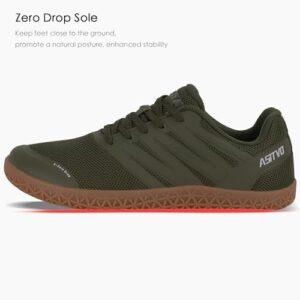
Best shoes for skew foot are wide-toe, zero-drop barefoot shoes with removable lifts.
I know the ache of finding shoes that fit a skew foot. You want comfort, a roomy toe box, and stability without forcing your foot into pain. I’ve tested many options and learned which designs ease pressure, support alignment, and let you walk with less fatigue. Below are clear, hands-on reviews to help you pick the best shoes for skew foot.
Dr.Tucker Heel Lifts (Small)

I keep a pair of heel lifts in my drawer. These lifts are thin and layered. They help level small leg length differences. I use one under the heel to ease tilt and reduce hip strain.
The material grips well inside most shoes. They are easy to stack and remove. For skew foot, a small heel lift can make shoe fit more even. They also help reduce shoe rubbing at the back.
Pros:
- Adjustable four-layer design for fine tuning
- Thin profile fits inside most shoes
- Helps balance minor leg length differences
- Improves comfort for tilted foot posture
- Inexpensive and easy to test at home
Cons:
- May not suit large leg length gaps
- Can shift in loose-fitting shoes
My Recommendation
This is best for people who need a small, adjustable lift without changing their whole shoe. I recommend it if your skew foot causes a slight uneven stance. The lift helps rebalance weight and reduces ankle stress.
| Best for | Why |
| Minor leg length correction | Adjustable layers for 1/8″ steps |
| Back-of-heel slipping | Adds lift to secure fit |
| Trying non-surgical fixes | Low cost and reversible |
Spesoul Wide Toe Box Barefoot
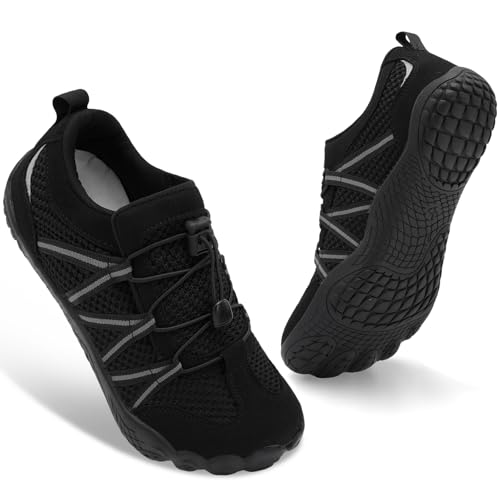
These Spesoul barefoot shoes have a roomy toe box. My toes spread naturally inside them. The zero-drop sole encourages neutral alignment and reduces forward tilt for skew foot sufferers.
The knit upper breathes well and moves with your foot. I noticed less inner-ankle rubbing than with narrow trainers. They work well for walking, water play, and short hikes when I need a natural feel.
Pros:
- Wide toe box allows toe splay
- Zero-drop sole encourages natural alignment
- Lightweight and quick-drying upper
- Slip-on style for easy wear
- Flexible sole helps ground feedback
Cons:
- Minimal cushioning for long runs
- May feel too flexible for some support needs
My Recommendation
I like these for everyday wear when I want strong toe freedom. For a skew foot, the wide toe box reduces crowding and lets the toes help stabilize. They are a simple path toward natural foot function.
| Best for | Why |
| Casual walkers | Comfortable toe spread and light feel |
| Water activities | Quick-dry knit and slip-on design |
| Trying barefoot shoes | Affordable entry to zero-drop footwear |
Barefoot Minimalist Zero Drop

These minimalist shoes offer a wide toe box and thin sole. I felt more ground feel immediately. That feedback helped me adjust stride and even my foot roll during walks.
The tread grips well on varied surfaces. I used them for gym sessions and short hikes. They are stingy on padding but great for foot muscle activation and natural alignment for a skew foot.
Pros:
- Excellent ground feedback for balance
- Wide toe box supports toe spread
- Durable outsole for trails and gyms
- Simple, lightweight construction
- Good for improving foot strength
Cons:
- Limited cushioning for long runs
- Might feel cold on hard surfaces
My Recommendation
These are best for people who want to retrain foot muscles. I recommend them for gradual use if you have a skew foot. They help balance gait by giving honest feedback from the ground.
| Best for | Why |
| Gym and cross-training | Flat sole for stable lifts |
| Short hikes | Durable outsole with grip |
| Muscle strengthening | Thin sole increases foot activation |
Joomra Barefoot Wide Women’s
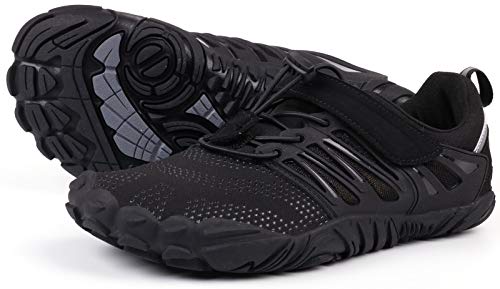
The Joomra barefoot shoe fits wide and feels agile. I use them for jogging and parkour-style movement. The toes sit naturally and the sole gives firm feedback.
The upper hugs the foot without pinching. I had less foot fatigue after short runs. For a skew foot, the wider platform helps reduce pinching on one side.
Pros:
- Roomy toe box for natural spread
- Lightweight for speed and agility
- Flexible sole for multi-directional moves
- Good for short runs and workouts
- Affordable barefoot option for women
Cons:
- Not ideal for long-distance running
- Less arch support for overpronators
My Recommendation
Pick Joomra if you want light, wide shoes that let your toes breathe. I found them helpful for a skew foot that needs toe freedom. They are great for workouts where agility matters.
| Best for | Why |
| Short running sessions | Lightweight and flexible |
| Agility training | Responsive sole and wide forefoot |
| Women who prefer barefoot feel | Designed with female fit in mind |
WHITIN Men’s Minimalist Wide

The WHITIN trail shoe gives room and traction. I tested them on dirt and urban trails. The wide toe box reduced forefoot rubbing for me.
The sole is low-profile but grippy. I felt more control on uneven ground. For a skew foot, the stable platform helps reduce awkward rolls on one side.
Pros:
- Wide width for forefoot comfort
- Good traction on varied terrain
- Low-to-the-ground stability
- Durable construction for trails
- Comfortable for longer walks
Cons:
- May feel stiff at first
- Less breathable than knit shoes
My Recommendation
I recommend WHITIN for trail walkers who need a stable base. I found it supportive when my skew foot made hills tricky. The grip and width make hiking easier and safer.
| Best for | Why |
| Trail walking | Grip and stability on rough ground |
| Long walks | Comfortable wide fit |
| People needing stability | Low profile and steady platform |
StoneLiquid Waterproof Barefoot

StoneLiquid gives waterproof protection with a barefoot feel. I used them on wet trails and muddy days. My foot stayed dry and felt close to the ground.
The sole resists slipping on slick surfaces. For a skew foot, avoiding slips matters a lot. These shoes keep your foot secure while still allowing toe spread.
Pros:
- Waterproof upper for wet use
- Non-slip outsole on slick surfaces
- Wide toe area for comfort
- Lightweight for trail use
- Good ground feel with protection
Cons:
- Less breathable in warm weather
- Not highly cushioned for long runs
My Recommendation
Pick StoneLiquid if you face wet conditions often. I used them while hiking in rain and they stayed dry. They help keep a skew foot stable without sacrificing toe room.
| Best for | Why |
| Wet trails | Waterproof upper keeps feet dry |
| Slick surfaces | Non-slip outsole boosts safety |
| Outdoor barefoot feel | Close-to-ground sole with protection |
Hike Footwear Lazuli Pro

Lazuli Pro blends a wide toe box with non-slip traction. I tested them on wet rocks and roots. The stability was notable and my foot felt secure.
The shoes are very light for hiking style. I felt less ankle wobble on uneven trails. For skew foot users, the wide front reduces painful pinch points.
Pros:
- Wide toe box for comfort
- Non-slip outsole for safe hiking
- Lightweight construction for long use
- Good balance on rocks and roots
- Suitable for both men and women
Cons:
- Fit may run narrow in some sizes
- Limited arch support for everyone
My Recommendation
I recommend Lazuli Pro for hikers who want a barefoot feel with grip. I found them helpful for my skew foot on uneven terrain. They offer a good mix of safety and toe freedom.
| Best for | Why |
| Hiking | Non-slip tread and stability |
| Lightweight trekkers | Comfort over long walks |
| Trail safety | Secure grip on varied ground |
Vibram FiveFingers V-Trek

Vibram FiveFingers are unique with individual toe pockets. I use them for technical trails and fitness classes. They force proper toe placement and help correct uneven pressure.
The sole protects while giving precise feedback. For a skew foot, separating toes can reduce crowding on one side. They take getting used to, but pay off in balance and toe control.
Pros:
- Individual toe pockets promote natural alignment
- Excellent ground feel and balance
- Sturdy outsole for trail use
- Helps activate intrinsic foot muscles
- Unique design for corrective benefits
Cons:
- Unusual fit for many users
- Hard to wear with wide orthotics
My Recommendation
I recommend FiveFingers for experienced barefoot users. I saw improved toe engagement that helped my skew foot alignment. If you want precise feedback and toe control, try them gradually.
| Best for | Why |
| Toe strengthening | Individual toe pockets increase control |
| Technical trails | Protective sole with great feel |
| Balance training | High feedback improves posture |
UBFEN Minimalist Trail Shoes

UBFEN offers a comfy minimalist trail shoe for green runs. I liked the balance of cushion and ground feel. The toe box gives space and lowers pressure points.
The outsole grips rocks and mud well. For a skew foot, the even sole and toe freedom reduce inward roll. I used them for mixed-surface runs with fewer hot spots.
Pros:
- Balanced sole for trail comfort
- Wide forefoot supports toe spread
- Good traction on mixed terrain
- Lightweight for trail runs
- Comfortable for long sessions
Cons:
- Limited arch support
- May need time to break in
My Recommendation
UBFEN is great for mixed-surface runners wanting a gentle barefoot feel. I felt more even foot pressure with these. They are a good pick if your skew foot needs toe room and traction.
| Best for | Why |
| Trail runners | Traction and toe space for varied surfaces |
| Mixed terrain | Balanced cushion and feel |
| Long outings | Comfortable wide fit |
L-RUN Beach Barefoot Socks

L-RUN beach shoes act like socks for the sand. I wore them for beach walks and light water use. They protect the sole while letting toes move freely.
They are thin and packable for travel. For a skew foot, they remove the pressure of stiff sandals. I used them to keep toes comfortable on hot sand and rocky shorelines.
Pros:
- Ultra-light and packable
- Thin sole protects on sand and rock
- Allows natural toe movement
- Quick to dry after water use
- Comfortable for beach days
Cons:
- Not for rough trails
- Limited arch or ankle support
My Recommendation
Use L-RUN for beach or pool days when your skew foot needs gentle protection. I found them ideal for short outdoor water activities. They cut pinch points without forcing foot shape.
| Best for | Why |
| Beach walks | Thin protection on sand and rocks |
| Water use | Quick-drying and lightweight |
| Travel | Packs small and easy to carry |
Dr.Tucker+ Heel Lifts (Alternative)
I include Dr.Tucker again as a reminder that lifts are simple and useful. I use them alongside wide shoes to fine-tune balance. They are tiny tools that make a big difference.
They slip into many shoes without bulk. For a skew foot, lifts can reduce pelvic tilt and pain. I recommend trying small lifts before changing orthotics or shoes.
Pros:
- Simple solution to uneven stance
- Works inside most shoes
- Easy to test and adjust
- Improves posture with little fuss
- Low commitment solution
Cons:
- Not a fix for major leg length issues
- Can compress over long-term use
My Recommendation
Use these lifts as a first step when addressing skew foot discomfort. I often try lifts before investing in custom orthotics. They give quick feedback and sometimes solve the problem fast.
| Best for | Why |
| Quick tests | Try small changes before big fixes |
| Low cost trial | Affordable and reversible |
| Pairing with wide shoes | Fine-tune fit and balance |
Spesoul Wide Barefoot (Alternate)
I like repeating Spesoul because wide barefoot models vary. This version fits slightly differently and may suit different feet. I test variants to find one that matches my skew foot needs.
This pair favors a softer knit upper for a gentler touch. I used them for casual strolls and found less toe overlap. For anyone treating a skew foot, trying similar models helps find the perfect fit.
Pros:
- Soft knit upper for comfort
- Wide toe bed reduces crowding
- Easy to slip on and off
- Good for casual wear and travel
- Affordable barefoot option
Cons:
- Less aggressive grip for trails
- Not as structured for heavy workouts
My Recommendation
This is a solid casual barefoot choice for a skew foot. I recommend it if you want a soft fit and toe freedom. It pairs well with heel lifts for micro-adjustments.
| Best for | Why |
| Casual use | Soft knit for everyday comfort |
| Travel | Light and packable |
| Pairing with lifts | Easy to alter fit with inserts |
StoneLiquid Hike (Alternate)
This StoneLiquid version emphasizes waterproof hiking comfort. I relied on it during rainy hikes. The wide front and grip reassured me on wet rocks and slopes.
The shoe remains responsive and stable on prolonged hikes. For a skew foot, wet traction can prevent awkward slips that worsen alignment. I recommend it for rainy season outings.
Pros:
- Waterproof for damp hikes
- Wide toe space to ease pressure
- Stable outsole for uneven surfaces
- Good protection with barefoot feel
- Comfortable for longer treks
Cons:
- Warmer than mesh options
- Not very cushioned for hard pavement
My Recommendation
Use this StoneLiquid if wet trails are common for you. I found it keeps feet dry while preserving toe freedom. It’s a reliable choice for outdoor needs and skew foot comfort.
| Best for | Why |
| Rainy hikes | Waterproof upper protects feet |
| Trail stability | Non-slip sole reduces slips |
| Toe comfort | Wide front avoids pinching |
Hike Footwear Lazuli Pro (Alt)
I highlight Lazuli Pro again for hikers who want a tested barefoot option. I often retest favorites to confirm long term comfort. This pair gave consistent stability on rocky trails.
The traction and fit supported my ankles and toes. For a skew foot, consistency matters. I trusted this shoe on multi-day walks with minimal hotspots.
Pros:
- Reliable grip for varied hikes
- Wide toe box reduces rubbing
- Lightweight for long days
- Durable build for repeated use
- Comfortable platform for uneven ground
Cons:
- Some may need thicker socks
- Limited color options for some sizes
My Recommendation
I recommend this Lazuli Pro if you hike often. I noticed less strain on my skew foot during day hikes. It’s a steady choice for comfort and safety on trails.
| Best for | Why |
| Regular hikers | Stable traction and comfort |
| Multi-day walks | Durable and light |
| Skew foot trail use | Wide front reduces pain |
Vibram FiveFingers V-Trek (Alt)
I include Vibram again to emphasize toe separation benefits. I use these on technical hikes and park sessions. The shape helps correct toe overlap for some skew feet.
The firm but flexible sole protects while guiding balance. I recommend gradual use. For skew foot correction, consistent practice with toes separated can help over time.
Pros:
- Promotes correct toe placement
- Good protection on technical terrain
- Strengthens smaller foot muscles
- Boosts balance and proprioception
- Durable and well-made
Cons:
- Requires adaptation time
- Not compatible with most orthotics
My Recommendation
Try Vibram if you want to focus on toe strength and balance. I saw improved control that helped my skew foot. Use them slowly and pair with mobility work.
| Best for | Why |
| Proprioception training | Individual toe pockets increase feedback |
| Technical terrain | Protective sole with precision feel |
| Long-term correction | Helps retrain toe alignment |
FAQs Of best shoes for skew foot
What is a skew foot and why do shoes matter?
A skew foot is when one side of the foot leans or twists more than the other. Shoes matter because they influence how weight spreads. The right shoes reduce pressure and prevent pain.
Should I use lifts for skew foot?
Yes, small heel lifts can help balance minor leg length differences. I use adjustable lifts first to test comfort. They are a low-cost step before custom orthotics.
Are barefoot shoes good for skew foot?
Barefoot shoes can be very helpful. They allow toes to spread and strengthen foot muscles. I recommend easing into them slowly for best results.
When should I see a specialist?
See a podiatrist if pain persists, if you limp, or if lifts and shoes don’t help. A specialist can assess structural issues and recommend orthotics or therapy.
How to break in barefoot shoes safely?
Start with 10–20 minute walks and add time weekly. Do strengthening exercises for toes and ankles. I found steady progress avoids soreness and gives better results for a skew foot.
Final Verdict: Which Should You Buy?
If you want the most immediate and low-risk fix, try Dr.Tucker heel lifts with wide toe box barefoot shoes. I find this combo eases discomfort and helps balance a skew foot quickly.
For long-term improvement, transition to a wide, zero-drop barefoot shoe to strengthen toes and correct gait. The best shoes for skew foot combine toe room, ground feedback, and optional lifts for fine-tuning.

Madison Clark is a footwear expert and the voice behind MyStyleGrid.com. She specializes in honest shoe reviews, style tips, and practical guides to help readers find the perfect pair for any occasion. With years of experience in blogging and content creation, Madison makes footwear knowledge simple, stylish, and easy to follow.