Drying, cleaning, and treating the rubbing parts usually stop sandals from squeaking quickly and safely.
How to Stop Sandals from Squeaking depends on where the sound begins. It may come from wet footbeds, rubbing straps, trapped grit, or layers that move under pressure. This guide explains how to find the cause, use safe home fixes, and know when your sandals need professional repair or replacement.
How to Stop Sandals from Squeaking: Find the Source First
Before treating your sandals, find the exact place that makes the noise. A squeak is often caused by friction between two surfaces, much like a door hinge that needs care. The sound may come from the footbed, sole, strap, buckle, or heel.
Wear the sandals indoors on a clean, dry floor. Walk slowly, shift your weight, and bend each sandal by hand. Listen for the sound during each movement.
Check these areas:
• Footbed: Press and twist your foot on the insole. A squeak here often means moisture or friction between your foot and the footbed.
• Straps: Move each strap back and forth. Leather, synthetic material, and fabric can squeak when they rub against the upper or buckle.
• Sole: Bend the sandal near the toe and heel. A squeak from the sole may point to trapped grit, loose layers, or a bonding problem.
• Buckles and hardware: Move metal or plastic parts by hand. Hardware can rub against straps and create a sharp, repeating squeak.
• Heel and arch: Press these areas against the floor. A loose insert or sole layer may move when your weight shifts.
A useful trick is to ask someone else to watch you walk. They may spot a strap or sole section moving while you listen. Finding the source first makes How to Stop Sandals from Squeaking much easier.
Why Do Sandals Squeak?
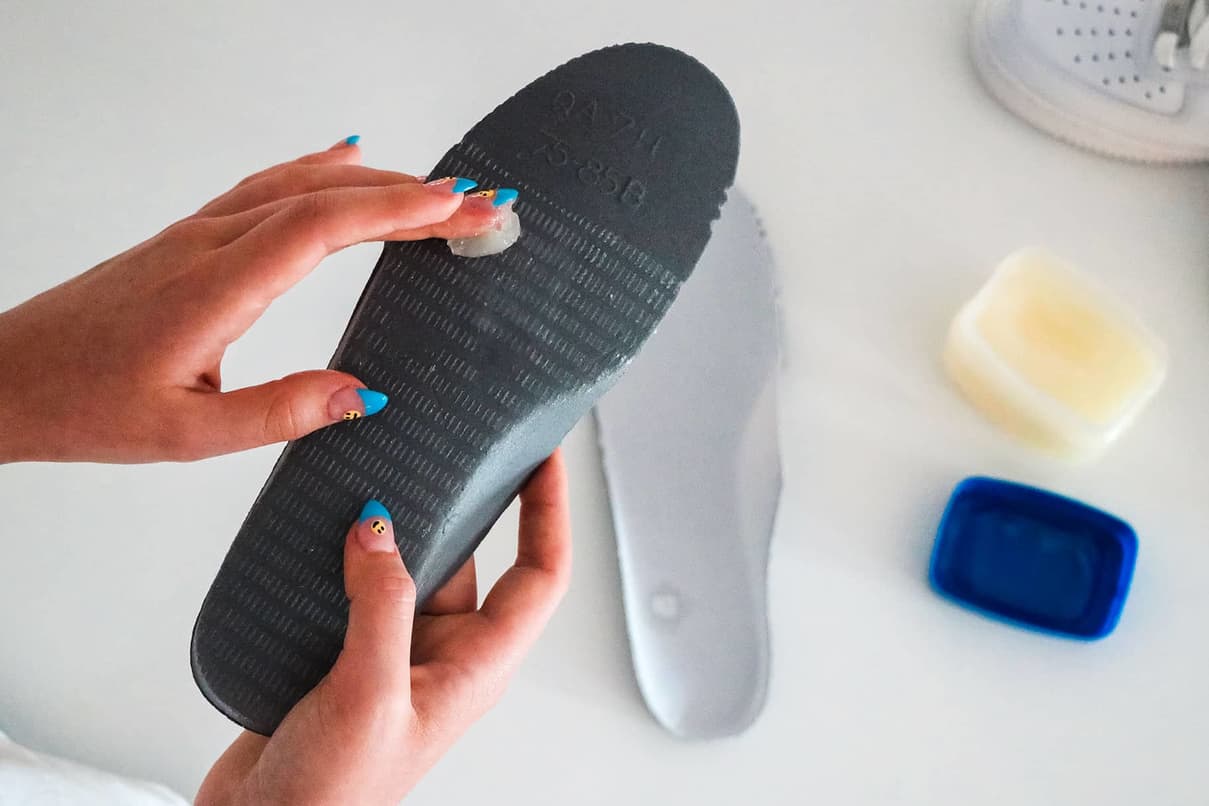
Sandals squeak when two surfaces slide against each other and create vibration. The friction may be small, but the sound can be loud because the sandal acts like a small speaker.
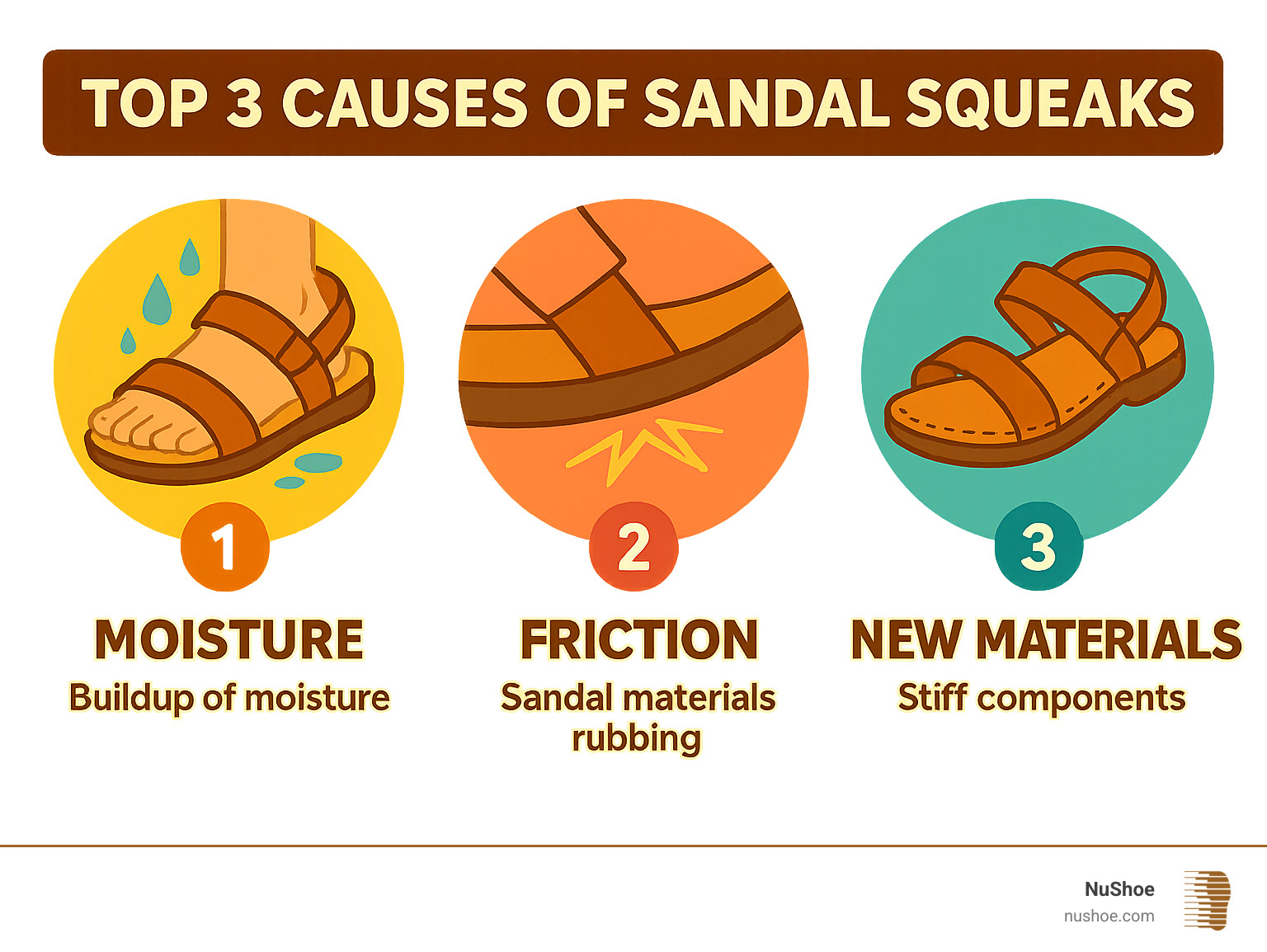
The most common causes include:
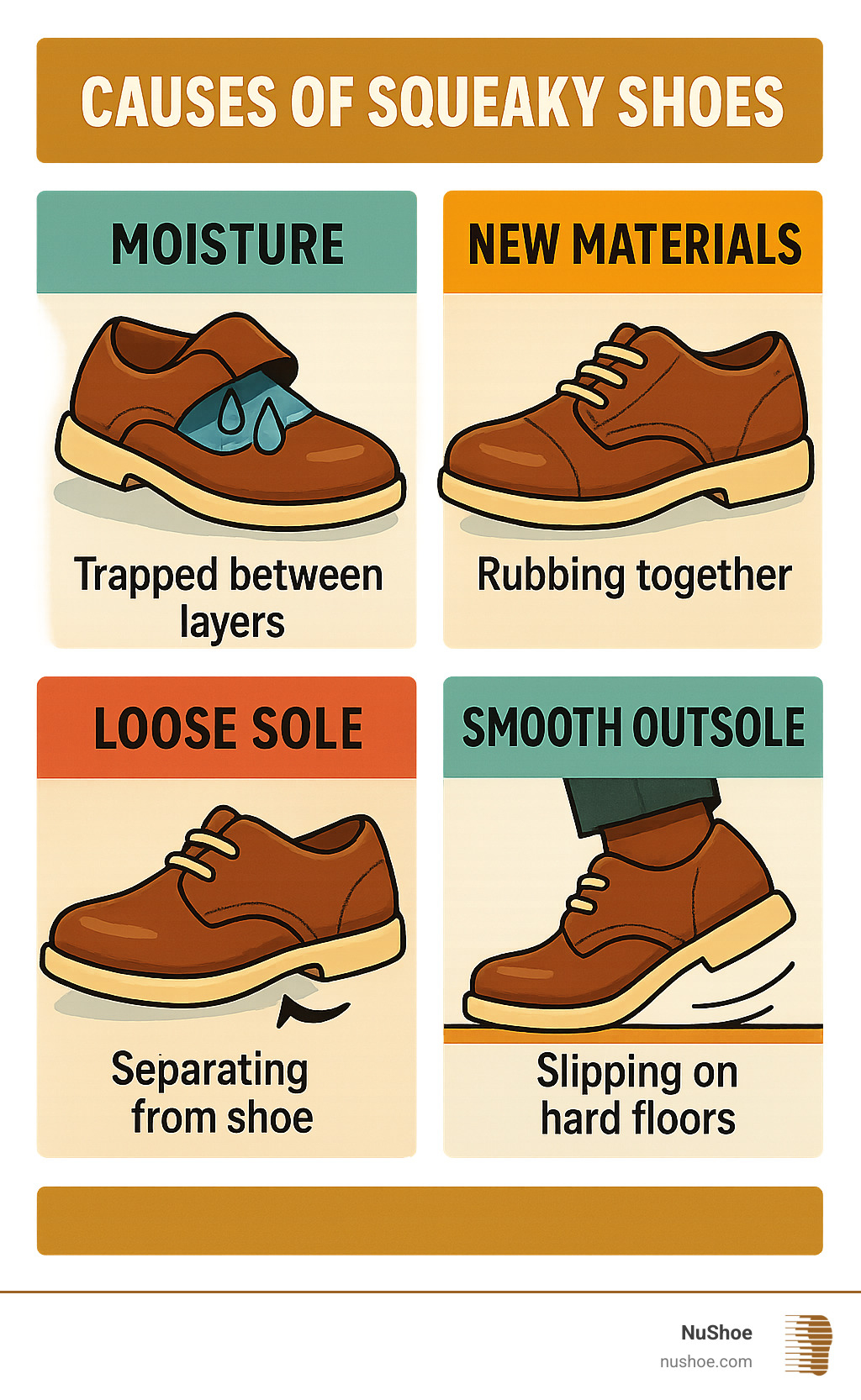
Moisture between sandal surfaces
Sweat, rain, spilled drinks, and damp storage can leave moisture between your foot and the footbed. Water can also collect between layers of rubber, leather, foam, or synthetic material.
This is one of the easiest problems to fix. Drying the sandals fully may remove the squeak without any powder or lubricant.
Friction from straps and buckles
A strap may rub against the sandal upper, lining, or buckle. This often happens with new sandals because the materials have not softened or settled.
Leather straps can squeak when they are stiff. Plastic straps may also make noise when they slide across a smooth footbed.
Dirt, sand, or grit
Small particles can enter the area between the sole and footbed. Each step presses and shifts those particles, creating sound and wear.
Beach sandals are especially likely to collect fine sand. Even a small amount can act like grit between two moving surfaces.
Loose sole layers
Many sandals have several bonded layers. If one layer begins to separate, it can flex and rub against another layer.
A loose sole can produce a squeak, clicking sound, or soft popping noise. This issue may grow worse with continued use.
Smooth synthetic materials
Some rubber, plastic, and coated materials have high surface friction. When they press and slide together, they can squeak even when the sandal is clean and dry.
This is common in sport sandals, molded slides, and sandals with smooth rubber footbeds.
How to Stop Sandals from Squeaking at Home
Once you know the source, start with the least aggressive fix. Avoid using several treatments at once. If the first method works, you will know what solved the problem.
1. Dry the sandals completely
Remove the sandals from damp socks, wet floors, or humid bags. Place them in a dry room with good air movement.
Follow these steps:
- Wipe the sandals with a clean, dry towel.
- Remove detachable insoles if the design allows it.
- Let the sandals air-dry for 24 hours.
- Turn them over halfway through drying.
- Test them only after every part feels dry.
Do not place leather sandals on a radiator or use high heat from a hair dryer. Heat can dry leather too fast, weaken adhesives, and cause warping. For How to Stop Sandals from Squeaking, slow air-drying is safer than intense heat.
2. Clean away sand and grit
Use a soft brush to clean the footbed, straps, and sole edges. An old toothbrush works well for seams and buckle areas.
For washable sandals, use a small amount of mild soap mixed with water. Wipe away soap residue with a clean cloth, then allow the sandals to air-dry fully.
Do not soak leather, suede, cork, or sandals with glued layers unless the care label allows it. Excess water can create new problems, such as stains, swelling, or loose adhesive.
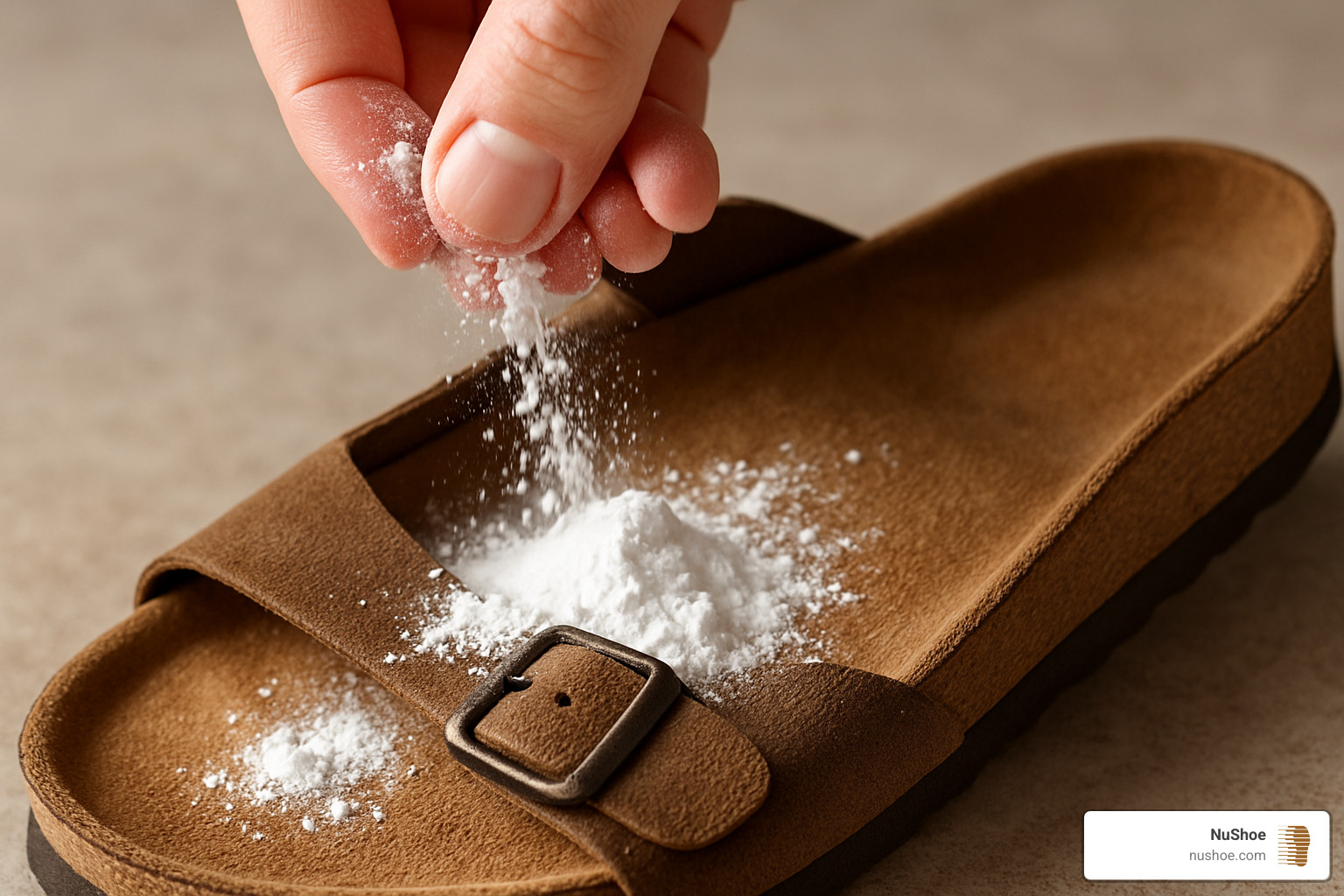
3. Apply a small amount of talcum-free powder
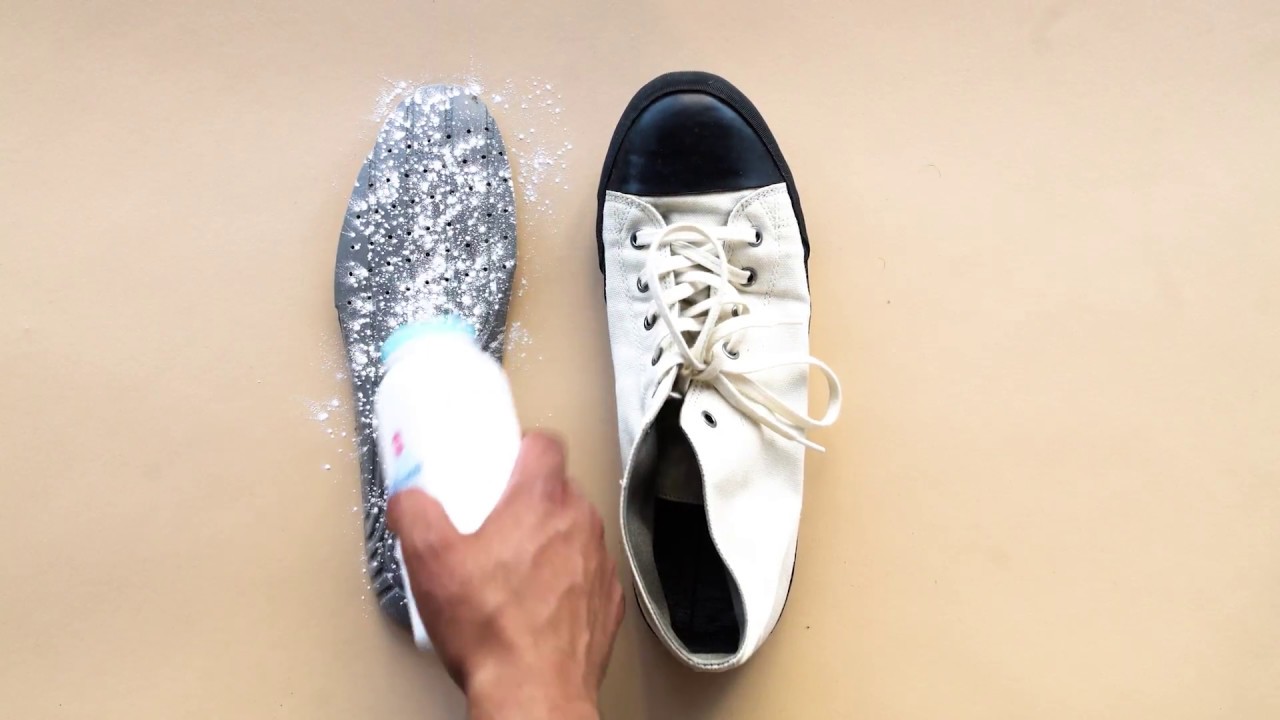
A light layer of cornstarch or unscented foot powder may reduce moisture and friction on a dry footbed. Use only a small amount.
Sprinkle the powder on the noisy area, spread it with a soft cloth, and shake off the excess. Too much powder can become messy and may reduce traction.
Avoid powders if the manufacturer warns against them. Keep all powder away from your eyes, nose, and mouth, and avoid breathing loose dust.
4. Treat rubbing straps
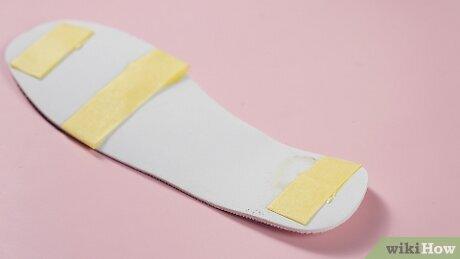
If the squeak comes from a strap, first clean and dry the contact area. Then place a small piece of soft fabric or moleskin between the rubbing surfaces.
For leather, use a conditioner made for that type of leather. Test it on a hidden area first. Do not use cooking oil, petroleum jelly, or heavy grease. These products can stain leather, attract dirt, and make the sandal slippery.
A thin strip of fabric tape can also help. Replace it if it becomes wet or begins to peel.
5. Check buckles and hardware
Move each buckle while the sandal is off your foot. Look for contact between metal and leather, plastic, or fabric.
A tiny amount of silicone-based product may help on some hardware, but keep it away from the footbed and outsole. Spray the product onto a cloth or cotton swab rather than directly onto the sandal.
Wipe away all excess product. A slippery buckle is annoying, but a slippery footbed or outsole can be unsafe.
How to Stop Sandals from Squeaking Without Damaging Them
The safest method depends on the sandal material. Leather, rubber, cork, foam, and fabric do not respond to care products in the same way.
Leather sandals
Leather needs controlled moisture, not soaking. Clean it with a slightly damp cloth, let it dry naturally, and apply a small amount of suitable leather conditioner if the care instructions permit it.
Conditioner may reduce squeaking caused by stiff leather straps. It will not fix a separated sole or damaged stitching.
Rubber and molded sandals
Rinse washable rubber sandals with clean water to remove sand and salt. Dry them in shade with good airflow.
Avoid strong solvents. Products such as acetone, alcohol, and some degreasers can change the surface and weaken printed details or adhesives.
Cork footbeds
Cork sandals should stay as dry as possible. Wipe them with a damp cloth instead of soaking them.
If the cork is cracked or the footbed has lifted, home powder treatments will not solve the deeper issue. A shoe repair professional may be able to reseal the area.
Suede sandals
Use a suede brush when the material is dry. Water and oily products can leave permanent marks.
If the squeak comes from a suede strap, a repair shop can often identify the rubbing point without damaging the nap.
Fabric and mesh sandals
Use mild soap and a soft brush for washable fabric. Rinse carefully and dry in open air.
Never store fabric sandals while they are damp. A closed gym bag can hold moisture for hours and encourage odors as well as squeaking.
Material care is a key part of How to Stop Sandals from Squeaking. The wrong product can make a small noise become a permanent stain or safety problem.

How to Stop Sandals from Squeaking with Friction Control
When drying and cleaning do not work, reduce friction at the exact contact point. The goal is not to make the whole sandal slippery. The goal is to stop one small area from rubbing.
Try these options:
• Moleskin: Place a small piece over a rubbing strap edge or rough seam.
• Fabric tape: Use it on a dry strap contact area. Press the edges down firmly.
• Beeswax for suitable leather: Rub a very small amount on a clean leather contact point, then buff it. Test first because wax can darken some leather.
• Silicone care products: Use only where the product label says it is safe. Keep it away from the outsole and footbed.
• Cornstarch or foot powder: Use a light dusting on a dry, smooth footbed when moisture causes the noise.
Make one change at a time and walk for several minutes after each change. This simple process helps you learn what works instead of covering the sandal with multiple products.
In my experience with squeaky footwear, the most common mistake is applying too much lubricant. A little may calm the noise, but excess product can attract dust and reduce grip. Think of friction control as adjusting a volume knob, not turning the sound system off with grease.
How to Stop Sandals from Squeaking When Walking
If your sandals squeak only while walking, body movement may be pressing two parts together. The noise may not appear when you bend the sandal by hand.
Walk on several surfaces, such as tile, wood, carpet, and concrete. If the squeak happens only on one floor, the outsole may be interacting with that surface rather than failing.
Also check the fit. A loose sandal allows your foot to slide, which increases rubbing. A tight sandal can press straps and footbed sections together with more force.
Try these fit improvements:
- Adjust every strap evenly.
- Keep your heel centered over the heel area.
- Check that your toes are not hanging over the front.
- Wear clean, dry socks for a short indoor test if the style allows it.
- Replace stretched straps or worn footbeds.
Do not ignore pain, rubbing, or an unstable sole while trying to remove a squeak. A quiet sandal is not useful if it causes blisters or makes you lose balance.
When Squeaking Means Your Sandals Need Repair
Some squeaks are harmless. Others signal structural damage.
Stop wearing the sandals and inspect them if you notice:
• A sole that lifts from the upper
• Cracks in the outsole or footbed
• A strap that pulls away from its anchor
• A heel that shifts from side to side
• Exposed nails, staples, or sharp edges
• A sudden squeak after impact or heavy use
A shoe repair professional can reglue loose layers, replace worn soles, repair stitching, and secure straps. These repairs are often better than repeated home treatments.
If the sandals are new, check the store return policy or manufacturer warranty before applying any product. A squeak caused by a manufacturing defect may qualify for replacement. Take clear photos and note when the sound began.
Home fixes have limits. Powder can manage moisture, but it cannot repair a split sole. Conditioner can soften leather, but it cannot restore broken stitching.
Mistakes to Avoid When Fixing Squeaky Sandals
Several popular fixes can cause more harm than good. Use caution before trying any method found in a social media video or online comment.
Avoid these mistakes:
• Spraying WD-40 on the footbed or outsole: It can leave a slippery film and may damage some materials.
• Using cooking oil: Oil can stain leather, attract grit, and create a poor walking surface.
• Applying baby powder without checking the ingredients: Some powders may contain ingredients you prefer not to inhale.
• Drying sandals with high heat: Heat can warp materials and weaken glue.
• Soaking glued sandals: Water may enter between layers and make the squeak worse.
• Sanding the outsole: This can reduce traction and create uneven wear.
• Using super glue on flexible areas: Super glue can become hard and brittle. It may crack when the sandal bends.
• Adding thick padding without checking fit: Padding can make the sandal too tight and change how you walk.
The safest approach to How to Stop Sandals from Squeaking is gentle, targeted, and easy to reverse. Test products on a hidden spot and follow the care label whenever possible.

How to Prevent Sandals from Squeaking
Prevention is easier than repeated repair. Store sandals in a cool, dry place with space around them.
After wearing them in heat or rain, wipe off moisture and allow them to dry before putting them in a closet or bag. Do not leave damp sandals in a car, locker, or closed suitcase.
A simple care routine can help:
• Brush away sand after beach or trail use.
• Clean sweat from footbeds with a suitable cleaner.
• Let sandals air out between wears.
• Rotate pairs when possible.
• Inspect straps, buckles, and sole edges each month.
• Follow the material care instructions from the maker.
• Replace sandals when the tread, support, or structure is badly worn.
These habits also help control odor, prevent staining, and extend the useful life of your footwear. How to Stop Sandals from Squeaking is not only about sound. It is also about keeping the sandals clean, stable, and comfortable.
Frequently Asked Questions About How to Stop Sandals from Squeaking
Why are my sandals squeaking when I walk?
Your sandals may squeak because moisture, sweat, sand, or friction is trapped between moving surfaces. Check the footbed, straps, buckles, and sole layers to find the exact source.
Can baby powder stop sandals from squeaking?
A small amount of suitable foot powder may reduce moisture on a dry footbed. Use it carefully, avoid inhaling loose powder, and do not apply it where it could reduce traction.
Is WD-40 safe for squeaky sandals?
WD-40 is not a good general fix for squeaky sandals. It can make the footbed or outsole slippery and may stain or damage certain materials.
How do I stop leather sandals from squeaking?
Clean and dry the leather first, then use a small amount of approved leather conditioner on the rubbing area. Test the conditioner in a hidden spot because some products can darken leather.
Will washing sandals remove the squeak?
Washing may remove sand and dirt, but only if the sandals are designed to be washed. Avoid soaking leather, suede, cork, or glued sandals, and always dry washable sandals completely.
Should I replace sandals that squeak?
Replace or repair sandals when the squeak comes with a loose sole, damaged strap, cracked footbed, or unstable heel. A squeak alone may be harmless, but structural damage can create a fall risk.
Conclusion
The best way to stop squeaky sandals is to identify the source before choosing a treatment. Dry damp footbeds, remove sand, protect rubbing straps, and use only small amounts of material-safe products. Avoid oil, harsh solvents, high heat, and slippery sprays.
If the sound comes from a loose sole or damaged strap, professional repair or replacement is the safer choice. Try one gentle fix at a time, test the sandals indoors, and share your results or questions in the comments.

Madison Clark is a footwear expert and the voice behind MyStyleGrid.com. She specializes in honest shoe reviews, style tips, and practical guides to help readers find the perfect pair for any occasion. With years of experience in blogging and content creation, Madison makes footwear knowledge simple, stylish, and easy to follow.