Calculate profit margin in sneaker reselling by subtracting all costs from sale price, then divide by sale price.
I’ve been buying and flipping sneakers for years, and I know how razor-thin margins can be when fees and shipping sneak in. This guide breaks down how to calculate profit margin in sneaker reselling step by step. You’ll learn the exact formula, which costs to include, real examples, tracking tips, and mistakes I’ve made so you don’t repeat them. Read on to master the math and protect your profits.

What is profit margin in sneaker reselling?
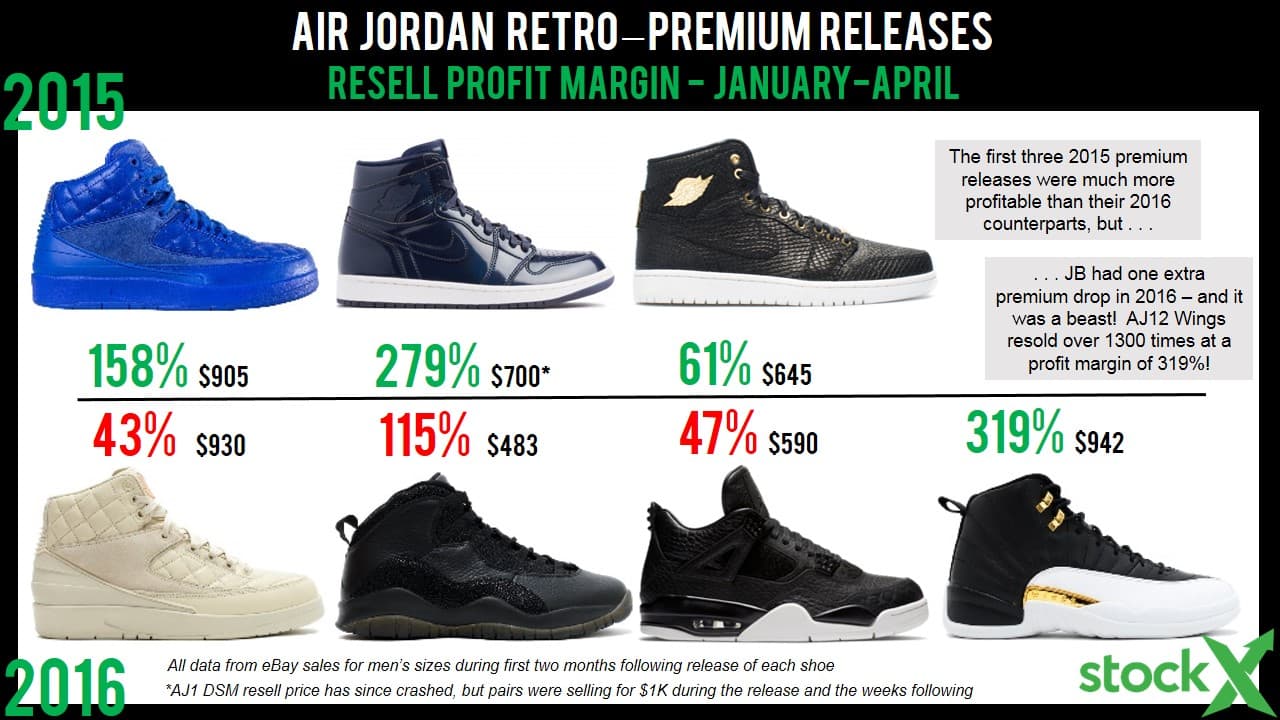
Profit margin in sneaker reselling is the percentage of the sale price you keep after all costs. It shows how much of each dollar from a sale is true profit. The basic idea is simple. The real work is listing every cost.
Common terms to know:
- Gross profit: Sale price minus cost of goods sold.
- Net profit: Gross profit minus fees, shipping, taxes, and other expenses.
- Profit margin: Net profit divided by sale price, expressed as a percentage.
How to calculate profit margin in sneaker reselling means looking beyond the buy price. You must account for market fees, authentication, and returns. This gives a true picture of your business health.
Step-by-step: how to calculate profit margin in sneaker reselling
Follow these steps to get an accurate margin.
- Calculate your total sale price
- Use the final amount the buyer pays, including shipping charged to the buyer if you pass it along.
- Add up all direct costs
- Cost of the sneaker (what you paid).
- Shipping you paid to receive the shoe.
- Cleaning, refurbishing, or repair costs.
- Add marketplace and payment fees
- Platform commission.
- Payment processor fee.
- Authentication fees where applicable.
- Add indirect and recurring costs
- Storage, insurance, and tools.
- Marketing, photography, and listing supplies.
- Compute net profit
- Net profit = Sale price − (all costs).
- Compute profit margin
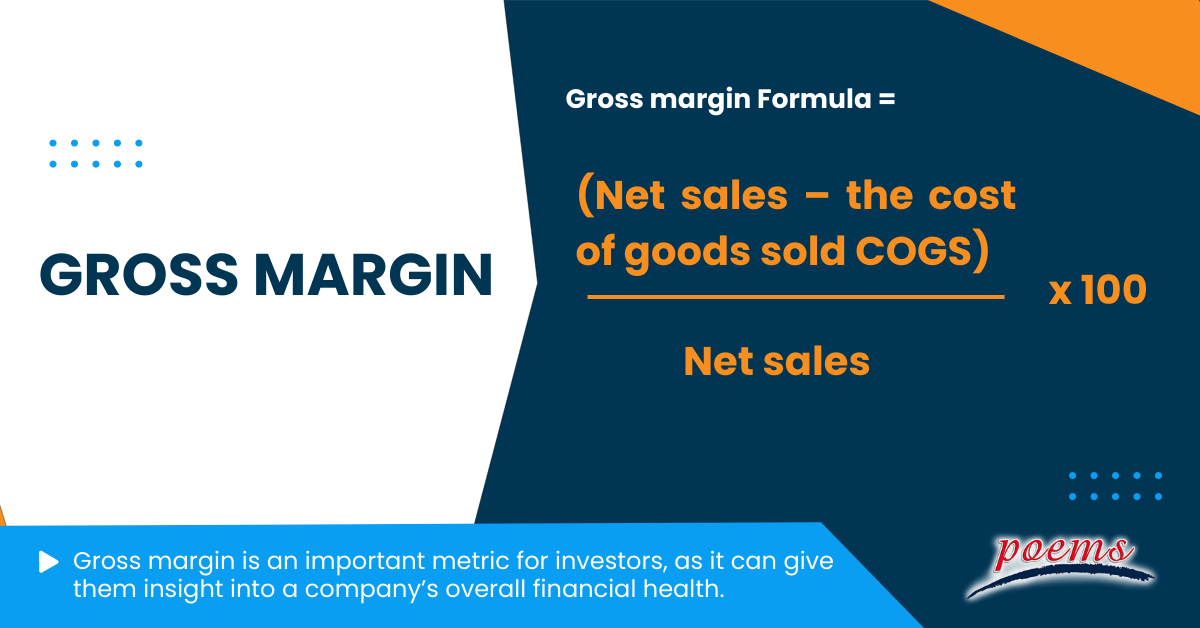
- Profit margin = (Net profit ÷ Sale price) × 100.
Example formula written out:
- Profit margin = ((Sale price − Total costs) ÷ Sale price) × 100
Repeat this for every item. Track averages to understand which models and channels give the best margin.
Costs to include when you calculate profit margin in sneaker reselling
Missing one cost can flip a profit into a loss. Include these line items:
- Purchase price
- Invoice, tax, or receipts.
- Incoming shipping and import fees
- International purchases often add duty.
- Marketplace fees
- Commission percentages and fixed listing fees.
- Payment processing fees
- Card fees or P2P fees.
- Authentication and verification
- Paid services and returns due to failed authentication.
- Outgoing shipping and packaging
- Tracking, insurance, and nice packaging costs.
- Refurbish and prep costs
- Cleaning solutions, brushes, soles repair.
- Storage and overhead
- Rent, shelves, lighting, and electricity.
- Returns and refunds buffer
- Set aside a small percent for returns.
- Taxes
- Sales taxes collected or income taxes on profit.
When you calculate profit margin in sneaker reselling, treat every cost as real. I learned this the hard way. Early on I forgot shipping to buyer and lost 12% margin on a pair.
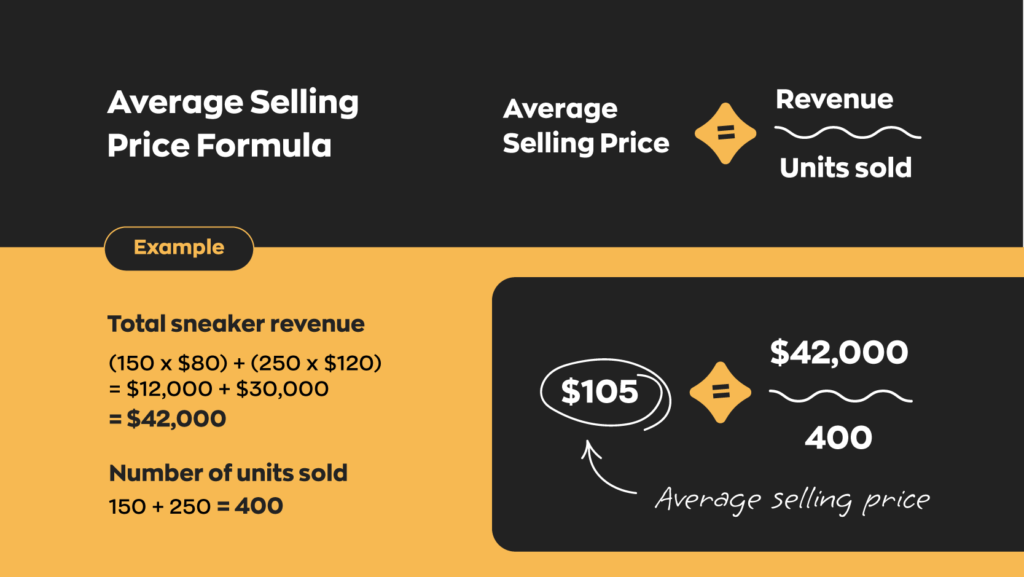
Real-life examples and calculator walkthrough
Example 1 — Clean flip (profitable)
- Purchase price: $120
- Incoming shipping and duty: $10
- Cleaning and supplies: $5
- Marketplace fee (12% of sale): $18
- Payment fee: $3
- Outgoing shipping: $8
- Sale price: $180
Calculations:
- Total costs = 120 + 10 + 5 + 18 + 3 + 8 = $164
- Net profit = 180 − 164 = $16
- Profit margin = (16 ÷ 180) × 100 ≈ 8.9%
Example 2 — Loss flip (missed fees)
- Purchase price: $200
- Incoming shipping: $0 (local)
- Cleaning: $10
- Marketplace fee (15%): $30
- Payment fee: $4
- Outgoing shipping: $12
- Sale price: $225
Calculations:
- Total costs = 200 + 10 + 30 + 4 + 12 = $256
- Net profit = 225 − 256 = −$31 (a loss)
- Profit margin = (−31 ÷ 225) × 100 ≈ −13.8%
Use a small spreadsheet. Plug in fields for each cost. That makes it easy to calculate profit margin in sneaker reselling for each pair.

Tools, templates, and tracking best practices
Tools save time and prevent mistakes. Use simple systems first and scale later.
- Spreadsheet template
- Columns: SKU, buy price, sell price, shipping in, cleaning, marketplace fee, payment fee, shipping out, tax, net profit, profit margin.
- Use formulas to auto-calc profit margin.
- Inventory and accounting apps
- Pick apps that let you tag costs to each SKU and export reports.
- Price calculators and browser extensions
- Quick fee estimates when listing on marketplaces.
- Consistent naming and SKU system
- Makes searching and reporting fast.
- Weekly review
- Check margins, best sellers, and slow moves.
- Set margin targets
- Example: aim for at least 20% margin after fees for small flips.
From experience, a tight spreadsheet with auto formulas is the single most effective tool I use to calculate profit margin in sneaker reselling. It saved me countless manual math errors.

Common mistakes and how to avoid them
Avoid these errors that crush margin.
- Ignoring marketplace micro-fees
- Many platforms tack on small charges. They add up.
- Forgetting outgoing shipping costs
- Always include insurance and tracking.
- Not accounting for returns
- Reserve a percentage for refunds.
- Overestimating sale price
- Be conservative when pricing.
- Using inconsistent cost tracking
- One missing receipt breaks accuracy.
A practical tip: add a 5–10% buffer to costs if you’re unsure. It prevents surprise losses and keeps margins realistic when you calculate profit margin in sneaker reselling.

Quick answers people also ask
How do I factor fees when I calculate profit margin in sneaker reselling?
List marketplace percentage and fixed fees per sale. Add payment processing fees and authentication to your total costs.
Should I include taxes when calculating profit margin?
Yes. Include sales tax you remit and estimate income tax to understand true profit. Treat taxes as part of long-term profit planning.
Is shipping always included in the sale price when calculating margins?
Only if the buyer pays shipping separately. Otherwise include outgoing shipping as a cost when computing margin.
Frequently Asked Questions of how to calculate profit margin in sneaker reselling
How is profit margin different from markup?
Profit margin shows percent of sale you keep. Markup shows percent added to cost to set price. Both matter for pricing strategy.
Can I ignore small fees when calculating profit margin in sneaker reselling?
No. Small fees add up and can turn profit into loss. Track all fees for accurate margins.
What is a good profit margin for sneaker reselling?
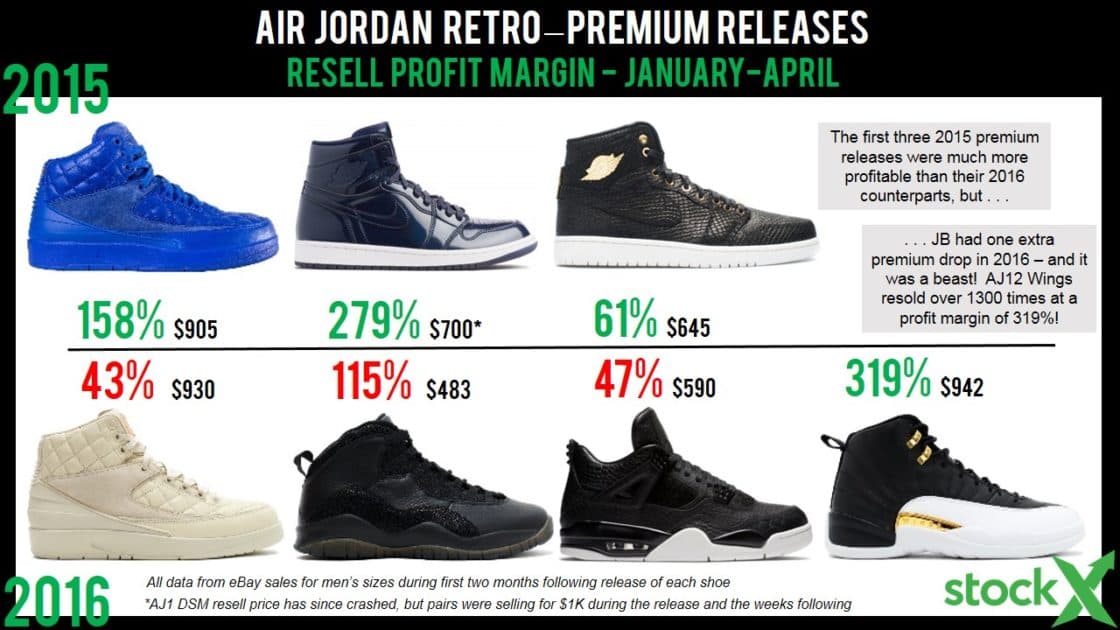
A common target is 15–30% net margin after fees and shipping. Higher is better, but reality varies by model and market.
How often should I recalculate profit margins?
Recalculate per sale and review weekly. Market trends and fees change, so regular checks keep numbers real.
Do I need accounting software to track profit margin?
You can start with a spreadsheet. Move to accounting software as volume grows for better reporting and tax prep.
Conclusion
Knowing how to calculate profit margin in sneaker reselling is the difference between hobby flipping and a sustainable business. Track every cost, use a simple template, and check margins for each sale. Start today: build a spreadsheet, record one complete sale, and calculate your real margin. If you found this useful, try the examples with your next pair and share your results or questions below.

Rubel Miah is the Senior Editor at MyStyleGrid.com, where he brings a sharp editorial eye and an unshakable love for fashion to everything he does. A true style addict, Rubel lives and breathes trends, from streetwear to high fashion, and has a knack for turning inspiration into impactful stories. With years of experience in fashion journalism and digital media, he curates content that empowers readers to express themselves through style. When he’s not editing features or forecasting the next big thing, you’ll find him hunting down vintage pieces or capturing street style moments around the city.