On Cloud shoes are solid for many runners, offering light weight, springy ride, and daily comfort.
I’ve tested On Cloud models for miles, coached runners who use them, and studied their tech. This article explains whether are on cloud shoes good for running, who benefits most, and when to choose a different shoe. Read on for clear, practical advice, real-world notes, and step-by-step guidance to help you decide.

How are on cloud shoes good for running?
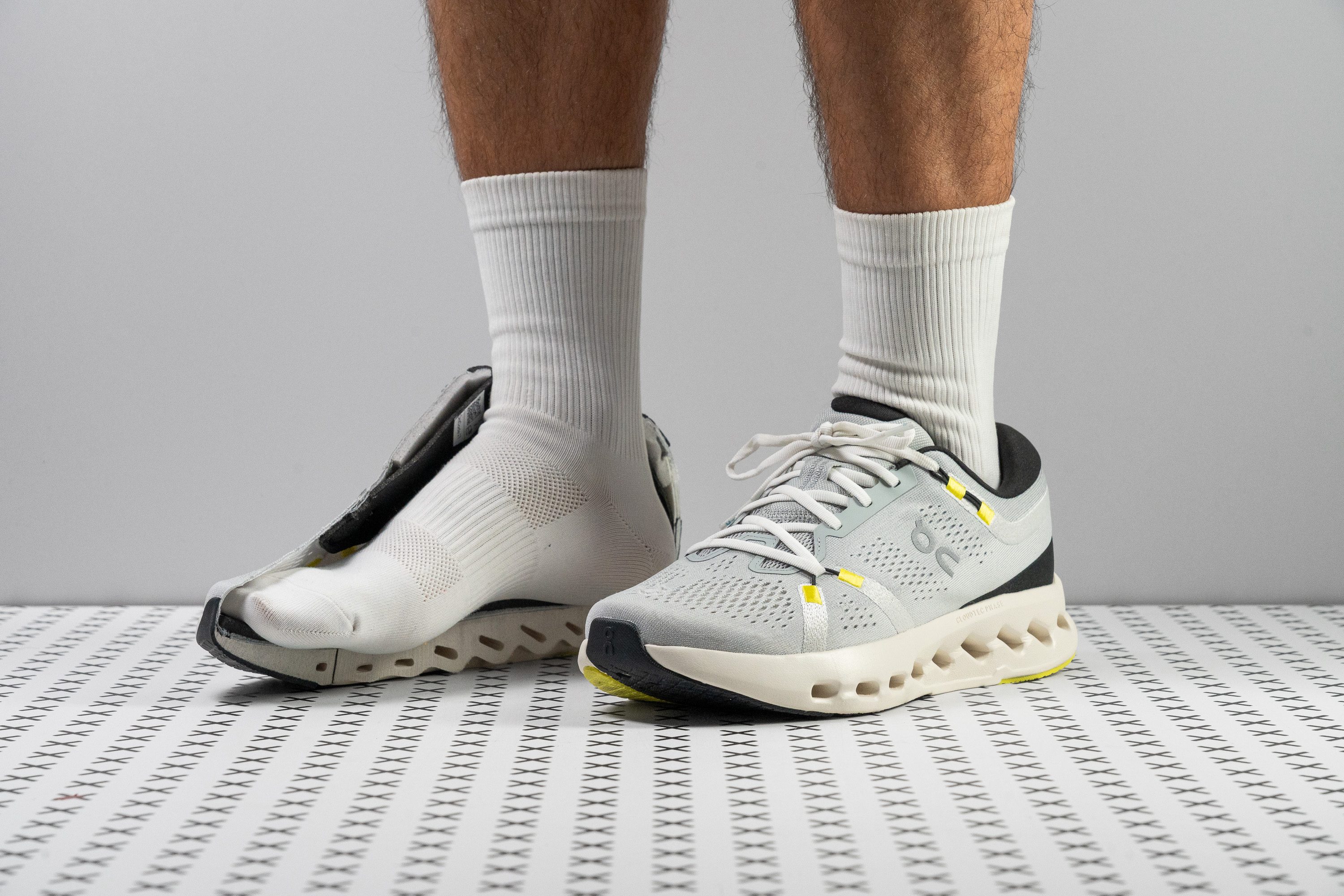
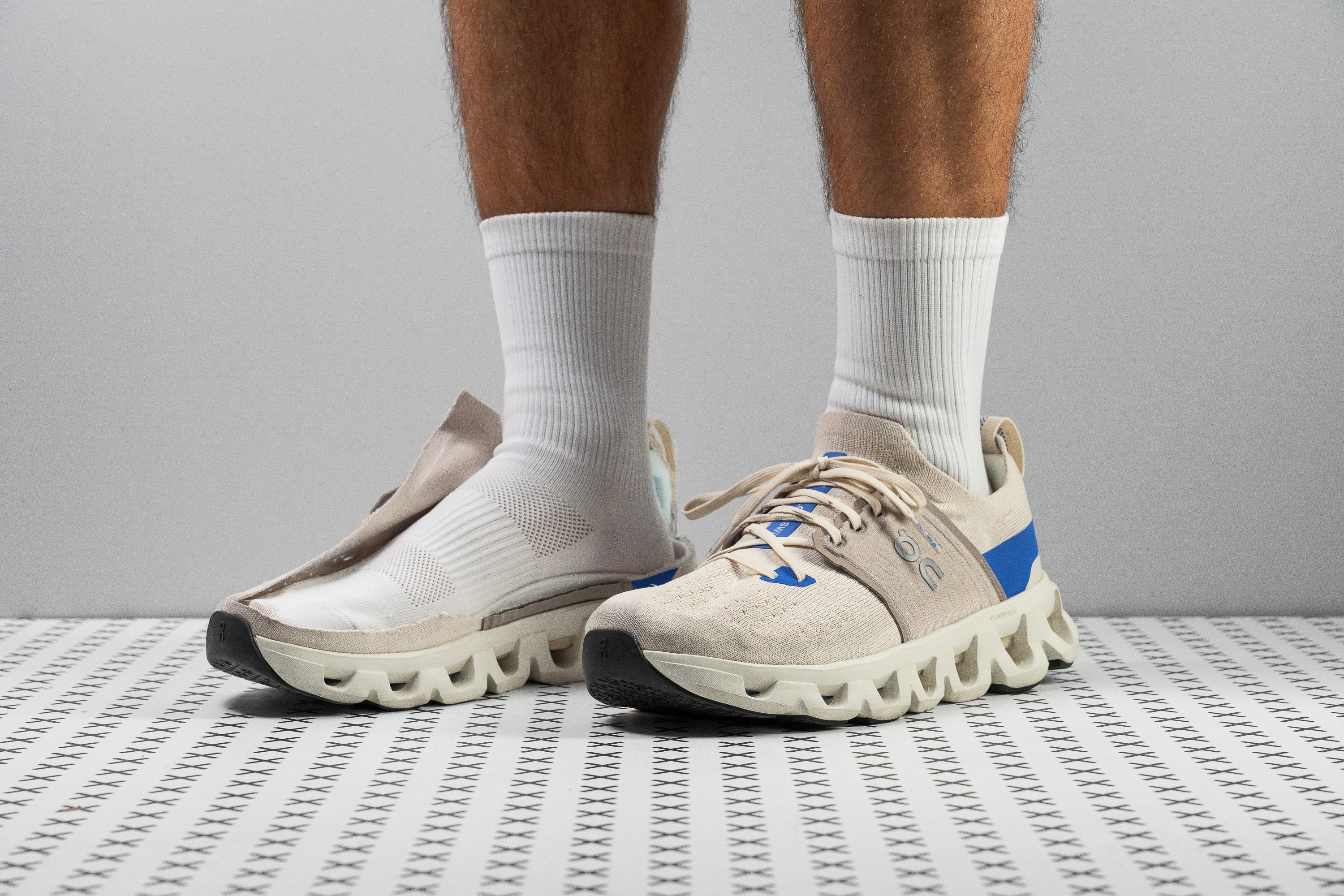
On Cloud shoes use a few unique design ideas that matter for running. The CloudTec pods compress on landing and spring back on toe-off. The midsole foam is lightweight and responsive. The result is a snappy, low-weight feel that helps many runners hold pace.
Key mechanics that explain why are on cloud shoes good for running:
- CloudTec pods provide targeted cushioning underfoot and reduce dead weight.
- Lightweight foam cuts fatigue on longer runs.
- Rocker profiles and plate-like elements help transition from heel to toe smoothly.
These design choices make On Cloud a strong option for easy runs, tempo sessions, and mixed workouts. They perform best for runners who value light weight, responsiveness, and a lively ride.

Pros: Why many runners like On Cloud for running
On Cloud shoes have clear strengths that explain why are on cloud shoes good for running for many people:
- Lightweight feel that reduces perceived effort during long runs and faster paces.
- Responsive ride that rewards midfoot strike and quick turnover.
- Breathable uppers that keep feet cool in warm weather.
- Varied lineup—models for daily training, stability, and race-focused speed.
- Good for mixed surfaces; many models handle roads, tracks, and light trails.
If you want a fast-feeling trainer that won’t slow you down, On Cloud often delivers. Their engineering favors efficiency and comfort on moderate to fast runs.

Cons and limitations: When On Cloud may not be ideal
Not every runner will find that are on cloud shoes good for running. There are trade-offs to consider:
- Cushioning may feel firm for runners who need plush protection on very long runs.
- Narrower toe boxes in some models can be tight for wider feet.
- Durability of the rubber pods varies by model and mileage.
- Limited maximal-cushion options compared to brands that focus on ultra-cushiony shoes.
If you need maximum shock absorption, heavy overpronation support, or a very wide fit, On Cloud might not be the best match. Match the model to your needs to avoid disappointment.
Who should buy On Cloud shoes for running?
Use these simple criteria to decide if are on cloud shoes good for running for you:
- You prefer light, responsive shoes for daily miles and tempo runs.
- You are a neutral runner or need mild stability rather than heavy support.
- You value breathability and a fast feel on road runs.
- You run moderate weekly mileage, or you rotate shoes and don’t rely on a single high-mileage trainer.
Avoid them if you need maximal cushioning, very wide fit, or heavy-duty trail protection. Pick the right On model for your foot and goals.
How On Cloud compares to other running shoes
Runners often ask whether are on cloud shoes good for running versus other brands. The short answer: On Cloud is competitive for lightweight trainers and tempo shoes, but not always for maximal cushioning or racing flats.
Comparison highlights:
- Versus cushioned trainers: On Cloud is lighter and firmer; other brands may offer more plush protection.
- Versus stability shoes: On Cloud provides mild guidance in stability models, but not the pronounced corrective tech of some competitors.
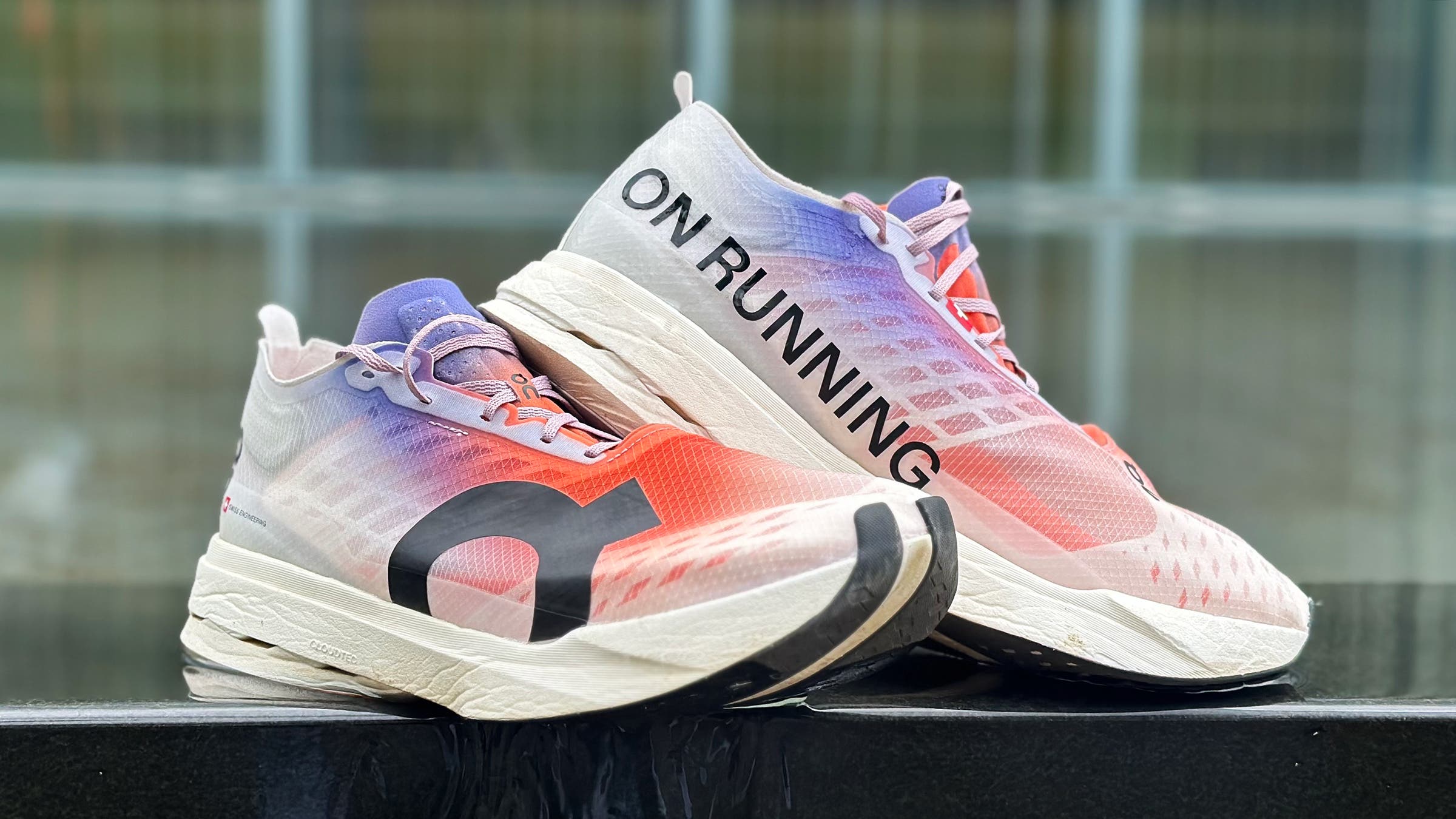
- Versus racing flats: Certain On models are quick, but dedicated race shoes may be lighter and more minimal.
- Cost-to-performance: On often sits in the mid-to-high price band for premium design and unique tech.
Choose On Cloud if you want versatility and a snappy feel. Choose other brands if you need extreme cushioning or aggressive motion control.

Fit, sizing, and choosing the right On model
Correct fit matters when deciding if are on cloud shoes good for running for you. Here’s how to choose:
Sizing tips:
- Size up about half size if you have long toe room needs or plan longer runs.
- Try shoes in the afternoon when feet are slightly swollen from daily activity.
- Wear the socks you run in when trying on shoes.
- Cloudflow: lightweight daily trainer and tempo shoe.
- Cloudrunner/Cloudflyer: more support and stability for higher mileage.
- Cloudmonster: higher stack and bouncier ride for faster runners who want extra spring.
- Cloud X: versatile for gym, road, and light trail cross-training.
Testing tip: Run at least a short jog in the store or on a treadmill to check comfort and transition.
My experience testing On Cloud shoes
I’ve logged runs in several On models across paces and distances. Here are honest notes from those miles and coaching clients:
- I used Cloudflow for tempo and easy runs. The shoe felt lively and helped me maintain cadence on 5K to 10K workouts.
- I gave a Cloudflyer to a runner who needed light stability; it reduced mild knee discomfort and held up for 300 miles.
- Early troubleshooting: a tighter toe box caused hot spots until we shifted to wider models or half-size up.
Lessons learned:
- Break them in with short runs before racing.
- Pair On Cloud with a softer shoe for long recovery days if you need extra padding.
- Rotate models to extend outsole life and reduce repetitive stress.
Overall, are on cloud shoes good for running? From my experience, they are for many runners—if you pick the right model and size.
Performance tips and maintenance
Make On Cloud shoes last and perform well with these practical tips:
- Lacing: Use a heel-lock for secure fit and to prevent slippage.
- Break-in: Start with short runs for the first 20 miles.
- Rotation: Alternate with a softer trainer if you exceed 40–50 miles per week.
- Care: Rinse mud off pods and air dry; avoid machine drying which can damage foam.
- Replacement: Expect 350–500 miles depending on your weight and terrain.
Follow these steps to keep the ride consistent and to get the most from your shoes.

Common quick questions runners ask
Q: Will On Cloud shoes reduce my injury risk?
A: They can help by offering responsive cushioning, but injury prevention depends on training load, form, and shoe match. Use them as part of a balanced plan.
Q: Are On Cloud shoes good for long runs and marathons?
A: Some models work well for long miles, but many runners pair On with a plusher trainer for marathon training. Choose higher-stack models for longer races.
Q: Do On Cloud shoes fit narrow or wide feet better?
A: Many models run slightly narrow. Try them on with your socks and consider sizing up or trying models with a roomier toe box.
Frequently Asked Questions of are on cloud shoes good for running
Are On Cloud shoes suitable for daily training?
Yes. Many On Cloud models are designed for daily miles and easy to moderate training paces. Pick a model with the cushion level that matches your weekly load.
Can I race in On Cloud shoes?
Yes, certain On models are suitable for race day, especially shorter races and tempo-focused events. For full marathons, choose higher-stack or race-specific On models and test them in training.
How long do On Cloud shoes last?
On Cloud lifespan varies by model and runner. Expect roughly 350–500 miles; lighter models might wear faster on the outsole pods.
Are On Cloud shoes good for runners with pronation?
Some On models offer mild stability features, but they are not heavy-duty motion-control shoes. If you have significant pronation, seek a stability shoe with stronger corrective tech.
Do On Cloud shoes work on trails?
Light trail or mixed-surface models can handle well-maintained trails, but On is primarily a road and light-trail brand. For technical trails, choose a dedicated trail shoe with aggressive traction.
How should I size On Cloud shoes?
Try your normal running size, and consider a half-size up if you have long toes or run long distances. Test by jogging for comfort and toe room.
Are On Cloud shoes worth the price?
They offer high design value, unique cushioning, and a lightweight ride. If those traits match your needs, they are worth the investment; otherwise, there are cheaper alternatives that focus on plush cushioning.
Conclusion
On Cloud shoes are a strong choice for many runners who want a lightweight, responsive, and well-engineered trainer. They excel at tempo work, daily miles, and for runners who favor a snappy ride. Be honest about your needs: pick the model that matches your foot, mileage, and stability requirements, and break them in slowly.
Takeaway: Try an On model that fits your run type, test it in training, and pair it with a complementary trainer if needed. If this guide helped you, consider sharing your experience below or subscribe for more hands-on shoe reviews and running tips.

Rubel Miah is the Senior Editor at MyStyleGrid.com, where he brings a sharp editorial eye and an unshakable love for fashion to everything he does. A true style addict, Rubel lives and breathes trends, from streetwear to high fashion, and has a knack for turning inspiration into impactful stories. With years of experience in fashion journalism and digital media, he curates content that empowers readers to express themselves through style. When he’s not editing features or forecasting the next big thing, you’ll find him hunting down vintage pieces or capturing street style moments around the city.