A closed toe shoe covers the toes completely, offering protection, support, and a neat look for many daily activities.
If you have ever wondered what is a closed toe shoe, the answer is simple, but the details matter. This shoe style can improve comfort, protect your feet from minor hazards, and meet dress or workplace rules. In this guide, you will learn how closed toe shoes work, where to wear them, how they differ from open toe shoes, and how to choose the right pair.
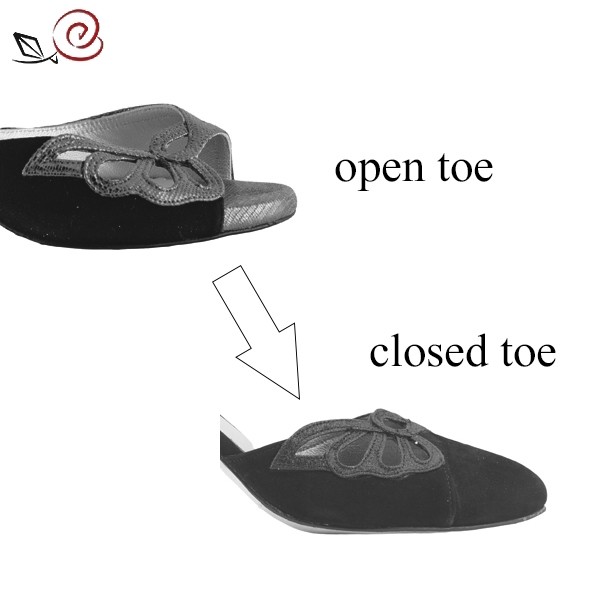
What Is a Closed Toe Shoe?
A closed toe shoe is footwear that fully covers the front of the foot, including all five toes. The toe area is usually made from leather, fabric, synthetic material, rubber, or a mix of materials.
The design may include a heel, flat sole, laces, straps, or a slip-on shape. Sneakers, loafers, boots, dress shoes, work shoes, and many flats can all be closed toe shoes.
A closed toe shoe is not always a safety shoe. This is an important difference. A basic leather flat may cover your toes, but it may not protect them from heavy objects, sharp tools, or workplace hazards.
In simple terms, a closed toe shoe has three key features:
• The toe area is fully covered.
• The toes do not touch the ground directly.
• The shoe creates a layer between your feet and the outside world.
Think of it as a small shield for your toes. It may not stop every injury, but it can help block dirt, hot surfaces, small objects, and light impact.
How Do Closed Toe Shoes Differ From Open Toe Shoes?
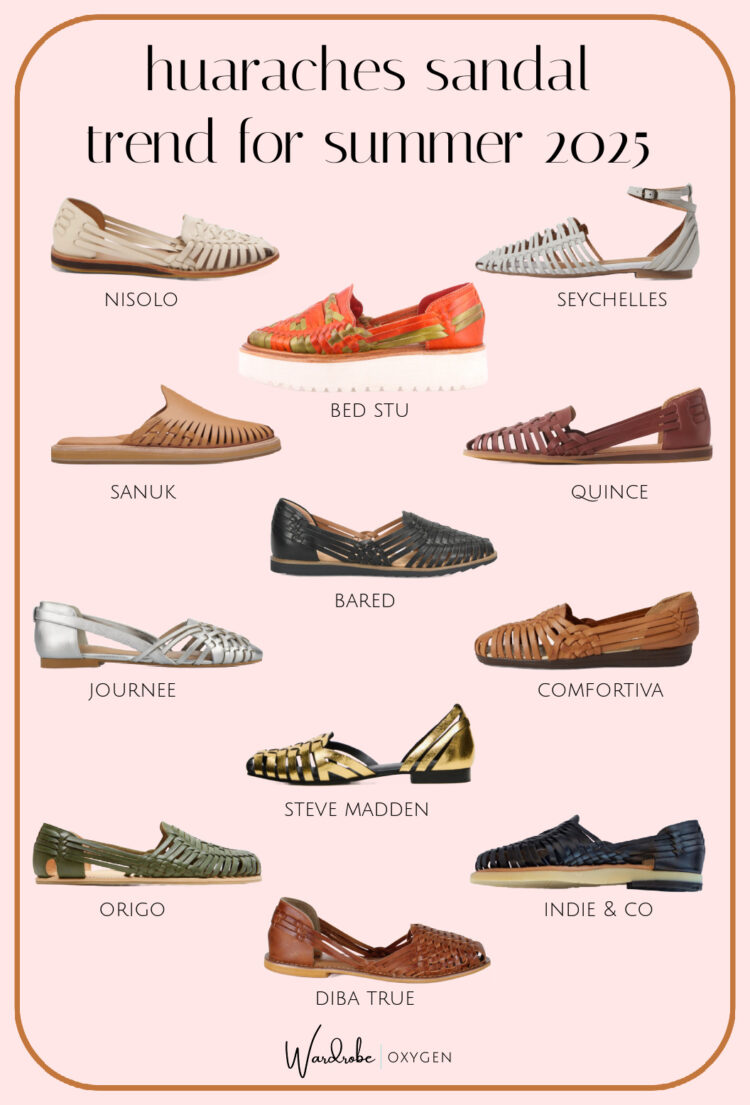
The main difference is toe coverage. A closed toe shoe surrounds the front of the foot, while an open toe shoe leaves some or all of the toes exposed.
Open toe shoes include sandals, flip-flops, peep-toe heels, and many open-front slides. They can feel cool and relaxed, especially in hot weather. However, they offer less protection from dropped items, rough surfaces, spills, and accidental contact.
A closed toe shoe often provides:
• More protection from small impacts
• Better coverage in public and work settings
• More warmth in cool weather
• A more formal appearance in many styles
• Better protection from dust, dirt, and wet surfaces
Open toe shoes can still be useful. They may work well at the beach, around the pool, or during casual summer outings. The best choice depends on the activity, the setting, and your comfort needs.
A common mistake is to think that every closed toe shoe is safer than every open toe shoe. A thin canvas sneaker may offer less protection than a sturdy sandal designed for hiking. Shoe quality, fit, sole design, and intended use all matter.

Common Types of Closed Toe Shoes
Closed toe shoes come in many forms. Each type suits a different need, from office wear to outdoor work.
Closed Toe Sneakers
Sneakers are popular because they combine coverage with comfort. They often have padded collars, flexible soles, and breathable fabric.
They are useful for:
• Walking
• Travel
• School
• Errands
• Light exercise
Running shoes are closed toe shoes, but not every closed toe shoe is suitable for running. Athletic shoes need the right cushioning, support, and fit for the activity.
Closed Toe Flats
Flats have little or no heel. They are common in offices, schools, retail settings, and casual outfits.
Ballet flats, loafers, moccasins, and pointed-toe flats all fit this group. A flat may look simple, but poor toe space can create pressure and discomfort.
Closed Toe Dress Shoes
Dress shoes often use leather or polished synthetic materials. They may have a low heel, high heel, or formal lace-up design.
They are often worn for:
• Business meetings
• Weddings
• Religious services
• Formal dinners