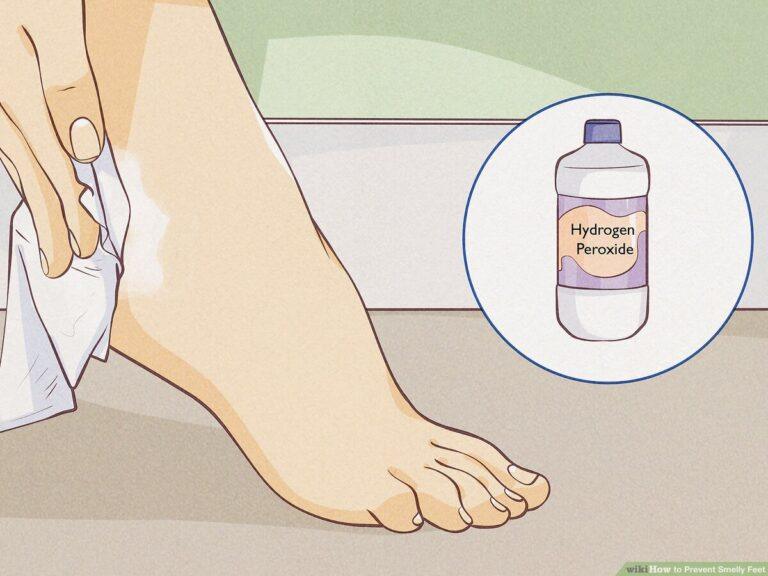
Wash, dry, and deodorize your sandals, then treat sweaty feet and rotate pairs to stop odor.
Learning how to get rid of odor in sandals starts with one simple idea: smell grows when sweat, bacteria, oils, and moisture stay trapped in the footbed. I have found that cleaning the sandals alone is not enough. The best results come from treating the sandals, drying them fully, and changing a few daily habits. This guide explains safe methods for leather, rubber, foam, and fabric sandals, plus ways to prevent the smell from returning.
Why sandals develop an unpleasant odor
Your feet have many sweat glands. Sweat itself usually has little smell, but bacteria on the skin can break down sweat and create strong-smelling compounds. Sandals often make this worse because the footbed touches bare skin directly.
Warm weather, long walks, and poor airflow can leave moisture between your foot and the sandal. Dead skin, body oil, dirt, and sunscreen can also collect on the footbed. Together, they create an ideal place for odor-causing bacteria to grow.
Some sandals hold odor more than others:
• Foam and rubber footbeds can trap sweat in small pores.
• Fabric straps can absorb moisture and skin oils.
• Leather can take in sweat and may develop a lasting musty smell.
• Synthetic materials may dry quickly but still hold bacteria on the surface.
If the smell comes with itching, peeling, redness, or cracking between your toes, the problem may be athlete’s foot or another skin condition. Cleaning the sandals will not fully solve that issue. A health professional can recommend the right treatment.
How to get rid of odor in sandals with a simple cleaning routine
The safest routine is to remove dirt first, wash the material correctly, and dry the sandals completely. Do not cover a dirty footbed with perfume or deodorant. That often creates a stronger smell by mixing fragrance with bacteria.
Follow these steps:
- Remove loose dirt
Shake out sand and dirt. Use a soft brush or an old toothbrush to clean grooves, seams, and the area under the toes. Dirt can protect bacteria from cleaning products.
- Check the care label
Look for washing instructions from the manufacturer. Some rubber and fabric sandals can handle water, while leather, suede, cork, and glued sandals need gentler care.
- Wash washable sandals
Mix warm water with a small amount of mild dish soap or laundry detergent. Dip a cloth or soft brush into the mixture, then scrub the footbed and straps. Avoid soaking sandals with leather, cork, or delicate glue.
- Rinse away soap
Use a clean, damp cloth to remove soap. Leftover detergent can attract dirt and may irritate sensitive skin.
- Dry them fully
Place the sandals in a cool, well-ventilated spot. Keep them away from radiators, clothes dryers, and strong direct heat. High heat can warp foam, crack leather, or weaken adhesive.
- Repeat when needed
One cleaning may not remove deep odor. If the sandals still smell after drying, repeat the process the next day rather than using several harsh products at once.
This basic process is often the most reliable answer to how to get rid of odor in sandals. Clean sandals smell better because you remove the source, not just the scent.

Home remedies that help remove sandal odor
Several household methods can help, but each one has limits. Always test a small hidden area first. A remedy that works on rubber may stain leather or damage a printed design.
Baking soda
Baking soda can absorb moisture and mild odors. Sprinkle a thin layer over a dry footbed, leave it overnight, and brush or vacuum it away in the morning.
For sandals with deep grooves, place the sandals in a paper bag with a few tablespoons of baking soda. Close the bag loosely overnight. Do not leave wet baking soda paste on leather, suede, or cork, as it may leave marks.
White vinegar solution
A diluted vinegar solution can help reduce odor on some rubber and synthetic surfaces. Mix one part white vinegar with two parts water. Lightly wipe the footbed, then wipe again with clean water and allow the sandals to dry.
Vinegar has a sharp smell at first. That smell usually fades as the sandals dry. Never mix vinegar with bleach or other cleaning chemicals.
Rubbing alcohol
For some smooth, nonporous surfaces, a light mist of rubbing alcohol may help the sandal dry fast and reduce surface bacteria. Use it sparingly and test first.
Do not use rubbing alcohol on leather, suede, painted surfaces, or sandals with delicate finishes. It can remove color and dry out natural materials.
Activated charcoal
Activated charcoal bags can absorb odors in enclosed spaces. Put the dry sandals in a box or storage bin with a charcoal pouch for one to three days.
Charcoal does not clean dirt or kill every odor-causing organism. Think of it as an odor absorber after cleaning, not a replacement for cleaning.
Freezing
Some people place sandals in a sealed bag and freeze them overnight. This may reduce some bacteria for a short time, but it is not a dependable cleaning method. Moisture can form during thawing, and that moisture may bring the odor back.
 remedies that help remove sandal odor”
style=”max-width: 100%; height: auto; border: 2px solid black; border-radius: 10px; display: block; margin: 0 auto;”
loading=”lazy”
/>
How to clean different sandal materials
The material matters when you are learning how to get rid of odor in sandals. Using too much water or the wrong cleaner can cause more damage than the odor itself.
Rubber and plastic sandals
Rubber and plastic sandals are usually the easiest to clean. Scrub them with mild soap and warm water, rinse them well, and dry them in moving air.
For stubborn smells, use a diluted vinegar wipe after washing. Rinse the surface afterward if the manufacturer allows it. Avoid boiling water, bleach, and harsh solvents.
Foam and EVA sandals
EVA foam is light and comfortable, but its texture can hold sweat and skin oils. Clean it with a soft brush and mild soap. Pay close attention to the heel and toe areas, where moisture often collects.
Let foam sandals dry on both sides. Do not place them in a hot car or near a heater. Excess heat can change their shape.
Leather sandals
Leather needs a gentle approach. Wipe the footbed with a slightly damp cloth and mild soap made for leather. Never soak leather sandals unless the care instructions specifically allow it.
After cleaning, let the leather dry naturally. A suitable leather conditioner may help prevent cracking, but use only a small amount and keep conditioner away from suede.
Suede and nubuck sandals
Do not use water-heavy cleaning methods on suede or nubuck. Brush the surface with a suede brush and use a cleaner made for that material.