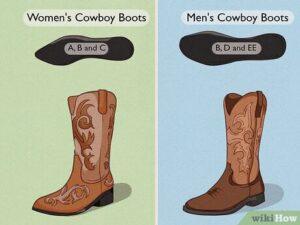
Normal shoe width is medium: usually B for women and D for men in U.S. shoe sizes.
Knowing what is normal shoe width helps you choose shoes that support your feet without squeezing them. Still, “normal” is only a starting point. Shoe width systems vary by brand, shoe type, foot shape, and country, so a careful fit matters more than the letter on the box. This guide explains width letters, how to measure your feet, common fit problems, and when to choose a wide or narrow shoe.
What Is Normal Shoe Width?
In the United States, normal shoe width usually means a medium or standard width. The letter depends on whether the shoe is made for women or men.
| Shoe category | Standard U.S. width |
|---|---|
| Women’s shoes | B |
| Men’s shoes | D |
| Children’s shoes | M, or medium |
Some brands use words instead of letters. For example, “medium,” “standard,” and “regular” often describe normal shoe width.
However, normal shoe width is not the same as an average foot width for every person. A person may have a narrow heel and a wide forefoot. Another person may have a broad foot but need a regular shoe with a roomy toe box.
The best shoe should feel secure at the heel, comfortable across the widest part of the foot, and roomy around the toes. Your toes should not touch the front or press against each other.
Shoe Width Letters Explained
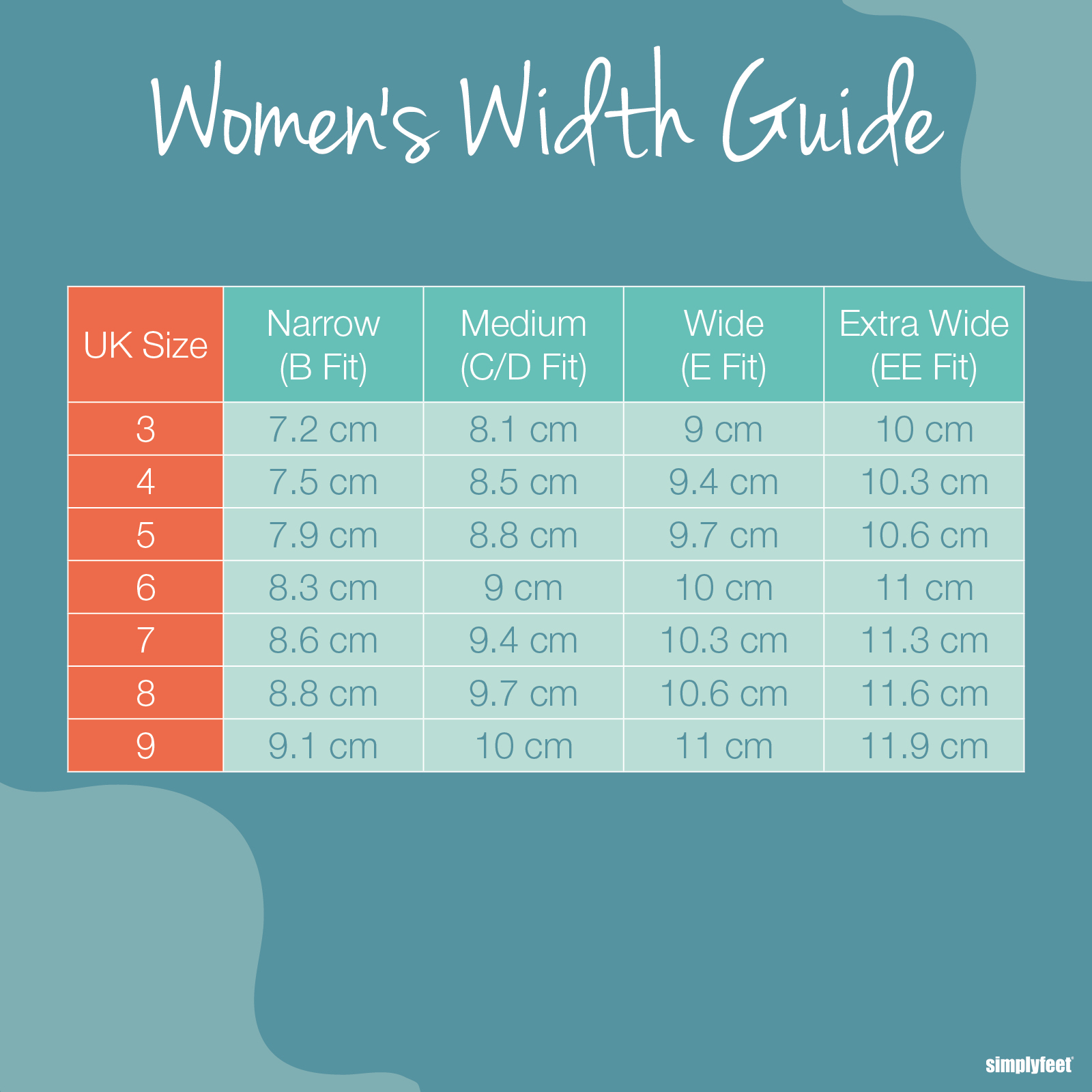
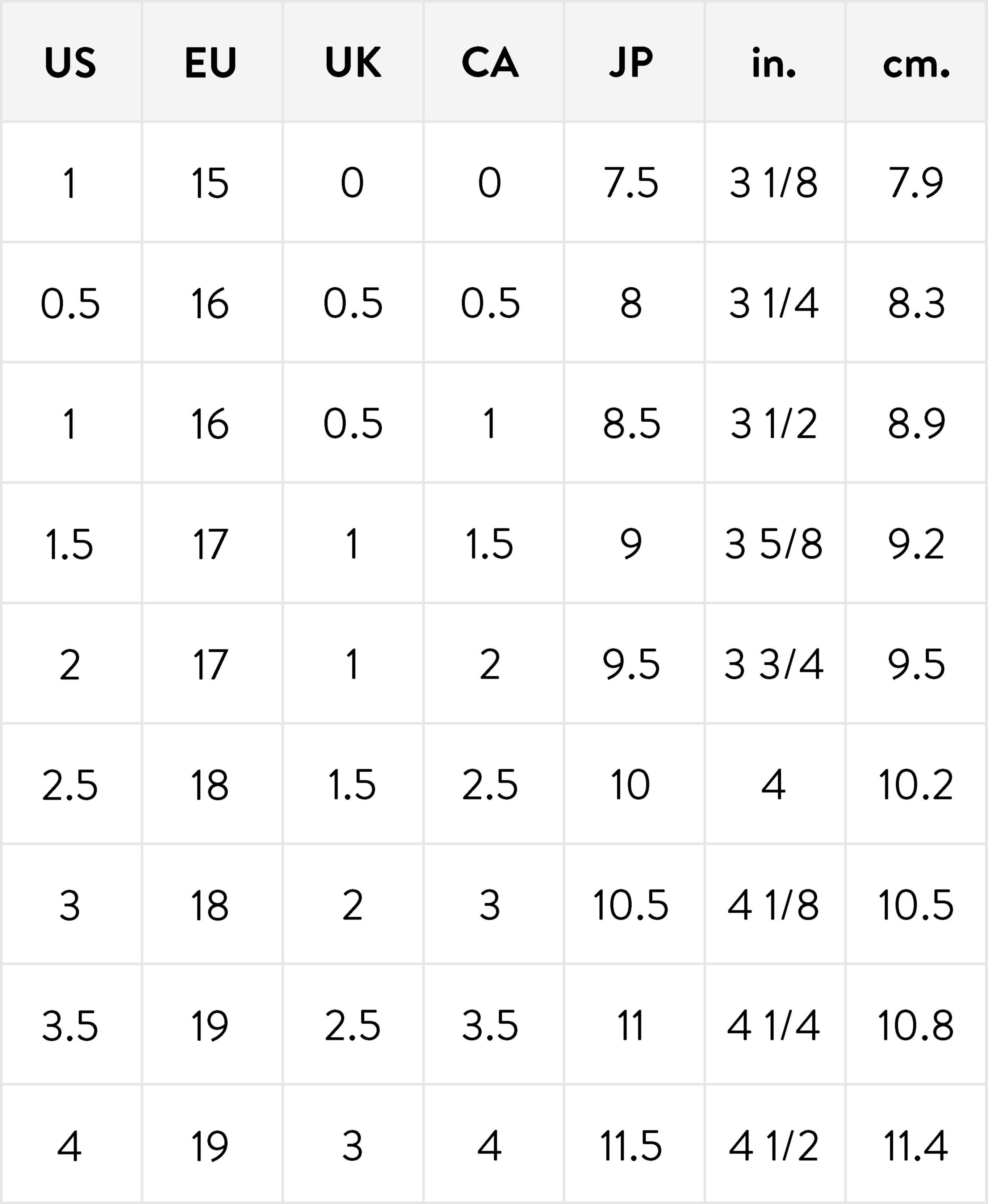
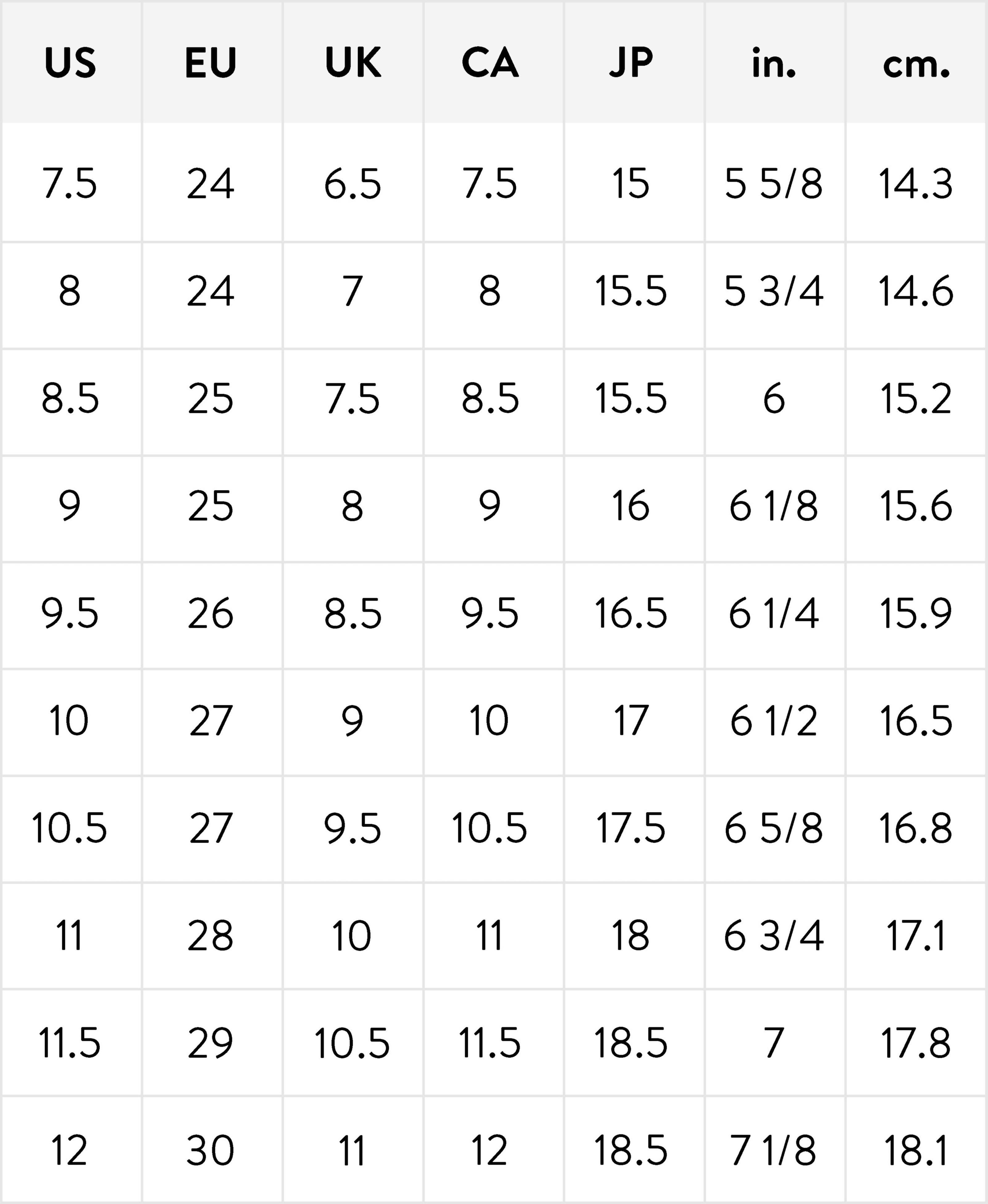
Shoe width letters show how broad or narrow a shoe is. The exact meaning can change by brand and by gender, so use the chart as a general guide.
Women’s shoe width chart
| Width label | Common meaning |
|---|---|
| AAA, AA | Extra narrow or narrow |
| A | Narrow |
| B | Medium or normal |
| C | Wide in some brands |
| D | Wide |
| EE or EEE | Extra wide |
Men’s shoe width chart
| Width label | Common meaning |
|---|---|
| B | Narrow |
| C | Narrow to medium |
| D | Medium or normal |
| E | Wide |
| EE or 2E | Extra wide |
| 4E | Extra extra wide |
The confusing part is that the same letter can mean different things in women’s and men’s shoes. A women’s B is generally medium, while a men’s B is often narrow.
Some companies use numbers, such as 2E or 4E. Others use terms such as narrow, medium, wide, and extra wide. Always check the brand’s own sizing chart before ordering.
Width also affects the whole shape of a shoe. A wide shoe may have more room in the forefoot, heel, or both. It is not always a simple increase in side-to-side space.

How to Measure Your Shoe Width at Home
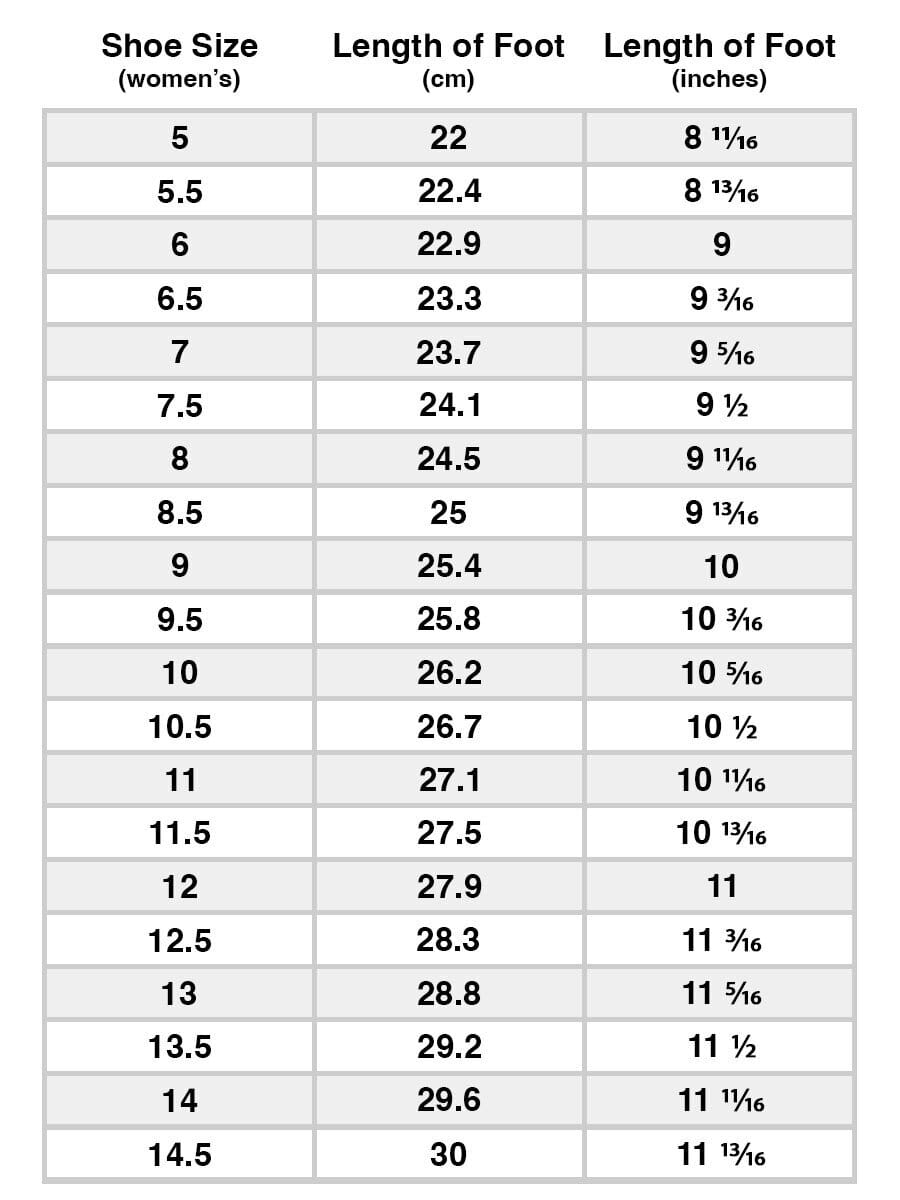
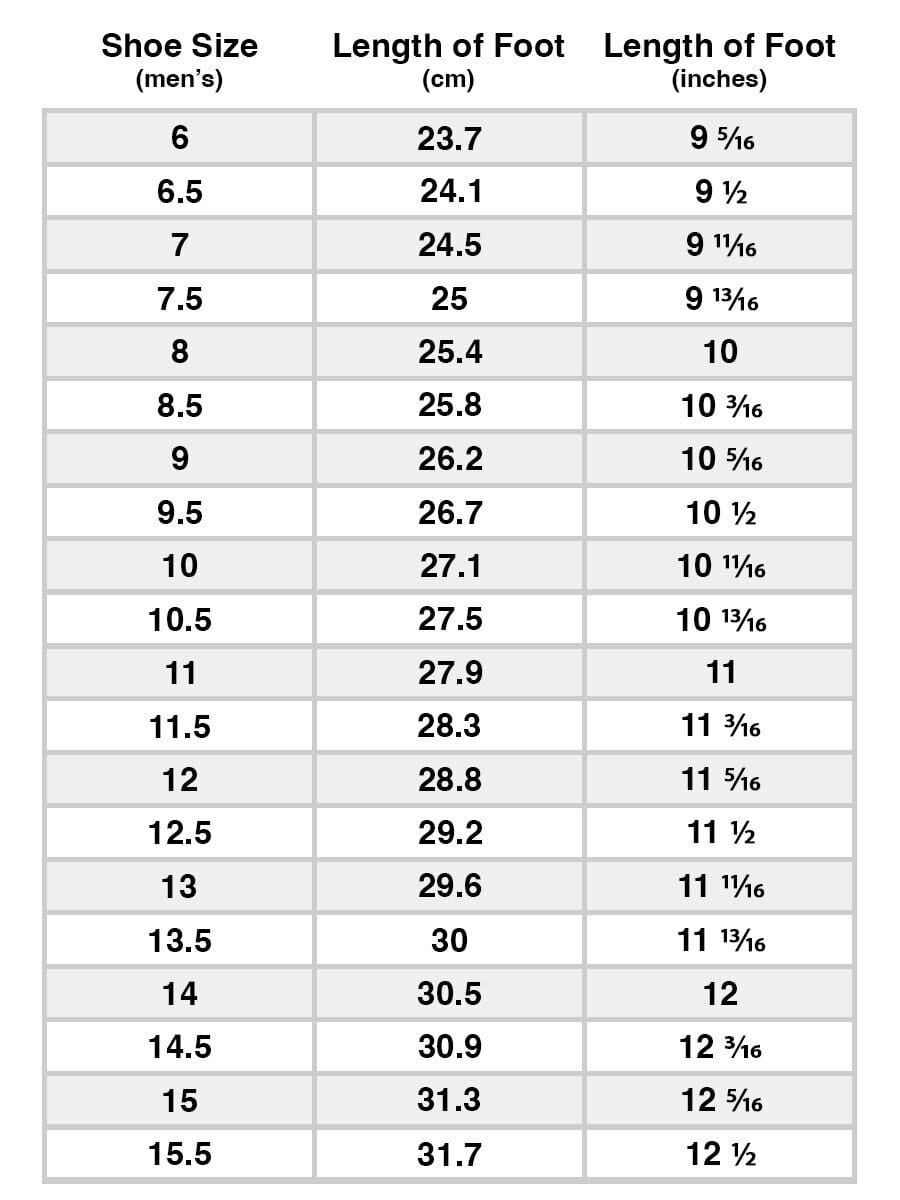
You can measure your foot width at home with paper, a pencil, and a ruler. Measure both feet because one foot is often slightly larger than the other.
Follow these steps:
- Place a sheet of paper on a hard floor.
- Wear the socks you normally plan to wear with the shoes.
- Stand with one foot on the paper and keep your weight on it.
- Trace around the foot without holding the pencil at an angle.
- Mark the widest points near the ball of the foot.
- Measure the distance between those points.
- Repeat the process for the other foot.
- Compare the larger measurement with the shoe brand’s width chart.
Measure later in the day if possible. Feet often swell after walking, standing, or exercise. Measuring only in the morning can lead to shoes that feel tight at night.
Do not pull your foot inward while tracing it. Your foot should carry normal body weight, like it does during a walk. This gives a more useful measurement than tracing a relaxed foot while sitting.
A professional shoe store may use a Brannock Device. This tool measures length, width, and the position of the heel and ball of the foot. It can improve accuracy, but the final test is still how the shoe feels when you walk.

How Should Normal Shoe Width Feel?
A properly fitting shoe should feel comfortable from the first wear. Shoes may soften slightly, but they should not need a painful “break-in” period.
Use these fit checks:
• Your toes should lie flat and move freely.
• The widest part of your foot should match the widest part of the shoe.
• Your heel should stay mostly in place without strong rubbing.
• The upper should not press hard across the ball of your foot.
• You should have about half an inch of space between your longest toe and the shoe’s end.
• The shoe should bend near the ball of your foot, not in the middle.
Try both shoes and walk on a firm surface. Many people have one foot that is longer or wider. Fit the larger foot, and consider an insole or heel adjustment if the smaller foot needs extra support.
A simple test is to remove the shoe’s insole, place it on the floor, and stand on it. If your foot spills over the edges, the shoe may be too narrow. This test does not replace walking in the shoe, but it can reveal a poor match quickly.
Signs Your Shoes Are Too Narrow
Shoes that are too narrow can cause discomfort during normal walking. They may also increase pressure on areas that already feel sensitive.
Common signs include:
• Toes rubbing against each other
• Red marks along the sides of the foot
• Numbness or tingling
• Burning near the ball of the foot
• Blisters on the little toe or heel
• A feeling that the foot is spilling over the sole
• Pain that gets worse during the day
A tight shoe can also make existing foot problems feel worse. People with bunions, hammertoes, swelling, arthritis, or diabetes may need extra care when choosing width.
Do not assume that going up in length will fix a width problem. A longer shoe may give you more space in front, but it can also cause heel slipping and poor control. The better solution is often a wider width in the correct length.
Signs Your Shoes Are Too Wide
Extra room is not always better. A shoe that is too wide may allow the foot to slide from side to side.
Look for these signs:
• Your heel lifts with each step
• Your foot slides forward
• The upper wrinkles heavily near the toes
• You need to tighten the laces excessively
• You develop blisters from movement
• Your arch feels unsupported
• Your toes grip the floor to keep the shoe in place
A wide shoe should give your foot room without letting it swim inside the shoe. If the length is right but the heel slips, try a different shoe shape, a lacing change, or a narrower width.
A shoe with adjustable laces, straps, or a deeper upper can work well for feet that change size during the day. These features are especially helpful when swelling is common.
Why Shoe Width Varies by Brand
There is no single global standard for shoe width. Brands create their own shoe lasts, which are the molds used to shape shoes. Two shoes marked the same size and width may feel very different.
Width can vary because of:
• The brand’s sizing system
• The shoe’s intended activity
• The shape of the toe box
• The thickness of the upper
• The materials used
• The country of manufacture
• The difference between men’s and women’s designs
Running shoes often offer more width choices than dress shoes. Boots may have a narrow toe shape even when labeled medium. Casual shoes may stretch, while leather dress shoes usually change less in width.
This is why your usual normal shoe width may not work in every model. Read customer reviews with care, but rely most on the brand’s measurements and your own fit test.
Normal Shoe Width for Different Foot Types
Some feet fit standard width shoes easily. Others need a different width or a shoe with a special shape.
Wide forefoot
A wide forefoot needs extra room near the ball of the foot and toes. A wide shoe may help, but a shoe with a broad toe box can sometimes work better than simply sizing up.
Narrow heel
A narrow heel may slide in a medium or wide shoe. Look for firm heel counters, structured uppers, and lacing systems that let you lock the heel in place.
High instep
A high instep may feel pressure across the top of the foot. Choose shoes with adjustable laces, stretchy panels, or a deeper upper.
Flat feet
Flat feet do not automatically require a wide shoe. Width should be based on actual pressure and fit. Some people with flat feet need stability features, while others need only a comfortable standard shoe.
Swollen feet
If your feet swell, measure them when they are largest. Adjustable footwear can provide a more comfortable fit than a fixed, narrow upper.

Does Shoe Width Change With Shoe Size?
Yes. Shoe width usually increases as shoe length increases, but the amount depends on the brand and shoe design. A size 10 medium shoe is generally wider than a size 7 medium shoe.
This does not mean a larger size will solve every width problem. The proportions may still be wrong for your foot. If a size 8 wide shoe fits your foot width but is too long, a size 7.5 wide may be a better choice.
Children’s feet also change quickly. A child may need a wider shoe as the foot grows, but parents should not buy shoes that are excessively large. Too much extra space can make walking less stable.
Check fit every few months for children and whenever an adult notices new pressure, rubbing, or numbness.

How to Choose the Right Shoe Width
Start with your foot, not the label. The word “medium” does not guarantee a comfortable fit.
Use this process:
- Measure both feet while standing.
- Identify the longer and wider foot.
- Check the brand’s width chart.
- Try shoes on later in the day.
- Wear the socks you will use with the shoes.
- Walk, turn, and climb a few steps if possible.
- Check the toe room and heel hold.
- Keep the pair only if both feet feel comfortable.
For online shopping, check the return policy before ordering. Order from retailers that provide clear width options and easy returns. Customer reviews can reveal whether a model runs narrow, but personal foot shape still matters more than general comments.
One practical lesson is easy to remember: do not buy a painful shoe because you expect it to stretch. Some leather may relax, but a shoe that presses on your toes or causes numbness is usually the wrong shape.
Shoe Width and Foot Health
Correct width can support comfort, balance, and natural movement. It may reduce rubbing and pressure, but it cannot treat every foot condition.
People with diabetes, reduced sensation, circulation problems, or a history of foot ulcers should ask a qualified health professional for shoe advice. A small area of pressure may become serious when sensation is limited.
See a podiatrist or other licensed clinician if foot pain continues after changing shoes. Also seek advice for sudden swelling, wounds, severe numbness, or pain that affects walking.
Shoe width is only one part of fit. Cushioning, arch shape, heel stability, flexibility, and activity all matter. A walking shoe, work boot, running shoe, and formal shoe may need different features.
Common Mistakes When Buying Shoe Width
Many shoe problems come from a few simple mistakes.
• Measuring only one foot
• Measuring while sitting
• Measuring in the morning
• Choosing length to gain width
• Trusting the same width label across all brands
• Ignoring toe shape
• Buying shoes that hurt and hoping they stretch
• Wearing new shoes for a full day right away
When testing new shoes, wear them at home for a short period first. Check your skin afterward for red marks or hot spots. If discomfort appears early, return the shoes rather than trying to tolerate the problem.
Your feet should not have to “get used to” sharp pressure, numbness, or repeated rubbing. Comfort is useful information, not a luxury.
Frequently Asked Questions About What Is Normal Shoe Width
What is normal shoe width for women?
Normal shoe width for women in the United States is usually B, also called medium or standard. Some brands use “M” for medium, so check the brand’s chart before buying.
What is normal shoe width for men?
Normal shoe width for men is usually D, also called medium or standard. A men’s D is not the same as a women’s D, which is often considered wide.
Is a D width considered wide?
A D width is usually medium for men but often wide for women. Width letters depend on the shoe’s gender category and the brand’s sizing system.
How do I know if I need wide shoes?
You may need wide shoes if your toes feel crowded, the sides of your feet bulge over the sole, or you see repeated red marks and blisters. Measure your feet and compare the result with the shoe maker’s width chart.
Should I buy a bigger shoe if my feet feel too wide?
Usually, no. A longer shoe may cause heel slipping and poor stability, so try a wider width in the correct length first.
Can foot width change over time?
Yes. Age, weight changes, pregnancy, swelling, injury, and foot conditions can change foot width. Measure again when your usual shoes begin to feel tight or unstable.
Are shoe widths the same in every country?
No. U.S., U.K., European, and other sizing systems use different methods. Convert length and width carefully, and use the manufacturer’s own chart whenever possible.
Conclusion
Normal shoe width usually means B for women and D for men in U.S. sizing, but the best width is the one that fits your actual foot. Measure both feet while standing, allow enough toe space, and check for pressure, rubbing, and heel movement.
Treat shoe labels as a guide, not a promise. Compare brand charts, try shoes on later in the day, and choose comfort over a familiar size. If pain, numbness, or swelling continues, speak with a qualified foot-care professional. Use these steps the next time you shop, and share your experience or explore more foot-fitting resources for smarter shoe choices.

Madison Clark is a footwear expert and the voice behind MyStyleGrid.com. She specializes in honest shoe reviews, style tips, and practical guides to help readers find the perfect pair for any occasion. With years of experience in blogging and content creation, Madison makes footwear knowledge simple, stylish, and easy to follow.