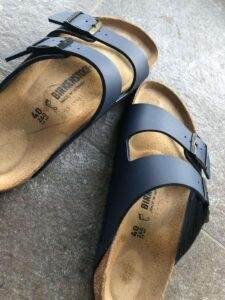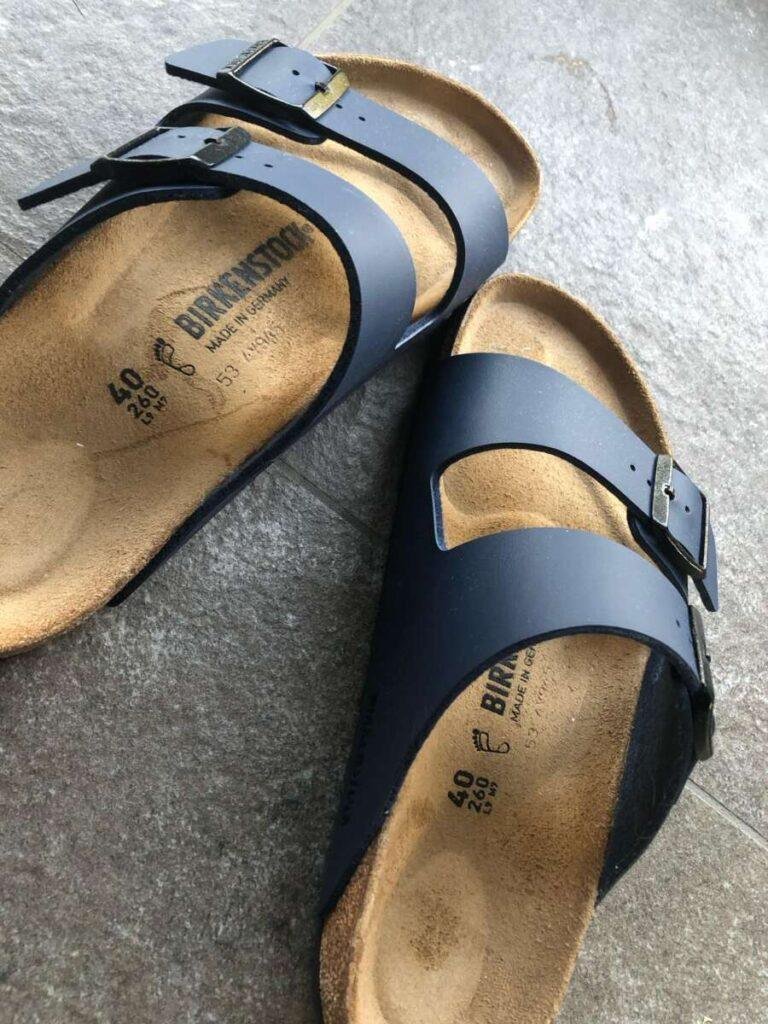
Most Birkenstock sandals are made in Germany, while select styles and components come from Portugal and other approved sites.
Knowing where Birkenstock sandals are made helps explain their price, comfort, and lasting quality. The brand is closely linked to German shoemaking, but its modern supply chain is more detailed than a single country label. This guide explains Birkenstock’s main factories, materials, country-of-origin labels, and the simple checks you can use before buying.

Where are Birkenstock sandals made?
Most Birkenstock sandals are made in Germany. The company has produced footwear there for many decades and still handles much of its key manufacturing work in German facilities.
Birkenstock’s German production sites make many of the brand’s best-known sandals, including classic footbed styles such as Arizona, Boston, Madrid, Gizeh, and Mayari. The exact factory can differ by model, color, size, and production run.
Some Birkenstock products are also made in Portugal. These products may use the same design standards and approved materials, but their final assembly takes place outside Germany. For that reason, the most accurate answer to “where are Birkenstock sandals made” is Germany for most styles, with Portugal used for select products.
The country of origin does not tell the whole quality story. Birkenstock’s sandal construction also depends on:
• The cork-latex footbed
• The type of leather or synthetic upper
• The sole material
• Factory assembly methods
• Quality checks during production
A sandal made in Portugal is not automatically lower in quality than one made in Germany. The model’s materials and construction matter just as much as the country listed on the label.
Birkenstock’s German manufacturing roots
Birkenstock began as a family shoemaking business in Germany. Its history goes back to 1774, when Johann Adam Birkenstock was recorded as a shoemaker in the German town of Langen-Bergheim.
The brand later became known for its contoured footbed. Konrad Birkenstock helped develop flexible footbed designs in the late nineteenth century, and the company continued refining them through the twentieth century.
German production remains central to the brand. Birkenstock operates manufacturing locations in several German towns, including areas associated with footbed production, sandal assembly, and other footwear processes.
This long history matters because the footbed is not a simple flat insole. It is shaped to support the heel, arch, and front of the foot. The design works like a firm base under a building: if the base is shaped well, the rest of the structure can support the body more effectively.
Birkenstock sandals are also strongly linked to German materials and production traditions. The brand uses natural cork, latex, leather, suede, microfiber, EVA, and other materials across its product range.

Which Birkenstock products are made in Germany?
A large share of Birkenstock’s traditional sandals are made in Germany. This often includes products with the brand’s classic cork-latex footbed.
Common examples may include:
• Arizona sandals
• Boston clogs
• Madrid sandals
• Gizeh thong sandals
• Mayari sandals
• Milano backstrap sandals
• Some professional and occupational footwear
• Selected leather and suede footbed models
however, product availability and manufacturing locations can change. Birkenstock may produce the same general model in different materials or at different facilities. A leather version and an EVA version, for example, may not share the same production location.
Look for the “Made in Germany” wording on the product box, hangtag, product page, or sandal label. Some models also display a German origin mark near the footbed or packaging.
The following details often point to a German-made product:
• A classic cork-latex footbed
• A product page that states “Made in Germany”
• A label showing Germany as the country of origin
• Traditional Birkenstock construction
• Manufacturing information printed on the packaging
These signs are useful, but the product label remains the best final check.
Are any Birkenstock sandals made in Portugal?
Yes. Some Birkenstock footwear is made in Portugal. The company has expanded its production network beyond Germany, and select products may list Portugal as their country of origin.
Portugal has a respected footwear industry. Many international shoe brands use Portuguese factories because the country has skilled workers, established leather production, and strong footwear expertise.
A Portuguese-made Birkenstock product can still follow the brand’s design and quality requirements. It may include Birkenstock-approved materials, patterns, and production standards. The main difference is where the final manufacturing or assembly happens.
This point is important when shopping online. Product photos may look nearly identical, while the country of origin differs by color, material, or season. If the origin matters to you, read the product description carefully and check the packaging when the shoes arrive.
Do not assume that every Birkenstock sandal is made in Germany simply because the company is German. At the same time, do not assume that a Portuguese-made pair is fake or poorly made.

How Birkenstock sandals are made
The manufacturing process varies by style, but traditional Birkenstock sandals usually involve several careful steps.
1. Preparing the footbed
The classic footbed combines cork and latex. Cork gives the footbed shape and firmness, while latex helps bind the material and adds some flexibility.
The footbed is shaped to support several areas of the foot:
• A deep heel cup
• A raised arch support
• A roomy toe bar
• A transverse arch area
• A broad front section
This shape may feel firm when new. It is designed to mold gradually as you walk.
2. Cutting and preparing the upper
The upper may use leather, suede, microfiber, Birko-Flor, or synthetic materials. Workers or machines cut the material into straps and panels that match the sandal’s pattern.
Leather quality can vary by finish. Smooth leather, suede, nubuck, oiled leather, and natural leather each feel different and need different care.
3. Attaching the upper to the footbed
The straps are secured to the footbed. Buckles, rivets, and other hardware are added based on the model.
This stage affects both comfort and durability. A strap that is too tight can rub the skin, while a poorly positioned buckle may create pressure over the foot.
4. Adding the outsole
Traditional models often use a lightweight EVA outsole. EVA stands for ethylene-vinyl acetate, a foam-like material that offers flexibility and shock absorption.
The outsole protects the cork footbed from the ground. It also provides traction and can be replaced by a qualified repair professional when worn.
5. Inspecting the finished sandal
The final sandal is checked for issues such as loose straps, uneven edges, visible adhesive, faulty buckles, or an irregular footbed. Minor marks can occur in natural materials, but serious defects should not be ignored.
When reviewing footwear, I always check the footbed edges, strap attachment points, and buckle holes first. These areas reveal more about practical construction than a polished product photo does.
What materials does Birkenstock use?
Birkenstock sandals use several material groups. The material affects comfort, breathability, water resistance, maintenance, and price.
Cork and latex
The cork-latex footbed is the feature most closely linked to classic Birkenstock sandals. It offers firm support and gradually adapts to the wearer’s foot.
Cork is a natural material. It can show small changes in color or texture, especially on exposed footbeds. That is normal and does not always indicate a defect.
Leather
Birkenstock uses several types of leather, including smooth leather, suede, nubuck, and oiled leather. Leather can become more comfortable over time, but it needs protection from heavy rain and prolonged moisture.
Synthetic materials
Some sandals use Birko-Flor, microfiber, or other synthetic uppers. These options may offer easier care, lower cost, or vegan-friendly construction, depending on the product.
Be careful with the word “vegan.” A vegan upper does not necessarily mean every part of the shoe is free from animal-derived materials. Check the full product description for the brand’s specific vegan designation.
EVA
EVA sandals are lightweight, flexible, and easy to clean. They are popular for pools, beaches, travel, and wet conditions.
EVA models do not have the same cork-latex construction as classic Birkenstock sandals. They may feel softer and lighter, but they offer a different walking experience.

Does “Made in Germany” mean every part is German?
No. “Made in Germany” generally refers to the location of substantial manufacturing or final production, not necessarily the origin of every raw material.
Modern footwear production uses global supply chains. Buckles, adhesives, leather, rubber, packaging, and synthetic materials may come from different countries. A German-made sandal can therefore contain materials sourced from outside Germany.
Country-of-origin rules focus on where a product undergoes its relevant manufacturing process. The exact legal standard can depend on the product and the markets where it is sold.
This is why “Made in Germany” should be understood as a manufacturing claim, not a statement that every fiber, fastener, or chemical came from Germany.
Birkenstock also uses supplier standards and production controls across its network. Still, shoppers should avoid claims that go beyond the available evidence. A country label can tell you where the product was made, but it cannot prove that every material came from the same country.
How to check where your Birkenstock sandals were made
You can usually confirm the origin in a few minutes.
-
Check the product page
Look for a “country of origin,” “made in,” or product details section. -
Inspect the box
The packaging may list the country where the sandals were manufactured. -
Look at the sandal
Some models include origin information on the footbed, sole, tag, or inside strap. -
Compare the model number
The model name alone may not identify the factory. Use the product code when contacting the seller or manufacturer. -
Ask an authorized retailer
A reputable retailer should be able to confirm the origin of the exact style and color. -
Contact Birkenstock
If the label and online listing conflict, customer service can help clarify the product details.
Avoid judging authenticity only by the country of manufacture. Genuine Birkenstock products may come from Germany or Portugal, depending on the model. Instead, check the seller, packaging, stitching, footbed shape, logo details, hardware, and receipt.
How to spot fake Birkenstock sandals
Counterfeit sandals often appear on marketplace sites and social media listings. A low price can be tempting, but it may signal a fake, a used item, or an unauthorized product.
Watch for these warning signs:
• A price far below normal retail pricing
• Misspelled words on the box or footbed
• A strange or unclear logo
• Poor strap stitching
• Uneven cork edges
• Buckles that feel weak or rough
• A footbed shape that looks flat
• Packaging that differs greatly from official product images
• A seller with little history or no clear return policy
The phrase “Made in Germany” does not prove authenticity by itself. Counterfeit products can copy country labels. A trustworthy seller and a matching product code are stronger evidence.
One common shopping mistake is buying based only on a product photograph. Photos can hide poor footbed shaping and weak construction. Ask for detailed images of the footbed, sole, buckles, box label, and size marking before buying from an unfamiliar seller.

Does the manufacturing country affect comfort?
The manufacturing country alone does not determine comfort. Fit, footbed width, size, upper material, break-in time, and foot shape usually matter more.
Birkenstock offers regular and narrow widths on many models. The wrong width can make a well-made sandal feel uncomfortable. Your heel should sit securely in the heel cup, while your toes should have room to move without hanging over the edge.
Classic cork-latex styles often feel firm at first. Give them time to break in, but do not force yourself through sharp pain or severe rubbing. Short periods of wear at home can help you identify pressure points.
A simple fitting check includes:
• Your heel rests inside the heel cup
• Your toes do not touch the front edge
• The straps hold the foot without squeezing it
• Your arch feels supported, not painfully pushed
• You can walk without your foot sliding forward
From a practical standpoint, the best Birkenstock sandal is the one that fits your foot and suits your daily use. A German-made sandal in the wrong width will not outperform a Portuguese-made sandal that fits correctly.
How to care for Birkenstock sandals
Good care can extend the life of your sandals, regardless of where Birkenstock sandals are made.
Keep classic cork footbeds away from heavy soaking. If the sandals become wet, let them dry naturally at room temperature. Avoid radiators, hair dryers, and direct high heat because heat can damage leather, cork, and adhesives.
Useful care habits include:
• Wipe dirt away with a soft brush or cloth
• Use the correct cleaner for the upper material
• Apply cork sealer when the cork edge looks dry
• Keep leather away from prolonged moisture
• Store sandals in a cool, dry place
• Avoid leaving them in a hot car
• Replace worn soles through a qualified repair service
Do not use the same cleaner on every material. Suede, smooth leather, microfiber, and EVA each require different care. The product’s care instructions should take priority over general advice.
A small amount of maintenance works like routine car care. It cannot prevent every problem, but it can slow wear and protect the parts that matter most.

Where are Birkenstock sandals made: key points to remember
The most accurate summary is simple:
• Most traditional Birkenstock sandals are made in Germany.
• Select Birkenstock footwear is made in Portugal.
• The exact origin can vary by model, material, color, and production run.
• Classic cork-latex footbeds are strongly associated with German production.
• “Made in Germany” does not mean every raw material came from Germany.
• A Portuguese-made pair can still meet Birkenstock’s product standards.
• The label, product page, and packaging provide the best confirmation.
• Fit and construction matter more than country alone.
When people ask where Birkenstock sandals are made, they often want to know whether the product is genuine and well made. Country of origin can help, but it should be considered alongside the seller, materials, craftsmanship, and fit.
Frequently asked questions about where are Birkenstock sandals made
Are Birkenstock sandals made in Germany?
Most Birkenstock sandals are made in Germany, especially many classic cork-latex footbed styles. However, some products are made in Portugal, so check the exact model’s country-of-origin label.
Are Birkenstocks made in Portugal authentic?
Yes. Birkenstock makes select products in Portugal, and a Portuguese-made pair can be authentic. Verify the seller, product code, packaging, and construction before buying.
Are all Birkenstock sandals made in Germany?
No. Germany is the brand’s main manufacturing base, but some styles and production runs come from Portugal or other approved facilities. The product label gives the most accurate answer for a specific pair.
How can I tell where my Birkenstocks were made?
Check the sandal, box, hangtag, or online product description for the country of origin. If the information is missing or inconsistent, contact an authorized retailer or Birkenstock customer service.
Does where Birkenstocks are made affect their quality?
The manufacturing country does not automatically determine quality. Materials, construction, factory standards, product design, and proper fit all play important roles.
Are Birkenstock EVA sandals made in Germany?
Some EVA models are made in Germany, but production details can vary by product. Always check the specific product listing or package rather than assuming every EVA sandal has the same origin.
Are Birkenstock sandals made with real cork?
Many classic Birkenstock styles use a cork-latex footbed. EVA models use molded EVA instead, so they do not have the same cork construction.
Conclusion
Most Birkenstock sandals are made in Germany, with select styles produced in Portugal. The exact answer depends on the model, material, production run, and label. German craftsmanship remains central to the brand, but a Portuguese-made pair can also be genuine and well made.
Before buying, check the product origin, use an authorized seller, and focus on fit and materials rather than country alone. Compare the label with the product details, care for the sandals correctly, and explore official model information before making your choice.

Rubel Miah is the Senior Editor at MyStyleGrid.com, where he brings a sharp editorial eye and an unshakable love for fashion to everything he does. A true style addict, Rubel lives and breathes trends, from streetwear to high fashion, and has a knack for turning inspiration into impactful stories. With years of experience in fashion journalism and digital media, he curates content that empowers readers to express themselves through style. When he’s not editing features or forecasting the next big thing, you’ll find him hunting down vintage pieces or capturing street style moments around the city.