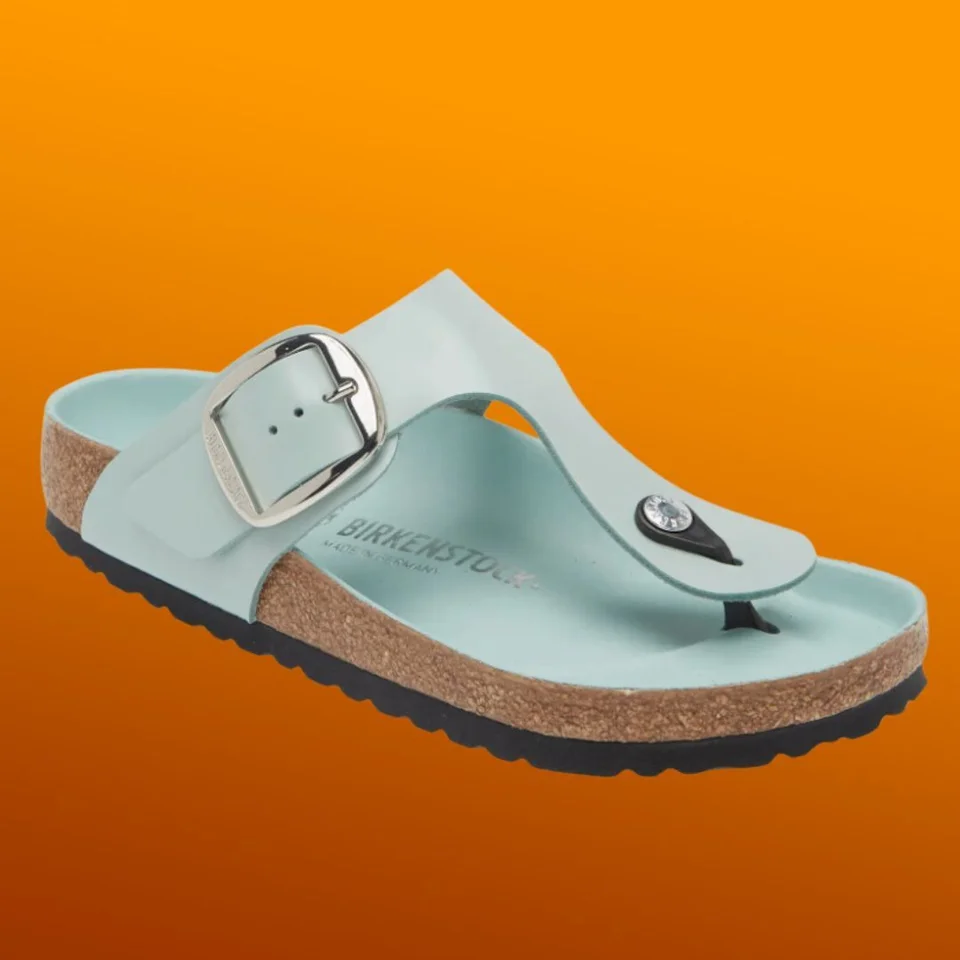
Birkenstock sandals can help some people with plantar fasciitis by offering firm arch support, a heel cup, and a stable footbed.
Are Birkenstock sandals good for plantar fasciitis? The answer depends on your foot shape, pain level, walking habits, and how well you adjust to their firm design. This guide explains the possible benefits, limits, best styles, fitting tips, and safer ways to test them.
What Is Plantar Fasciitis?
Plantar fasciitis is a common cause of heel pain. It affects the plantar fascia, a strong band of tissue that runs from the heel bone to the base of the toes.
This tissue helps support the arch and absorb force when you walk. Repeated strain can cause small areas of irritation, especially near the heel.
Common symptoms include:
• Sharp pain with the first steps in the morning
• Heel pain after sitting for a long time
• Discomfort after long walks or standing
• Tight calves or pain along the sole of the foot
• Pain that may improve with movement but return later
Plantar fasciitis is not always caused by one event. It may develop after a sudden increase in exercise, long hours on hard floors, poor footwear, tight calf muscles, weight changes, or foot structure.
The condition often improves with time and proper care. Still, severe or ongoing pain deserves an evaluation from a podiatrist or other qualified health professional.

Are Birkenstock Sandals Good for Plantar Fasciitis?
Birkenstock sandals may be good for plantar fasciitis when the footbed matches your foot and you can tolerate firm support. They are not a guaranteed treatment, and they may feel uncomfortable during the adjustment period.
The classic Birkenstock footbed has several features that may support a painful foot:
• A contoured arch area
• A deep heel cup
• A roomy toe box
• A raised toe bar
• A firm cork or cork-latex base
• A relatively stable platform
These features can help spread pressure across the foot instead of allowing the heel to take all the load. The heel cup may also help keep the foot from sliding side to side.
However, plantar fasciitis varies from person to person. A sandal that feels supportive to one person may feel too hard or too structured to another. That is why the answer to “are Birkenstock sandals good for plantar fasciitis” cannot be the same for everyone.
Birkenstocks can also lack some features found in athletic shoes. Many sandals provide less cushioning, less shock absorption, and less protection from rough ground. If your pain is severe, a supportive walking shoe may be a better first choice.
How Birkenstock Footbeds May Help
The main reason some people ask, “are Birkenstock sandals good for plantar fasciitis?” is the footbed design.
A contoured footbed can support the arch and help guide the foot during walking. It acts somewhat like a supportive bridge under the sole. This may reduce the amount of strain placed on the plantar fascia.
The deep heel cup may also help. It cradles the heel and can limit unwanted movement. Less sliding may help the foot feel more stable, especially during normal walking.
The wide toe area is another possible benefit. Tight shoes can squeeze the toes and change how you place your foot. A roomier toe box lets the toes spread more naturally, which may improve comfort for some people.
The firm base is both a benefit and a limitation. A stable surface can prevent the foot from sinking too deeply into soft foam. Yet a firm base may hurt if your heel is very tender or if you are used to cushioned shoes.
Research on plantar fasciitis supports measures such as stretching, activity changes, and supportive footwear. But there is limited evidence that Birkenstock sandals alone can cure plantar fasciitis. They should be viewed as one comfort tool, not a stand-alone medical treatment.

Possible Benefits of Birkenstock Sandals for Heel Pain
When the fit is right, Birkenstocks may offer several practical benefits.
Firm arch support
The shaped arch may reduce the feeling that your foot is collapsing inward. Some people find this helpful during short periods of standing or walking.
Heel stability
The heel cup can keep your heel centered. This may make each step feel more controlled.
Room for the toes
A wide front can reduce pressure on the toes. It may also allow a more natural foot position.
Better support than flat flip-flops
Many flip-flops have thin, flexible soles and little structure. Compared with those sandals, Birkenstocks often provide more support and stability.
A durable design
Cork footbeds can mold slightly over time. With proper care, a quality pair may last much longer than a low-cost flat sandal.
Still, these benefits do not mean that every Birkenstock model is right for plantar fasciitis. Flat, soft, or very flexible styles may feel different from classic contoured models.

Possible Drawbacks and Risks
The question “are Birkenstock sandals good for plantar fasciitis?” also requires an honest look at the downsides.
The footbed can feel hard at first. People with an active flare may experience more heel pain if they wear the sandals for several hours right away.
Birkenstocks also have a break-in period. The arch and toe bar may press on areas that are not used to structured footwear. Mild awareness can be normal, but sharp pain, numbness, or lasting soreness is a warning sign.
Other limitations include:
• Less cushioning than many running shoes
• Limited protection from stones and uneven ground
• A possible lack of heel shock absorption
• Reduced support if the straps are loose
• A poor match for very narrow or very wide feet
• Less stability for some people on wet surfaces
Some people also walk differently in sandals. They may grip the sandal with their toes or shorten their stride. This can place extra stress on the calf and sole of the foot.
If the sandals increase your pain during or after use, stop wearing them and reassess the fit. Comfort should improve over time, not steadily worsen.

Which Birkenstock Features Should You Look For?
If you want to test Birkenstocks for plantar fasciitis, focus on fit and structure rather than color or fashion.
Look for:
• A contoured footbed with clear arch support
• A deep heel cup that centers your heel
• Adjustable straps that hold the foot securely
• Enough room for the toes to spread
• A sole that feels stable when you walk
• A heel area that does not rub or pinch
Classic footbed designs are often more structured than soft, flat sandal styles. However, product names and materials can change, so inspect the actual footbed before buying.
A soft footbed may feel more comfortable at first because it includes added cushioning. Yet some people prefer the firmer feel of a traditional footbed once their feet adjust.
Do not buy a pair that forces your arch into an uncomfortable spot. Support should meet your arch, not act like a hard bump under it.

How to Break In Birkenstocks Safely
A gradual break-in plan can make a major difference. Wearing new sandals all day on the first day is a common mistake.
Try this approach:
- Wear the sandals indoors for 15 to 30 minutes.
- Check your heel, arch, and toe area for pressure.
- Remove them before your foot becomes sore.
- Repeat for several days.
- Add short outdoor walks only when your feet feel comfortable.
- Increase wear time slowly.
Use the straps to keep your foot secure, but do not tighten them so much that they leave deep marks. Your toes should have space, and your heel should sit comfortably within the heel cup.
I cannot claim personal product testing or clinical practice, but one practical lesson from footwear fitting is clear: people often judge a supportive shoe too quickly. A sandal can feel unfamiliar without being harmful, but pain that grows with each wear should not be ignored.
You may also wear the sandals after gentle calf and plantar fascia stretches. Avoid aggressive stretching if it causes sharp pain.

When Birkenstocks May Not Be the Best Choice
Birkenstocks may not be ideal during a strong plantar fasciitis flare. If every step hurts, a cushioned athletic shoe may provide better protection while the tissue settles.
They may also be a poor choice for:
• Long hikes on rocky trails
• High-impact exercise
• Jobs that require all-day standing
• Wet or slippery surfaces
• People who need custom orthotics
• People with severe diabetes-related foot problems
• Feet with open sores, swelling, or major deformity
A podiatrist may recommend a different shoe, an insert, physical therapy, or another treatment based on your symptoms.
Seek medical advice if heel pain lasts more than a few weeks, keeps returning, or affects your normal activities. Get prompt care for sudden swelling, bruising, numbness, weakness, fever, or pain after an injury.

Birkenstocks Compared With Other Footwear
Flat flip-flops often provide little arch support and can make the toes work harder to keep the sandal in place. Birkenstocks usually offer more structure, but they are still open sandals.
Running shoes tend to provide more cushioning and shock absorption. They may be better for long walks, work shifts, or active exercise.
Custom orthotics can offer more specific support than a standard footbed. They may be useful when your foot shape, alignment, or medical history requires individual correction.
Supportive house shoes can also help people who feel pain when walking barefoot on hard floors. Going barefoot is not automatically harmful, but it may increase symptoms for some people during a flare.
The best option is the one that reduces pain during walking and does not cause worse pain later that day or the next morning.
Tips to Reduce Plantar Fasciitis Pain
Footwear works best when combined with basic care. Consider these steps:
• Stretch the calf gently each day
• Roll the sole over a cool bottle or ball
• Reduce sudden increases in walking or running
• Rest from activities that sharply increase pain
• Choose shoes with enough room for your toes
• Replace worn-out shoes
• Build strength in the foot and lower leg
• Avoid long periods of standing when symptoms are severe
A physical therapist can teach exercises for the calf, foot muscles, and ankle. Treatment may also include taping, night splints, or an orthotic when appropriate.
Weight, work demands, past injuries, and training habits can all affect recovery. A complete plan is usually more effective than changing sandals alone.
How to Decide if Birkenstocks Work for You
Use your symptoms as the guide. Before wearing them outside, test the sandals indoors on a clean surface.
Ask yourself:
• Does the heel feel supported rather than pressured?
• Does the arch feel supported without a sharp bump?
• Can I walk without gripping with my toes?
• Is the pain the same or lower after wearing them?
• Do I feel worse later that day or the next morning?
If the answers are mostly positive, Birkenstocks may be a useful casual footwear option. If pain increases, try shorter wear times or choose a more cushioned shoe.
A simple comfort diary can help. Record how long you wore the sandals, how much you walked, and how your heel felt the next morning. Morning pain is especially useful because it can show whether your foot tolerated the activity.
This practical test is more useful than relying on brand claims. The right sandal should support your foot without creating new pressure.