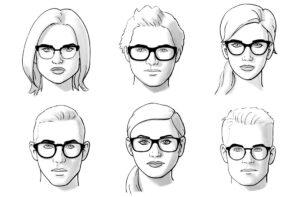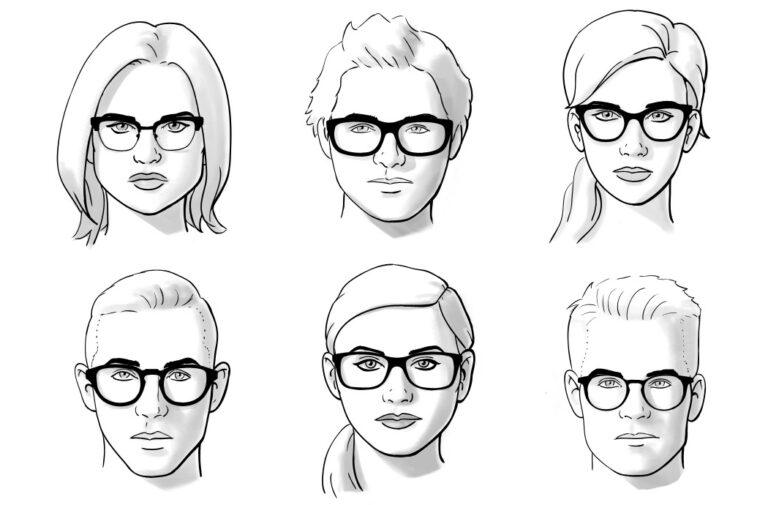
The best glasses match your face shape, brow line, skin tone, lifestyle, and personal style.
Wondering what shape glasses fit my face is a smart place to start, but face shape is only one part of the choice. After reviewing frame fit, bridge design, lens width, and visual balance, I can show you how to choose glasses that look good and feel comfortable all day.

Why Face Shape Matters When Choosing Glasses
Your glasses sit in the center of your face, so they affect balance more than most accessories. The right frame can soften sharp angles, add structure to soft features, or make a long face look more balanced.
Still, face shape is a guide, not a strict rule. Your eyebrow line, cheekbone width, nose bridge, eye position, hair, and style all matter. A frame that looks perfect on a chart may not fit well in real life.
When people ask what shape glasses fit my face, I suggest looking at three things first:
- Shape: Compare the frame outline with your natural facial lines.
- Proportion: Make sure the frame suits the width and height of your face.
- Fit: Check that the bridge, temples, and lenses sit in the right places.
A good frame should feel like part of your face, not like a costume placed over it.
How to Find Your Face Shape
You do not need special tools to identify your face shape. A mirror, a phone camera, and a few minutes are enough.
Pull your hair away from your face. Look straight into a mirror, keeping your head level. You can trace the outline of your face on the mirror with a washable marker, or take a straight-on photo and study the shape.
Pay attention to these areas:
- Forehead width
- Cheekbone width
- Jaw width
- Face length from forehead to chin
- Whether your jaw looks curved, pointed, or square
Most people have a mix of features. For example, you may have a round face with a strong jaw or an oval face with a high forehead. That is normal. The goal is not to find a perfect category. The goal is to understand your natural lines.
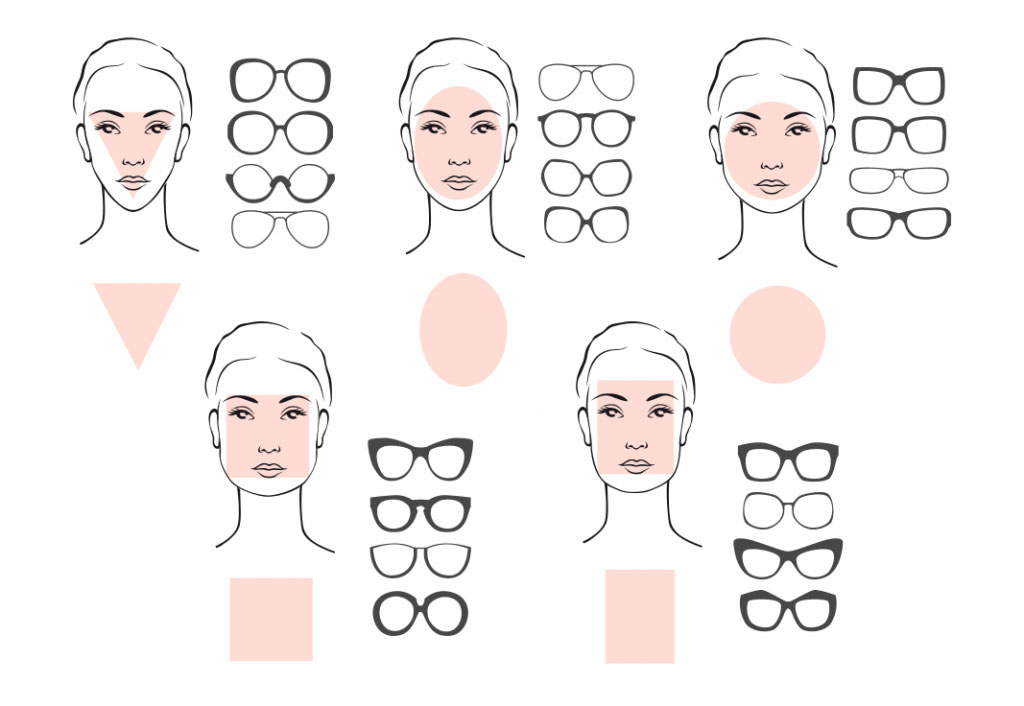
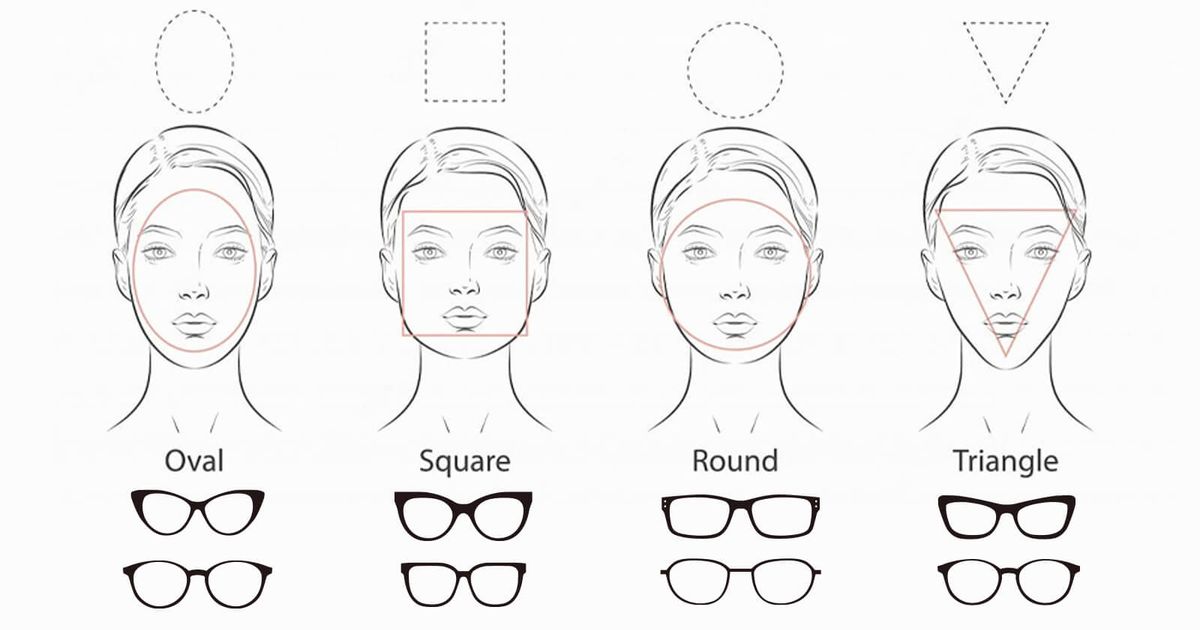
Round Face
A round face often has soft cheeks, a curved jaw, and a similar width and length. The cheek area may look full, with few sharp angles.
Angular frames can add structure. Rectangular, square, and slightly geometric glasses often create a useful contrast. A higher bridge can also make the face look longer.
Oval Face
An oval face is usually longer than it is wide. The forehead may be slightly wider than the chin, and the jaw tends to look smooth.
Many frame shapes work well with an oval face. Square, rectangular, round, cat eye, aviator, and softly geometric frames can all be good choices. Proportion still matters, so avoid frames that are much wider or narrower than your cheekbones.
Square Face
A square face often has a broad forehead, wide cheekbones, and a strong jaw. The length and width may be close, with clear angles around the jaw and temples.
Round or oval frames can soften those lines. Thin metal frames and curved brow shapes may also create a gentler look. If you want a bold style, a square frame can repeat your natural angles and make your appearance look confident.
Heart Shaped Face
A heart shaped face is often wider at the forehead and narrower toward the chin. Some people also have prominent cheekbones or a widow’s peak.
Bottom heavy frames, round glasses, and light colored frames can help balance the upper face. Rimless styles may also work well. Avoid frames that are very heavy at the top unless you want to highlight your forehead.
Oblong or Rectangular Face
An oblong face is longer than it is wide. The forehead, cheeks, and jaw may have similar widths, and the face may have straight sides.
Glasses with more depth can make the face look more balanced. Oversized round frames, tall rectangular frames, and frames with a strong brow line may work well. Avoid very narrow lenses, which can make the face look longer.
Diamond Face
A diamond face is often widest at the cheekbones, with a narrower forehead and chin. The jaw may look angular.
Oval, cat eye, and rimless frames can highlight the eyes while softening the cheek area. Frames with a gentle curve often create a balanced effect.

What Shape Glasses Fit My Face?
The simplest answer depends on your facial lines. Opposite shapes often create contrast, while similar shapes can create a strong, confident look.
Here is a useful starting guide:
| Face shape | Frames to try | Frames to approach with care |
|---|---|---|
| Round | Square, rectangular, geometric | Very small round frames |
| Oval | Most shapes, including cat eye and aviator | Frames much wider than the face |
| Square | Round, oval, thin metal | Very thick square frames |
| Heart shaped | Round, rimless, bottom heavy | Heavy top frames |
| Oblong | Tall lenses, oversized, deep frames | Narrow, shallow lenses |
| Diamond | Oval, cat eye, rimless | Very angular cheek level frames |
This chart answers what shape glasses fit my face, but it cannot replace a real fit check. Two frames with the same shape can look very different because of lens height, bridge width, color, and frame thickness.
The Contrast Rule
Contrast can create balance. Round faces often look good with angular frames, while square faces often suit curved frames.
This is not a law. Many people prefer matching shapes because the result feels bold and intentional. Round glasses on a round face, for example, can create a soft vintage look.
The Proportion Rule
Your frame should usually be close to the width of your face. The outer edges should not press hard into your temples, and they should not extend far beyond your cheeks.
Your eyes should sit near the center of each lens. If your eyes sit too close to the inner edge, the frame may be too wide. If they sit near the outer edge, the frame may be too narrow.
The Eyebrow Rule
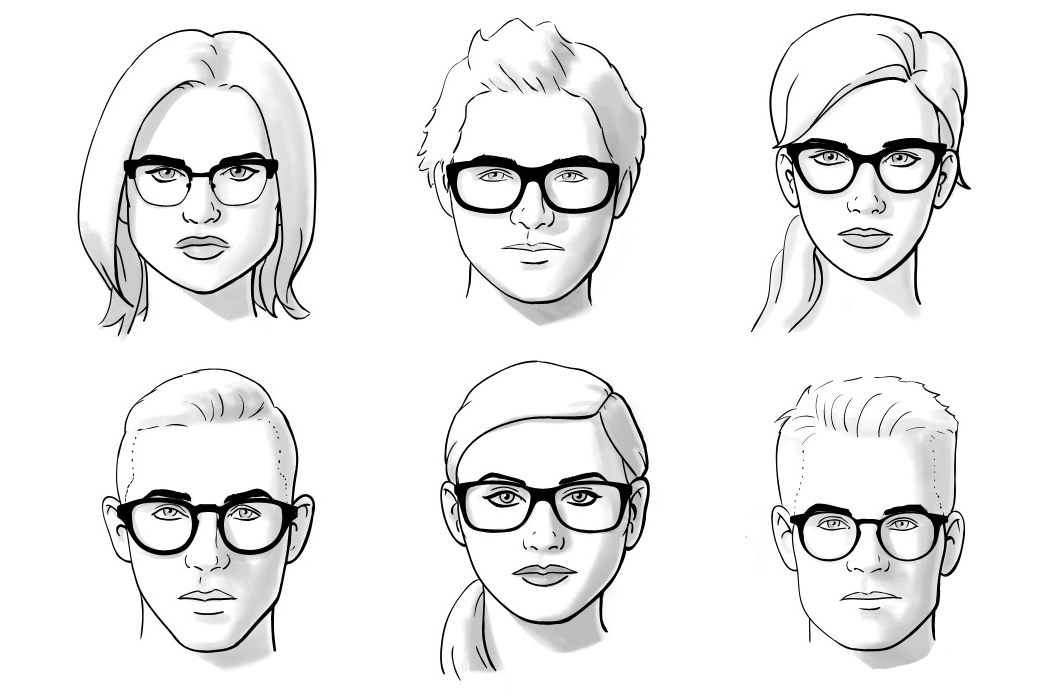
Your eyebrows should usually remain visible above the frame. The top of the glasses should follow, but not completely cover, your brow line.
There are exceptions. Oversized sunglasses and bold fashion frames may cover part of the brows by design. For everyday prescription glasses, however, a frame that follows your brow often looks more natural.
Choosing Glasses by Frame Features
Shape helps you narrow your options, but small details often decide whether a frame truly works.
Frame Width
Frame width is one of the most important fit measurements. A frame that is too wide may slide down or make your eyes look close together. A frame that is too narrow can pinch your temples and create pressure behind your ears.
Look for these signs of a good width:
- The frame rests evenly on your face.
- Your temples do not feel squeezed.
- The frame does not slide when you move.
- The lenses cover your eyes without excessive space at the sides.
Bridge Fit
The bridge rests on your nose and supports much of the frame. A poor bridge fit can cause slipping, red marks, or constant adjustment.
People with a low bridge may prefer adjustable nose pads, a keyhole bridge, or frames designed for low bridge fit. People with a higher bridge may prefer a molded bridge that sits securely without touching the cheeks.
Your frame should rest on the nose, not on the cheeks. If the frame leaves marks after a short time, ask an optician to adjust it.
Lens Height
Lens height changes the visual balance of your face. Taller lenses can add balance to a long face. Shorter lenses may look neat and modern, but they can feel less flattering if they make the face appear longer.
Lens height also matters for progressive lenses. Progressive lenses need enough vertical space for distance, intermediate, and reading zones. Your eye care professional can recommend a suitable lens size based on your prescription.
Frame Color
Color can matter as much as shape. Warm skin undertones may suit gold, bronze, tortoiseshell, olive, or warm brown. Cool undertones may suit silver, black, gray, blue, or clear frames.
These are only starting points. Contrast can look excellent. A person with fair skin may love black glasses, while someone with a deep skin tone may prefer clear or bright frames.
Your hair color, eye color, and wardrobe also affect the result. If you wear neutral clothes, a colorful frame can add interest. If you wear bold clothes, a clear or simple frame may create balance.

What Glasses Fit Different Styles and Needs?
The best glasses should match your daily life. A beautiful frame that slips during work or feels heavy by lunch is not a good choice.
Best Frames for Work
For a professional look, try clean rectangular, oval, or softly geometric frames. Black, brown, navy, gray, and dark tortoiseshell are easy to match.
If you want a modern style, thin metal frames can look polished without feeling heavy. Clear acetate can also look professional when the shape is simple.
Best Frames for Active Lifestyles
If you exercise, commute, or spend much of the day outdoors, look for durable materials and secure temple arms. Flexible plastic, lightweight metal, and sport frames may offer better comfort.
You may also need separate prescription sunglasses. Polarized lenses can reduce glare from roads and water, although they do not replace protective eyewear for every sport or work task.
Best Frames for a Creative Style
Colorful acetate, geometric shapes, cat eye frames, and unusual bridges can express personality. In this case, your glasses can act like a small piece of art.
The key is balance. If the frame is large or bright, keep the lens shape comfortable and the fit stable.
Best Frames for Progressive Lenses
Progressive lenses need careful measurements. Your pupils must align correctly within the lenses, and the frame must remain stable.
Avoid very small frames unless your eye care professional confirms that your prescription will work well in them. A medium or taller lens can provide more room for progressive zones.
Common Mistakes to Avoid
Many people focus on appearance and forget comfort. That is one of the biggest mistakes when deciding what shape glasses fit my face.
Avoid these common problems:
- Choosing a frame only because it looks good in a photo
- Buying a frame that is too wide for your temples
- Ignoring pressure behind the ears
- Letting the frame rest on your cheeks
- Covering the eyebrows without intending to
- Picking a very heavy frame for a strong prescription
- Assuming one face shape rule works for everyone
- Skipping professional adjustments
Online photos can also mislead you. Camera angles, lighting, makeup, and filters can change how a frame looks. If you buy online, compare the frame measurements with a pair you already own.
A useful lesson from frame fitting is that comfort is not a bonus. It is part of style. When glasses sit correctly, your face looks more relaxed and the frame feels more natural.

How to Try on Glasses the Right Way
Use this simple process when shopping in a store or online.
- Measure a pair you already like. Check the numbers printed inside the temple. They often show lens width, bridge width, and temple length.
- Compare the new frame with those measurements. A small difference is fine, but large changes can affect comfort.
- Check your eyes in the lenses. They should sit near the center of each lens.
- Smile and move your face. The frame should not touch your cheeks when you smile.
- Look down and shake your head gently. The glasses should stay in place.
- Check the bridge and temples. You should not feel sharp pressure or strong pinching.
- View the frame from the side. The lenses should sit at a comfortable distance from your eyes.
- Ask for an adjustment. Opticians can often improve the fit within minutes.
Try each frame for several minutes. A frame can feel fine at first and become uncomfortable after a short time. This small test can prevent a frustrating purchase.
Prescription, Lens, and Safety Considerations
Frame choice should also support your vision needs. Your prescription strength, pupillary distance, lens type, and daily activities all affect the best design.
High prescriptions may benefit from smaller, rounder lenses. Smaller lenses can reduce edge thickness and weight, though lens material also matters. High index lenses may make strong prescriptions thinner, but your eye care professional should explain the cost and benefits.
Polycarbonate and Trivex lenses are often considered for children, sports, and safety needs because they provide impact resistance. They may not be the best choice for every person, so ask your optician about clarity, weight, and prescription needs.
Blue light filters are widely marketed for screen use, but evidence for reducing digital eye strain is limited. Screen comfort often improves more through regular breaks, good lighting, proper viewing distance, and a current prescription.
The American Academy of Ophthalmology recommends regular eye care and protective eyewear when needed. Glasses should also meet applicable safety standards if you use them for work, sports, or other hazards.
How to Choose Glasses Online
Online shopping can work well if you know your measurements. Start with the numbers printed inside your current frames or measure a pair that fits comfortably.
Check for:
- Lens width
- Bridge width
- Temple length
- Total frame width
- Lens height
- Return and exchange terms
Use a virtual try on tool as a guide, not as proof of fit. These tools may change the shape of your face or display frames at an inaccurate scale.
Read customer reviews for comments about sliding, narrow temples, nose marks, and frame weight. A clear return policy matters because no screen can fully show how glasses feel on your face.