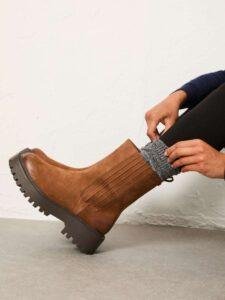
Heeled boots are usually called heeled boots, high-heeled boots, or heeled booties, depending on their height and design.
The name depends on more than the heel. Shaft height, toe shape, heel style, and boot shape all change the term shoppers use. This guide explains what are heeled boots called, how each style differs, and how to choose the right pair for comfort, fit, and occasion.

What are heeled boots called?
The simple answer is “heeled boots.” This broad term describes any boot with a raised heel, from a small block heel to a tall stiletto. Retailers may use more specific names based on the boot’s height, shape, and purpose.
For example, a short boot with a heel may be called a heeled ankle boot or heeled bootie. A tall boot with a heel may be called a heeled knee-high boot. A pointed pair with a very thin heel may be called high-heeled boots or stiletto boots.
What are heeled boots called in a shoe store? You may see several names for the same basic style:
• Heeled boots: The general term for boots with any raised heel.
• High-heeled boots: Boots with a noticeably tall heel, often used for dressy outfits.
• Heeled booties: Short boots that end at or near the ankle.
• Ankle boots with heels: A clear, practical term for short boots with a raised heel.
• Heeled knee-high boots: Boots that reach close to the knee.
• Heeled over-the-knee boots: Tall boots that extend above the knee.
• Platform boots: Boots with a raised sole under the front as well as a heel.
• Heeled cowboy boots: Western boots with a slanted or stacked heel.
The terms may overlap. A boot can be both a heeled ankle boot and a block-heel boot, for instance. The first name describes the height, while the second describes the heel shape.


The main types of heeled boots
Understanding boot names makes online shopping much easier. Product listings often use several style terms at once, so knowing each one helps you compare similar pairs.
Heeled ankle boots
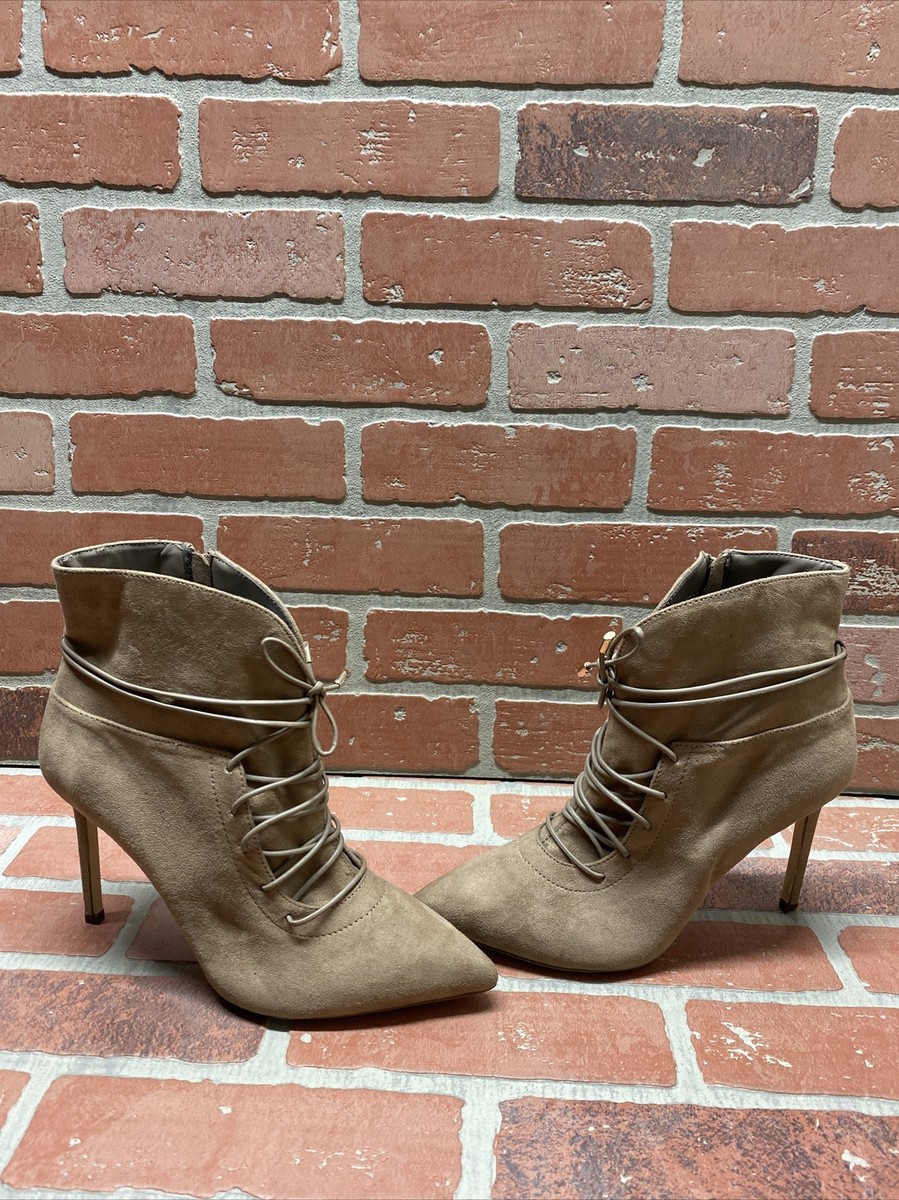
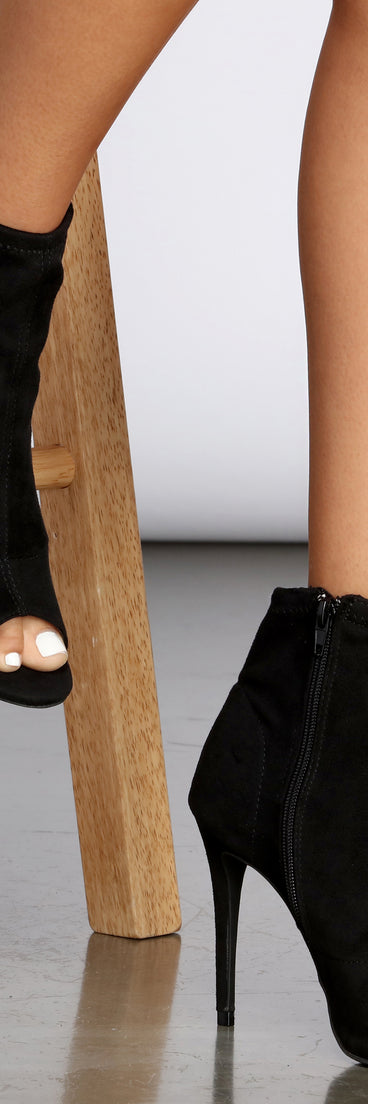
Heeled ankle boots stop at the ankle or just above it. Many people also call them heeled booties. They are among the most flexible styles because they work with jeans, trousers, skirts, and dresses.
A low or medium heel makes them useful for daily wear. A tall heel gives them a sharper evening look. In my experience, the most wearable pair has a stable heel, a padded footbed, and enough room for the toes to move.
Heeled Chelsea boots
Heeled Chelsea boots have elastic side panels and a close fit around the ankle. They usually have a pull tab at the back. The classic version has a low heel, but fashion versions may use a block heel or a platform sole.
They are easy to put on and remove. They also create a clean line under straight-leg jeans or tailored pants.
Heeled knee-high boots
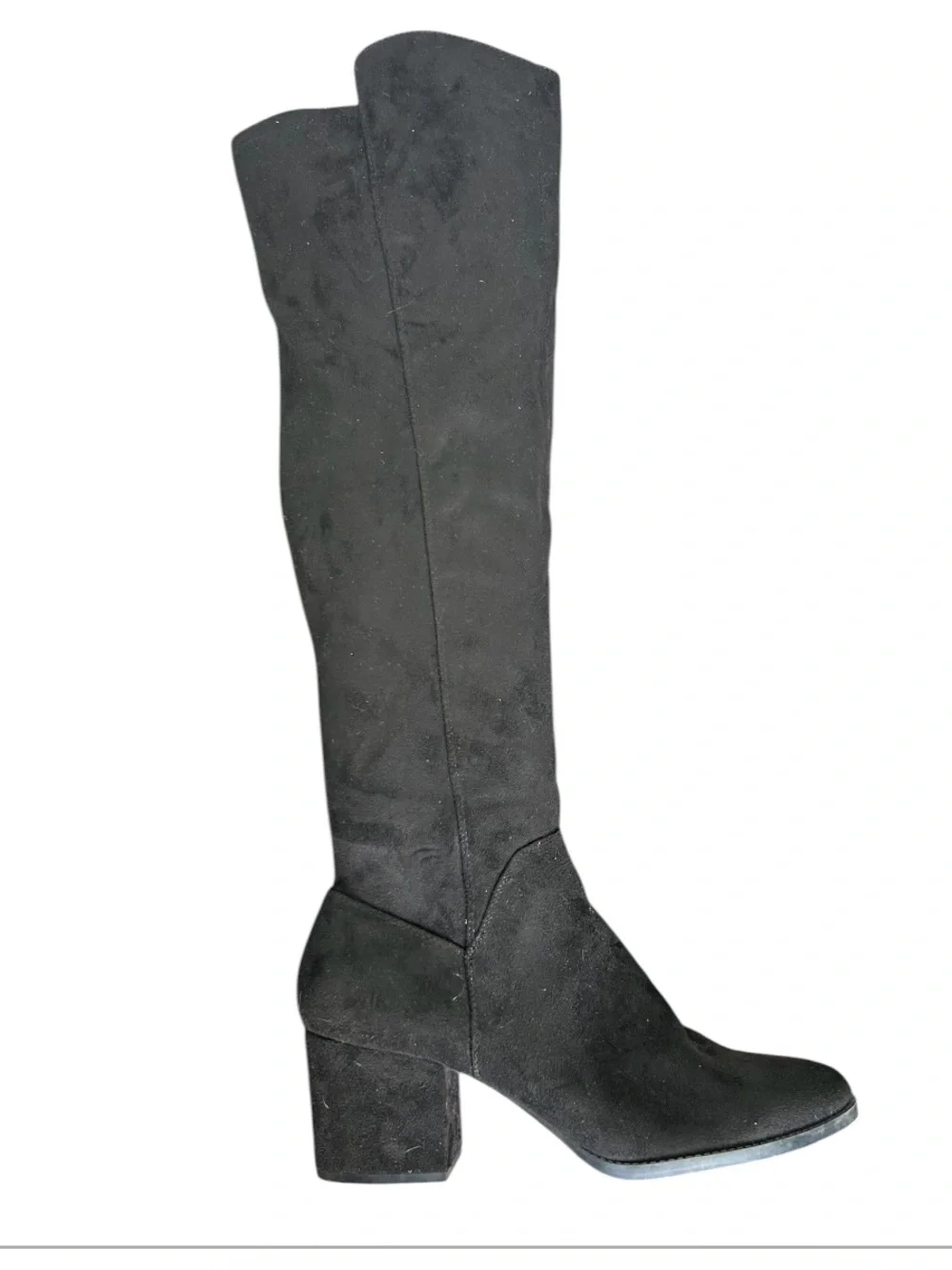
Heeled knee-high boots reach just below or around the knee. They can have a slim heel, a block heel, or a riding-inspired heel. These boots add warmth and coverage in cold weather while also working well with skirts and dresses.
Check the calf measurement before buying. A boot can fit the foot well but feel too tight around the calf.
Heeled over-the-knee boots
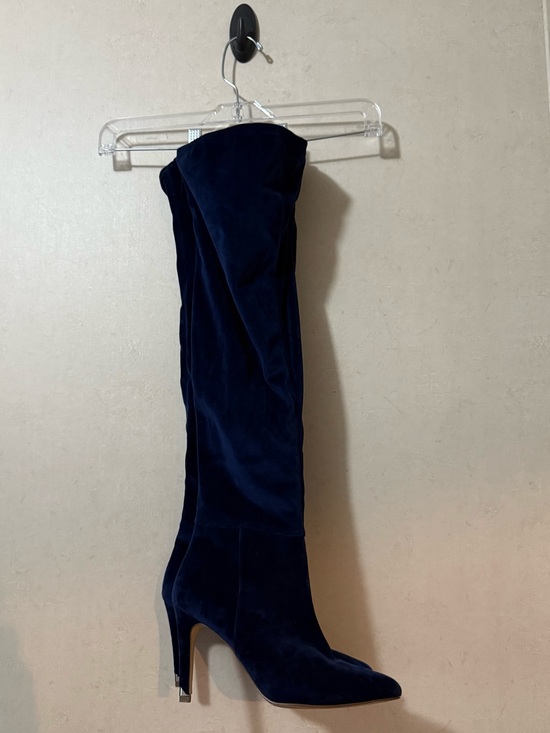
Heeled over-the-knee boots rise above the knee. They may have a fitted shaft, a loose shaft, or a stretchy upper. Many people wear them with short dresses, long sweaters, or slim jeans.
Because they cover much of the leg, the rest of the outfit often looks best when it stays simple. A lower heel can also make this bold style easier to wear during the day.
Heeled cowboy boots
Heeled cowboy boots have Western details. These may include a pointed toe, decorative stitching, a higher shaft, and a slanted heel. The heel is often stacked or covered in leather.
The heel on a cowboy boot has a practical history. It helps keep the foot secure in a stirrup. Modern versions may be made more for fashion, but the shape still reflects the original riding design.
Heeled combat boots
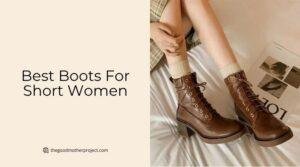
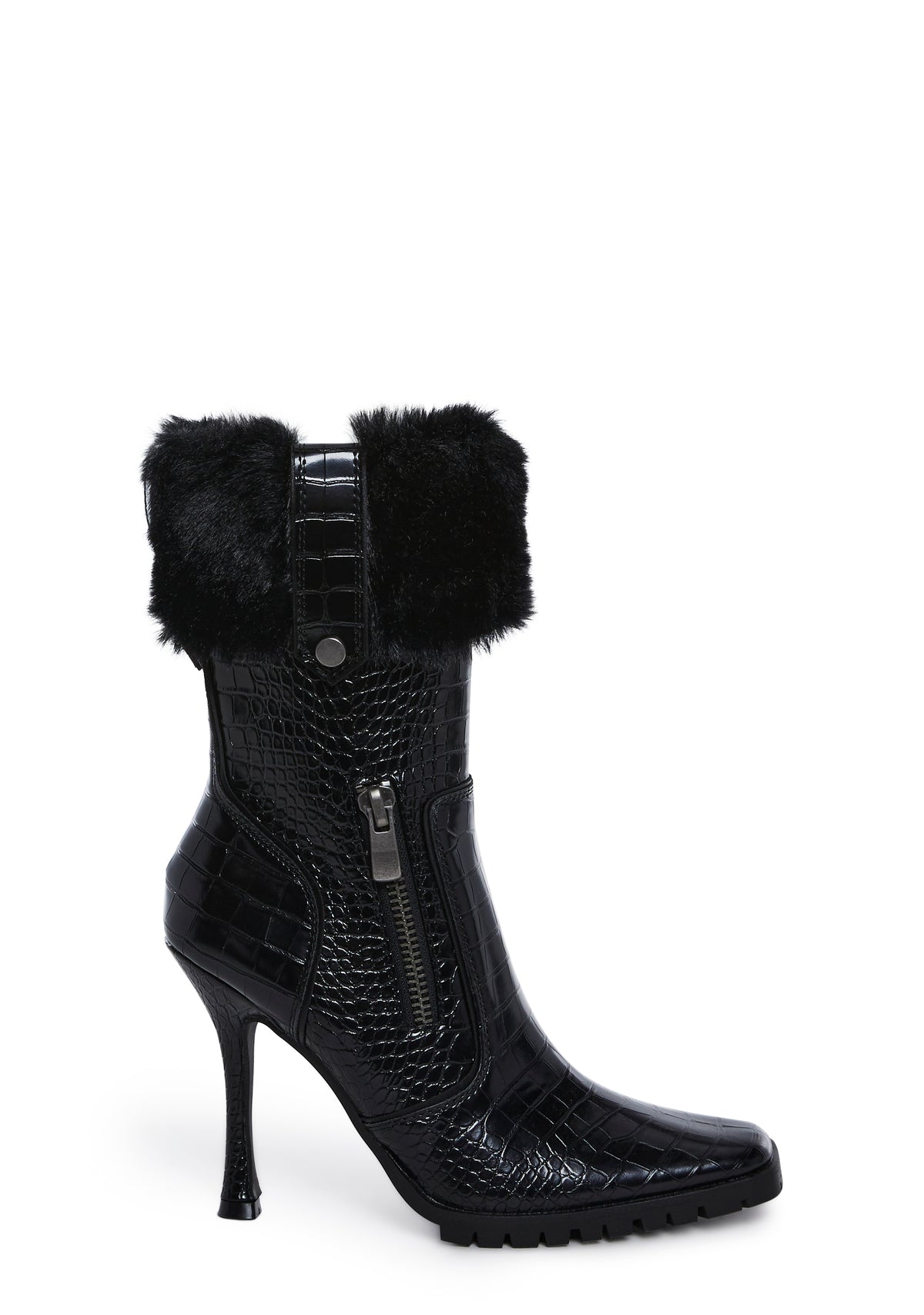
Heeled combat boots combine a lace-up or utility look with a raised heel. They may have a chunky platform, lug sole, or side zipper. This style adds height without looking as formal as a stiletto boot.
They are a useful choice if you want a strong, casual look. Look for a flexible sole and secure ankle support, especially if you plan to walk on uneven ground.


What are heeled boots called by heel type?
The heel itself often gives the boot its most useful fashion name. It also affects comfort, balance, and how long you can walk in the pair.
Block-heel boots
Block-heel boots have a wide, solid heel. The wider base spreads body weight over more surface area, which often makes them steadier than narrow heels.
They are a good starting point for people who want extra height without the sharp feel of a stiletto. A block heel can look polished with office clothes and relaxed with denim.
Stiletto boots
Stiletto boots have a very thin, high heel. They create a long, elegant shape and are common in evening footwear. However, the narrow heel requires more balance and may feel tiring after long periods of standing.
When trying them on, walk on a hard floor and turn slowly. If your ankle rolls or your toes slide forward, the fit or heel height may not be right.
Kitten-heel boots
Kitten-heel boots have a short, slender heel. The heel often measures about 1 to 2 inches, though exact sizing varies by brand.
They offer a dressier look than flat boots but usually feel less demanding than high heels. They work well with cropped pants, midi skirts, and simple dresses.
Wedge-heel boots
Wedge-heel boots have a heel that runs under part or all of the foot. Unlike a separate heel, a wedge creates one continuous support shape.
Many people find wedges easier to balance in. Still, a very tall wedge can feel stiff, so check whether the sole bends near the ball of the foot.
Cuban-heel boots
Cuban heels are short to medium heels with a slightly tapered shape. They are common on cowboy boots, Western boots, and some fashion ankle boots.
This heel gives a classic look without the extreme height of a stiletto. It can be a strong choice for someone who wants a traditional boot shape.
Stacked-heel boots
Stacked heels look like several layers of leather or wood placed together. They may be real layers or a molded material designed to look that way.
This style often appears on work boots, Western boots, and casual ankle boots. It gives the boot visual weight and can provide a stable walking base.
How heel height changes the name
Heel height is not always standardized across brands. One company may call a 2-inch heel low, while another may call it a medium heel. The label matters less than the actual measurement and how the boot feels on your foot.


• Low heel: Usually under 2 inches.
• Mid heel: About 2 to 3 inches.
• High heel: More than 3 inches.
• Very high heel: Often 4 inches or more, especially when paired with a platform.
Platform soles can change how a tall heel feels. For example, a 4-inch heel with a 1-inch platform may create a lower effective angle than a 4-inch heel with no platform. This does not make the boot risk-free, but it can reduce the steepness under the foot.
If comfort is your main goal, focus on the angle, heel width, cushioning, and fit. A short heel can still hurt if the toe box is narrow. A taller block heel can feel better when the shape supports your foot.

What are heeled boots called in different settings?
The same boot may have different names depending on where you see it.
In fashion stores, a short heeled boot may be listed as a heeled bootie. In workwear shops, a boot with a heel may be called a logger boot, engineer boot, or Western work boot. In formal footwear, the phrase high-heeled boot is more common.
Here are common terms by setting:
• Everyday fashion: Heeled ankle boots, heeled booties, or block-heel boots.
• Formal fashion: High-heeled boots, dress boots, or stiletto boots.
• Western wear: Cowboy boots, Western boots, or heeled Western boots.
• Riding-inspired fashion: Equestrian boots or heeled riding-style boots.


• Workwear: Logger boots, heel work boots, or wedge work boots.
• Cold-weather fashion: Heeled winter boots or heeled insulated boots.
Some names describe function rather than appearance. A logger boot may have a raised heel because of its work design. A cowboy boot may have a heel that helps the foot stay in a stirrup. A fashion boot may copy these details mainly for style.
How to choose comfortable heeled boots
Knowing what are heeled boots called is helpful, but fit matters more than the label. A beautiful boot will stay in the closet if it pinches, slips, or makes walking feel unsafe.
Use these practical checks when shopping:
-
Measure both feet. Many people have one foot slightly larger than the other. Choose a size that fits the larger foot.
-
Try boots on later in the day. Feet often swell after hours of activity, so an evening fitting can give a more realistic fit.
-
Wear the socks or tights you plan to use. Thick socks can change the fit of an ankle boot or tall boot.
-
Check the toe box. Your toes should not press against the front or feel squeezed from the sides.
-
Test your heel. A small amount of movement can be normal, but your heel should not lift sharply with each step.
-
Walk for several minutes. Take turns, climb a few steps, and stand still. Comfort should remain steady.
-
Inspect the sole. A rubber outsole can improve grip on wet or smooth surfaces.
-
Check the shaft. Tall boots should not cut into the calf or collapse around the ankle.
A common mistake is buying a tight boot because the upper feels stylish and sleek. Leather may soften, but it does not reliably stretch enough to fix serious pressure. If your toes are cramped in the store, they will likely remain cramped at home.
How to style different heeled boots
Heeled boots can change the balance of an outfit. The best pairing depends on the boot’s height, color, and shape.
With jeans
Wear heeled ankle boots with straight-leg, bootcut, or slim jeans. A small gap between the hem and boot can show the ankle, while a longer hem can create a smooth leg line.
Dark boots with dark jeans often make the legs look longer. Brown or tan boots add contrast and work well with blue denim.
With dresses and skirts
Heeled boots pair well with mini, midi, and maxi lengths. Ankle boots look modern with midi skirts, while knee-high boots add warmth under shorter skirts.
For a balanced outfit, consider the visual weight of the shoe. A chunky boot may look better with a heavier knit or structured jacket than with a very delicate dress.
With trousers
Pointed-toe heeled boots fit neatly under tailored trousers. Block-heel boots work well with wide-leg pants because the heel adds height and keeps the hem from dragging.
Make sure the trouser hem does not catch on the heel. This small issue can affect both comfort and safety.
With casual clothes
Combat boots, cowboy boots, and lug-sole boots make heeled footwear feel less formal. Pair them with a denim jacket, oversized sweater, or simple T-shirt for an easy everyday look.
The goal is contrast. A refined heel can look relaxed when the rest of the outfit is simple and practical.
Are heeled boots good for your feet?
Heeled boots are not automatically harmful, but heel height and fit can affect comfort. Higher heels shift more body weight toward the front of the foot. A narrow toe box can add pressure to the toes, while poor support may increase fatigue.
Medical guidance often recommends limiting long periods in very high heels and choosing shoes with a stable base. This advice is especially important for people with existing foot, ankle, knee, or back pain.
A few habits can help:
• Alternate heels with supportive flat shoes.
• Avoid wearing tall heels for long walks.
• Choose a wider heel for daily use.
• Use cushioning only if it does not make the boot too tight.
• Replace worn heel tips and slippery soles.
• Stop wearing a pair if it causes sharp pain, numbness, or repeated blisters.
A podiatrist can offer personal advice when pain continues. General shoe tips cannot replace an evaluation for an injury or medical condition.
What are heeled boots called compared with high heels?
High heels usually refer to shoes with a raised heel and an open or low-cut upper. Heeled boots cover more of the foot and often extend to the ankle, calf, knee, or thigh.
This difference affects both appearance and support. Boots may hold the ankle more firmly, but a tall heel can still place pressure on the front of the foot. A heeled pump and a heeled boot may have the same heel height but feel very different.
“Heeled boots” is the wider category. “High-heeled boots” is a more specific term for boots with a tall heel. “Heeled booties” describes the short version.
Buying tips for online shoppers
Online product names can be confusing. Start with the product details instead of relying only on the main title.
Look for:
• Heel height in inches or centimeters.
• Shaft height and calf circumference.
• Toe shape, such as round, almond, square, or pointed.
• Closure type, such as zipper, laces, elastic panels, or pull-on design.
• Upper material, such as leather, suede, synthetic leather, or textile.
• Outsole material and tread pattern.
• Customer comments about sizing and comfort.
Read reviews for repeated patterns rather than one opinion. If many buyers say the boot runs narrow, that detail is more useful than a single person saying it fits perfectly.
For leather boots, remember that natural materials can soften with wear. They still need to fit correctly from the start. A boot that is too short cannot be fixed by breaking it in.
Frequently asked questions about what are heeled boots called
What are short heeled boots called?
Short heeled boots are commonly called heeled ankle boots or heeled booties. They usually end at the ankle or slightly above it.
What are tall heeled boots called?
Tall heeled boots may be called heeled knee-high boots or heeled over-the-knee boots. The correct term depends on whether the shaft stops at the knee or rises above it.
What are boots with a thick heel called?
Boots with a thick heel are usually called block-heel boots or chunky-heel boots. If the heel has visible layers, they may also be called stacked-heel boots.
What are boots with thin high heels called?
Boots with thin, tall heels are called stiletto boots or high-heeled boots. They are often designed for dressy outfits and require more balance than wide-heel styles.
Are heeled booties the same as heeled ankle boots?
Yes, the terms often describe the same basic style. “Bootie” is a common fashion term for a short boot, while “heeled ankle boot” is a more direct description.
What are cowboy boots with heels called?
They are usually called cowboy boots or Western boots. When the heel is central to the product description, retailers may use the term heeled cowboy boots.
What are heeled boots called for winter?
They are commonly called heeled winter boots, heeled snow boots, or heeled insulated boots. The best term depends on whether the boot is made for fashion, warmth, snow, or wet conditions.
Conclusion
So, what are heeled boots called? The broad term is heeled boots, but more precise names include heeled booties, heeled ankle boots, block-heel boots, stiletto boots, cowboy boots, knee-high boots, and over-the-knee boots.
The right name comes from the boot’s shaft height, heel shape, heel height, and purpose. When choosing a pair, focus on fit, stability, toe room, grip, and the way you plan to wear them. Use these terms while shopping, compare the measurements, and choose a pair that looks good without asking your feet to suffer.

Madison Clark is a footwear expert and the voice behind MyStyleGrid.com. She specializes in honest shoe reviews, style tips, and practical guides to help readers find the perfect pair for any occasion. With years of experience in blogging and content creation, Madison makes footwear knowledge simple, stylish, and easy to follow.