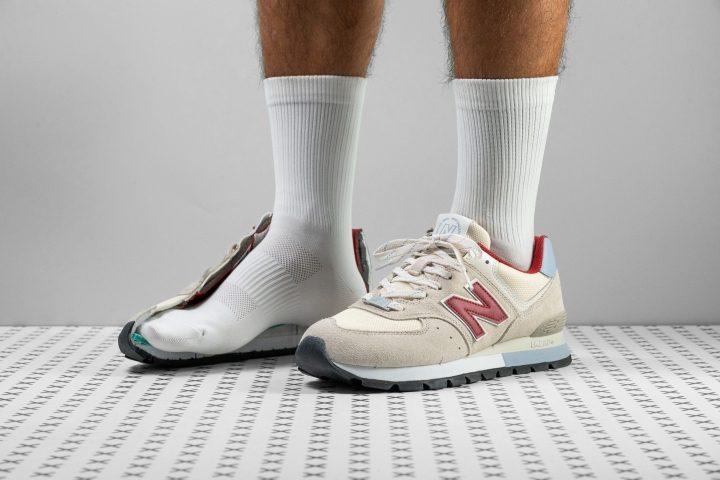
New Balance 574 shoes are comfortable lifestyle sneakers, but they are not ideal for serious running.
The New Balance 574 is one of the brand’s most famous casual shoes. It has a supportive feel, a roomy shape, and a durable rubber outsole. However, its classic design was made for everyday wear, not for the repeated impact and forward motion of road running. This guide explains when the New Balance 574 works well, where it falls short, and which runners should choose a true running shoe instead.
What Are New Balance 574 Shoes?
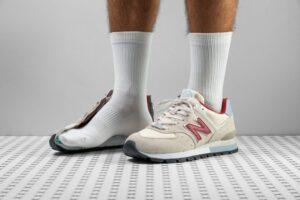
The New Balance 574 is a classic retro sneaker first released in the 1980s. It blends suede, mesh, foam cushioning, and a rubber outsole in a design that works well with jeans, work clothes, and casual outfits.
The shoe is often linked with comfort because of its padded collar, stable sole, and balanced fit. Still, comfort for walking is not the same as performance for running. Running shoes need more than soft padding. They must manage impact, support a smooth stride, and stay comfortable through hundreds of repeated steps.
The exact materials can vary by version. Some 574 models use traditional ENCAP midsole technology, while others may include different foam blends or updated construction. Always check the product details for the specific pair you plan to buy.

Are New Balance 574 Good Running Shoes?
For most runners, the answer is no. New Balance 574 shoes are fine for short, easy jogs, but they are not designed to replace modern running shoes.
The New Balance 574 has several qualities that may feel useful during light activity:
• A firm, stable platform
• A durable rubber outsole
• A comfortable upper for daily use
• A classic shape that suits many feet
• Moderate cushioning for walking and casual movement
The main issue is that the shoe is heavier and less flexible than most road-running shoes. It also lacks the specialized cushioning, rocker shape, breathable structure, and heel-to-toe transition found in dedicated running models.
In simple terms, the New Balance 574 is like a reliable city car. It can handle a short trip, but it is not built for a long race.

Why Some People Use New Balance 574 Shoes for Running
Some people choose New Balance 574 shoes because they already own them and like how they feel. If you need to run across a parking lot, catch a bus, or complete a short casual jog, the shoes may perform well enough.
The firm sole can also feel stable. Runners who dislike very soft foam may enjoy this solid sensation. The broad base may provide a secure feeling during slow movement, especially on smooth pavement.
However, a stable feel does not always mean better running support. A shoe can feel firm and secure while still lacking the flexibility and impact protection needed for regular training.
In my practical shoe evaluations, this is a common mistake. People often judge a running shoe by standing comfort alone. A shoe may feel great in a store but become hot, heavy, or tiring after several miles.
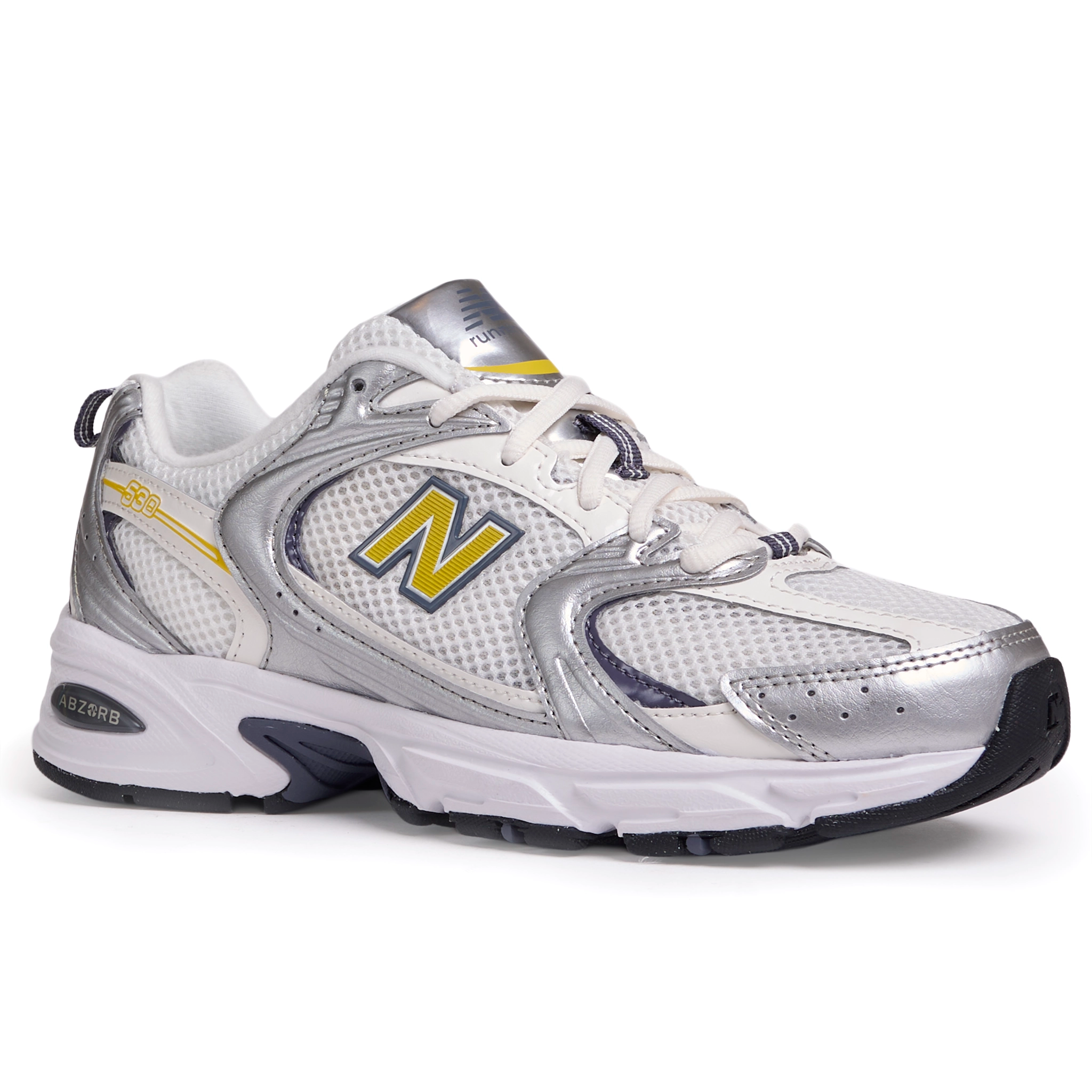
Key features of the New Balance 574
Cushioning
The New Balance 574 provides moderate cushioning, but it is not as soft or responsive as modern running shoes. Its midsole is designed to create a stable everyday feel rather than a springy ride.
This works well for walking and casual use. During running, however, the limited cushioning may become noticeable. The feet, ankles, knees, and hips receive repeated impact with every stride, so many runners benefit from a purpose-built running midsole.
Fit and upper
The 574 commonly has a comfortable, structured upper made with materials such as suede and mesh. The fit often feels secure around the heel and midfoot.
The downside is breathability. Suede panels can hold more heat than a lightweight engineered mesh upper. This may not matter during a short walk, but it can become uncomfortable during a warm-weather run.
New Balance often offers several width options, which is a major advantage. A proper width can reduce pressure on the toes and help prevent rubbing. Even so, fit alone does not turn a lifestyle sneaker into a running shoe.
Outsole and traction
The rubber outsole is one of the 574’s strongest features. It tends to hold up well on sidewalks, floors, and other firm surfaces.
Traction is suitable for daily use and light outdoor activity. It is not intended for technical trails, wet rocks, mud, or loose ground. Runners who train outside should choose a shoe with an outsole designed for their surface.
Weight and flexibility
Compared with lightweight running shoes, the New Balance 574 usually feels heavier and less flexible. This can make each step feel more demanding during longer runs.
A running shoe does not need to be extremely light, but excess weight may contribute to fatigue. Flexibility also matters because the foot needs to roll forward naturally from heel to toe.
 features of the New Balance 574″
style=”max-width: 100%; height: auto; border: 2px solid black; border-radius: 10px; display: block; margin: 0 auto;”
loading=”lazy”
/>
Benefits of Running in New Balance 574 Shoes
Although the New Balance 574 is not a top running shoe, it can still suit a few specific situations.
• Short jogs of one mile or less
• Occasional running at a slow pace
• Walking and daily commuting
• Gym sessions with limited treadmill use
• Warm-ups before strength training
• People who prefer a firm, stable shoe
The best use depends on your body, pace, surface, and running history. A healthy, experienced runner may tolerate a short jog in the 574 without trouble. A new runner, a heavier runner, or someone with previous foot pain may need more cushioning and support.
Start slowly if you decide to test them. Run for 10 to 15 minutes on a flat surface, then check how your feet and legs feel later that day and the next morning.

Drawbacks of Using New Balance 574 Shoes for Running
The main weaknesses become clearer as distance and speed increase.
Limited impact protection
The 574 may not absorb impact as effectively as a dedicated running shoe. This does not guarantee injury, but it can make running feel harder and less comfortable.
Less efficient stride
The shoe’s firm structure and limited flexibility may interfere with a smooth toe-off. Some runners may feel as if their feet are working harder to move forward.
More weight
Extra weight can matter during longer runs. It may not be noticeable during a five-minute jog, but it can become tiring over several miles.
Heat buildup
The classic materials may not ventilate as well as a modern running upper. Hot feet can lead to sweat, blisters, and general discomfort.
Limited motion control
The New Balance 574 offers general stability, but it is not designed to address specific running patterns. Runners with overpronation, very high arches, or other support needs should seek professional fitting advice.

New Balance 574 vs. Dedicated Running Shoes
A true running shoe is designed around the needs of repetitive forward motion. It often includes lighter foam, a more flexible forefoot, breathable mesh, and geometry that helps the foot transition through each stride.
The New Balance 574 is designed more for lifestyle use. It focuses on appearance, everyday comfort, durability, and a classic feel.
| Feature | New Balance 574 | Dedicated running shoe |
|---|---|---|
| Main purpose | Walking and casual wear | Running and training |
| Cushioning | Moderate and firm | Designed for repeated impact |
| Weight | Usually heavier | Often lighter |
| Flexibility | Moderate | Tuned for a running stride |
| Breathability | Moderate | Usually higher |
| Best surface | Pavement and daily use | Road, track, or trail, depending on model |
| Long-distance comfort | Limited for many runners | Usually better |
This comparison explains why New Balance 574 shoes may feel fine for daily life but less comfortable during regular running.

Who Should Avoid Running in New Balance 574 Shoes?
You may want to avoid using the 574 as your main running shoe if you have any of these concerns:
• Recurring heel or arch pain
• Knee, hip, or lower-leg discomfort
• A history of stress injuries
• Plans to run more than a few miles
• Frequent speed workouts or hill training
• Training for a race
• A need for strong stability or motion control
Pain is a useful warning, not something to ignore. If discomfort appears during or after a run, stop and review your shoes, training load, surface, and running form. Persistent pain deserves assessment from a qualified medical professional or sports podiatrist.
One lesson I have seen repeatedly in shoe testing is that worn-out comfort can be misleading. A familiar shoe may feel safe because it feels familiar. That does not mean it still offers the right protection for your current training.
How to Test New Balance 574 Shoes for a Short Run
If you already own a pair and want to try them, use a gradual test.
- Check the outsole for uneven wear, cracks, or smooth sections.
- Make sure your toes can move without pressure.
- Wear running socks that reduce moisture and friction.
- Walk for 10 minutes before jogging.
- Run on a flat, familiar surface.
- Keep the first test under 15 minutes.
- Check for hot spots, numbness, rubbing, or pain.
- Stop if your stride feels forced or uncomfortable.
- Review how your feet and legs feel the next morning.
- Replace them with running shoes if discomfort continues.
Do not use a brand-new pair for a long run. Give the shoes and your feet time to adjust. Also, do not assume that a wide shoe solves every problem. Width helps fit, but it does not provide the cushioning or structure required for long-distance running.
How Long Do New Balance 574 Shoes Last?
The lifespan of New Balance 574 shoes depends on use, body weight, walking style, weather, and surface. A pair used for casual wear may last much longer than one used for daily running.
Look for these replacement signs:
• Flattened or uneven midsole foam
• Worn-down tread
• Creasing that changes the shoe’s support
• New foot, knee, or ankle discomfort
• A tilted feeling when standing
• Visible separation between the upper and sole
There is no perfect mileage number for a lifestyle shoe. Running shoes often need replacement based on wear and comfort rather than appearance alone. If the 574 becomes your regular running shoe, inspect it more often because running creates more stress than walking.
Better New Balance Options for Running
New Balance makes several shoe families designed specifically for running. The right choice depends on your foot shape, training goals, preferred cushioning, and running surface.
Consider these general categories:
• Daily trainers for regular road running
• Cushioned shoes for soft, comfortable mileage
• Stability shoes for runners who need added guidance
• Lightweight shoes for faster workouts
• Trail shoes for dirt, rocks, and uneven ground
• Racing shoes for experienced runners and competition
Models change over time, so focus on the shoe’s purpose rather than choosing a pair only because it has the New Balance name. Visit a specialist running store when possible. A gait check and proper measurement can help you avoid buying a shoe that is too short, too narrow, or too soft.
Your best running shoe should feel comfortable from the first walk. It should hold your heel securely, leave enough toe room, and allow a natural stride without pressure points.
Tips for Choosing Running Shoes
Use these simple checks before buying:
• Shop later in the day, when feet may be slightly swollen.
• Wear the socks you normally use for running.
• Leave about a thumb’s width between your longest toe and the front.
• Compare both feet because they may differ in size.
• Walk and jog in the shoes if the store allows it.
• Check whether your heel slips or your toes hit the front.
• Choose function over color or fashion.
• Replace shoes gradually rather than changing everything at once.
Running shoe choice is personal. Research can explain general design features, but it cannot predict exactly how every shoe will feel on your feet. Comfort, fit, and lack of pain remain important practical measures.
Are New Balance 574 Good Running Shoes? The Final Verdict
New Balance 574 shoes are good for walking, casual wear, commuting, and very short occasional jogs. They offer a firm feel, dependable everyday traction, and a classic design that many people enjoy.
They are not the best choice for regular running, long distances, speed work, or race training. Their weight, limited flexibility, moderate cushioning, and lifestyle-focused construction can reduce comfort and increase fatigue for many runners.
If you only need a versatile everyday sneaker, the 574 can be a smart choice. If running is a regular part of your routine, choose a dedicated running shoe built for your distance, surface, and foot needs.
Frequently Asked Questions
Are New Balance 574 shoes good for walking?
Yes, New Balance 574 shoes are generally well suited to walking and everyday use. Their firm platform, durable outsole, and supportive upper make them practical for errands, commuting, and casual activities.
Can I run a mile in New Balance 574 shoes?
You may be able to run a mile in them if they fit well and cause no discomfort. However, regular mile training is better supported by a dedicated running shoe with lighter cushioning and improved flexibility.
Are New Balance 574 shoes good for treadmill running?
They can work for a short, easy treadmill session, especially if you already find them comfortable. For frequent treadmill workouts, a true running shoe will usually provide better impact management, breathability, and stride support.
Are New Balance 574 shoes good for people with flat feet?
The 574 may feel stable because of its firm base, but it is not a specific flat-foot or overpronation shoe. People with flat feet and recurring pain should seek a proper fitting and consider a running model with suitable stability features.
Are New Balance 574 shoes good for long-distance running?
No, they are not the best choice for long-distance running. Their heavier build, moderate cushioning, and lifestyle design may lead to discomfort and fatigue over longer distances.