Calculate total material, labor, overhead, tooling, and logistics, then divide by units produced.
I’ve built and audited sneaker production budgets for startups and brands. I will walk you through exactly how to calculate sneaker production cost per pair, step by step. You’ll learn every cost line to track, simple formulas to use, real numbers to model, and practical tips I learned the hard way to avoid surprises and protect margin. Read on to gain a clear, repeatable method for accurate per-pair costing.
.webp?width=650&height=374&name=pricing%20strategy%2C%20selling%20price%20=%20base%20price%20+%20(demand%20factor%20%C3%97%20base%20price).webp)
Why knowing how to calculate sneaker production cost per pair matters
Knowing how to calculate sneaker production cost per pair helps you price sneakers, forecast profit, and negotiate with factories. It also helps you find savings that won’t hurt quality. If you skip parts of the math you will underprice or lose money.
I’ve seen teams focus only on materials and ignore tooling or freight. That mistake erased margins on launch runs. A full, transparent cost per pair lets you set a realistic retail price and plan production runs with confidence.
Core components to include when you calculate sneaker production cost per pair
You must include direct costs and allocated indirect costs. Here are the main components to track.
Materials (Bill of Materials)
- Upper materials. Leather, mesh, knit, overlays, linings. List cost per unit area or per panel.
- Midsole and outsole. Foam, rubber, TPU. Cost per pair or per kilo converted to pair.
- Small parts. Laces, eyelets, insoles, labels. Sum per pair.
Direct labor
- Cutting, stitching, lasting, finishing. Cost per hour times time per pair.
- Productivity. Convert factory hourly wages into labor per pair.
Tooling and molds
- Lasts and molds. One-time costs amortized across the run.
- Sample tooling and modifications. Include amortization in per-pair cost.
Overhead and factory fees
- Factory overhead. Electricity, floor space, supervision. Allocate per pair.
- Quality control inspections and rework.
Packaging and labeling
- Boxes, bags, swing tags. Cost per unit plus design or printing setup amortized.
Logistics and duties
- FOB or EXW costs, inland transport, ocean/air freight, insurance.
- Customs duties, VAT, and handling fees. Convert to cost per pair.
Waste, yield, and QA rejects
- Scrap rate. Add a buffer (for example 2–8%) to cover defective pairs.
Other costs to include
- Design and development amortization. Spread design costs over production.
- Testing and certifications. Per-pair share of lab or compliance tests.
- Returns and warranty reserves. Small reserve per pair for expected returns.
Simple formulas and a step-by-step calculation
Use these formulas to get from estimates to a per-pair number.
Step 1 — Build the Bill of Materials (BOM)
- Sum every material cost per pair. BOM = material1 + material2 + … materialN.
Step 2 — Calculate direct labor per pair
- Labor per pair = (time per pair in hours) × (factory wage per hour) × (add payroll taxes/benefits factor).
Step 3 — Amortize tooling and development
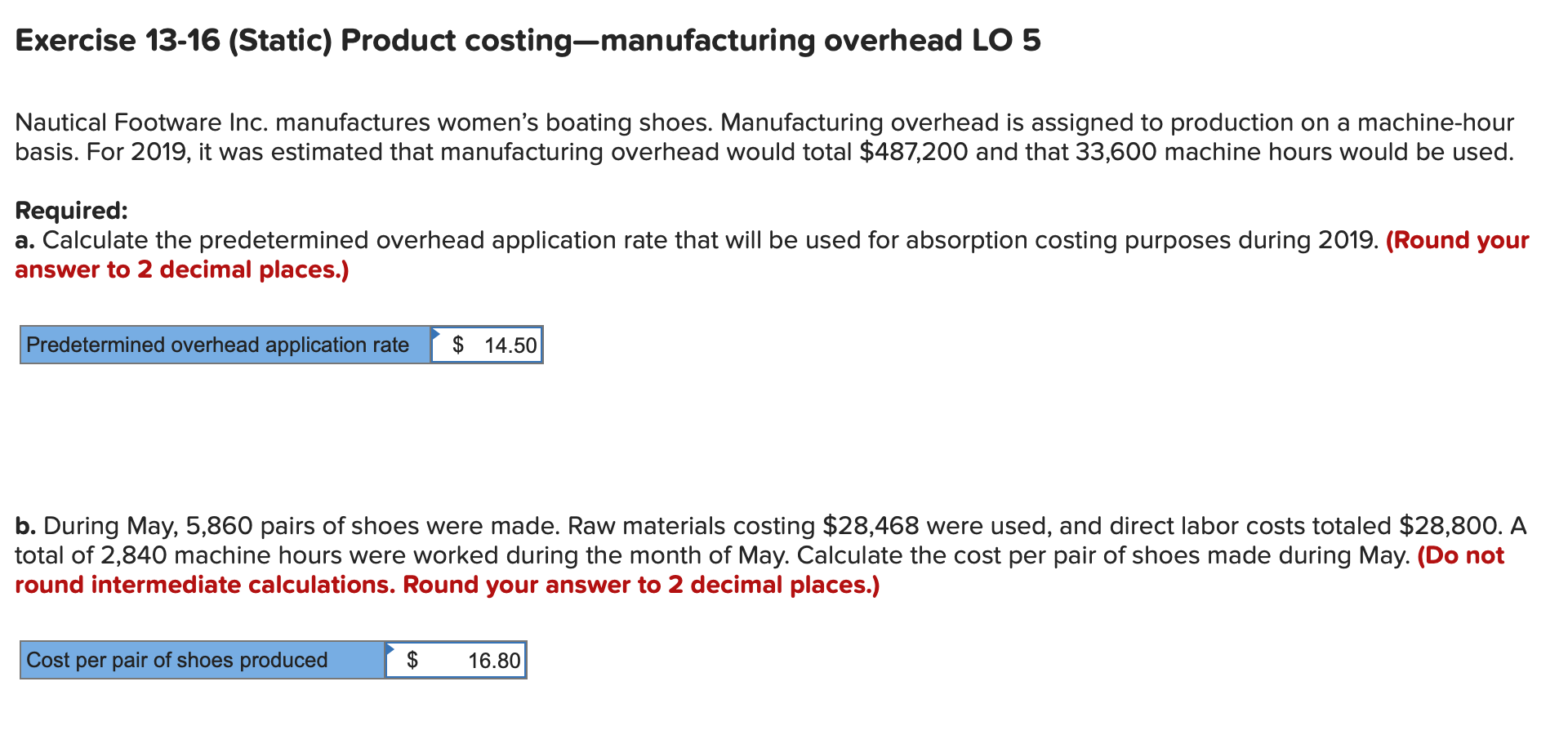
- Tooling per pair = tooling cost ÷ total run size.
- Development per pair = design cost ÷ total run size.
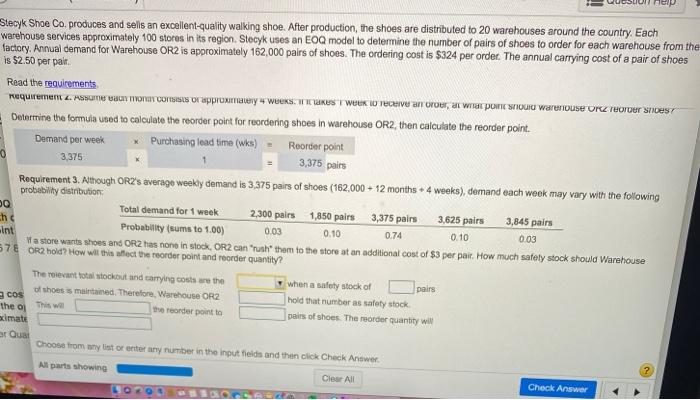
Step 4 — Allocate overhead
- Overhead rate = total monthly factory overhead ÷ monthly production units.
- Overhead per pair = overhead rate × units in your run.
Step 5 — Add packaging, logistics, duties
- Packaging per pair = box + bag + inserts.
- Freight per pair = total freight cost ÷ units shipped.
- Duties per pair = landed duty amount ÷ units.
Step 6 — Adjust for yield and add contingency
- Effective units = ordered units × (1 – scrap rate).
- Adjusted cost per pair = total costs ÷ effective units.
- Add contingency (1–3%) if needed.
Final formula (compact)
- Cost per pair = (Total materials + Total labor + Tooling amortization + Overhead + Packaging + Freight + Duties + Reserves) ÷ Effective units.
Example with numbers
- Materials per pair = $12
- Labor per pair = $4
- Tooling amortization per pair = $1.50
- Overhead per pair = $2
- Packaging per pair = $0.80
- Freight and duties per pair = $1.70
- Scrap reserve per pair = $0.50
- Total cost per pair = $22.50
That $22.50 is your production cost per pair. Add your target margin and other selling expenses to set price.
How to allocate overhead and amortize tooling correctly
Choosing the right allocation method matters. Use practical approaches that reflect reality.
Common allocation methods
- Units method. Divide overhead by estimated production units. Simple and common.
- Machine hours or labor hours. Use when costs correlate to machine or labor time.
- Activity-based costing. Best for complex operations with many SKUs.
Tooling amortization tips
- Use the expected useful run size. Be conservative if unsure.
- Recalculate amortization if you increase or reduce run size.
- Treat prototype and sampling costs separately from production tooling.
Practical rule
- If tooling is $10,000 and run is 5,000 pairs, tooling per pair = $2. If you later produce 10,000 pairs, tooling per pair drops to $1. Plan for both scenarios.
Pricing, markup, and margin: from cost per pair to retail price
Knowing production cost per pair is step one. Use it to build pricing.
Simple retail target
- Target retail = production cost per pair × (1 + desired gross margin).
- Example: If cost per pair is $22.50 and desired margin is 60%, retail = $22.50 ÷ (1 – 0.60) = $56.25.
Include channel costs
- Wholesale vs direct-to-consumer. Wholesale margin demands different pricing than DTC.
- Add marketing, distribution, platform fees, and returns to set net profit targets.
Test pricing with elasticity
- Run small tests on DTC to judge consumer willingness to pay before large production runs.
Ways to reduce sneaker production cost per pair (without killing quality)
You can lower cost per pair while keeping value. Here are actionable levers.
Negotiate materials
- Buy in bulk or consolidate suppliers to lower material cost per kilo.
- Consider alternative materials that maintain performance but cost less.
Optimize design
- Simplify construction to reduce labor minutes.
- Reduce parts count. Fewer panels and fewer stitching operations cut labor.
Increase run size
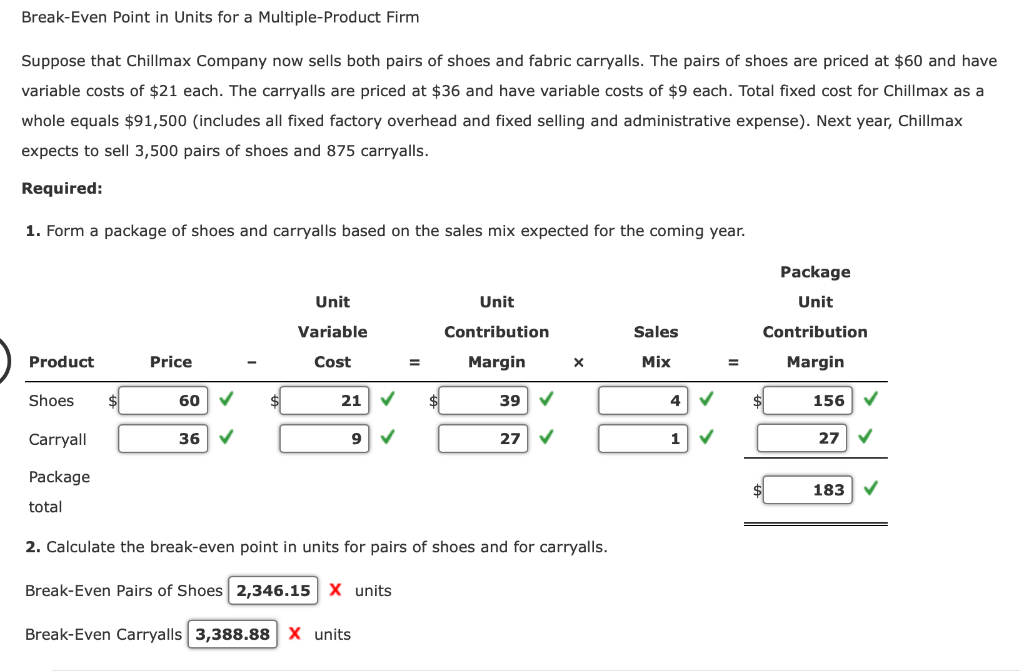
- Larger runs amortize tooling and setup costs over more units.
Improve yield
- Work with factories to lower defect rates through training and better QC.
- Inspect incoming materials to avoid scrap.
Logistics optimization
- Consolidate shipments, use sea freight for non-urgent orders, and use Incoterms that suit your cash flow.
Sustainability trade-offs
- Some eco-materials cost more. Choose where premium materials add real brand value.
Common mistakes and pitfalls when you calculate sneaker production cost per pair
Avoid these real-world traps I’ve seen often.
Ignoring hidden costs
- Failing to include duties, inspections, or returns will understate cost.
Using optimistic yield
- Overestimating factory yield can make costs look better than reality.
Not updating BOM
- Design tweaks change costs. Recalculate after every sample change.
Relying only on unit quotes
- Get detailed cost breakouts. A low per-pair quote might hide high tooling or freight.
Skipping small items
- Laces, glue, labels add up. Track every line item.
Personal experience and lessons learned
I once helped a brand that ordered 3,000 pairs. They ignored tooling amortization and used optimistic yield. At delivery their real cost per pair jumped 15% and margins vanished. We fixed it by renegotiating materials, improving QC, and splitting the order into two runs to reduce rush fees. The brand recovered profitability within the next season.
Practical tips from my work
- Always get a detailed cost sheet from the factory.
- Build a simple spreadsheet to recompute per-pair cost when any input changes.
- Use conservative yield and add a small contingency for unexpected fees.
Quick search questions about how to calculate sneaker production cost per pair
What is the difference between FOB and landed cost?
- FOB is the factory price at port of origin. Landed cost includes freight, insurance, duties, and inland transport to the destination warehouse.
How do I estimate labor per pair?
- Time a sample pair or get factory time studies. Multiply minutes per pair by hourly wage and add payroll taxes.
How do scrap rates affect cost per pair?
- Higher scrap reduces effective units. Divide total production costs by effective units after scrap to get true per-pair cost.
Frequently Asked Questions of how to calculate sneaker production cost per pair
What is the simplest way to calculate sneaker production cost per pair?
Add all costs (materials, labor, tooling, overhead, packaging, freight, duties) and divide by the number of good pairs produced. Include a small reserve for scrap and returns.
How do I include tooling costs in the per-pair price?
Divide total tooling cost by expected run size. Add that result to the per-pair cost as tooling amortization.
Should I use FOB or landed costs for pricing?
Use landed costs to set retail prices and margins. Landed cost gives a full view of what it costs to have the product in your warehouse.
How do I estimate labor time per pair if the factory won’t share rates?
Request time studies or time-the-sample yourself during prototyping. Use conservative estimates and validate with a small pilot run.
How does run size affect cost per pair?
Larger runs reduce fixed costs per pair, like tooling and setup, lowering the unit cost. But larger runs increase inventory risk.
Can design changes after sampling change cost per pair?
Yes. Any design tweak can change materials, labor minutes, and yield. Recalculate costs after each design change.
Conclusion
Tracking how to calculate sneaker production cost per pair gives you control over pricing, margin, and product decisions. Use a clear BOM, include tooling and logistics, allocate overhead sensibly, and build a simple model you update each time something changes. Start with conservative yields and include small contingencies. Take action today: create a one-page cost sheet for your next sample run, run the numbers, and use the results to negotiate smarter with suppliers. Leave a comment with your cost challenges or subscribe for a template to calculate costs easily.

Rubel Miah is the Senior Editor at MyStyleGrid.com, where he brings a sharp editorial eye and an unshakable love for fashion to everything he does. A true style addict, Rubel lives and breathes trends, from streetwear to high fashion, and has a knack for turning inspiration into impactful stories. With years of experience in fashion journalism and digital media, he curates content that empowers readers to express themselves through style. When he’s not editing features or forecasting the next big thing, you’ll find him hunting down vintage pieces or capturing street style moments around the city.