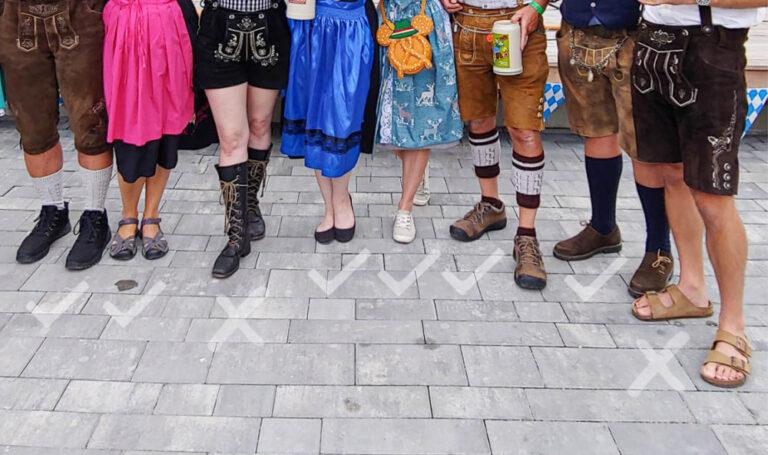
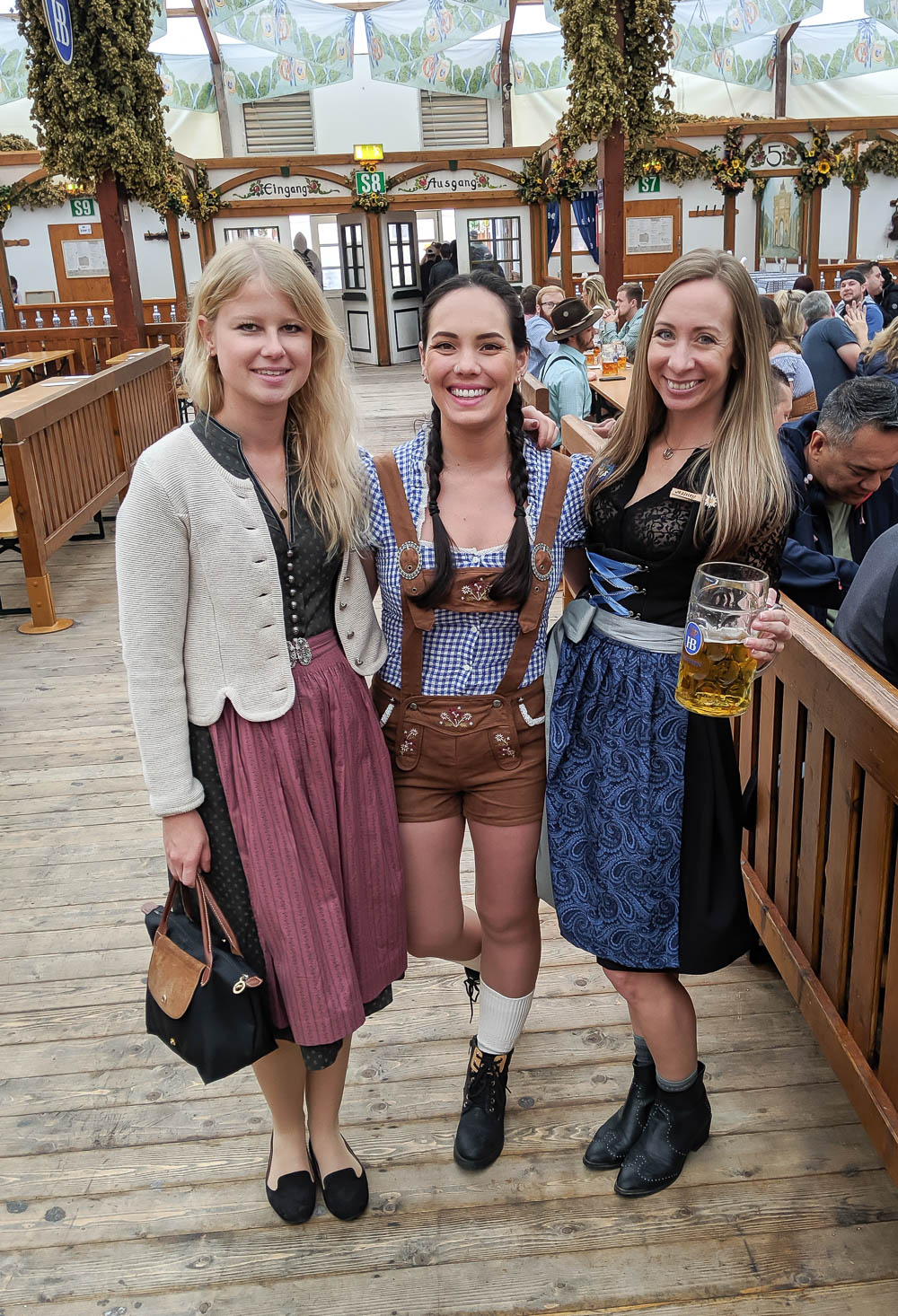
The best shoes to wear with a dirndl are comfortable flats, low heels, ankle boots, or traditional Bavarian shoes.
Choosing what shoes to wear with a dirndl is about more than matching colors. The right pair should suit the dirndl’s length, fabric, setting, and your comfort needs. After helping style traditional and modern Alpine outfits, I have learned that the best shoes complete the look without competing with the dress. This guide explains each option, from classic Haferlschuh shoes to simple ballet flats and practical boots.
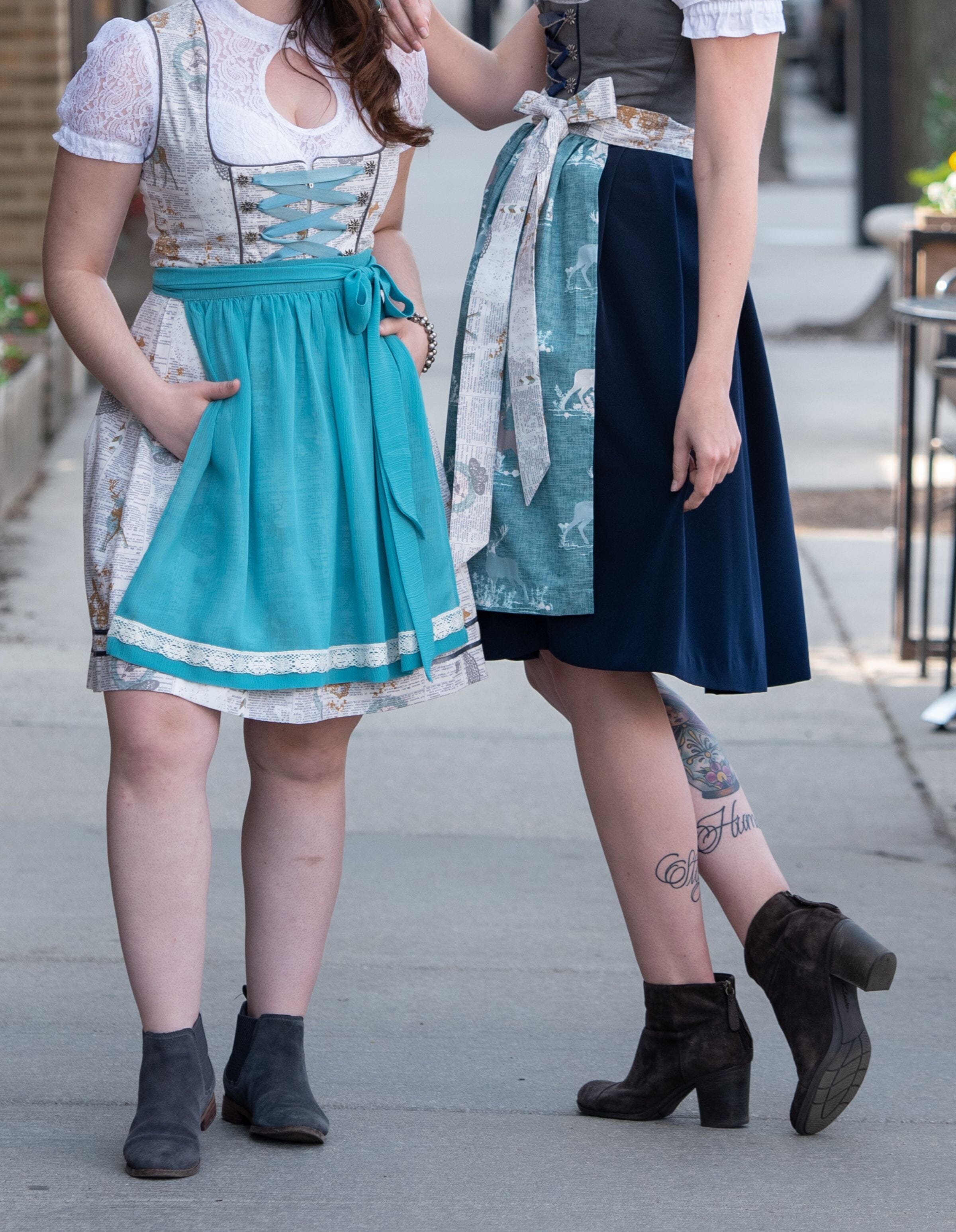
What Shoes to Wear With a Dirndl: The Best Options
A dirndl has a fitted bodice, full skirt, and apron. Its shape feels playful and feminine, so the shoes should support that look. You do not need an expensive pair or a very high heel. A neat, well-fitted shoe often looks more authentic and polished than a trendy style that feels out of place.
The most popular shoes to wear with a dirndl include:
• Traditional Haferlschuhe, also called Bavarian leather shoes
• Ballet flats or Mary Jane shoes
• Low block heels
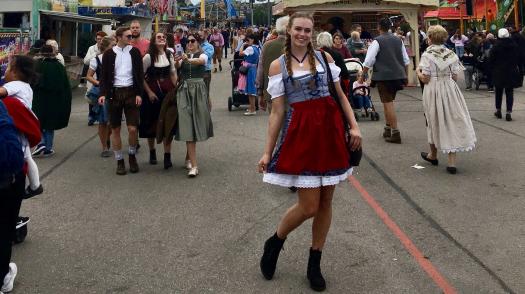
• Ankle boots
• Knee-high boots
• Simple leather loafers
• Clean white or neutral sneakers for a modern outfit
Your choice depends on the event. A folk festival may call for sturdy shoes, while a wedding or formal party may suit a low heel. For long celebrations, comfort should guide your final choice.
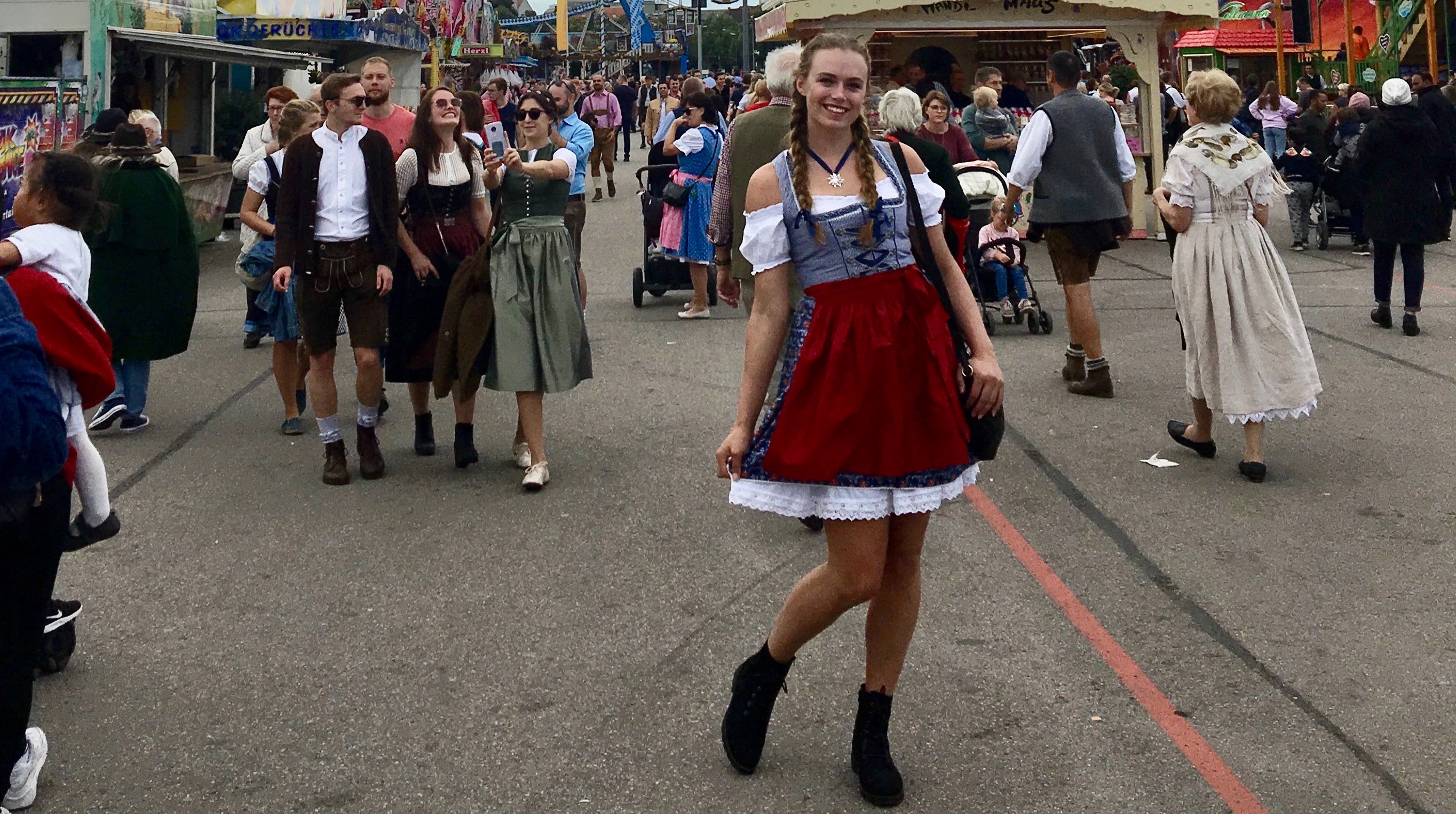
Traditional Haferlschuhe for an Authentic Look
Haferlschuhe are among the most traditional shoes to wear with a dirndl. These shoes are linked to Alpine clothing and often feature leather uppers, side lacing, and a sturdy sole. They are usually worn with traditional Bavarian or Austrian outfits.
Women’s Haferlschuhe may look slightly softer and more refined than men’s versions. Common colors include brown, black, gray, and muted green. Some styles have small decorative details, such as stitching, buckles, or floral accents.
Haferlschuhe work especially well with:
• A cotton or linen dirndl
• A long or midi dirndl skirt
• A rustic Oktoberfest outfit
• A dirndl with an embroidered apron
• Outdoor events on grass or cobblestones
These shoes are practical because they offer firm support. They also create a clear connection to Alpine dress without making the outfit look like a costume.
One styling lesson I learned early is that traditional shoes do not need to look old-fashioned. A slim leather Haferlschuh in dark brown can look clean and current when paired with a simple dirndl and a small crossbody bag.
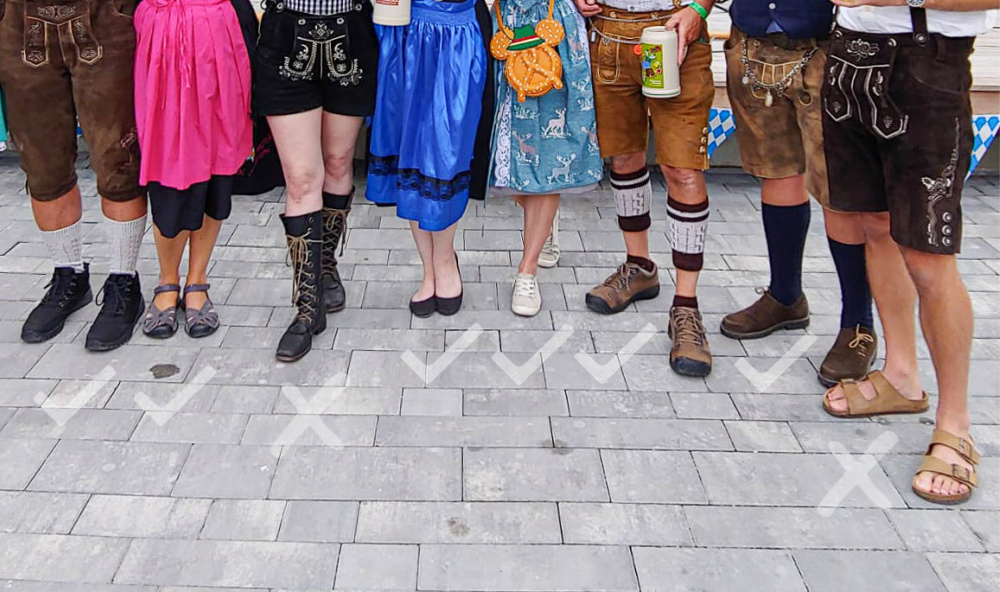
Ballet Flats and Mary Jane Shoes
Ballet flats are some of the easiest shoes to wear with a dirndl. They are soft, light, and easy to walk in. Their simple shape also lets the dirndl remain the main focus.
Mary Jane shoes offer a slightly more structured look. Their strap keeps the shoe secure and adds a sweet vintage touch. Choose a rounded toe for a traditional feel or a square toe for a more modern outfit.
Good colors include:
• Black for a classic contrast
• Brown for a warm, traditional style
• Cream or beige for a soft summer look
• Burgundy for an autumn festival
• Dark green or navy for a rich Alpine palette
Flats are ideal if you plan to stand, walk, or dance for many hours. However, very thin soles may offer little support on hard ground. Look for cushioned insoles and a firm sole if you expect a long day.
When considering what shoes to wear with a dirndl, ballet flats are a safe choice for beginners. They are easy to style, rarely look excessive, and work with both short and traditional-length dirndls.
.jpg?ts=1728484505)
Low Heels and Block Heels
Low heels add height while keeping the outfit comfortable. A block heel is usually more stable than a thin stiletto, especially on uneven streets or grassy festival grounds.
A heel between one and two inches often works well. It gives the skirt a little lift but does not change the relaxed spirit of the dirndl. Round-toe pumps, T-strap shoes, and low slingbacks can all work.
Choose low heels for:
• A formal Oktoberfest dinner
• A dirndl wedding guest outfit
• A restaurant celebration
• A shorter dirndl with a polished finish
• Indoor events with smooth floors
Avoid very high heels unless the event is formal and you already know you can wear them comfortably. High heels can make the outfit look less traditional. They may also become painful after several hours of walking and dancing.
A useful trick is to bring foldable flats in your bag. I have seen many carefully styled outfits saved by a comfortable backup pair after the first few hours.

Ankle Boots With a Dirndl
Ankle boots are practical and stylish shoes to wear with a dirndl, especially in fall and winter. They add warmth and give the outfit a slightly modern edge.
Leather or suede boots usually look best. Choose a rounded or almond toe instead of a very sharp fashion toe. A short, stable heel can add shape without making the boots hard to walk in.
Ankle boots pair well with:
• Wool or velvet dirndls
• Dark floral prints
• Midi-length skirts
• Rustic outdoor events
• Brown, burgundy, or forest-green accessories
Black boots create a strong contrast. Brown boots feel softer and more traditional. Taupe and tan boots work well with cream aprons or pastel dirndls.
Try to avoid bulky boots that hide too much of the ankle. The narrow space between the hem and shoe helps keep the outfit balanced. If the boot shaft is wide, the skirt may appear heavy around the legs.
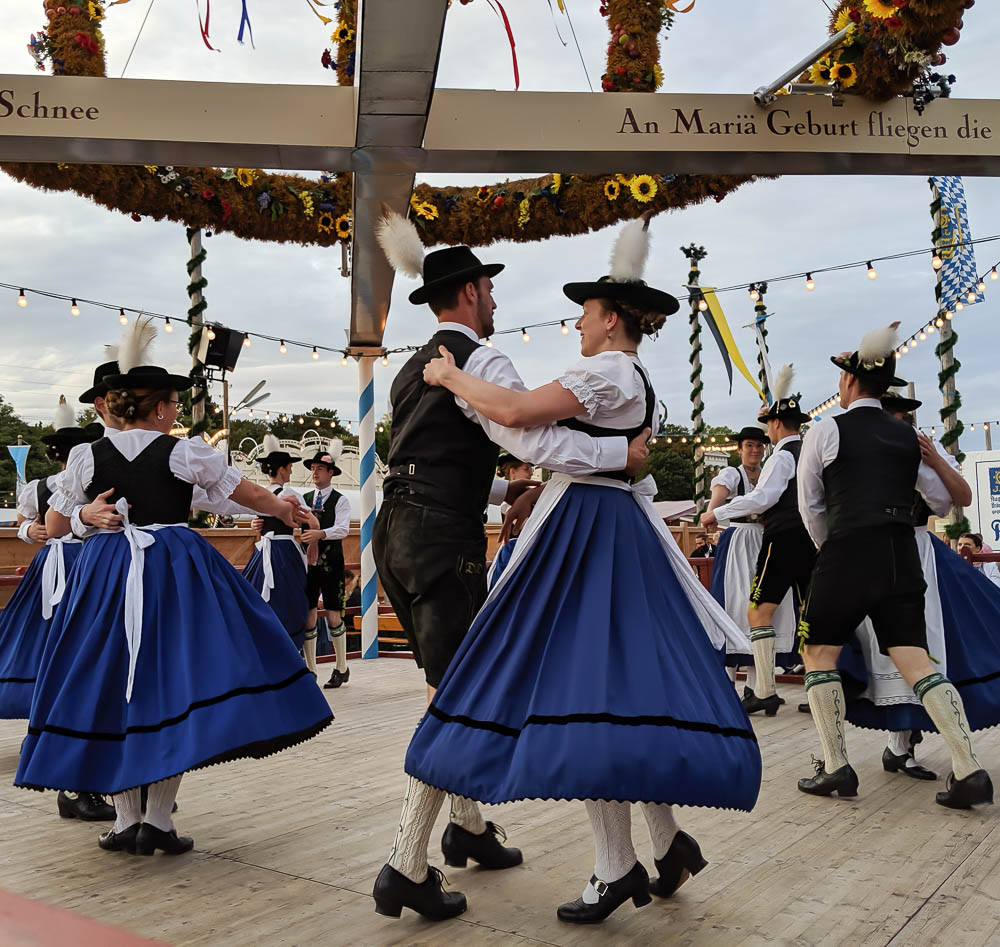
Knee-High Boots for Cooler Weather
Knee-high boots can look elegant with a dirndl when the skirt falls near the knee or lower calf. They provide warmth and create a smooth line under the full skirt.
Flat riding boots are a strong choice for outdoor events. Low-heeled leather boots work well for a dressier appearance. Suede boots can look beautiful, but they may stain in wet weather.
When wearing knee-high boots, check these details:
• The boot should fit securely around your calf.
• The skirt should not bunch awkwardly over the shaft.
• The heel should feel stable on the ground.
• The boot color should relate to the apron, bag, or belt.
• Thick socks should not make the boots too tight.
Knee-high boots are less traditional than Haferlschuhe, but they can still look tasteful. They are especially useful for cold-weather festivals when comfort and warmth matter as much as appearance.

Sneakers With a Dirndl: Can They Work?
Yes, clean sneakers can work with a dirndl. This is a modern styling choice, not the most traditional one. It suits casual events and people who want to walk comfortably.
White leather sneakers are the easiest option. Low-profile canvas sneakers can also work with a short cotton dirndl. Avoid running shoes with bright logos, thick soles, or technical mesh. Those details may clash with the soft shape of the dress.
For a balanced outfit:
• Choose clean, simple sneakers.
• Match the sneaker color with a light apron or blouse.
• Keep the rest of the accessories neat.
• Wear ankle socks that do not distract from the outfit.
• Use sneakers for casual settings rather than formal ceremonies.
I recommend sneakers when the event involves a great deal of walking. They are also useful for travelers who want one comfortable pair for sightseeing and festival wear.
How to Match Shoes With Dirndl Colors
Your shoes do not need to match the dirndl exactly. In fact, a small contrast often makes the whole outfit look more interesting. Think of the shoes as the visual anchor at the bottom of the outfit.
Use these color ideas as a starting point:
• Black shoes suit almost every dirndl and create a formal look.
• Brown shoes complement earthy, rustic, and traditional colors.
• Tan shoes soften pastel dirndls and light aprons.
• Burgundy shoes add depth to cream, green, and navy outfits.
• Green shoes can echo floral details or an Alpine color palette.
• Navy shoes work well with blue, white, and gray dirndls.
• Metallic shoes may suit a formal party but can feel less traditional.
If the dirndl has bold embroidery, choose a simple shoe. If the dress is plain, you can add interest through texture, buckles, stitching, or a small heel.
Color is only one part of the match. The shoe’s shape and material should also suit the dirndl. A delicate silk dirndl may look better with a refined pump, while a sturdy linen dress may pair well with leather flats or boots.
Choosing Shoes Based on Dirndl Length
The skirt length affects how much attention your shoes receive. It also changes the visual balance of your outfit.
Mini Dirndl
A mini dirndl shows more of the leg and shoe. Flats, Mary Janes, ankle boots, and low heels can all work. Avoid shoes that feel too heavy unless you want a bold, modern style.
Midi Dirndl
A midi dirndl usually ends around the knee or lower calf. This length is versatile. It works with Haferlschuhe, pumps, ballet flats, and ankle boots.
Long Dirndl
A long dirndl often looks best with traditional shoes or simple low heels. Since less of the shoe is visible, focus on comfort, quality, and a clean silhouette.
If you are unsure what shoes to wear with a dirndl, start with the skirt length. Then consider the event and the ground surface. This simple order makes the decision much easier.
Comfort Matters More Than Fashion
A dirndl outfit may look beautiful in a photo, but an uncomfortable shoe can ruin the day. Festivals often involve standing, walking, dancing, and crowded spaces. Your shoes need to handle real movement.
Before the event, test your shoes at home. Walk on different surfaces and wear the socks or stockings you plan to use. This helps reveal rubbing points before they become painful.
Use these practical checks:
• Make sure your toes can move freely.
• Check that your heel does not slip.
• Look for cushioning under the ball of the foot.
• Avoid wearing brand-new shoes for the first time at a festival.
• Carry blister pads and a small backup shoe if possible.
Leather often softens with use, but do not assume every shoe will stretch in the right place. A poor fit can lead to blisters, pressure, or foot pain. Foot specialists commonly recommend shoes with enough room in the toe box and a stable sole, and that advice applies to dirndl footwear too.
Shoes to Avoid With a Dirndl
Some shoes can make a dirndl look unbalanced or feel unsafe. The issue is not always tradition. Sometimes the shoe simply does not suit the dress or setting.
Be cautious with:
• Very high stilettos
• Platform shoes with a heavy sole
• Bright athletic sneakers
• Flip-flops
• Worn-out sandals
• Overly pointed shoes
• Boots with large buckles or extreme hardware
Flip-flops may be comfortable for a short walk, but they offer little support and can slip in crowded areas. Tall stilettos may look elegant indoors but are difficult on grass, gravel, and uneven pavement.
The best shoes to wear with a dirndl should look intentional. Even a casual shoe can work if it is clean, fits well, and supports the overall color and mood of the outfit.
Styling Shoes for Different Dirndl Occasions
The event should influence your shoe choice as much as the dress itself.
Oktoberfest or Beer Hall
Choose sturdy flats, Haferlschuhe, low boots, or clean sneakers. A secure shoe is useful in crowded spaces and on floors that may become wet.
Wedding or Formal Party
Select low pumps, Mary Janes, elegant flats, or refined ankle boots. Coordinate the shoes with your jewelry, handbag, or apron trim.