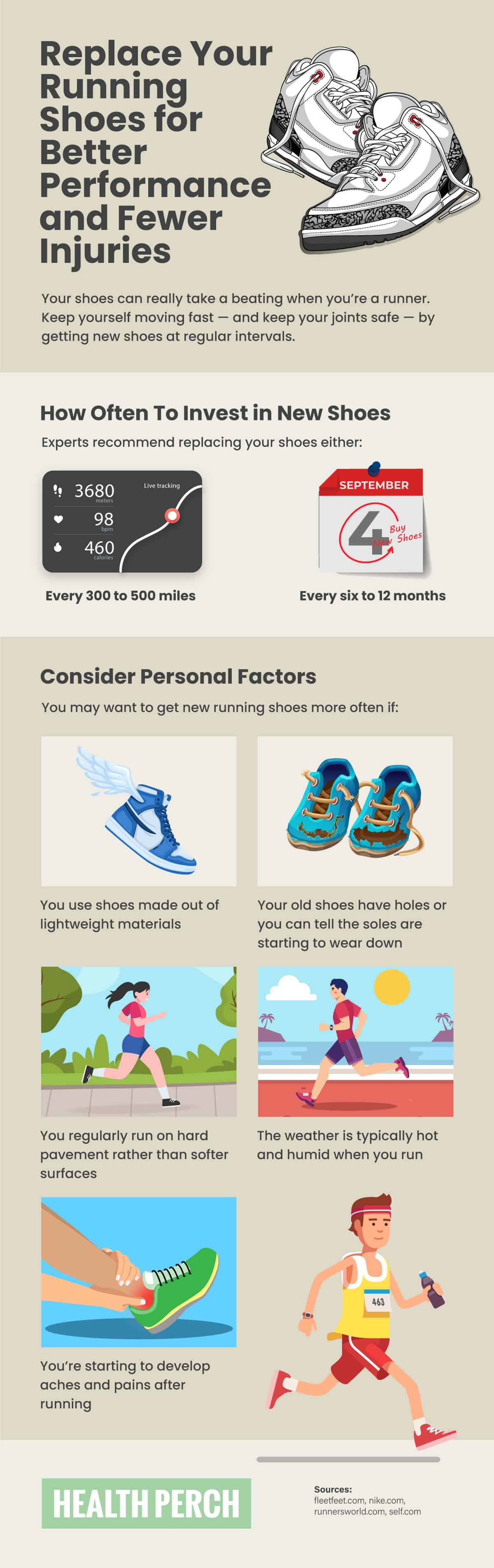
Most runners should replace shoes every 300–500 miles, or about 6–12 months.
I’ve tested dozens of shoes and trained runners for years, so I’ll walk you through exactly when and why to replace your running shoes. This guide on how often should i replace my running shoes covers clear rules, simple checks, and real-life tips so you stop guessing and start running safer and faster. Read on to learn the signs, the math, and the practical steps to extend shoe life and avoid injury.

How often should i replace my running shoes? — a clear rule of thumb
For most runners, the basic answer is 300–500 miles per shoe. Lighter runners and low-impact walkers often hit the lower end. Heavier runners, and those who run on rough trails, should expect the lower range too. Track shoes and racing flats wear faster, often under 300 miles.
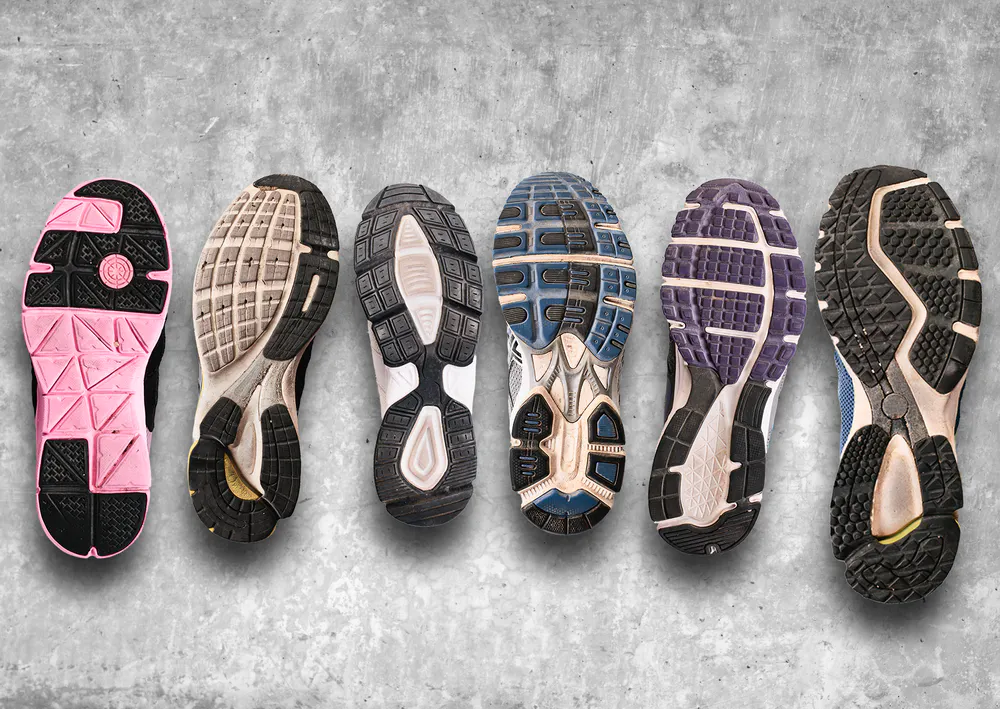
Why mileage matters, and why time also counts
Mileage tracks material fatigue. Foam compresses. Cushioning breaks down even if the shoe looks fine. Time also matters because foam ages and glue weakens. If you run 30 miles a week, a 300–500 mile shoe lasts about 3–4 months. If you run 10 miles a week, that stretches to 7–12 months.

Signs your shoes need replacing
Look for these clear signs. Any single one is a strong hint to replace your shoes.
- Outsole worn flat
- Tread worn smooth or holes appearing on the bottom.
- Midsole feels flat or hard
- Cushioning no longer springs back.
- Heel counter soft or collapsed
- Heel slips or the shoe feels unstable.
- Pain or new aches
- New shin, knee, hip, or back pain after runs.
- Visible creasing or torn upper
- Structural damage that affects fit.
How weight, running style, and surface change the math
Your weight, form, and where you run change how often should i replace my running shoes.
- Body weight
- Heavier runners compress foam faster. Expect less than 300–400 miles.
- Running form
- Heavy heel strikers wear the heel faster.
- Surface type
- Road shoes on trails break down quicker. Trail shoes on rock will wear fast too.
- Training load
- Daily runners reach replacement sooner than weekend runners.

Simple tests you can do at home
These quick checks tell you more than looking at the sole.
- The squeeze test
- Squeeze the midsole with two hands. If it feels hard and won’t bounce back, it’s tired.
- The bend or twist test
- Twist the shoe. If it twists easily in the middle, the support is gone.
- The insole test
- Take out the insole; if it keeps a deep impression of your foot, cushioning is lost.
- The heel drop test
- Stand in the shoes and jump. If you feel the pavement too much, cushioning is worn.
Tips to extend shoe life and save money
You can stretch the life of shoes with smart habits.
- Rotate shoes
- Use two pairs on alternating days. Let foam recover.
- Dry shoes properly
– Air dry at room temperature. Avoid heaters and dryers. - Clean gently
- Use a soft brush and mild soap. Avoid harsh chemicals.
- Use inserts if needed
- Replaceable insoles can refresh fit and comfort.
- Use shoes for their purpose
- Don’t use road shoes for trail miles.

Choosing the right replacement strategy
Plan replacements, don’t wait for pain. Replace shoes before a big race. Buy a new pair 2–4 weeks before a key event and run a few short sessions in them. Track mileage in a log or app. Keep a note of when you started each pair and the miles you run in them.

My experience and lessons learned
I once ran a marathon in shoes past 600 miles. I paid for it with tight calves and a long recovery. Since then I log miles and rotate pairs. I’ve seen small issues turn into big problems fast. Replacing shoes early kept me faster and injury-free. Simple record keeping and a backup pair saved me missed races.

When replacement is urgent
Replace shoes right away if you notice any of these:
- New pain starts after a run.
- The outsole has holes or chunks missing.
- The midsole is permanently compressed.
- Loose seams or detached heel tabs.
How to shop for your next pair
When you buy a replacement, match your new shoes to your needs.
- Compare the last pair’s fit and feel.
- Buy the same model if you liked it.
- Try shoes in the afternoon — feet swell during the day.
- Run a quick test on a treadmill or short road loop in-store if possible.
Frequently Asked Questions of how often should i replace my running shoes
When should I replace running shoes based on miles?
Most experts recommend 300–500 miles, but adjust for weight and surface. Lighter runners and soft surfaces allow more miles; heavy runners and rough trails reduce the number.
Can I replace shoes by time not miles?
Yes. If you run little, change shoes every 6–12 months because foam ages and loses cushion over time.
What if I see worn tread but the shoe still feels OK?
Worn tread may not show in comfort, but traction and shock absorption can be compromised. Replace soon to avoid slips and joint stress.
Are there signs on my feet that tell me to replace shoes?
Yes. New aches, pain in knees or shins, and unusual hot spots can mean your shoes need replacing.
Can I use orthotic inserts to extend shoe life?
Inserts help fit and comfort, but they don’t restore midsole foam. Inserts can delay replacement slightly but not forever.
Conclusion
Replacing shoes on a schedule keeps you fast and healthy. Aim for 300–500 miles as a baseline and watch for wear, pain, or soft midsoles. Rotate pairs, log mileage, and replace before big races. Start tracking today and make shoe replacement part of your training plan. Share your experience or ask a question below to get tailored advice.

Rubel Miah is the Senior Editor at MyStyleGrid.com, where he brings a sharp editorial eye and an unshakable love for fashion to everything he does. A true style addict, Rubel lives and breathes trends, from streetwear to high fashion, and has a knack for turning inspiration into impactful stories. With years of experience in fashion journalism and digital media, he curates content that empowers readers to express themselves through style. When he’s not editing features or forecasting the next big thing, you’ll find him hunting down vintage pieces or capturing street style moments around the city.