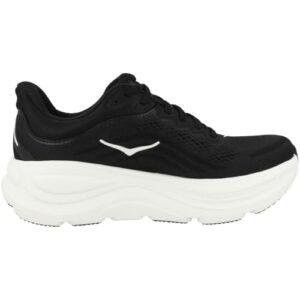
Yes, Nike produces several shoes with slip-resistant outsoles aimed at better traction and workplace safety.
I’ve spent years testing footwear for grip, comfort, and real-world performance, and I’ll walk you through whether does nike make slip resistant shoes, how they perform, and when to choose Nike versus a dedicated slip-resistant work brand. This guide covers testing methods, specific Nike models that grip well, maintenance advice, and clear buying tips so you can pick shoes that keep you steady on wet floors or oily surfaces.
How Nike approaches slip resistance
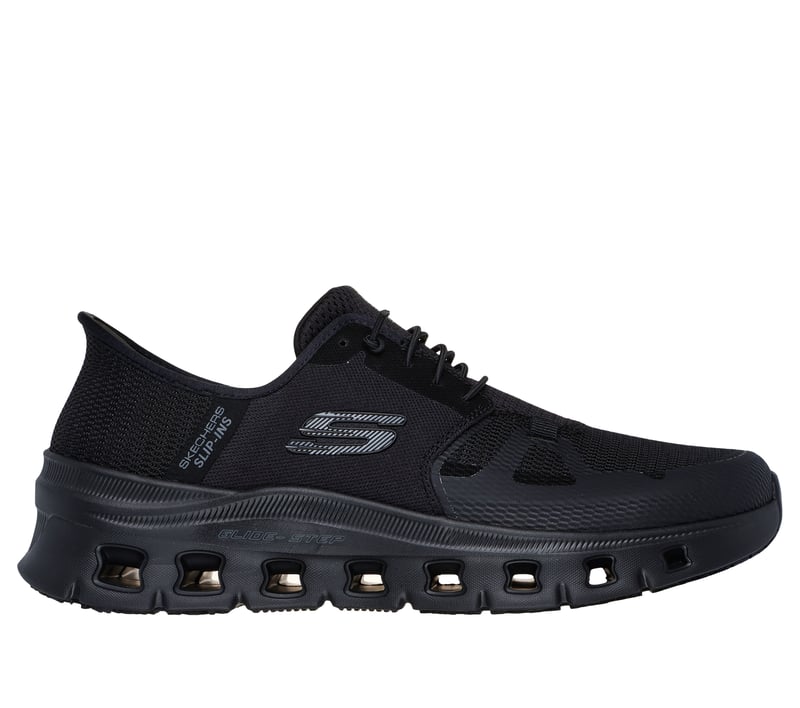
Nike designs shoes for many uses: running, training, outdoor, and lifestyle. Some lines emphasize sticky rubber and tread patterns that boost grip on wet or slick surfaces. That means does nike make slip resistant shoes is not a simple yes/no — Nike offers footwear with strong traction, but not all are labeled or certified as slip-resistant for industrial or food-service work. If you need certified slip resistance for a job, check labeling and test reports rather than assuming every Nike outsole will meet workplace standards.

Nike models and lines with better traction
Nike builds traction into several product families. You’ll find good grip in skate, trail, and some cross-training shoes, which use sticky rubber and aggressive tread.
- Nike SB skate shoes — made for board grip and often perform well on smooth surfaces.
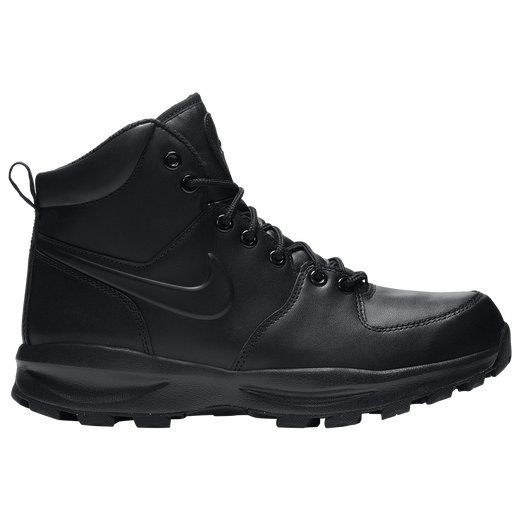
- Nike ACG (All Conditions Gear) — designed for trails and wet terrain; these have lug patterns that shed water.
- Cross-training and court shoes — selected models use durable rubber compounds that resist slipping.
When deciding if does nike make slip resistant shoes for your needs, look at the outsole compound, tread depth, and any lab or seller claims about wet traction. Few Nike consumer models carry workplace slip-resistant certification, so check specifics before relying on them in high-risk jobs.
How slip resistance is tested and what it really means
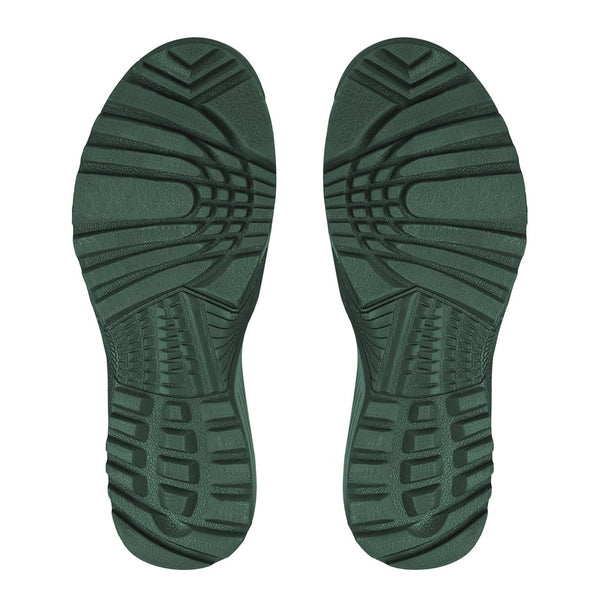
Slip resistance is measured by lab tests that examine friction between sole and floor under various contaminants like water, oil, or grease. Common industry methods measure dynamic coefficient of friction or use standardized wet-resistance tests to rate performance. So when you ask does nike make slip resistant shoes, understand that the label “slip-resistant” can mean different things: marketing claim, lab certification, or real-world good traction.
What tests matter for work shoes?
Testing that replicates your work environment (wet tile, oily kitchen floors, outdoor stone) matters most. Certifications exist for workplace footwear, but most mainstream athletic shoes are tested more for grip in sport contexts.
Are Nike shoes often certified?
Nike rarely markets mainstream consumer shoes as certified slip-resistant for industrial use. A few specialized models may meet third-party standards, but always confirm with the product details.
Comparing Nike to dedicated slip-resistant brands
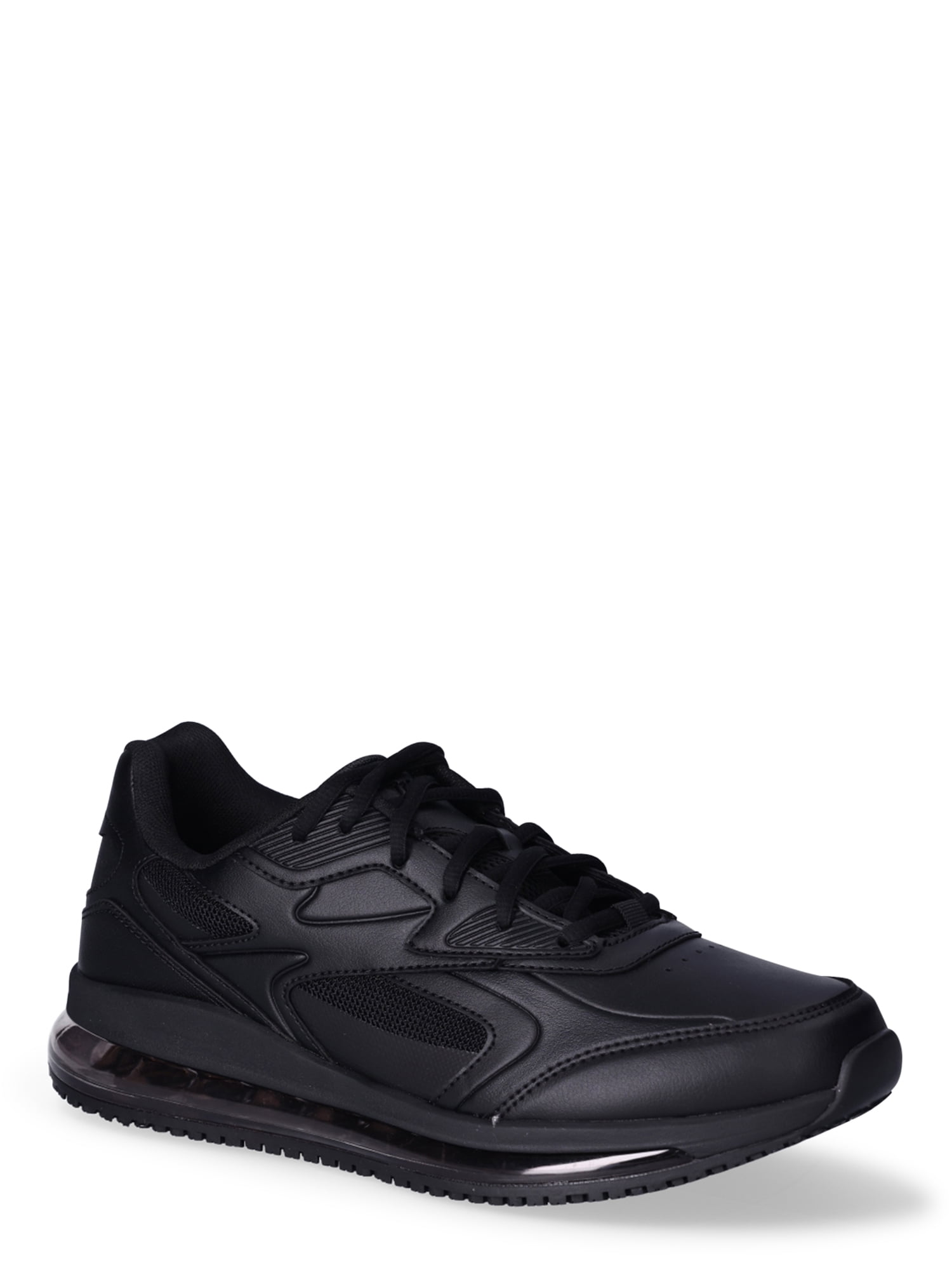
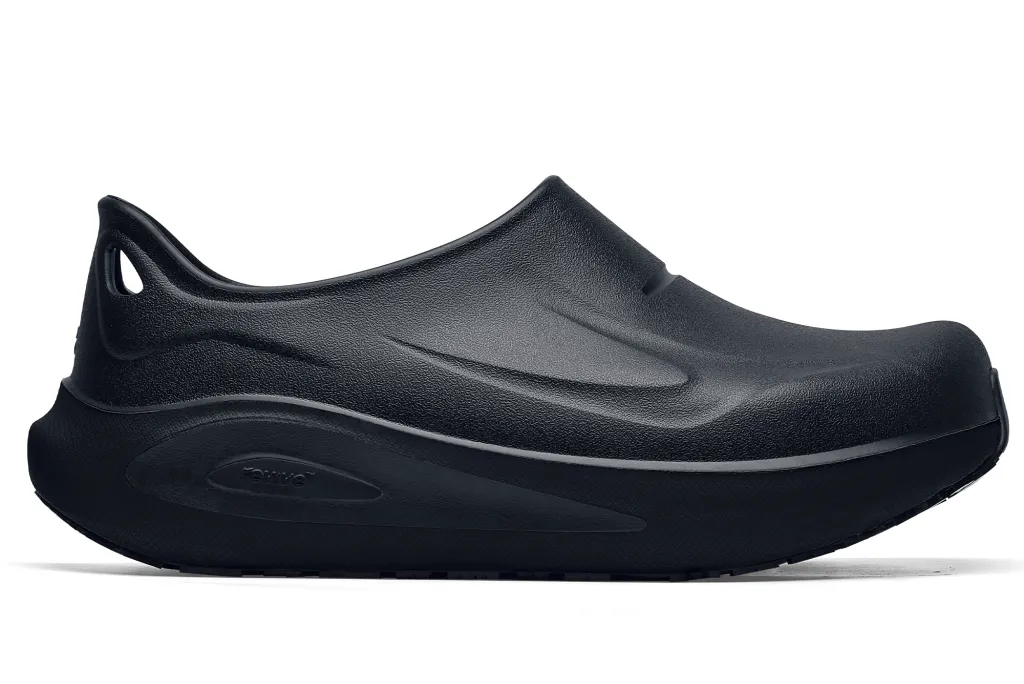
Nike strengths include innovation in rubber formulas and traction design for sports and outdoor use. Dedicated slip-resistant brands focus specifically on workplace certifications, oil-resistant outsoles, and heavy-duty slip testing. If you wonder does nike make slip resistant shoes that match purpose-built work shoes, know this:
- Nike provides excellent traction for everyday wet conditions and active use.
- Purpose-built slip-resistant brands often offer certified soles and warranties specific to workplace hazards.
- For mixed use (commute plus light kitchen work), a Nike model with good tread may be fine. For high-risk industrial or food service roles, certified work shoes are safer.
How to choose and maintain slip-resistant shoes
Choosing the right shoe means matching environment and certification needs. Follow this checklist when evaluating does nike make slip resistant shoes for your job:
- Check product claims and look for any third-party testing notes.
- Inspect the outsole: deeper tread and softer, sticky rubber grips better on wet floors.
- Read user reviews from people in similar jobs to see real-world performance.
- Consider replacing shoes that show outsole wear; worn soles lose slip resistance fast.
Maintenance tips: clean soles regularly to remove grease and debris, avoid hard chemical cleaners that degrade rubber, and store shoes dry to preserve compounds. These small steps extend grip and safety.

Personal experience, lessons, and practical tips
From my time testing footwear on slick kitchen tiles and rainy sidewalks, I can share a few clear lessons. A Nike SB or ACG shoe often outgrips casual sneakers on wet floors, but I’ve seen the same model fail on oily restaurant floors where certified work shoes excel. One mistake I made early on was trusting tread pattern alone; compound and wear matter more. My practical tips: try a shoe on a wet patch in-store when possible, keep a backup pair for work, and rotate shoes so soles wear evenly.
If you’re weighing does nike make slip resistant shoes for work, try to match the shoe to the specific surface and contaminant you face each day.
Frequently Asked Questions of does nike make slip resistant shoes
Are any Nike shoes officially labeled as slip-resistant?
Some Nike models may be marketed for improved traction, but official workplace slip-resistance certifications are uncommon. Always verify product specs and third-party test notes for certification.
Can I use Nike shoes for restaurant or kitchen work?
You can use certain Nike shoes that have sticky rubber and good tread, but for high-risk kitchen work, certified slip-resistant work shoes are safer. Evaluate the work floor (water vs. oil) before relying on athletic shoes.
How do I test a Nike shoe for slip resistance at home?
Test on a wet tile or surface similar to your work environment by walking slowly and checking grip and confidence. Real-world testing with the contaminant you face (water, oil) gives the best idea of performance.
How long does slip resistance last on Nike outsoles?
Slip resistance declines as tread wears down; for heavy daily use, expect noticeable loss after several months to a year depending on use. Inspect soles regularly and replace shoes when tread is low or polish/compound looks glazed.
Are Nike outsoles better than cheap slip-resistant shoes?
Nike outsoles often use advanced rubber compounds that can outperform cheaper slip-resistant footwear in many conditions. However, cheaper shoes that are certified for work may still be a better choice for consistent, regulated workplace safety.
Conclusion
Nike does make shoes with strong traction, and some models perform very well in wet or slippery conditions, but not all Nike shoes are certified slip-resistant for workplace hazards. Match the shoe to your specific environment, check for third-party testing if you need formal certification, and maintain your shoes so the outsole keeps doing its job. If you're unsure, try a Nike model in the actual conditions you face, or opt for purpose-built slip-resistant footwear for high-risk roles. Share your experiences below, subscribe for more gear guides, or leave a question so I can help you choose the right shoe.

Rubel Miah is the Senior Editor at MyStyleGrid.com, where he brings a sharp editorial eye and an unshakable love for fashion to everything he does. A true style addict, Rubel lives and breathes trends, from streetwear to high fashion, and has a knack for turning inspiration into impactful stories. With years of experience in fashion journalism and digital media, he curates content that empowers readers to express themselves through style. When he’s not editing features or forecasting the next big thing, you’ll find him hunting down vintage pieces or capturing street style moments around the city.