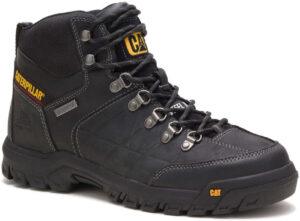
Tennis shoes are court-ready athletic shoes designed for lateral support, grip, and quick side-to-side movement.
If you’ve ever wondered what are considered tennis shoes, the answer goes beyond just “sneakers.” In practice, tennis shoes are built for stop-and-start play, fast pivots, and stability on the court, which makes them different from many running or casual shoes. I’ve spent years comparing athletic shoes for fit, grip, and durability, and the biggest mistake people make is buying by looks instead of function. Let’s break down what are considered tennis shoes, what makes them unique, and how to choose the right pair with confidence.
What Are Considered Tennis Shoes?
Tennis shoes are athletic shoes made for tennis and similar court sports. They are designed to help you move sideways, brake quickly, and recover balance without rolling your ankle or wearing out the shoe too fast.
The key thing to know is this: not every sneaker is a tennis shoe. A pair can look sporty and still be wrong for tennis if it lacks lateral support, court traction, or durable materials in high-wear zones. That is why people often ask what are considered tennis shoes when shopping for sports, gym, or everyday wear.
In simple terms, tennis shoes usually have:
• A stable base for side-to-side movement
• Strong grip for hard courts, clay, or grass
• Extra reinforcement near the toe and forefoot
• Cushioning that balances comfort with control
• A lower, more grounded feel than many running shoes

What Makes Tennis Shoes Different From Other Sneakers?
A lot of shoes are labeled “athletic,” but the needs of tennis are specific. Tennis is not a straight-line sport. You sprint, stop, shuffle, slide, and explode in new directions all in a few seconds.
That means what are considered tennis shoes comes down to performance features, not just style.
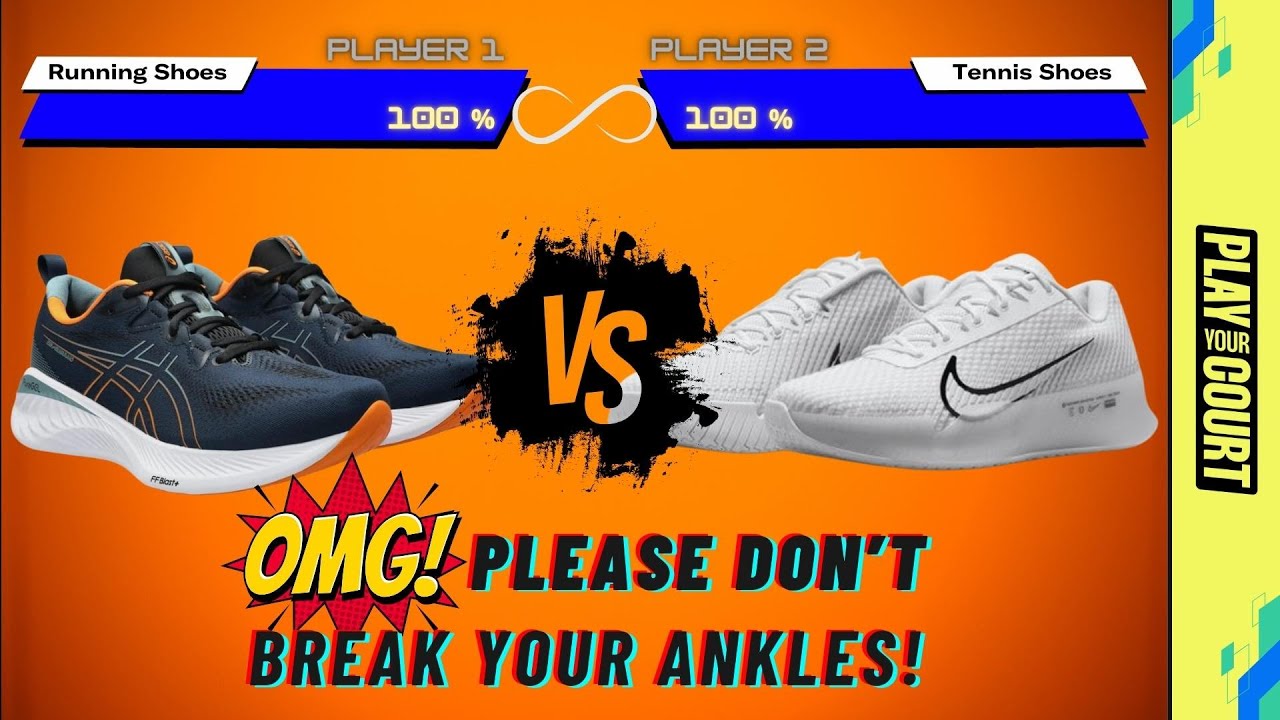
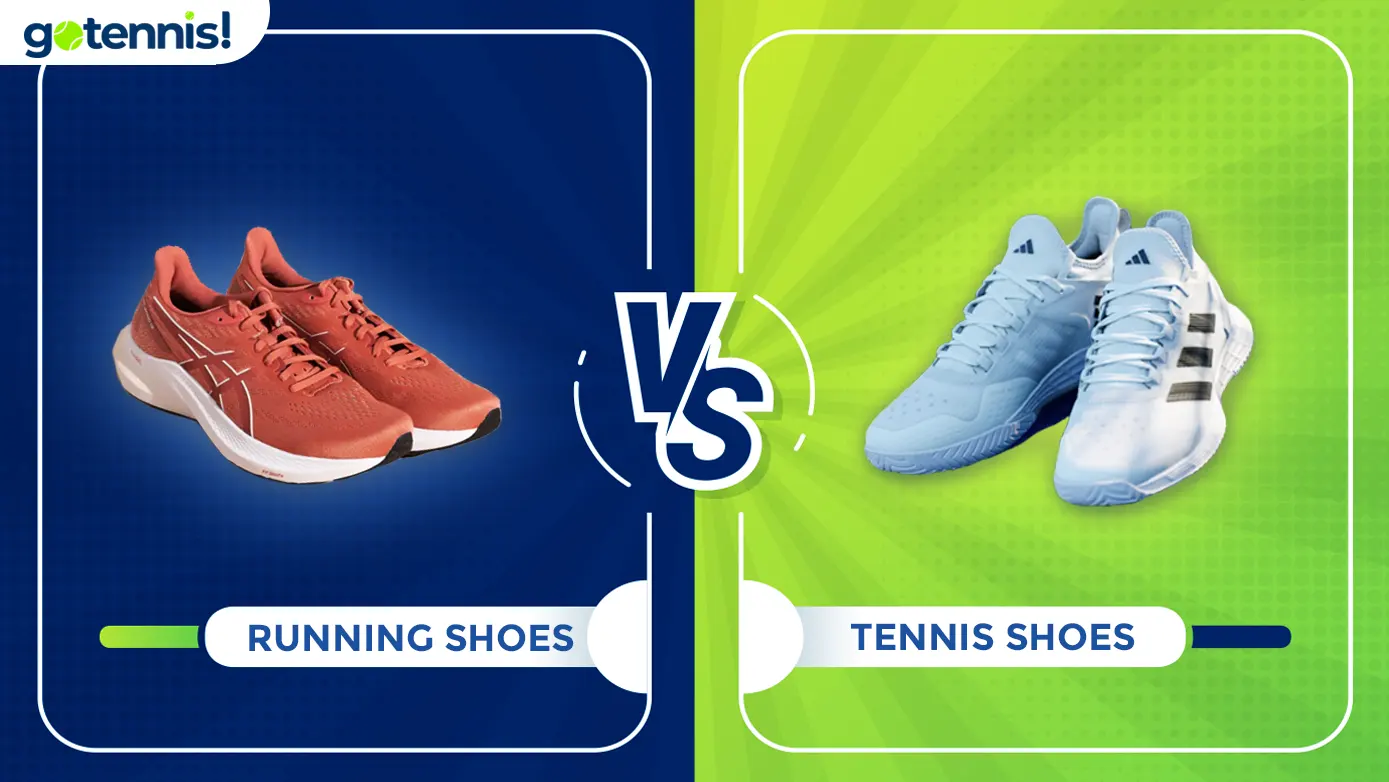
Tennis shoes vs. running shoes
Running shoes are built for forward motion. Tennis shoes are built for multi-directional motion.
• Running shoes usually have more heel-to-toe cushioning
• Tennis shoes usually have more side support and stability
• Running shoes may feel softer, but they can be less secure on the court
• Tennis shoes often feel firmer because control matters more than bounce
I learned this the hard way early on. I once wore a cushy running shoe for a casual tennis match, and every side step felt unstable. The shoe was comfortable, but comfort alone does not answer what are considered tennis shoes.
Tennis shoes vs. cross-trainers
Cross-trainers can work for some gym sessions, but they are not always ideal for tennis.
• Cross-trainers may handle many activities decently
• Tennis shoes are tuned for court movement and surface wear
• Tennis shoes usually offer better toe protection and lateral containment
• Cross-trainers often sacrifice court-specific traction for general use
If you play often, tennis shoes are the safer and smarter choice.
Tennis shoes vs. lifestyle sneakers
Lifestyle sneakers are made for looks and everyday comfort. Tennis shoes are made for movement and sport.
• Lifestyle sneakers often lack strong arch and side support
• Tennis shoes are designed for repeated sharp cuts
• Tennis shoes tend to use more durable outsoles
• Lifestyle shoes may wear out faster on courts
Main Features That Define Tennis Shoes
When people search what are considered tennis shoes, they are often really asking, “How do I know if a shoe is actually built for tennis?” The answer is in the details.
1. Lateral support
This is one of the biggest markers. Tennis shoes should help your foot stay stable when you move sideways. That means a secure upper, a firm midfoot, and enough structure to keep your foot from sliding around.
2. Court traction
The outsole pattern matters. Tennis shoes are made to grip court surfaces without sticking too much. Good traction helps you start, stop, and change direction safely.
3. Durability
Tennis wears shoes out fast, especially on the toe and outer forefoot. Real tennis shoes often use reinforced rubber or stronger synthetic overlays in these areas.
4. Low-to-ground stability
Tennis shoes usually sit closer to the ground than some other athletic shoes. This gives you better balance and quicker reactions.
5. Surface-specific design
Different courts need different soles.
• Hard court shoes usually have durable outsoles for abrasive surfaces
• Clay court shoes often have herringbone patterns for slide control
• Grass court shoes are less common and may use nubs or special traction patterns
If a shoe does not mention court surfaces or tennis-specific design, it may not truly answer what are considered tennis shoes.
Are All Tennis Shoes the Same?
No, and that is an important detail. Tennis shoes vary by court type, playing style, and foot shape.
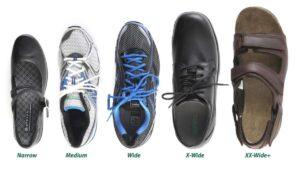
A baseline player who moves a lot side to side may need a sturdier shoe than a casual player who hits once a week. A heavier player may need more cushioning and support. Someone with narrow feet may want a snugger upper, while a wider-footed player may need a roomier fit.
Here is a simple way to think about it:
• Aggressive movers often need stronger support and durability
• Casual players may want comfort and all-around stability
• Wide feet may need a wider toe box
• Fast players often prefer lighter shoes with firm support
• Frequent players should prioritize outsole durability
This is where understanding what are considered tennis shoes really helps, because the best pair is not the same for everyone.
Common Misconceptions About Tennis Shoes
A few myths keep coming up, and they confuse shoppers.
“Any sneaker can be a tennis shoe”
Not true. A sneaker may be fine for walking or casual wear, but tennis can punish weak shoes very quickly. Side support, traction, and durability matter more than most people realize.
“Tennis shoes are only for tennis”
Also not true. Many people wear tennis shoes for pickleball, light training, walking, and everyday use because they are stable and durable. Still, they work best when their court features are actually needed.
“All court shoes are the same”
Court shoes can overlap, but tennis, pickleball, volleyball, and basketball each ask for slightly different movement support. Tennis shoes are more specialized for the glide, stop, and pivot pattern of tennis.
How to Choose the Right Tennis Shoes
Choosing the right pair becomes much easier when you know what are considered tennis shoes in real life, not just in ads.
Start with your court surface
The surface changes the shoe you need.
• Hard courts need durable rubber and strong support
• Clay courts need traction that allows controlled sliding
• Indoor courts may need non-marking soles and lighter traction
Match the shoe to your playing style
If you play aggressively, prioritize support and stability. If you move fast and value speed, look for lighter shoes that still protect your foot.