A 4E shoe is an extra-extra-wide shoe made to give broader feet more room.
If you are asking what does 4e mean for shoes, you are likely dealing with tight toe boxes, pressure along the sides, or feet that swell during the day. As a footwear writer and fit-focused researcher, I know that width letters can seem confusing, especially because brands do not always use them in the same way. This guide explains 4E width, who may need it, how it compares with other sizes, and how to choose a comfortable pair.
What does 4E mean for shoes?
The term 4E means extra-extra-wide shoe width. It describes how much space a shoe has across the forefoot, not how long the shoe is from heel to toe.
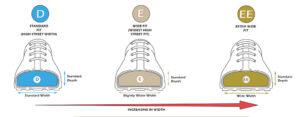
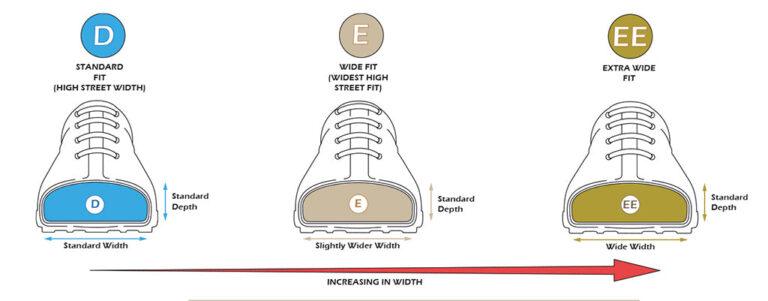
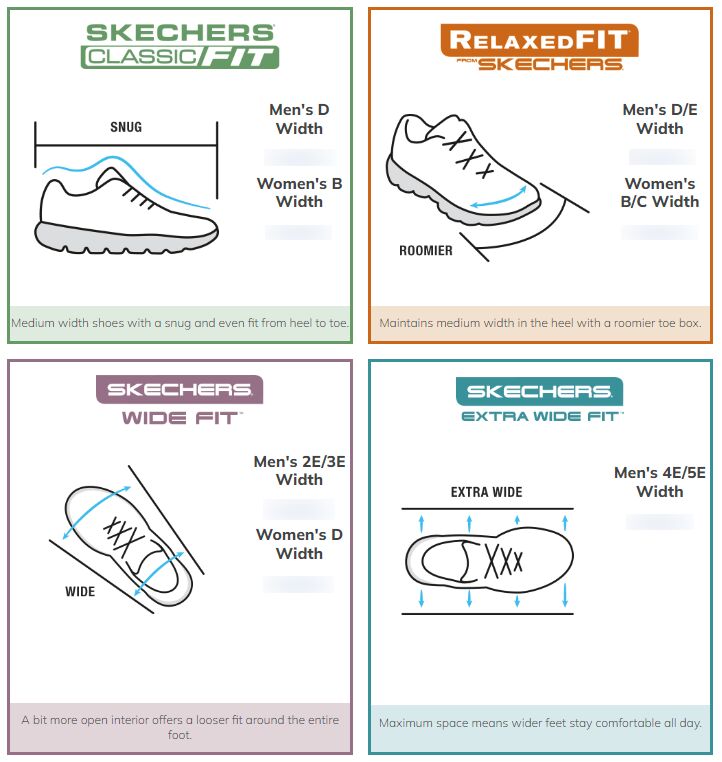
In many US men’s shoe size charts, 4E is wider than standard D width and wider than 2E width. It is often listed as extra wide, XX-wide, or simply 4E. The exact fit can change by brand, shoe model, and intended use.
A typical men’s width scale may look like this:
• B: Narrow width
• D: Standard or medium width
• 2E: Wide width
• 4E: Extra-extra-wide width
• 6E or 8E: Very broad widths in selected styles
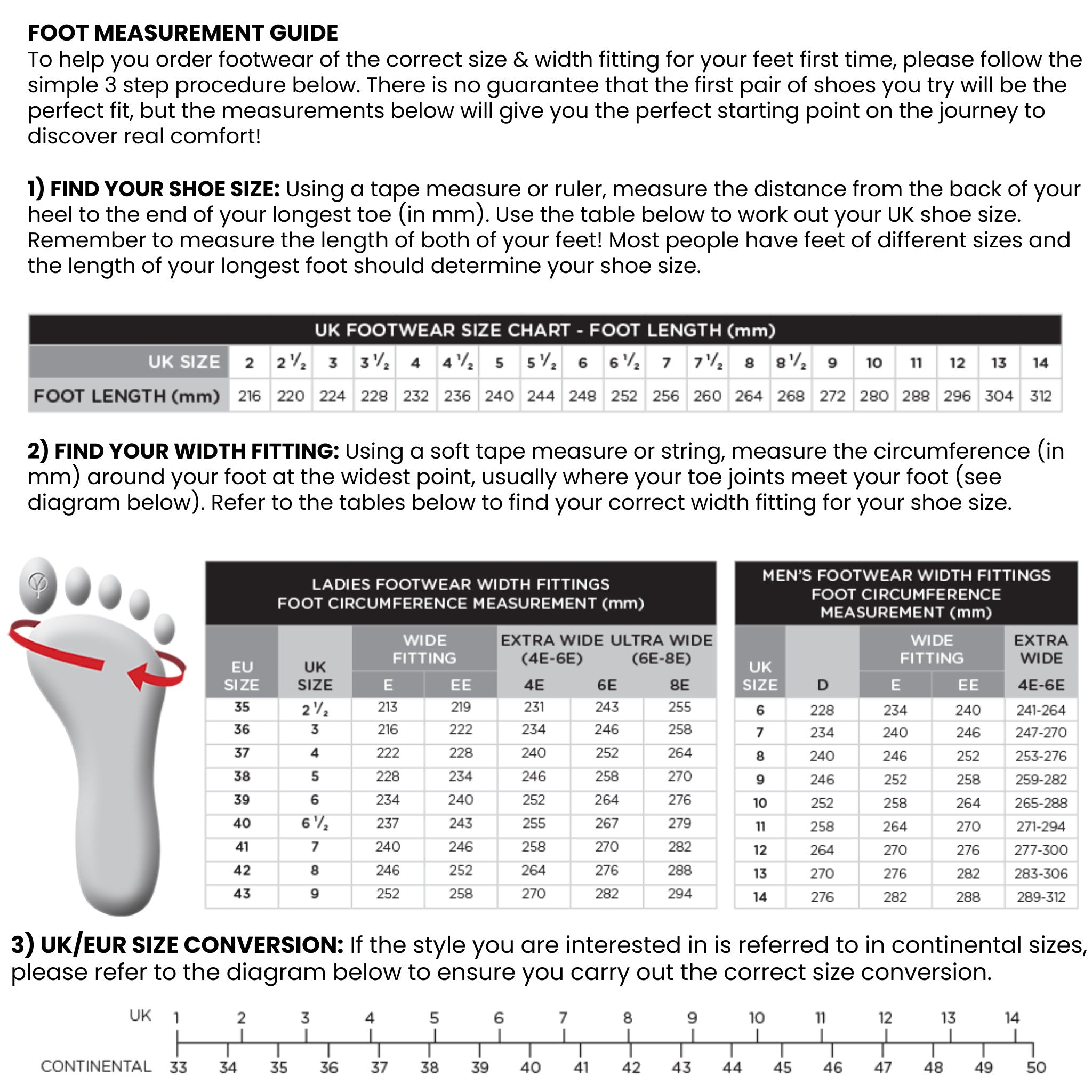
For women’s shoes, width labels can follow a different scale. A women’s 4E may be called extra wide, but some brands use 2E for extra-wide women’s shoes and do not offer 4E at all.
This is why knowing what does 4e mean for shoes is only the first step. You must also check the brand’s own width chart and review the shape of the shoe.
How 4E compares with other shoe widths
Shoe width letters work like lanes on a road. The shoe length tells you how far the road runs, while the width tells you how many lanes your foot has to spread across.
Here is a simple comparison:
Standard width
A standard men’s shoe is often marked D. For women, standard width is commonly B. These widths suit many feet but may feel tight if your forefoot is broad.
Wide width
A men’s 2E shoe is usually considered wide. It offers more room than a D shoe but less room than a 4E shoe.
Extra-wide width
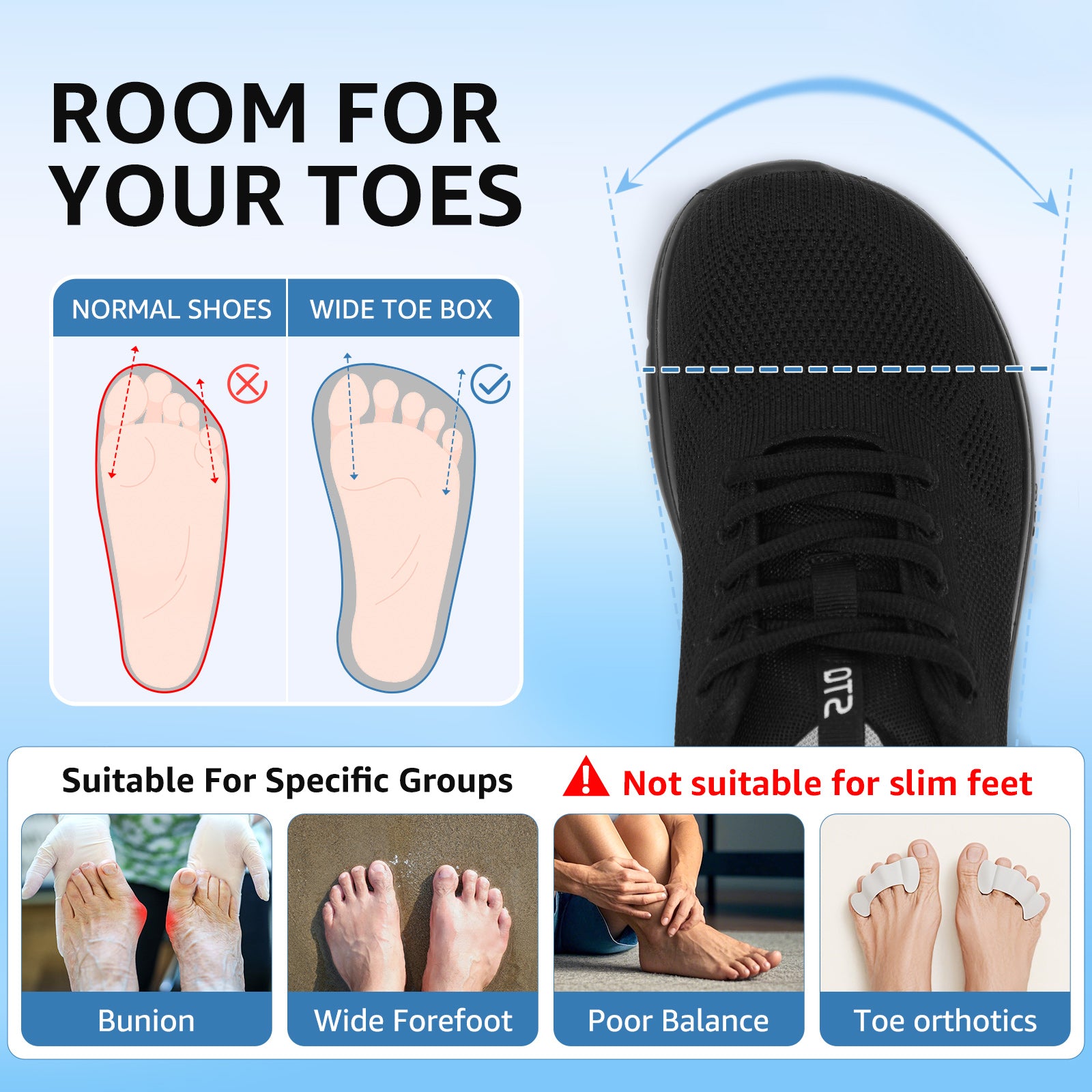
A 4E shoe offers more room through the toe box and forefoot. It may suit people with broad feet, bunions, swollen feet, or a high-volume foot.
Very wide width
Some work boots, orthopedic shoes, and athletic shoes come in 6E or 8E. These widths are less common and may need to be ordered from specialty retailers.
The difference between 2E and 4E is not always the same number of millimeters. Each manufacturer sets its own measurements. A 4E running shoe from one brand may feel close to a 2E model from another brand.

Who may need a 4E shoe?
A 4E shoe may help if your feet feel squeezed even when the shoe length seems correct. It can also help when your toes need more room to spread naturally.
People who may benefit from 4E footwear include:
• People with naturally wide feet
• People with bunions or overlapping toes
• People with hammertoes
• People with swelling in the feet or ankles
• People with high-volume feet
• People who wear thick socks or custom orthotics
• People with diabetes who need carefully fitted footwear
• People who spend long hours standing or walking
A wide foot is not a problem that needs to be corrected. It is simply a foot shape. The goal is to match the shoe to the foot instead of forcing the foot into a narrow design.
However, not every foot problem means you need 4E shoes. Pain can also come from poor arch support, a stiff upper, the wrong length, or a shoe with a low toe box.

Signs that your shoes may be too narrow
Many people choose a longer shoe when they really need a wider shoe. This can leave extra space in front of the toes while the sides still feel tight.
Watch for these signs:
• Red marks along the sides of your feet
• Numbness or tingling in your toes
• Blisters near the little toe
• Pain around a bunion
• Toes that feel pressed together
• A shoe upper that bulges over the sole
• Feet that ache after short walks
• A feeling that your foot is spilling over the edge of the insole
One useful test is to remove the insole and stand on it. Your foot should fit inside the outline without hanging over the sides. This test is not perfect, but it can show when a shoe is clearly too narrow.
A shoe that feels comfortable for five minutes may still be too narrow for an eight-hour workday. Try shoes later in the day, when feet are often slightly larger from normal activity.

Is 4E the same as extra wide?
Usually, yes. In many US men’s shoe charts, 4E means extra wide or extra-extra-wide. Still, the words “extra wide” are not a universal measurement.
One brand may label a shoe 4E, while another may use “XX-wide.” A third brand may call a similar fit “extra wide” without showing the letter code. These labels can overlap, but they are not guaranteed to match.
When shopping, look for:
• The official width measurement
• A brand-specific size chart
• Reviews from people with wide feet
• The shoe’s toe box shape
• Whether the upper stretches
• Whether the sole is also wide enough
A stretchy upper can make a shoe feel more comfortable, but it does not always create more true width. If the outsole is narrow, your foot may still press against the edge.
Does 4E mean the shoe is longer?
No. 4E describes width, not length.
For example, a men’s size 10 4E shoe is designed to be about the same length as a men’s size 10 D shoe. The 4E version should provide more room from side to side and often more space around the forefoot.
Even so, a wider shoe can sometimes feel slightly longer. Your toes may sit in a more natural position, and the wider shape may change how your foot rests inside the shoe.
Choose length and width separately. Your best size may be 9.5 4E, 10 2E, or 10 4E, depending on the brand and your foot measurements.