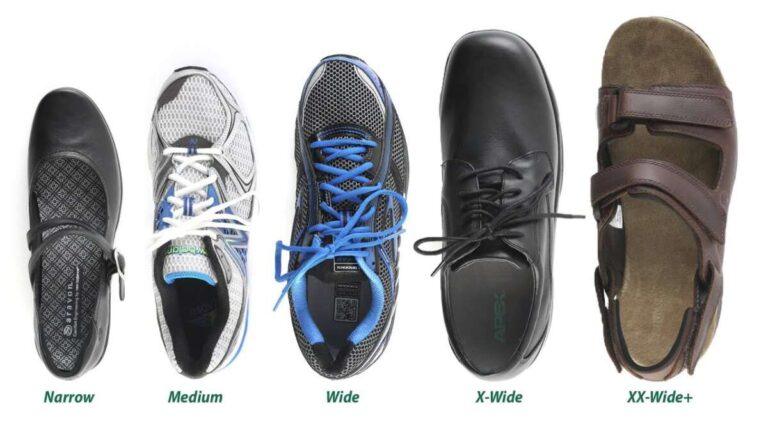
Size D in shoes usually means a medium width for men and a wide width for women.
Understanding what is size d in shoes can make shopping much easier, especially when your shoes feel tight at the sides but long enough in the toe. The letter D does not describe shoe length. It describes width, and its meaning can change by gender, brand, and shoe type. This guide explains size D clearly so you can choose a better fit with less guesswork.
What Is Size D in Shoes?
When people ask, “what is size d in shoes?” they are usually asking about the width letter shown beside a shoe size. For example, a men’s 10D means a size 10 shoe with a standard, medium width. The number shows length, while the letter shows width.
In most US shoe sizing systems:
• D is a standard or medium width for men.
• D is a wide width for women.
• D may have a different fit in children’s shoes or specialty footwear.
• A D width is wider than B for women but narrower than 2E or 4E for men.
The key point is simple: what is size d in shoes depends on who the shoe is made for. A men’s D and a women’s D are not always the same width because men’s and women’s standard shoe shapes use different width scales.
Shoe width and shoe length are different
Shoe size works like a two-part address. The number tells the shoe company how long the shoe should be. The letter tells it how broad the shoe should be across the forefoot.
For example:
• Men’s 9D: size 9 length with standard medium width
• Men’s 9E: size 9 length with a wider fit
• Women’s 8D: size 8 length with a wide fit
• Women’s 8B: size 8 length with a standard medium fit
Changing from a size 9D to a size 10D makes the shoe longer, not simply wider. If your toes have enough room but the sides pinch, you may need a wider width rather than a longer shoe.
Why the letter D is confusing
The letter system is not fully universal. Some brands use D for medium width in men’s shoes and wide width in women’s shoes. Other brands may use different labels, such as M for medium, W for wide, or XW for extra wide.
This is why the answer to what is size d in shoes should always include the brand’s own size chart. Width measurements can also vary because of the shoe’s shape, materials, padding, and construction.

What Does D Width Mean for Men’s Shoes?
For men’s shoes in the United States, D is usually the standard medium width. It is the most common width used in men’s sneakers, dress shoes, boots, and casual shoes.
A men’s D shoe is designed for a foot with average width. It should hold the foot securely without squeezing the little toe or pressing hard across the ball of the foot. However, “average” does not mean it will fit every person.
Men’s shoe width chart
Common US men’s width labels include:
• AAA or 3A: extra narrow
• AA or 2A: narrow
• B: narrow in many men’s shoes
• C: slightly narrow
• D: medium or standard
• 2E or EE: wide
• 3E or EEE: extra wide
• 4E: very wide
If you usually wear men’s size 10D, the D means the standard width for that size. A 10EE has the same general length but offers more room across the forefoot and sometimes through the instep.
A useful fitting lesson is that wide shoes do not always feel longer. Many people try a larger size when they need extra width. That can cause the heel to slip and the foot to move forward. Choosing the correct width often solves the problem more effectively.

What Does D Width Mean for Women’s Shoes?
For women’s shoes in the United States, D commonly means wide width. A women’s standard or medium width is usually B. Therefore, a women’s 8D is generally a size 8 shoe with a wide fit.
This difference is one of the most important parts of understanding what is size d in shoes. The same letter can describe a standard men’s width and a wide women’s width.
Women’s shoe width chart
Common US women’s width labels include:
• AAA or 3A: extra narrow
• AA or 2A: narrow
• B: medium or standard
• C: slightly wide in some brands
• D: wide
• 2E or EE: extra wide in some brands
• 4E: very wide in select styles
Not every women’s shoe brand offers D width. Some brands label it W instead. Others list only one width and make the shoe using a broader or narrower shape.
If a women’s B shoe leaves red marks along the sides of your foot, a D width may provide better comfort. Still, width should not be judged by pressure alone. A shoe that is too wide can allow sliding, rubbing, and poor foot control.

Is Size D the Same in Every Brand?
No. Size D is a useful guide, but it is not a perfect measurement shared by every shoe company. Brands use different lasts, which are the forms used to shape shoes. One brand’s D width may feel close to another brand’s standard width, while a third may feel narrower.
Shoe design also changes the fit. A pointed dress shoe often feels narrower than a round-toe sneaker with the same labeled width. Leather may soften over time, but it should not cause pain while you wait for it to stretch.
Factors that change how D width feels
The labeled width is only one part of fit. Pay attention to:
• Toe shape: Round and square toes usually offer more room than pointed toes.
• Upper material: Mesh stretches more easily than firm leather or synthetic material.
• Shoe structure: A stiff heel counter can change how the shoe holds your foot.
• Arch shape: A high instep may need more volume, not just more width.
• Foot swelling: Feet often become larger later in the day.
• Socks: Thick socks can make a medium shoe feel narrow.
• Insole design: A raised or padded insole may reduce interior space.
For this reason, what is size d in shoes should be treated as a starting point. Always check the brand’s chart and read fit notes before buying online.
How to Tell If You Need D Width
Your feet may need a D width if a standard shoe feels tight across the front or sides. The best sign is consistent pressure in the same area, not a brief feeling caused by a new shoe.
You may need a wider or narrower shoe if you notice:
• Your little toe presses against the side of the shoe.
• The ball of your foot sits on the edge of the sole.
• The upper bulges outward when you stand.
• You develop blisters on the sides of your feet.
• Your toes feel crowded even when the shoe has enough length.
• Your heel slips because you sized up to gain width.
• Your foot feels numb, hot, or cramped during normal walking.
A shoe should feel comfortable when you try it on. Do not rely on the idea that shoes must hurt before they break in. Mild stiffness may improve, but sharp pressure, tingling, and repeated rubbing are signs of poor fit.
A simple home fit check
You can check shoe width at home with paper, a pencil, and a ruler:
- Place a sheet of paper on a hard floor.
- Stand on it while wearing the socks you plan to use.
- Trace around your foot while holding the pencil upright.
- Measure the widest part of the outline.
- Compare the result with the brand’s width chart.
- Repeat the process for the other foot.
Measure both feet because one foot is often slightly larger. Choose the size and width that fit the larger foot. A foot specialist can provide a more accurate assessment if you have pain, swelling, bunions, diabetes, or another condition that affects circulation or sensation.